The following comes from Olson Graduate Assistant Rich Dana
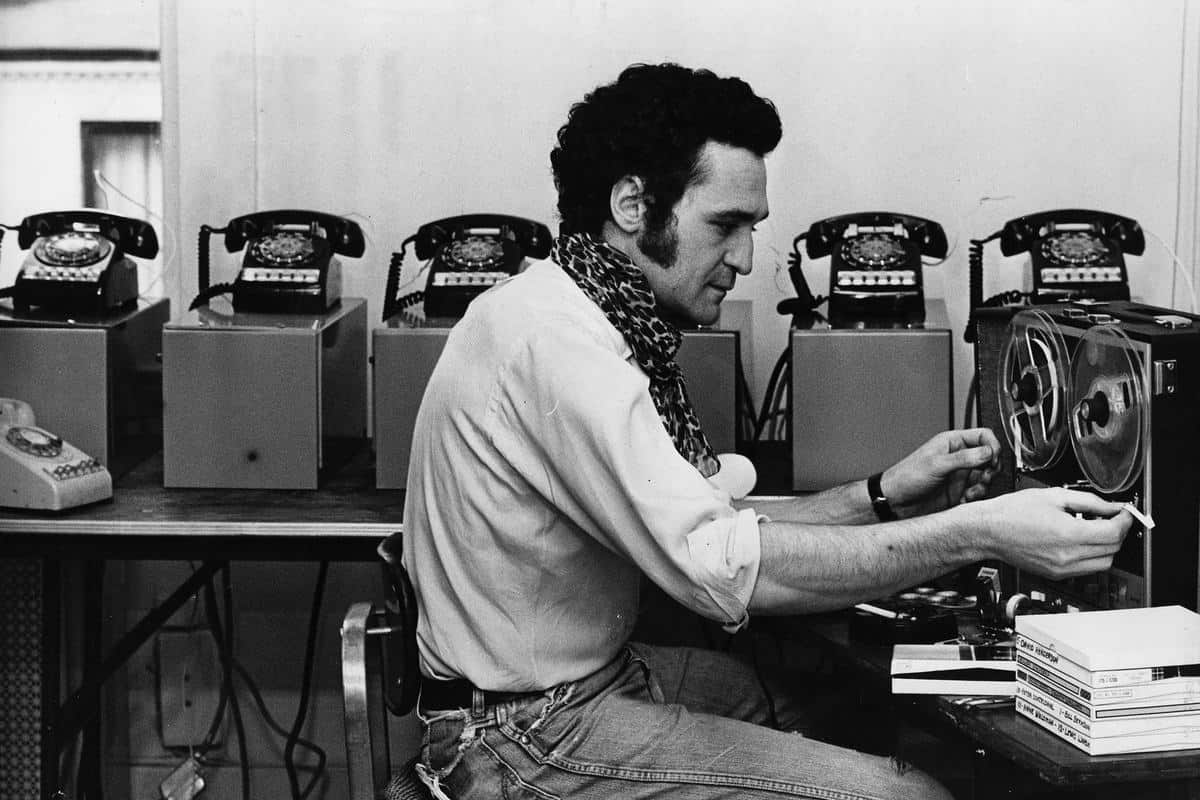
John Giorno, poet and organizer of the Dial-A-Poem project, setting up a reel of recorded poetry at the Architectural League in Manhattan in 1969. Photo Credit Patrick A. Burns/The New York Times
John Giorno, poet, artist, and activist, passed away Friday, October 12th at the age of 82. Although readers may not be familiar with his name, Giorno was one of the most influential American artists of the post-war 20th century. He blurred the boundaries between written, visual and performance art, fine art, and pop culture.
A native New Yorker, Giorno grew up among the literary and artistic giants of the early 1960s. He appeared in early Andy Warhol films, and he became a junior member of the beat movement, befriending the likes of William Burroughs, Allen Ginsberg, and Brion Gysin.
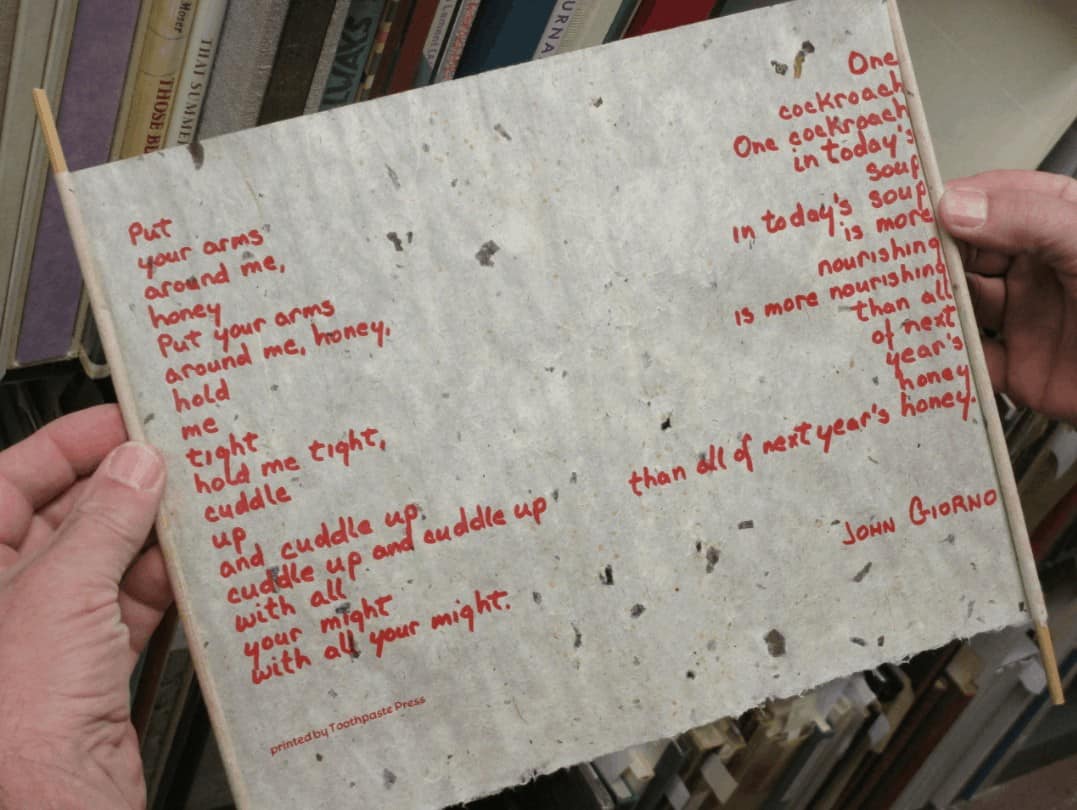
Put your arms around me honey, West Branch, Iowa : Toothpaste Press, 1984 Photo from UIowa Libraries
His fiery and transgressive spoken-word style laid the groundwork for the performance art and slam poetry movements, and his open and unapologetic descriptions of his life as a gay man was thematically revolutionary at the time. His Giorno Poetry Systems “Dial-a-Poem” service in the late 1960s allowed users to call a series on answering machines and hear writers discussing the Vietnam War, the sexual revolution, and other politically-charged topics.
Sources close to Giorno say that the 82-year-old artist was in good health and was working in his studio at the time of his death. Readers can find out more about Giorno in the New York Times obituary.
Selections from the Sackner Collection: The Association for Study of Arts Materials
Written by Diane Dias De Fazio, Curator of Rare Books & Book Arts
Well, konnichiwa.
ASA journal 1-7, 1965-1974
The University of Iowa Special Collections announced the arrival of The Ruth and Marvin Sackner Collection of Visual and Concrete Poetry last May, and as the news rippled out across the special collections universe, excitement—and chatter—about the vast collection grew. It’s my great pleasure to share this first post, as we begin a series that highlights interesting and rare material in the Sackner Collection.
First up: Association for Study of Arts, or ASA. Specifically, theASA (journal) and ASA Group exhibition catalogs (1969–1973).
ASA 1970 exhibition catalog
As a scholar of art history (and as a point of personal pride), it gives me great joy to state that UI Special Collections is the only institution* to hold a full run of ASA; UI Special Collections is likewise the only institution that has a complete set of the group’s exhibition catalogs.
From a curatorial perspective, it is significant that these important Japanese-language items are available to University of Iowa students and faculty, something that bolsters curricula in creative writing, art, and undergraduate and graduate programs in Japanese. Special Collections already includes Japanese paper, artists’ books, and cookbooks; the ASA Group materials will add new dimension to extant Japanese collection materials, complement Library poetry holdings, and have the potential to draw international researchers to Iowa City.
Part of the Multifaceted Sackner Collection
The scope of Ruth and Marvin Sackner’s collecting was expansive—there is mail art, artist publishing, book works, periodicals on artists’ books, critical studies and exhibition checklists, audio and video, in more than a dozen languages—but the core is solidly focused on concrete and visual poetry. What’s concrete poetry? you ask. While I defer to my colleague, Tim Shipe, to answer that question, I offer this definition from Oxford Art Online (which you can access from home if you have a HawkID, or another institutional affiliation that provides access):
“[An] Art form developed in the 1950s and 1960s based on the visual aspects of words. In contrast to ‘shaped’ poetry, in which the meaning of a text is enhanced by the relationship between a sequence of lines and the overall pattern or silhouette that these lines create on a page … Concrete poetry largely dispenses with conventional line and syntax. It may bring into use not only a wide range of typefaces (seeTypography) but also other elements derived from calligraphy, collage, graphics and computer-generated shapes. It can appropriately be considered a visual art, though it is also a literary one.”
Got it? Concrete poetry straddles the realms of visual and literary arts. It’s a perfect fit for Special Collections!
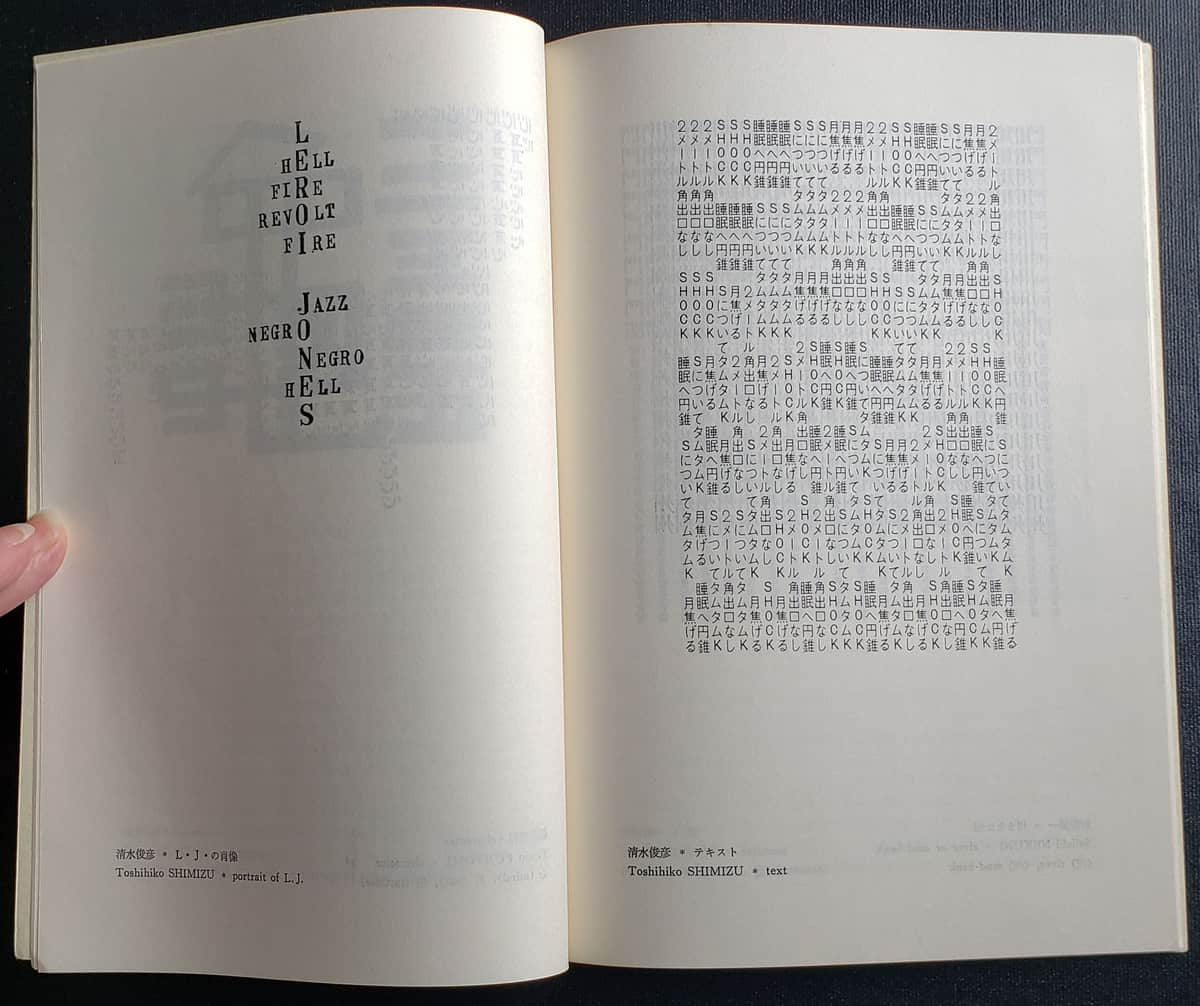
Two concrete poems by Toshihiko Shimizu, “Portrait of L.J.” (Tribute to Amiri Baraka), and “text”.
Seiichi Niikuni & Concrete Poetry in Japan
Japanese poet Seiichi Niikuni (1925–1977), influenced by e. e. cummings, John Cage, Sakutarō Hagiwara, and Stéphane Mallarmé, studied literature in Sendai, and was first published in Japanese literary journal Hyōga in 1952. By the early 1960s, Niikuni moved to Tokyo, and was independently publishing his own journal that showcased concrete poetry, known in Japanese as: Konkurīto poetori. Niikuni named the journal after his group, the Association for Study of Arts (芸術研究協会 Geijutsu Kenkyū Kyōkai), or simply, ASA.
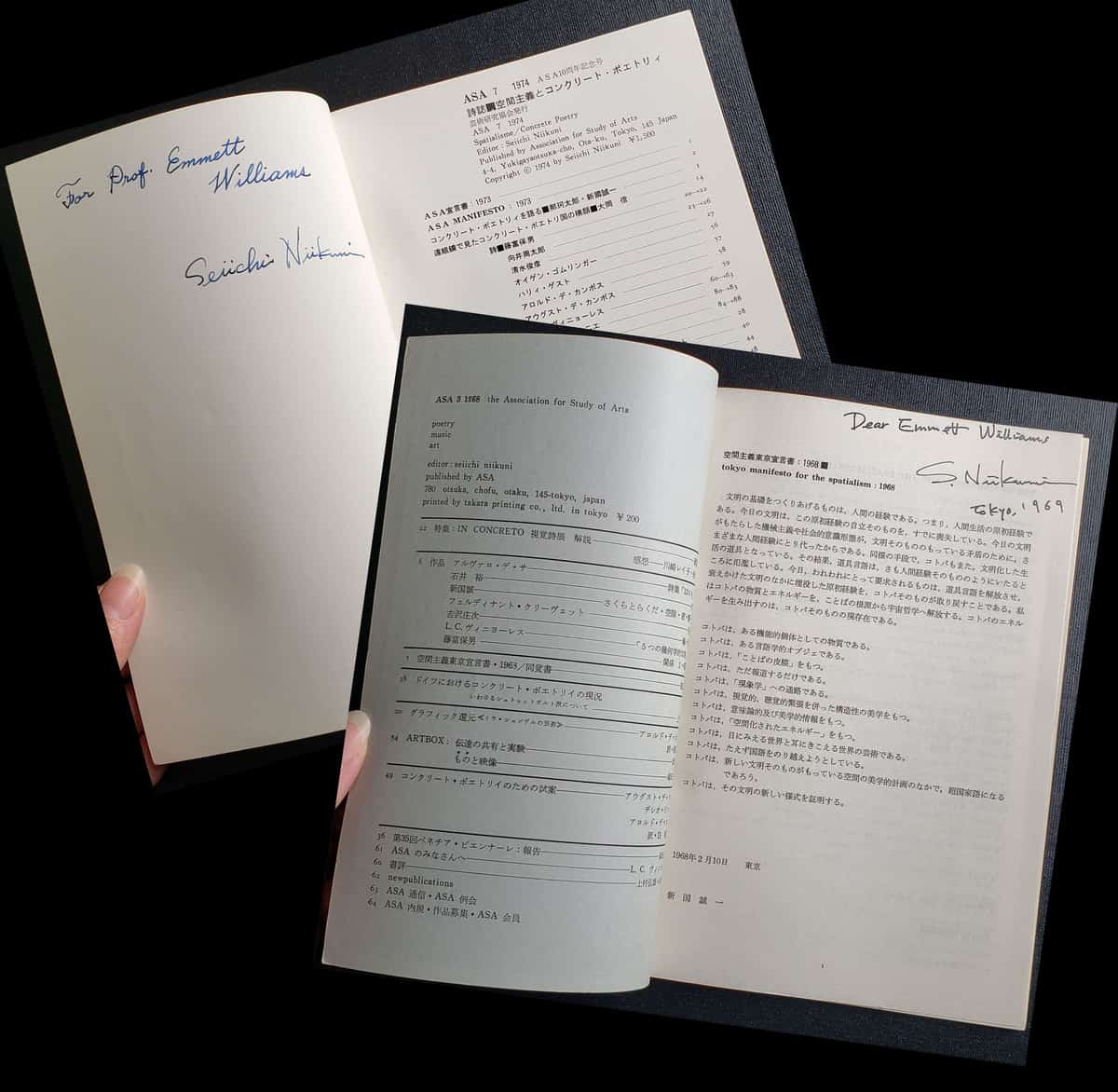
The journals contain essays, reviews, and work by luminaries Ilse and Pierre Garnier, Timm Ulrichs, Harry Guest, Bob Cobbing, Ian Hamilton Finlay, John Furnival, and Iowan Mary Ellen Solt (who edited Concrete Poetry: a World View). Two issues in the series are hand-inscribed by Niikuni to Emmett Williams, himself an icon in the Fluxus Movement, which makes our copies even more valuable, for their association with two important figures in the history of contemporary art.
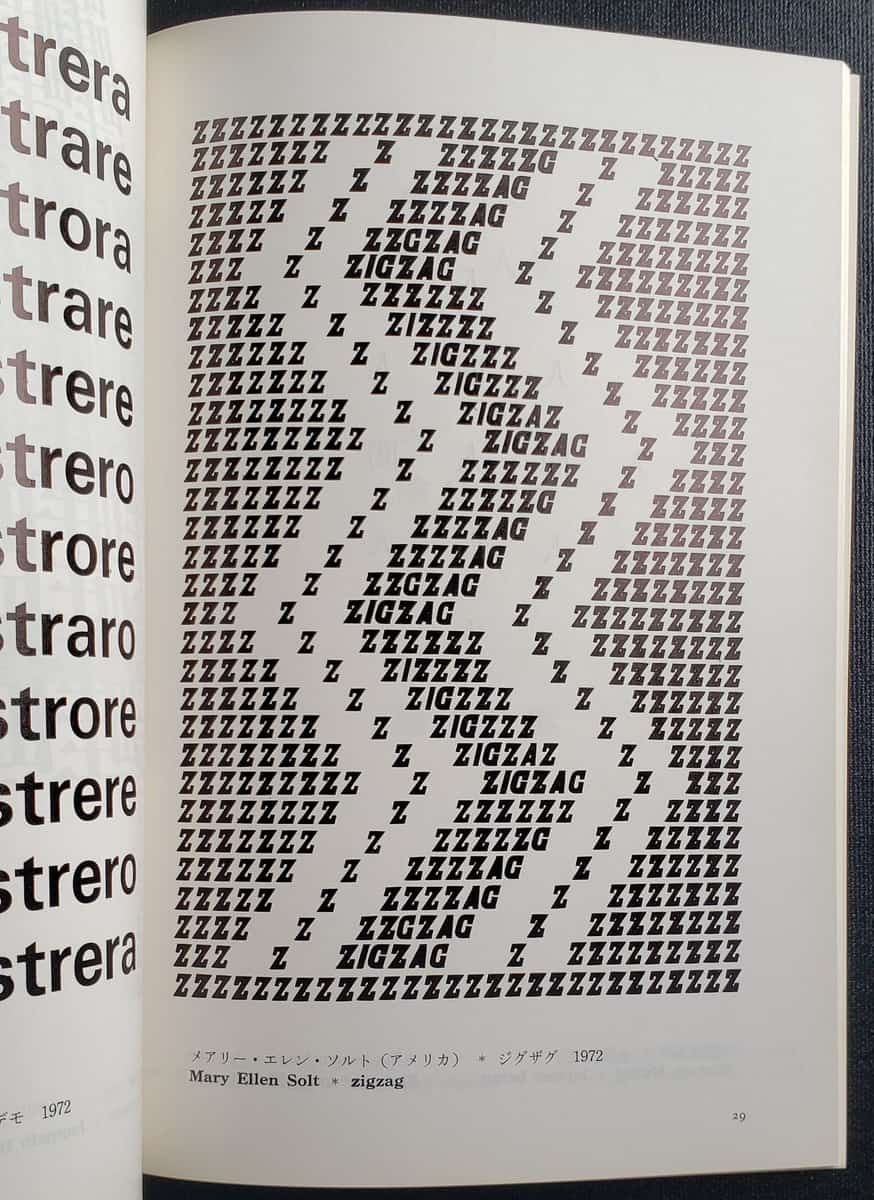
Mary Ellen Solt’s energetic “Zigzag”.
Two copies, inscribed by Niikuni to Fluxus pioneer Emmett Williams.
Four exhibition catalogues hint at the breadth of the group’s influences and impact: the 1970 exhibition featured films by Norman McLaren alongside two-dimensional visual poetry.
Interested in seeing more? The Sackner Collection will be available in January, and you’ll be able to request this material with your Aeon account.
*Our friends at the Getty Institute have a set; a full collection is not known to exist, in private or public hands, though Japanese institutional records are vague.
—-Photos by Diane Dias De Fazio, unless otherwise noted
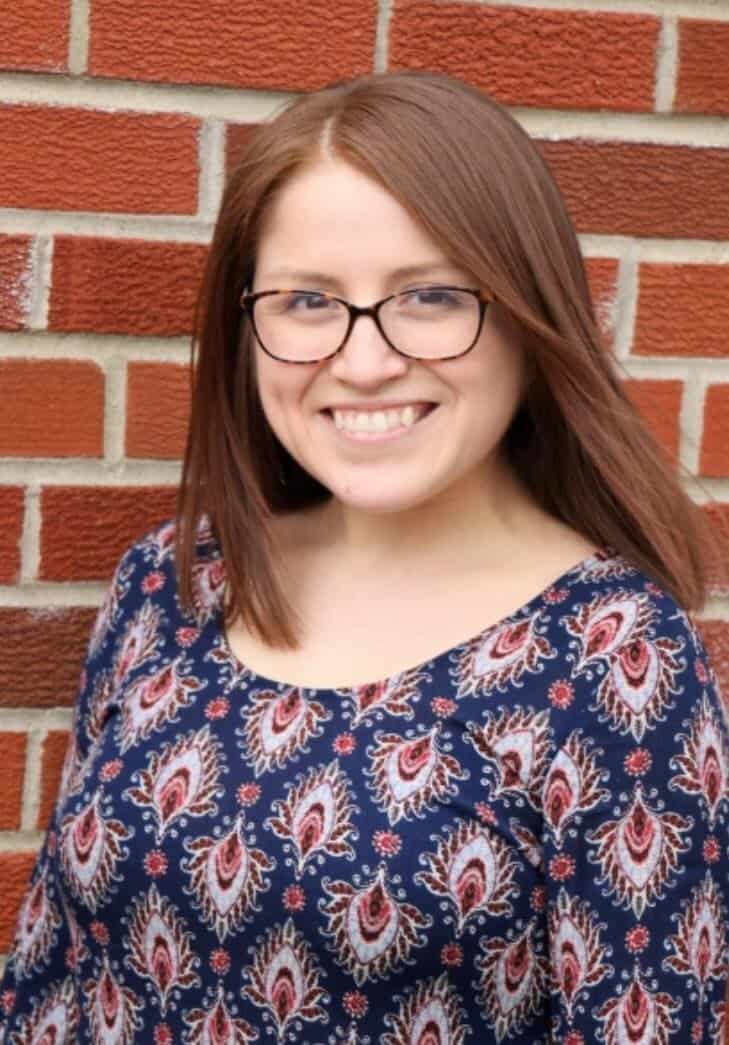
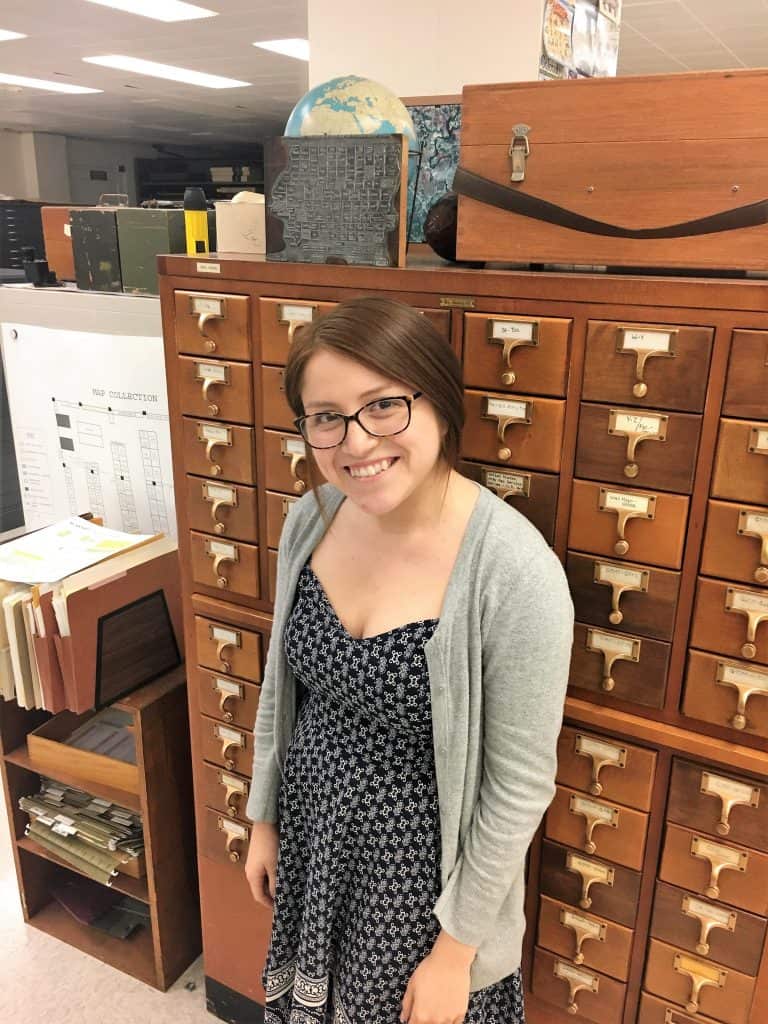
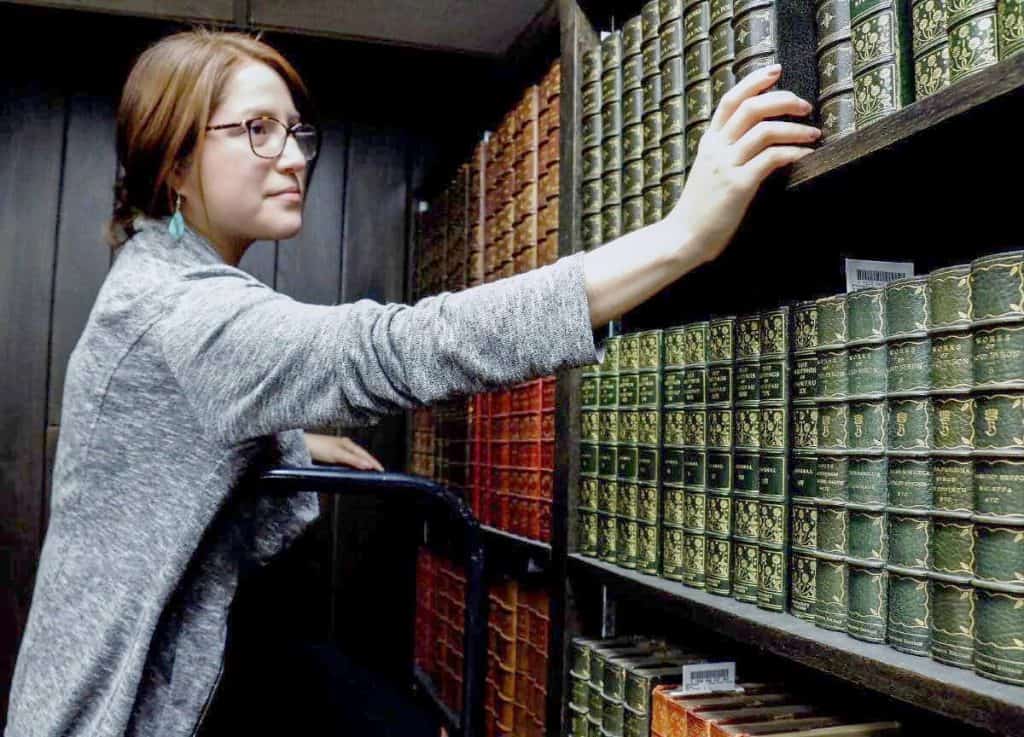
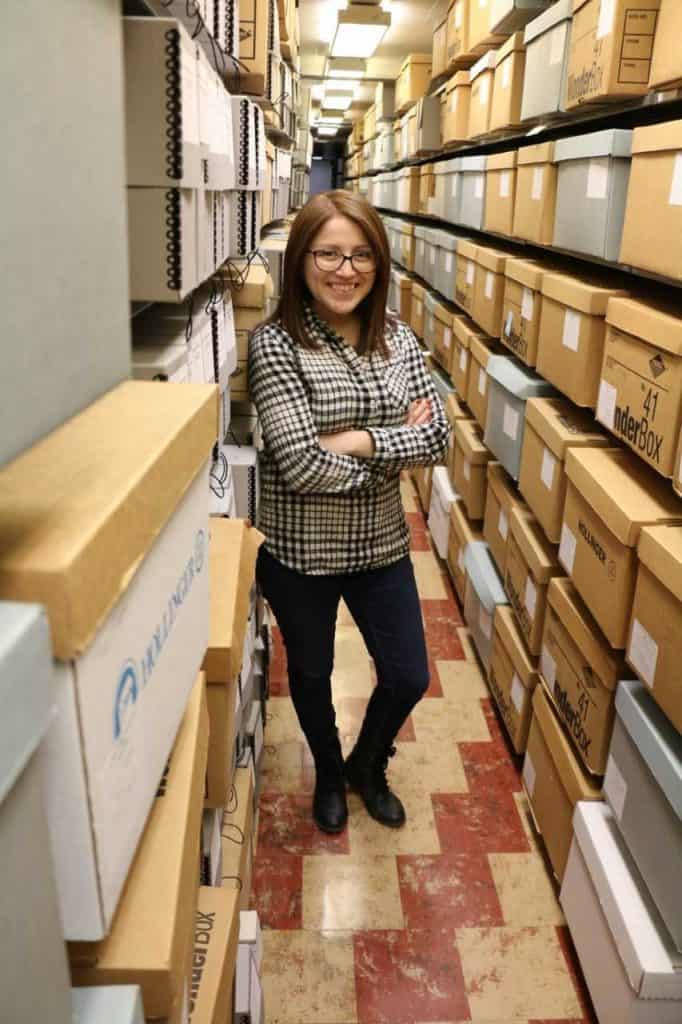
For the past two years, I have had the great fortune of learning about the inner workings of special collections and archives as the Olson Graduate Assistant at The University of Iowa Special
Collections. It’s hard to believe my time at Iowa has already come to an end. It feels like just yesterday when I arrived on my first day and was in complete awe of the amazing collections and people in the department. I remember being so utterly terrified, however, of the stacks upon stacks of materials. How would I ever figure out where something was?! It took time and, well, a library catalog. But I also relied heavily on the talented staff and students of the department to help me adjust to what seemed like a never-ending world of manuscripts, books, maps, and artifacts. I have learned so much in the past two years, and I am forever grateful to the department for their guidance and knowledge that they have graciously shared with me. Also, thank you to my friends – both old and new—and my family for your unconditional support and love over the past two years. Like former Olson Hannah Hacker’s goodbye, I have also decided to leave with my own spin on a classic song. Here is “The Stacks are Alive,” a rendition of “Prelude/ The Sound of Music.”
The stacks are alive with the sound of book carts With squeaks that they have sung for several years The books fill my heart with the sound of reading My heart wants to hear every word that appears
My heart wants to beat like archival boxes that open and close by patrons My heart wants to sigh like brittle paper from near and far places To laugh with a friend when you are working tears on the way To sing through the day like an old book cart hoping to stay
I go to the stacks when my heart is lonely I know I will hear what I’ve heard before My heart will be blessed with the sound of libraries And I’ll return once more
Thank you Micaela for everything you’ve done for this department! We wish you the absolute best in the next chapter of your adventure.
The following is a post written by graduate student Kristi Hager, who recently finished her certificate for Book Studies at Center for the Book. As a student in Dr. Jennifer Burke Pierce’s History of Readers and Reading course through the School of Library and Information Science, Hager was given the opportunity to explore and learn more about an unexpected item found in the archives.
Imagine how many pieces of paper are used each year to record population changes, business transactions, or taxes. Even in an era of digital processes and storage, many companies and individuals still rely on paper as a secure version of a document and will print hundreds of pages of records. Finding secure ways to document business is not a new process. Thousands of years ago, administrative documents were being recorded, and some still are readable today.
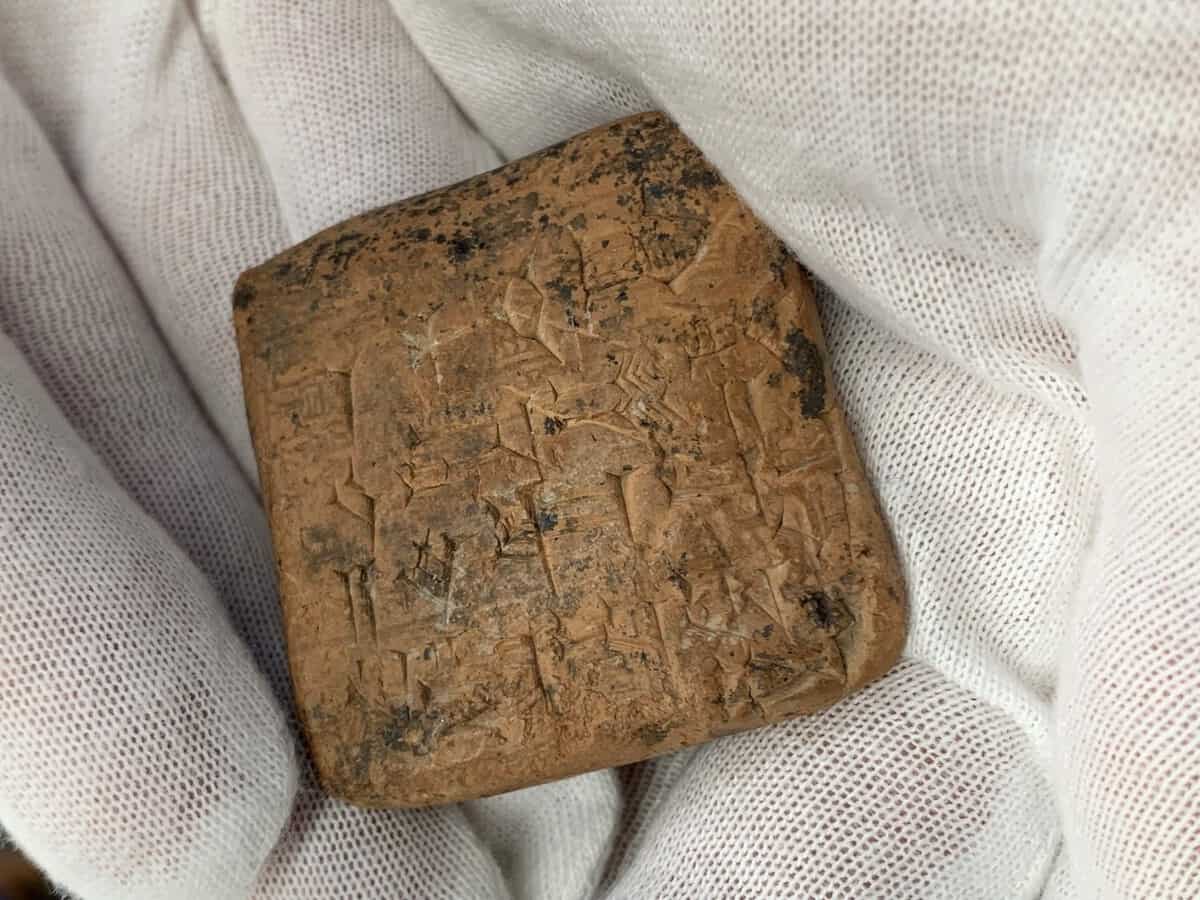
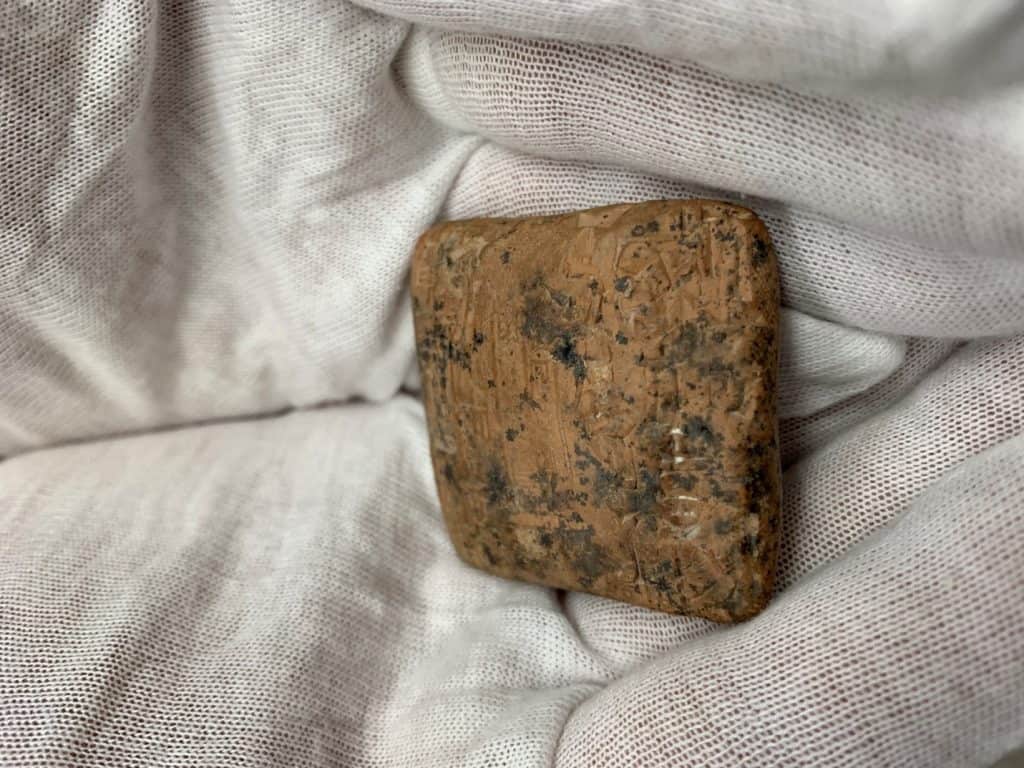
On recent visits to the University of Iowa Libraries’ Special Collections, I was drawn repeatedly to a small display box covered with grey buckram holding a single object, an object that seems so out of place among the other books and papers displayed. In an archive full of unique items, it can be tough to stand out, but this clay tablet does.
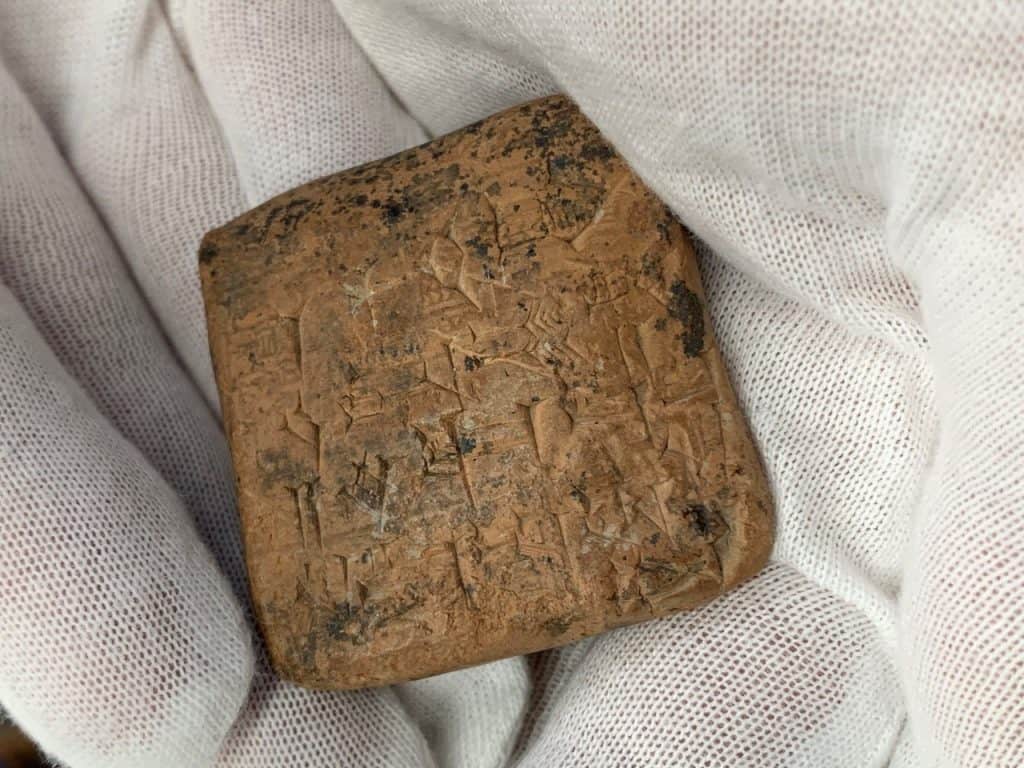
Front view of the clay tablet found in Special CollectionsBack view of the clay tablet in Special Collections
Labeled simply as “Clay tablet dated to ca. 2050 b.c., from Umma, modern Djoka,” (call number xPJ4054.U55) this lump of dried clay is the oldest item in the archive. The tablet is small and almost square, only about 1.5 inches per side and no thicker than a slice of bread. There are black markings now on the tablet, almost reminiscent of small black ink droplets. It is hard to say where these marks came from or what they are. Even the content is unusual: written in Sumerian cuneiform, the tablet is actually a receipt.
For a sacrificial offering. Of a goat.
Proof that even 4,000 years ago in the Third Dynasty of Ur in Mesopotamia, in what is today part of Iraq, administrative and bureaucratic paperwork were a common enough occurrence that documentation was necessary.
In the center of the back of the tablet, there is the seal of the scribe who recorded this transaction. He identifies himself as Akala, a son of the “chief cattle manager.” The seal is a bit difficult to see, as it isn’t as deeply inscribed as the text of the receipt.
This seal and the date next to it are also proof of the importance of administrative documentation. The name of the scribe and the year the offering was given are evidence of a population large enough that members of the priesthood who received the sacrificial goat may not have known those giving the offering on sight.
This receipt is one of thousands that still exist. According to the Cuneiform Digital Library Initiative, there are nearly 103,000 administrative texts from the same period as this one in museums and archives around the world. The Cuneiform Digital Library Initiative (CDLI) is a joint project of the University of California, Los Angeles; the University of Oxford; and the Max Planck Institute for the History of Science that sought out cuneiform manuscripts in institutions and compiled the archival information. Materials from places such as the Louvre in Paris; the Hermitage Museum in St. Petersburg, Russia; the Iraq Museum in Baghdad; the Israel Museum in Jerusalem; the New York Public Library; National Museums of Scotland in Edinburgh; and the Semitic Museum at Harvard reveal a wide range of documents. Photographs, translations, location information, age, and purpose of the document have allowed scholars access to manuscripts that may have been difficult to access due to travel and budget concerns.
And right alongside the documents from these prestigious museums is xPJ4054.U55, the clay tablet in Special Collections here at Iowa. Being able to view a document with this sort of history up close is an opportunity a casual or budding scholar may not realize is possible. But it is here, available for anyone interested in learning more about ancient cuneiform, historic manuscripts, administration records, Sumerian religion, and about any other subject you could think of, ready to be studied.
Eleanor Robson, “The Clay Tablet Book in Sumer, Assyria, and Babylonia” in A Companion to the History of the Book, ed. Simon Eliot & Jonathan Rose, 2007.
Zoë Webb is a graduate student at the University of Iowa in the School of Library and Information Science and is also pursuing a Book Studies certificate at the Center for the Book. As a student worker in Special Collections, she was recently appointed Processing Intern for the L. Falcon Media Fandom Collection. Below Zoë shares some of the amazing things she has found, as well as the experiences and lessons learned working with this collection.
This collection takes over three long tables in our stacks
Special Collections recently acquired the L. Falcon Media Fandom Collection (MsC1108). Since processing collections often require a serious time commitment, the collection’s donor also gave the library a generous gift to allow a student more time to focus on the Falcon collection and be thorough with the processing. That lucky student was me, Zoë Webb. I’ve been spending a portion of every week as a student worker in Special Collections organizing and identifying the weird and wonderful material found within this collection.
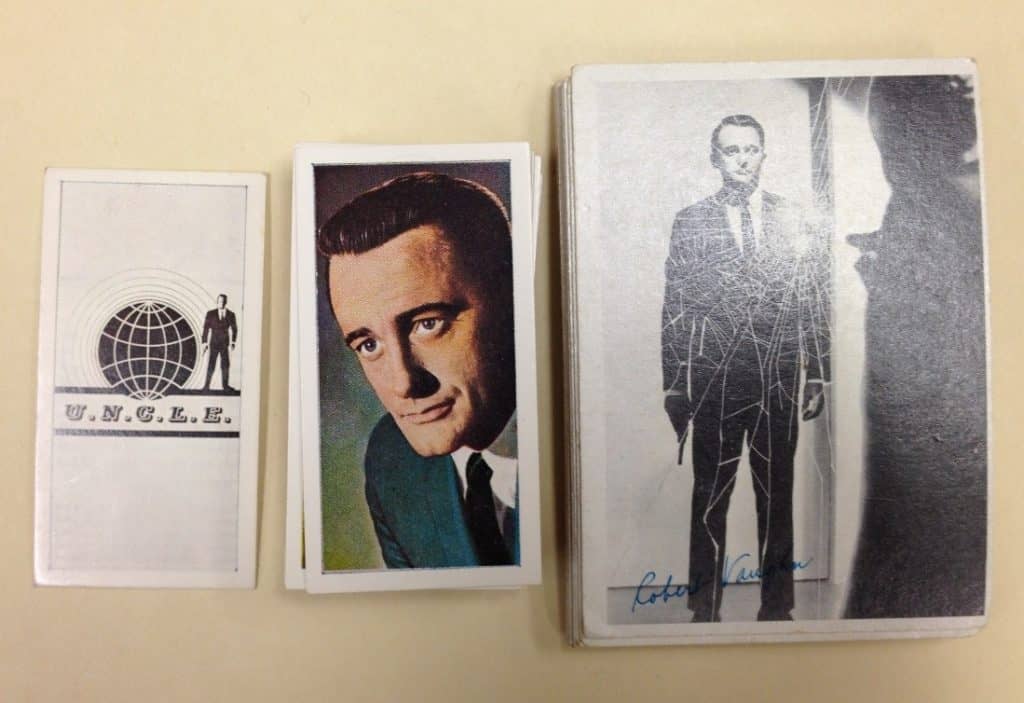
This collection consists of books and annuals, zines, fan art, article clippings, scripts, and a couple of recordings. The fandoms range from the 1960s to the 2000s, and are mostly science fiction, with some fantasy and war stories in the mix. Topics covered include Star Trek, Star Wars, Doctor Who, Blake’s 7, Fantastic Journey, War of the Worlds, Rat Patrol, Voyage to the Bottom of the Sea, Man from U.N.C.L.E., The Avengers (the 1960s British spy Avengers, not the tight-suited American Avengers that grace our screen today), The Professionals, The Sandbaggers, Buffy the Vampire Slayer, Captain Scarlet, and Due South, just to name a few.
Over the past months I have come across some great, albeit odd, gems that I’d like to share with all of you out there reading this. Below is just the tip of the iceberg of what this collection holds. Thanks to the generous donation from the Falcon family, I have been able to focus my attention on this collection, learning not only more about the world of fandom, but about the skills needed to process and sort such unique material in an archival setting. In the next month, you will be able to enjoy this collection for yourself by searching everything on ArchivesSpace and visiting us.
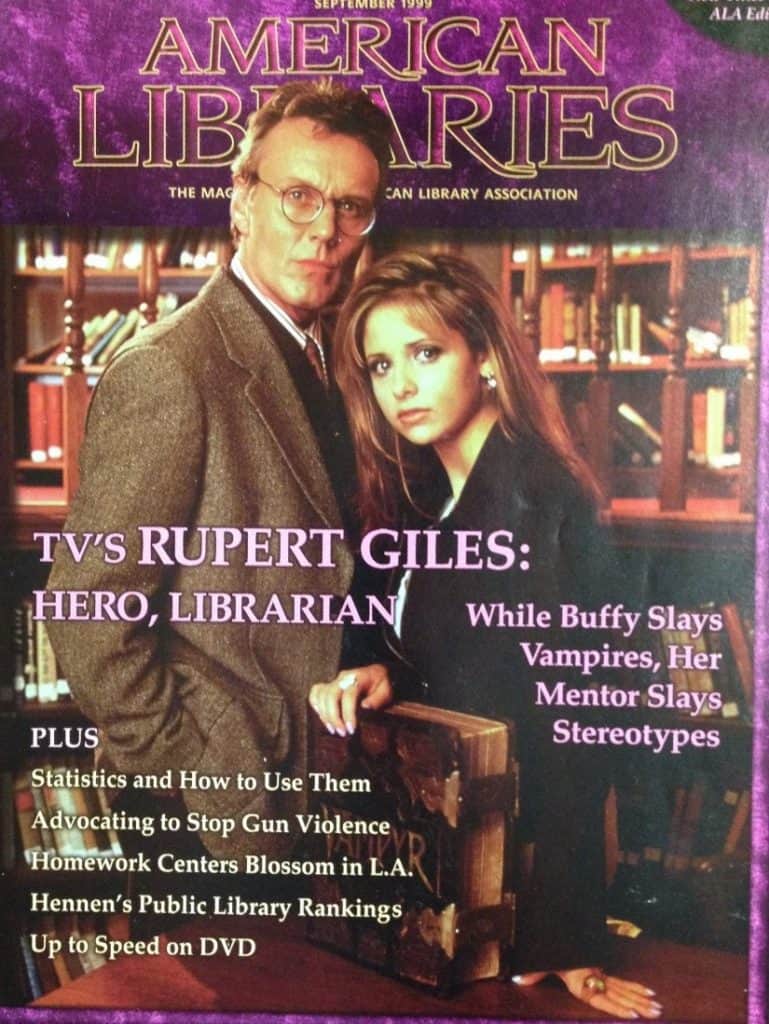
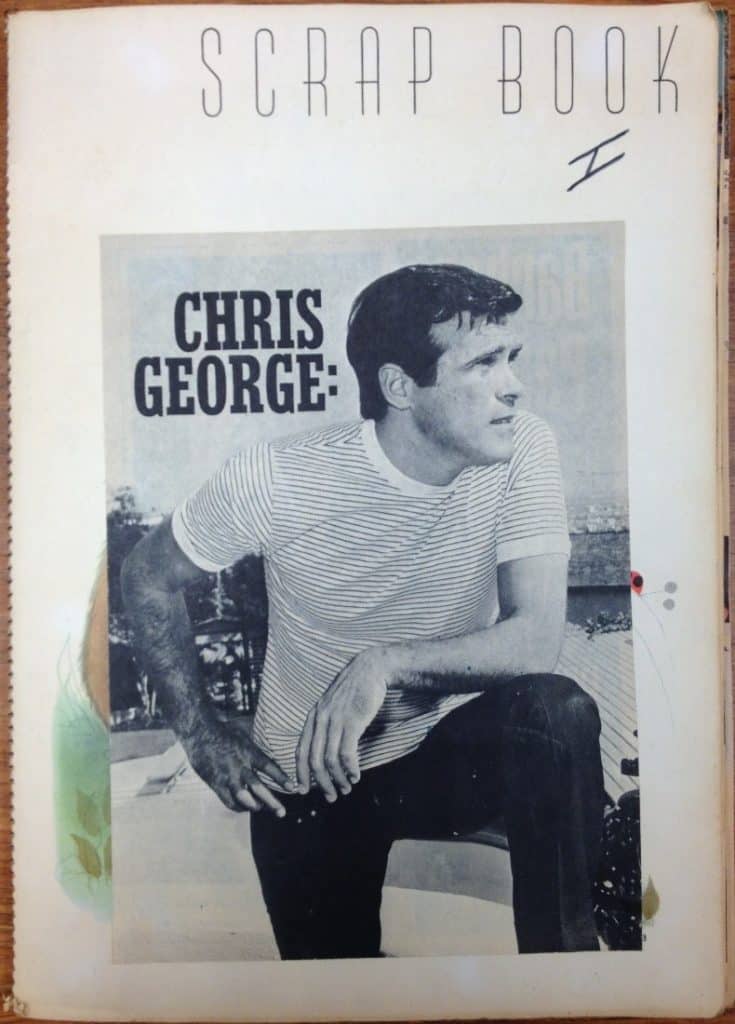
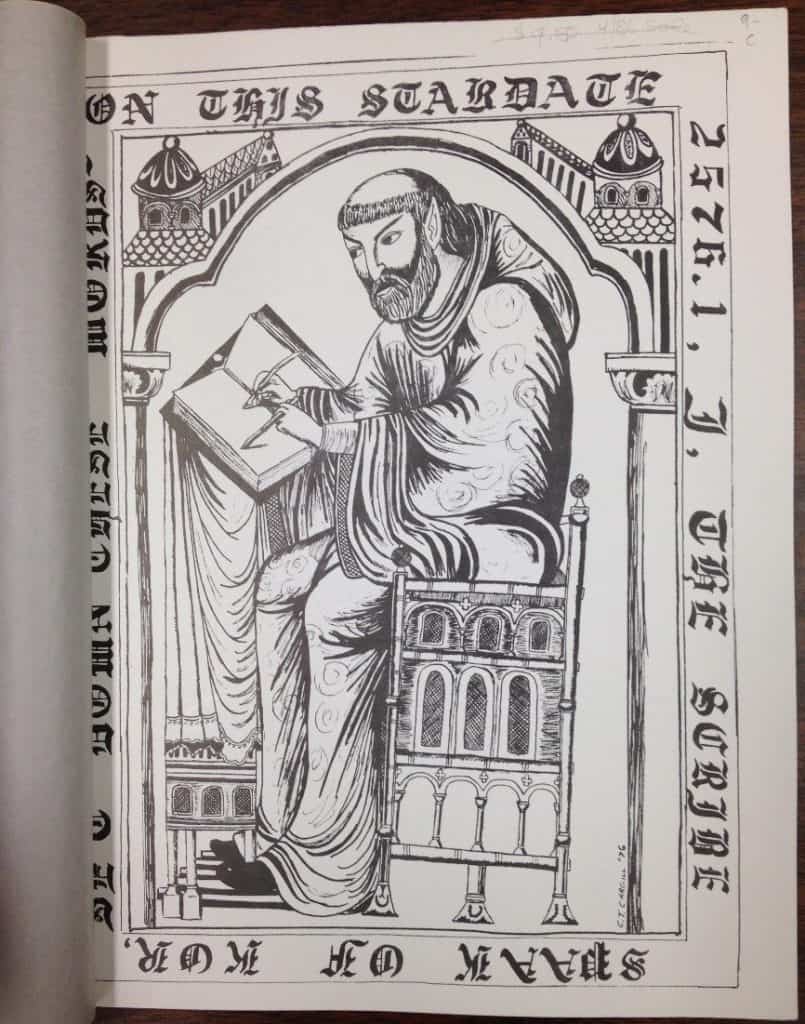
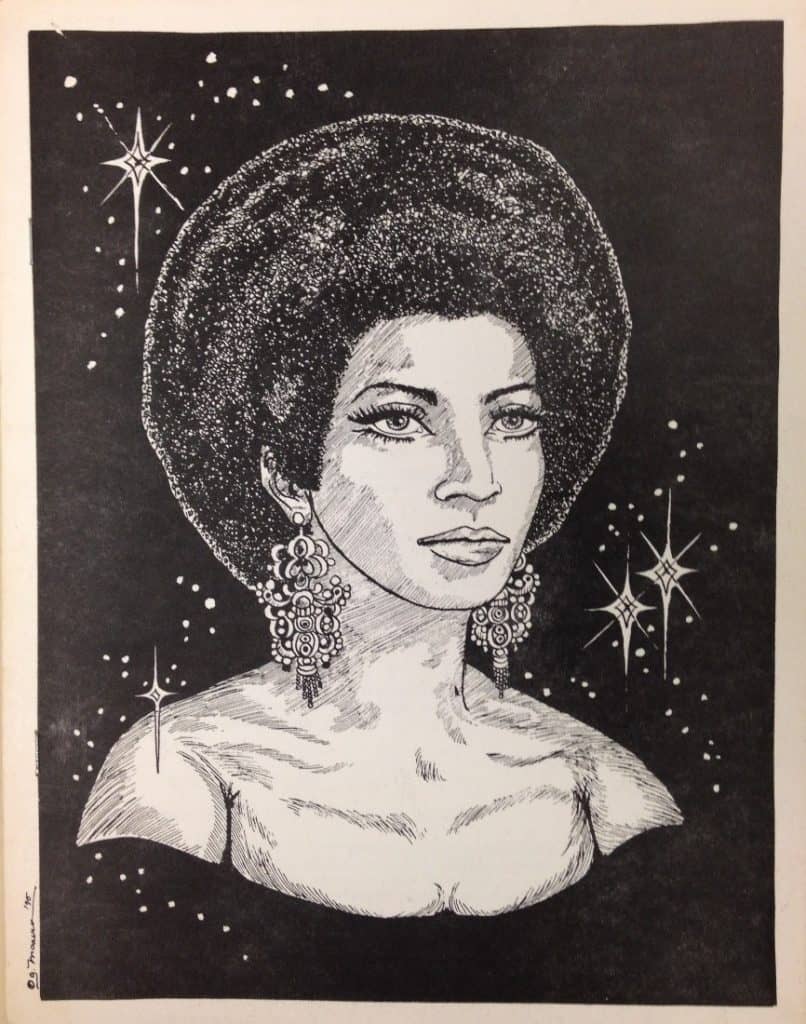
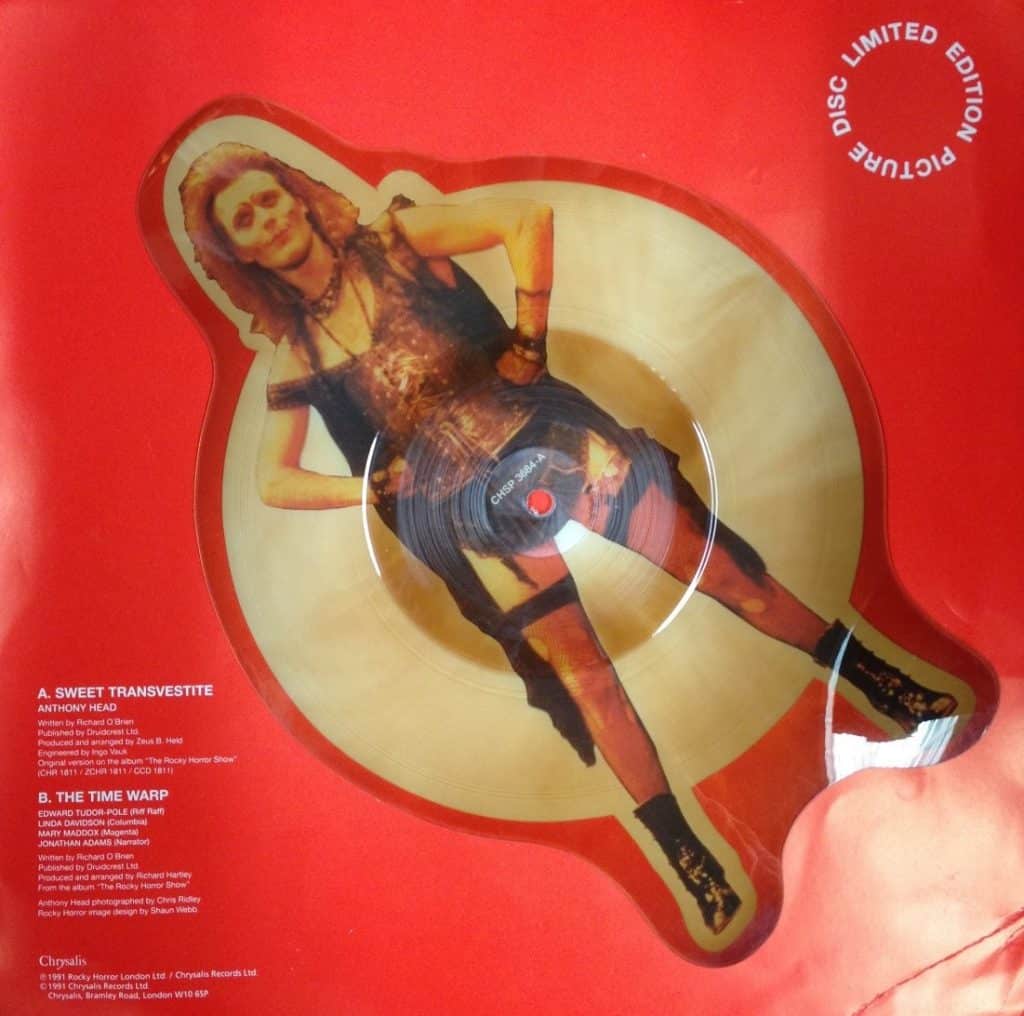
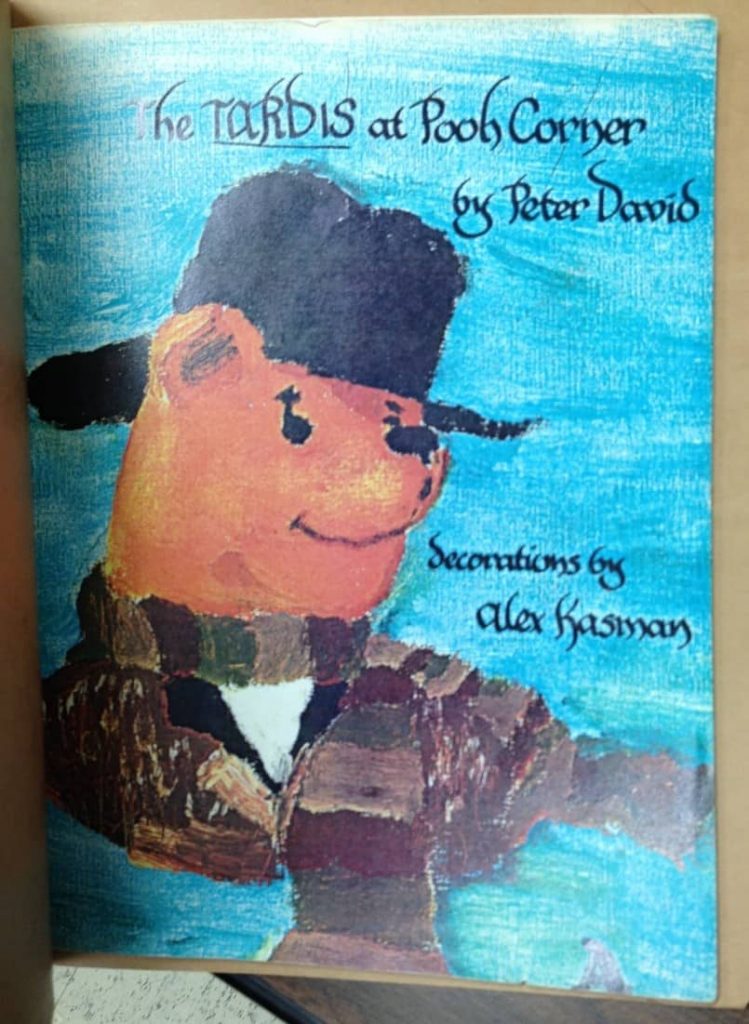
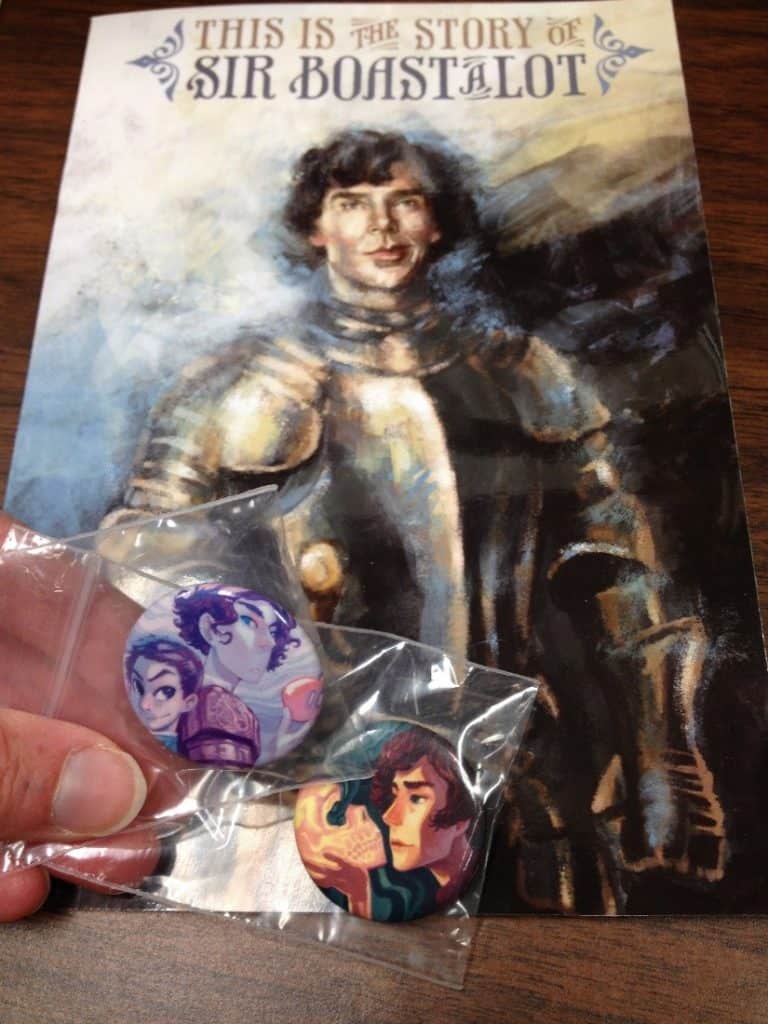
The American Library Association declared that Giles from Buffy the Vampire Slayer was “our great sage and sex symbol” back in 1999.Chris George: His Entire Dating Life: A ScrapbookThis amazing author selfie from “Sol Plus II” clearly draws from the Eadwine Psalter. As someone who loves both sci-fi and medieval manuscripts, this is so cool!“The Goddess Uhura” is an entire zine about Uhura, as is only right!Have I mentioned yet that I love Anthony Stewart Head, even in album form? I can just picture his little legs spinning round the turntable. This is absolutely charming, and I am personally excited to read about the Genesis of the Heffalumps.Sir Boast-a-Lot even comes with its own tiny buttons!Man from U.N.C.L.E. trading cards! Each one has fun facts on the back, along with a puzzle.
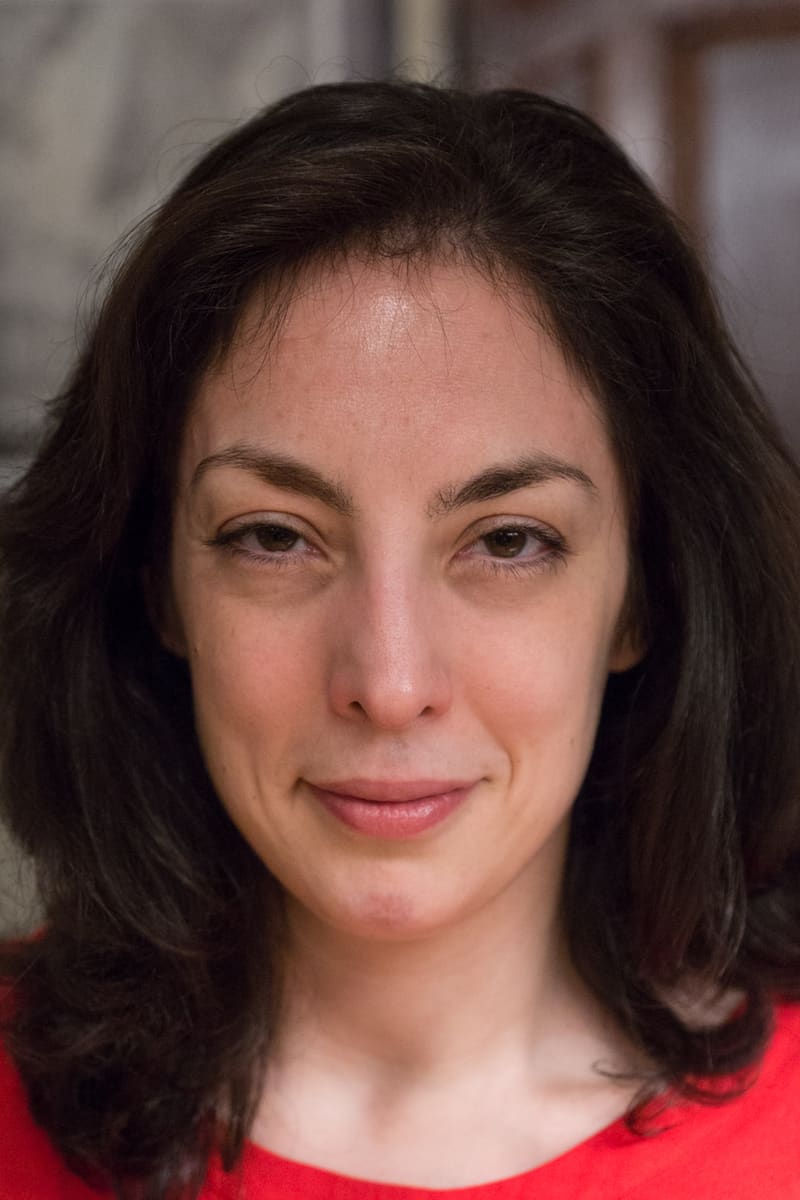
The University of Iowa Libraries is excited to announce that Diane Dias De Fazio will be joining Special Collections as the new Curator of Rare Books this July.
Diane Dias De Fazio will be joining SpecCo this July. Photo by Simen Kot
Dias De Fazio is joining us from New York, where she has been working as a librarian at the New York Public Library since 2016. Her work with the Irma and Paul Milstein Division of U.S. History, Local History and Genealogy, as well as her work with the Lionel Pincus and Princess Firyal Map Division, included outreach, instruction, and various public service duties such as reference and research consultations. She was also instrumental in running various social media outlets for the library. Dias De Fazio brings with her a strong background in book arts and more than a decade of special collections experience to the University of Iowa.
“I am deeply honored for the opportunity to work with the staff, students, and collections at UI and UICB [University of Iowa Center for the Book] and look forward to collaborations and engaging with the UI community across departments,” said Dias De Fazio.
A graduate from Fordham University in New York, Dias De Fazio received her Bachelors in Drama and History. She went on to get her Masters of Science in Historic Preservation from Columbia University, and a Master of Science in Library and Information Science with a concentration on Archives & Special Collections and Museum Libraries from Pratt Institute in New York. In 2016, Dias De Fazio was named a “Bright Young Librarian” by Fine Books & Collections magazine, and continues to actively engage in ACRL Rare Book and Manuscript Section (RBMS) Annual Conference.
Special Collections is thrilled to bring Diane Dias De Fazio on board, and we cannot wait to see what new, exciting things she brings to the department.
Every year, Special Collections hosts two Olson Graduate Assistants who have chosen to specialize in the field of Special Collections Librarianship or Archives for a two-year assistantship. These prestigious positions supplement knowledge gained in the classroom with experience gained from real-world application, balancing theory with practice.
The H. John and Florence Hawkinson Libraries Acquisition Endowment has introduced an exciting new element to this experience: in the second year of their assistantship, the Olson Graduate Assistant can now be given a budget for material acquisitions. The Graduate Assistant chooses a curatorial area of interest in alignment with collection strengths, and works with the Curator in that area to learn about the material selection process. They may attend meetings with book artists and book dealers, peruse catalogs, and search online for the right item(s). They then formally recommend items for purchase and, once the Curator approves of the recommendation, are looped in on the relevant communication. This is a spectacular learning opportunity for them, and a valuable way for Curators to remain in touch with how the next generation of librarians is approaching the work of acquisitions.
This year, Olson Graduate Assistant Micaela Terronez selected four items that will be purchased for the Special Collections department using the Hawkinson Endowment. Working with Head of Special Collections, Margaret Gamm, Micaela located materials that would either develop or fill in gaps within the collections. Below, Micaela has provided a brief description of the selected works and why she was interested in them.
Forming Common Threads
By Mari Eckstein Gower
Redmond, Washington: Mari Eckstein Gower, 2018.
My eyes were immediately drawn to the vibrant colors and structure of Mari Eckstein Gower’s Forming Common Threads. The artist’s book features beautiful watercolor paintings by the artist, as well as silk and paper threads attached to a series of words such as “inspire,” “support,” and “heal.” Gower’s work links the many stories of strong women from history in contrast to the toxic and misogynistic rhetoric she grew up with. From the Japanese Tarasen patterned papers to the modified stitched drumleaf format, I was also interested in this book because of the multitude of materials and techniques utilized in its creation.
Chronicles of a Coleopterists Strikingly Curious Swarm
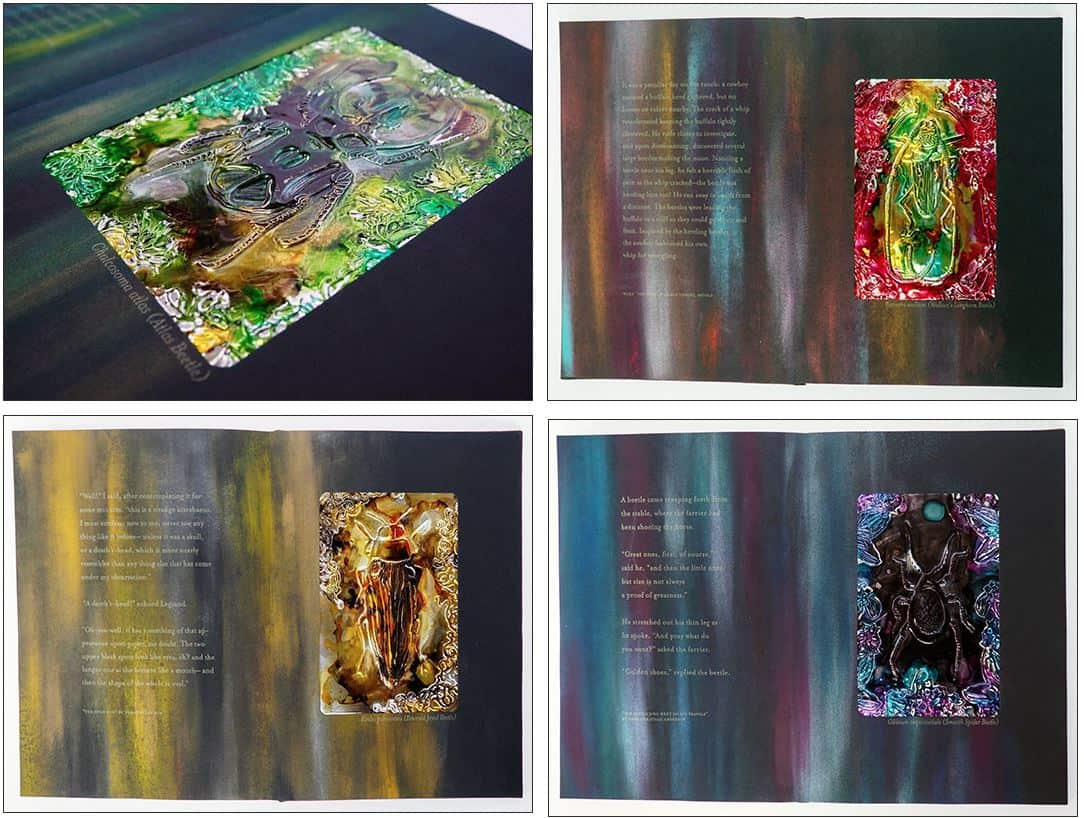
Images of Gabrielle Cooksey’s book courtesy of Vamp and Tramp website
By Gabrielle Cooksey
Tacoma, Washington: Gabrielle Cooksey, 2018.
Anyone that knows me well knows I absolutely hate bugs. Spiders, flies, beetles – I squirm at the sight of them all. Gabrielle Cooksey’s Chronicles of a Coleopterists Strikingly Curious Swarm has officially changed my mind about the beauty of these tiny creatures. Included in the artist’s book are twelve aluminum beetles with stories from the author, as well as Edgar Allen Poe, Charles Darwin, Hans Christian Anderson, and Aesop. The book, bound in Cave Paper, was meant to mirror a research field guide. Perhaps one day I’ll have the courage to do my own research on insects. Until then, I think I’ll stick to examining and admiring them from afar with the help of Cooksey’s work. The book will certainly be an enchanting addition to the artists’ books collections.
By Alex Appella San Antonio de Arredondo, Córdoba, Argentina: Alex Appella, 2018.
I am not a native Spanish speaker, but the language certainly carries an emotional connection to my roots and upbringing. Some of my earliest memories of Spanish, for example, originate from daily experiences with my grandparents. One Day · Un Día by Alex Appella utilizes bilingual text (Spanish, English) and a collage of family photographs to document the last day of her grandfather’s life and the last days of her mother’s life. By interweaving family and language, Alex Apella’s work recalled memories of my childhood with my grandparents – both living and passed. When I first arrived at Iowa, I had a difficult time locating bilingual, visual works in Spanish and English. Now, I hope that this work will supplement research, teachings, and emotional reunions.
As a humanities-focused graduate student, I rarely have the opportunity to truly explore the sciences. Mathematics, in particular, has never been my strongest point. Anyone else still count with their hands, or is it just me? Whether you are a science enthusiast or not, Enumerations by Stephanie Gibbs will allow you to consider the interesting intersections between the sciences and humanities. Designed within a clamshell box, the artist’s book includes different forms of memory and computing. A slide rule, memory diagram, diskettes, and Trigonometry screenprints are just a few of the interesting components. Enumerations also includes Ada Lovelace’s description of Charles Babbage’s Analytical Engine. I’m incredibly excited to add another bookwork representing women in science to the collections.
Hailed as “America’s poet” by poet Ezra Pound and others, Walt Whitman is a familiar name to most Americans, even if they haven’t read his most famous work Leaves of Grass. Even 200 years after his birth, Whitman finds himself the center of countless research questions and an inspiration for modern writers. For someone who starts one of his famous poems with “I celebrate myself, I sing myself,” it only makes sense that the University of Iowa Libraries follow suit and take time to celebrate Whitman’s legacy with the exhibit Walt Whitman: A Bicentennial Celebration.
Leaves of Grass (1855) : picture from The Walt Whitman Archive website
Curated by Stephanie Blalock, a Digital Humanities Librarian, James O’Neil, a Ph.D candidate in English, and Ed Folsom, a professor of English, this exhibit aims to highlight Whitman’s life through his early works of fiction, as well as his famous editions of Leaves of Grass.
“What we’re going to have on display here is just the tip of the iceberg in our collection, really,” O’Neil said.
All three of the curators have a different focus when it comes to Whitman’s life. This aided to the curation of the exhibit, as each curator was able to fill in specific gaps of knowledge about the poet’s life.
This exhibit has been in the works since 2016. With the vast amount of resources available about Whitman through the Whitman Archive and the holdings at University of Iowa Libraries’ Special Collections, the exhibit looks at several versions of his notable work Leaves of Grass, including a first edition. However, the curators also want to focus on his fiction, journals and old age prose.
“Whitman is generally remembered as the author of Leaves of Grass, but not as a fiction writer,” Blalock said. “He actually got his early start in the early 1840’s when he was about the age of some of our undergraduates here, writing for newspapers as a journalist and writing fiction.”
There will also be a connection to Iowa. The University Press reprinted several of Whitman’s political pamphlets he wrote after the Civil War, so there will be a case about Iowa, as well as other references sprinkled throughout the exhibit. The curators also stress looking at the screen outside of the exhibit entrance. The screen will have different artwork and interactive maps to give viewers more areas of exploration outside of the exhibit space.
Walt Whitman: A Bicentennial Celebration will open April 5th and there will be a talk in the exhibit space from 3:30-6:00 by curators Stephanie Blalock and Ed Folsom that day. Their talk will kick off a series of events to take place throughout spring and the beginning of summer. The schedule of Walt Whitman Symposium Events can be downloaded through the link.
Exciting news from University Archivist, David McCartney, about the incredible recordings found in the Eric Morton Civil Rights Papers.
In 1963 and 1964, attorney Bob Zellner recorded a series of interviews with civil rights activists in Mississippi and Alabama. Zellner conducted the interviews on behalf of the Student Nonviolent Coordinating Committee (SNCC) in an effort to document the activists’ experiences, which were often under challenging and violent circumstances.
The interviewees participated in the Mississippi Summer Project in 1964, later to be known as Freedom Summer, a drive to register African Americans in the Magnolia State to vote. For decades, attempts by blacks to register at county court houses across the state were met with intimidation, harassment, and even violence. Freedom Summer was an organized response to this situation, with activists from across the U.S. participating, including over 800 college and university students. Among them were about a dozen students from the University of Iowa.
Freedom Summer: Photo from the Ted Polumbaum collection at Newseum
Why Mississippi? At the time, only seven percent of eligible black adults in the state were registered to vote, the lowest rate in the nation. SNCC, the Council of Federated Organizations, the NAACP, and other civil rights organizations targeted Mississippi for this effort due its discriminatory Jim Crow laws and practices. In response to this, the Voting Rights Act of 1965 was passed by Congress and signed into law by President Lyndon B. Johnson the following year.
Eric Morton in 1951: Photo from Eric Morton Civil Rights Papers
The interviews are part of the Eric Morton Civil Rights Papers (MsC 0999). Morton (1934-2015), a native of Detroit, Michigan, and a U.S. Army veteran of the Korean Conflict, held various positions with SNCC from 1962 to 1966 in Georgia, Mississippi, Alabama, and North Carolina. He was Materials Coordinator for Freedom Summer and later served as Project Director for the North Carolina Project, which covered nine Black Belt counties. After this he worked to elect black officials including John Conyers and Ron Dellums to Congress and Coleman Young as mayor of Detroit.
In 1968 Morton worked with a group of local activists to organize the 1969 National Black Economic Development Conference where James Forman presented his historic speech, “The Black Manifesto.” In later years, Morton worked as an International Organizer for AFSCME organizing hospital workers and housekeepers in northern California and UC Berkeley. Later, his academic career included the position of Associate Professor of Philosophy at Fort Valley State University of Georgia.
Eric Morton donated his papers to the University of Iowa in 2014, in large part because of his friendship with Stephen Smith (1944-2009), a University of Iowa student from Marion, Iowa. Morton and Smith worked together in Mississippi during Freedom Summer; both were assaulted by white supremacists on the night of July 15, 1964 while delivering voter registration materials from Jackson to Greenwood.
More about how the Eric Morton papers arrived at Iowa is here.
Listen to the interviews from these activists and other recordings from Morton’s collection below:
The great thing about artists books is that it shows us the various shapes, sizes, and textures that books can come in. Publishing companies, who also vary in shapes and sizes, help get these books out into the world for everyone to enjoy.
Curated by University of Iowa Professor Jennifer Buckley, Seeing Seeking Feeling Reading: Granary Books is an exhibit highlighting the book’s flexibility as a concept and as an intellectual and sensory experience by exploring the works published by just one company, Granary Books.
Granary Books is an independent publishing company in the United States and one of the proprietors is a University of Iowa graduate, Steven Clay. Clay graduated with a Bachelor’s in English and Religion in 1978. He describes Granary’s mission as “exploring the relationships between seeing and reading, reading and seeking,” which is where the name of the exhibit comes from.
The exhibit will feature Granary editions all organized into three categories: limited edition artists’ books, writer/artist collaborations, and books about books.
“These Granary Books live on the third floor in Special Collections, but many library patrons don’t know that they exist, or where to access them,” Buckley said. “The Main Library Gallery is a wonderful publicly accessible and beautiful site in which to share the riches of Special Collections.”
Buckley was able to work with Clay and library staff, including Exhibition Designer Kalmia Strong and Head Conservator Giselle Simón, in order to make this exhibit happen.
Seeing Seeking Feeling Reading: Granary Books will be open to the public on February 1 until March 15 on the first floor of the Main Library.
In addition to the exhibit, Cecilia Vicuña, a multidisciplinary artist-activist who makes poems, paintings, installations, books, performances, and films, is coming for a lecture on February 14 at 7:30 p.m. in 240 ABW and she will be doing a poetry reading on February 15 at 4:30 p.m. at the Dey House.
Steven Clay is also coming to give a lecture about the publication and materials in the Main Library on February 15 from 3 p.m.-4 p.m.
“I want viewers to leave the exhibit reminded that books come in many forms and formats, and that viewing is not all we do to or with them,” Buckley said. “Readers can interact with books in multiple ways while using multiple senses. Exhibitors should come back to Special Collections to see, hold and feel Granary Books for themselves.”