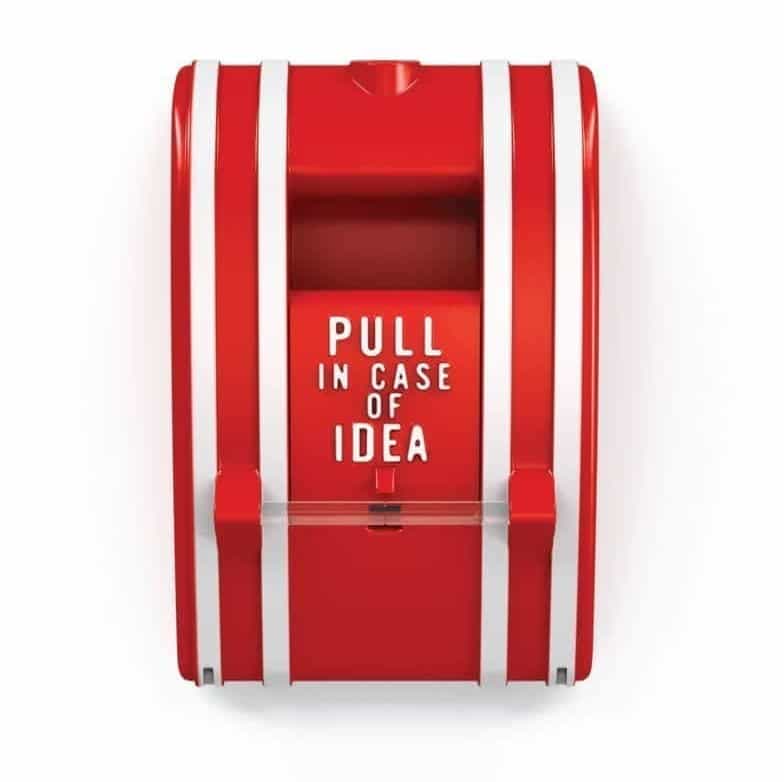
Hey students! Are you interested in giving your idea, project, or invention a kick-start? Want to make that project a reality?
Don’t miss out! Today, Oct 25, 2019, 11:59 PM (CT) is your LAST chance to submit your idea for the
Creative Kick-Start Program!
The program is designed so engineering students (undergraduate and graduate) may request funding to pay for prototyping and/or finishing projects – using the services offered through ETC and the Library Creative Space. The Creative Kick-Start Program is a collaboration between The Engineering Library and the Engineering Technology Center (ETC).
There will be ten $500 awards!!How exciting is that!?
Since there will only be 10 awards, this is a competitive process!
Briefly, any graduate or undergraduate engineering student may apply for a Kick-Start award. You come up with an idea which can be completed in roughly 3 months, find a faculty or staff sponsor, complete an online application form, attend an in-person workshop (approximately an hour), hand in a progress report, and present your project in April!
There are a few requirements which include (but aren’t limited to) keeping receipts and a record of all expenses (a budget spreadsheet template will be be provided). A post-project survey of the Kick-Start program will also be required.
There are a few restrictions, one of which is you may not already be receiving funding for this project from any other source. There can only be one idea per submission and a student may only be the primary investigator on one Kick-Start per year. Students may be co-investigators on more than one project.
Check the Kick-Start webpage for all the information you need – and get your proposal submitted TODAY!!
The funds for this project are generously provided by the Engineering Technology Centers.
Application Review Committee is Kari Kozak (Head, Lichtenberger Engineering Library), Jeff Nock (Entrepreneur in Residence/Lecturer, John Pappajohn Entrepreneurial Center), and Spencer Stumpf (Inventions Manager, UI Research Foundation).
We look forward to seeing your projects and working with you to make them a reality!
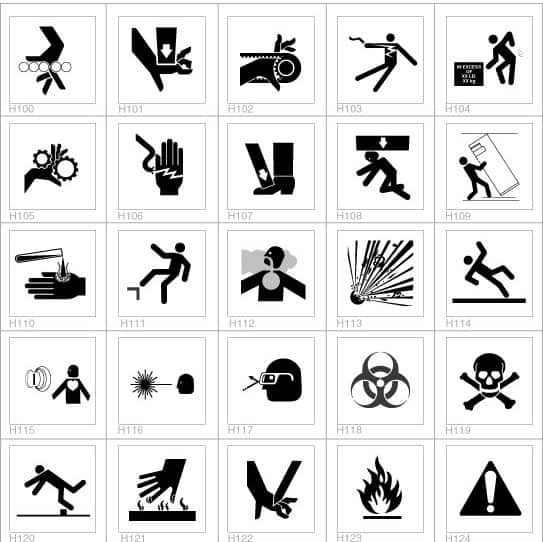
Standards: Guides and Regulations for Building and Testing
Tuesday, October 29th; 5:00 PM
Engineering Library Creative Space
From medical devices to concrete in walkways, standards are part of our everyday life. This workshop will allow you to gain an introduction to standards and specifications. You will learn about standard that are both government mandated as well as voluntary.
The library provides access to over 100,000 standards including ASTM, ISO, ADA, NFPA (Fluid), and the U.S. Code of Federal Regulations.
This workshop will be taught by Kari Koazk, Head, Lichtenberger Engineering Library.
The workshop is FREE, but space is limited! Register now! Go to our website to learn about all our free Learn & Create workshops!!
Individuals with disabilities are encouraged to attend all University of Iowa-sponsored events. If you are a person with a disability who requires a reasonable accommodation in order to participate in this program, please contact Kari Kozak at kari-kozak@uiowa.edu in advance of the event.
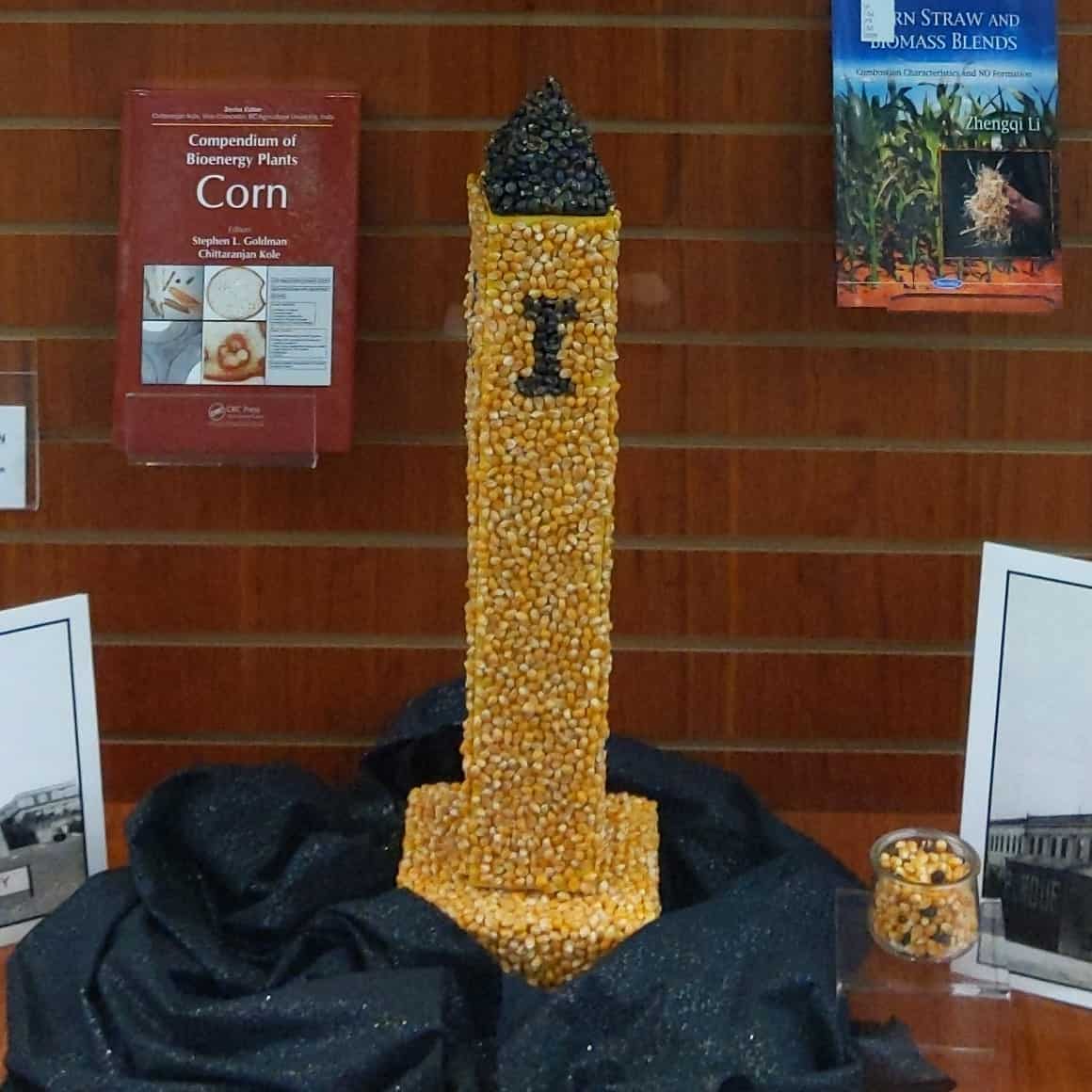
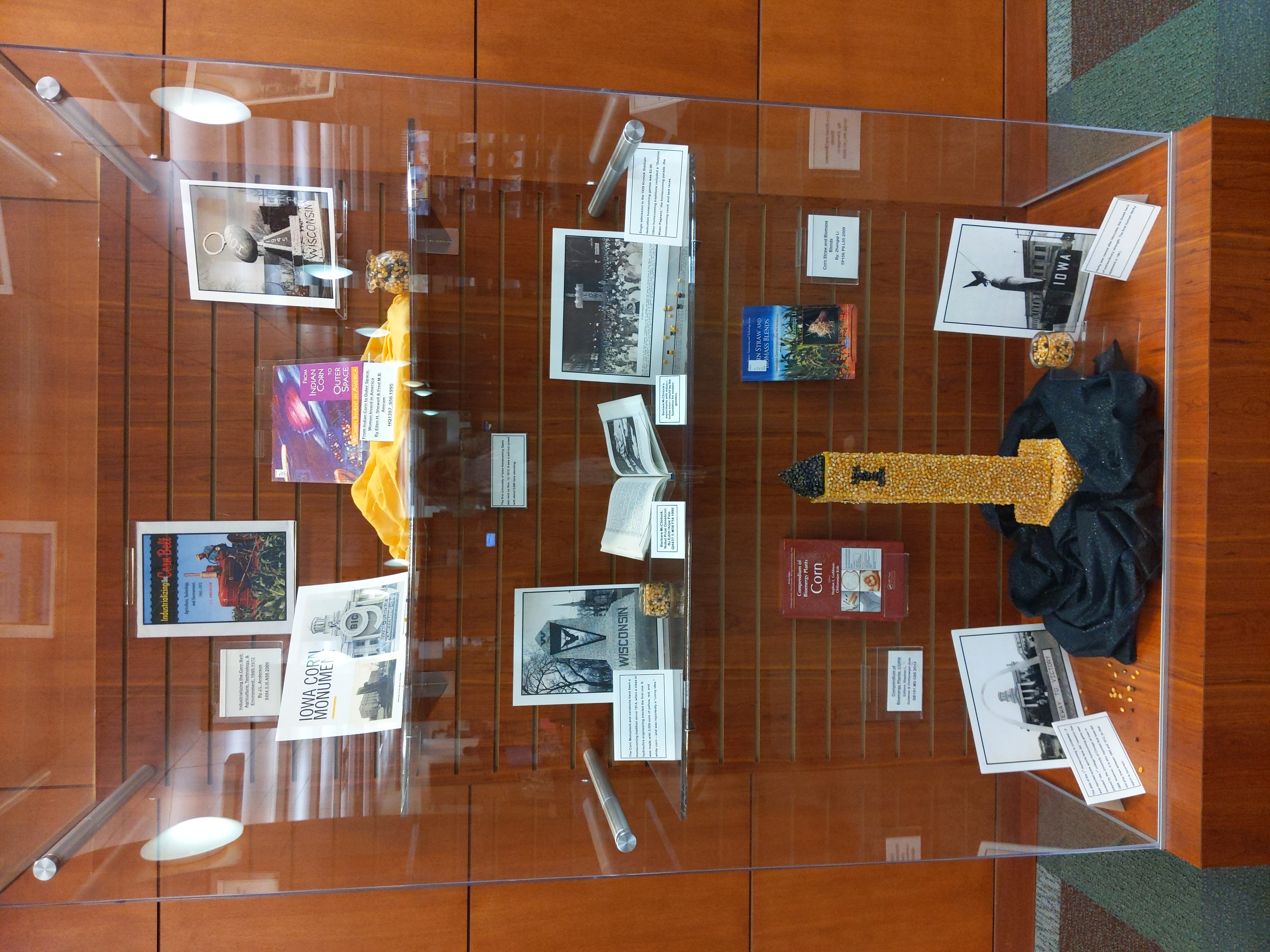
What would Homecoming be without the Corn Monument? The Corn Monument has been part of the Hawkeye Homecoming tradition off and on since 1913. Or 1914, depending on what you are reading! According to Irving Weber, Iowa City & University of Iowa Historian, the first homecoming was held in 1912 when the Hawkeyes played the University of Wisconsin. It has also been said that the first homecoming football game was in 1910 with the University of Illinois. Many of the resources list the first Corn Monument being constructed by a “class in hydraulics engineering” in 1914. However, according to a 1913 Daily Iowa article, Applied Sciences students, with help from B. J. Lambert, Professor of Structural Engineering, designed and built an arch that crossed the street in front of the engineering building that year. The arch said “Get Ames” and after UI won the “e” was changed to an “o” – “Got Ames!”
The Corn Monument tradition continued until the 1960s when interest waned. It came back again in 1981 and appeared sporadically until 2014. It’s been a constant since then.
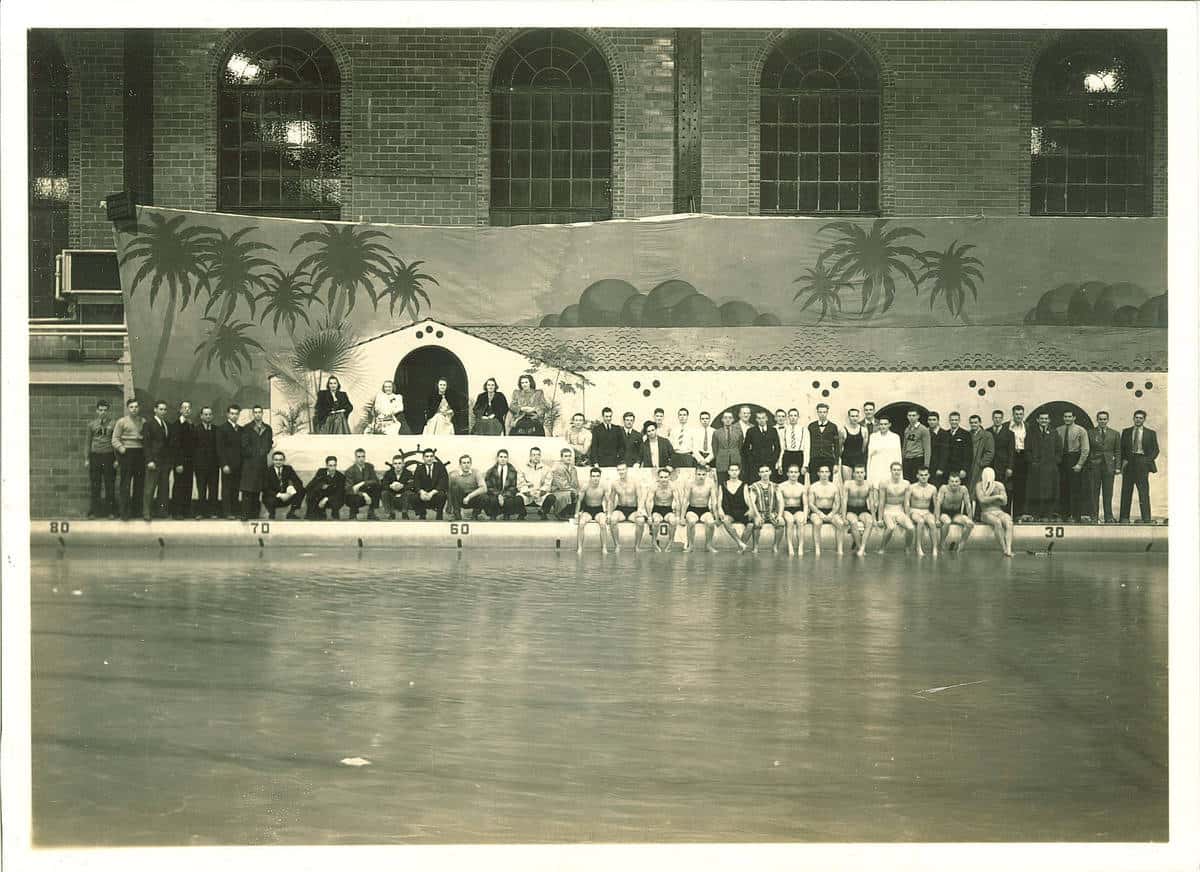
Dolphin Follies, October 1939.
The University of Iowa’s Homecoming Week is full of rich traditions. The football game (did you know that Herky was named after Hercules, the God of extraordinary strength?), the parade, the court of the King and Queen are all still part of the festivities in 2019. In past years there was also a “Dolphin Water Pageant.”
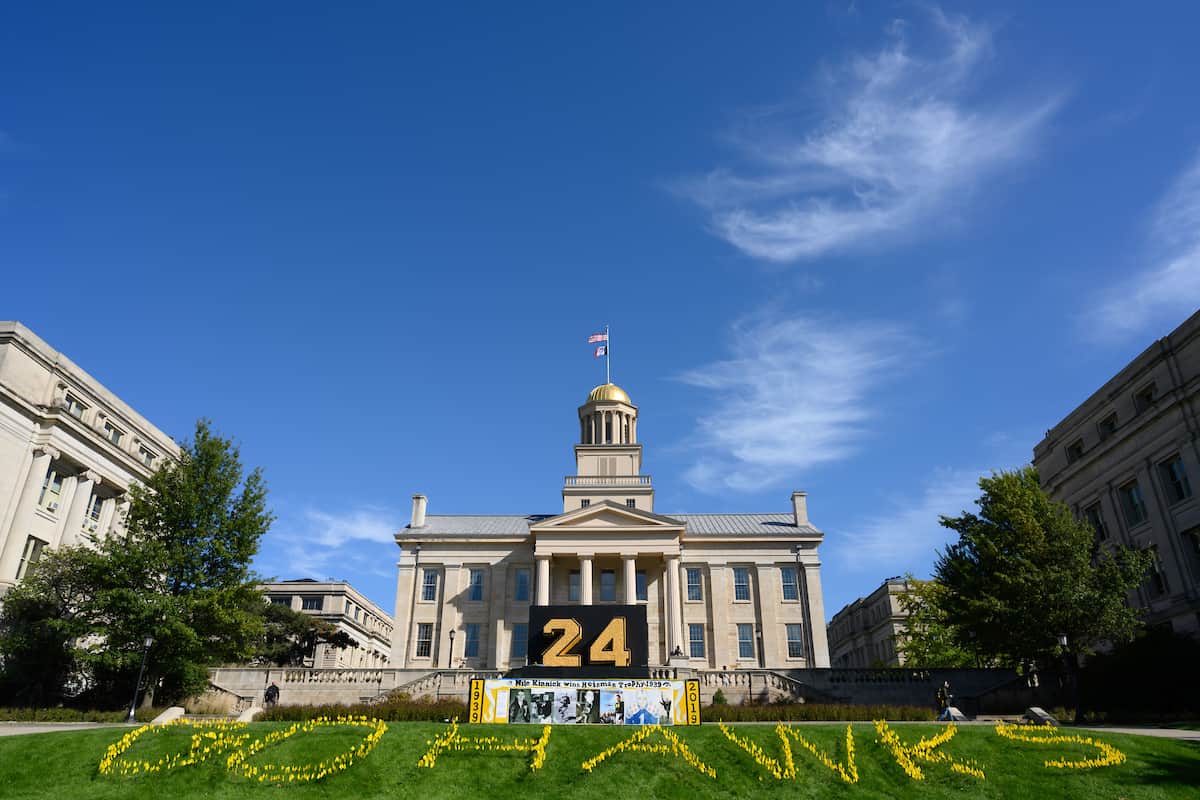
This year’s Corn Monument honors the 80th anniversary of Nile Kinnick’s Heisman Trophy win. He is the only Hawkeye to win the Heisman Trophy. His jersey number was #24 and was retired – only two numbers have been retired. When you are out celebrating homecoming this week, stop by the Corn Monument located on the west side of the Old Capital Building – and stop in to our library to check out our exhibit!
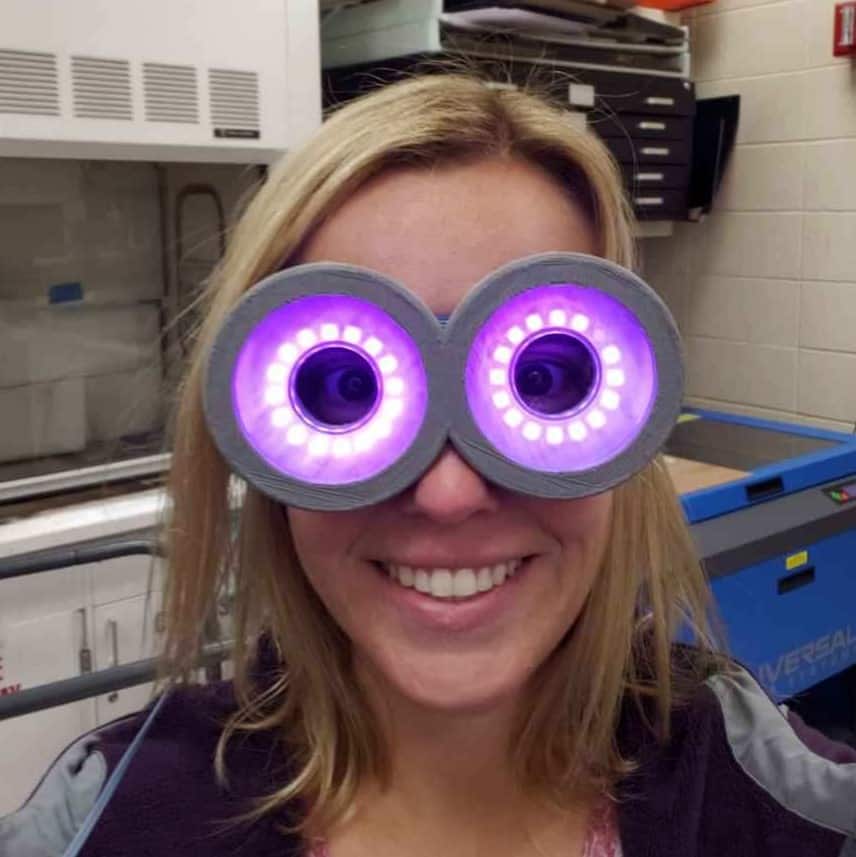
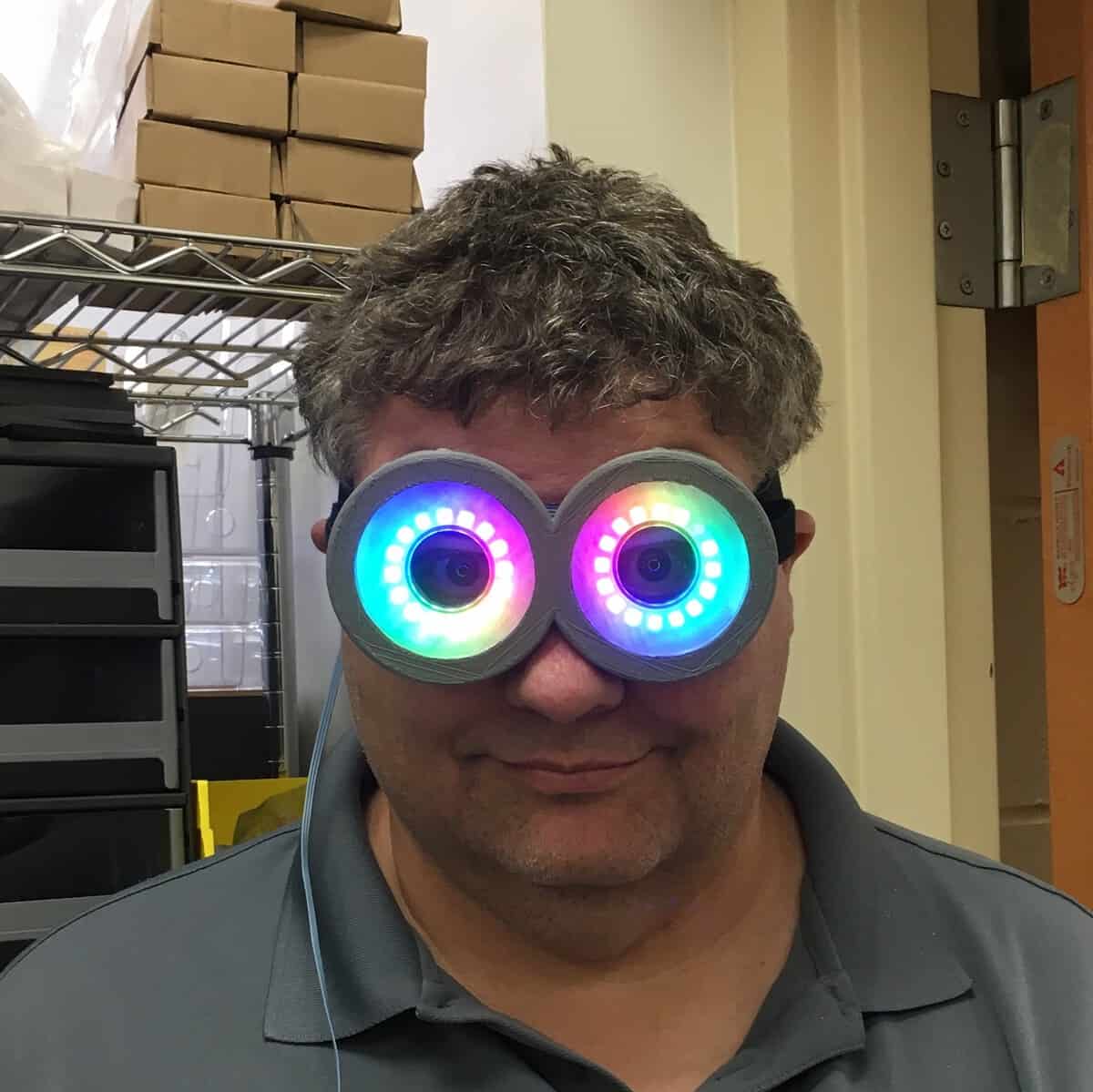
Thinking about that Halloween costume? Our Learn & Create Halloween Costume Design workshop is here to help! Learn quick and easy ways to spice up your Halloween costume! Incorporate nano pixels, lights, and sound into your costume!
Jahn Kostman, Engineering Electronics Shop, will show you how!!
Halloween Costume Design
Tuesday, October 22nd; 5:00 PM
Engineering Library Creative Space
This workshop is FREE, but space is limited, be sure to register now!! Go to our website to learn about more of our Learn & Create Workshops!
Individuals with disabilities are encouraged to attend all University of Iowa-sponsored events. If you are a person with a disability who requires a reasonable accommodation in order to participate in this program, please contact Kari Kozak at kari-kozak@uiowa.edu in advance of the event.
Hey students! Are you interested in giving your idea, project, or invention a kick-start? Want to make that project a reality?
Registration is now open for the Kick-Start program! The Engineering Library and the Engineering Technology Center (ETC), are pleased to once again present the Creative Kick-Start program! Applications will be accepted through October 25th.
The program is designed so engineering students (undergraduate and graduate) may request funding to pay for prototyping and/or finishing projects – using the services offered through ETC and the Library Creative Space,
There will be ten $500 awards!!How exciting is that!?
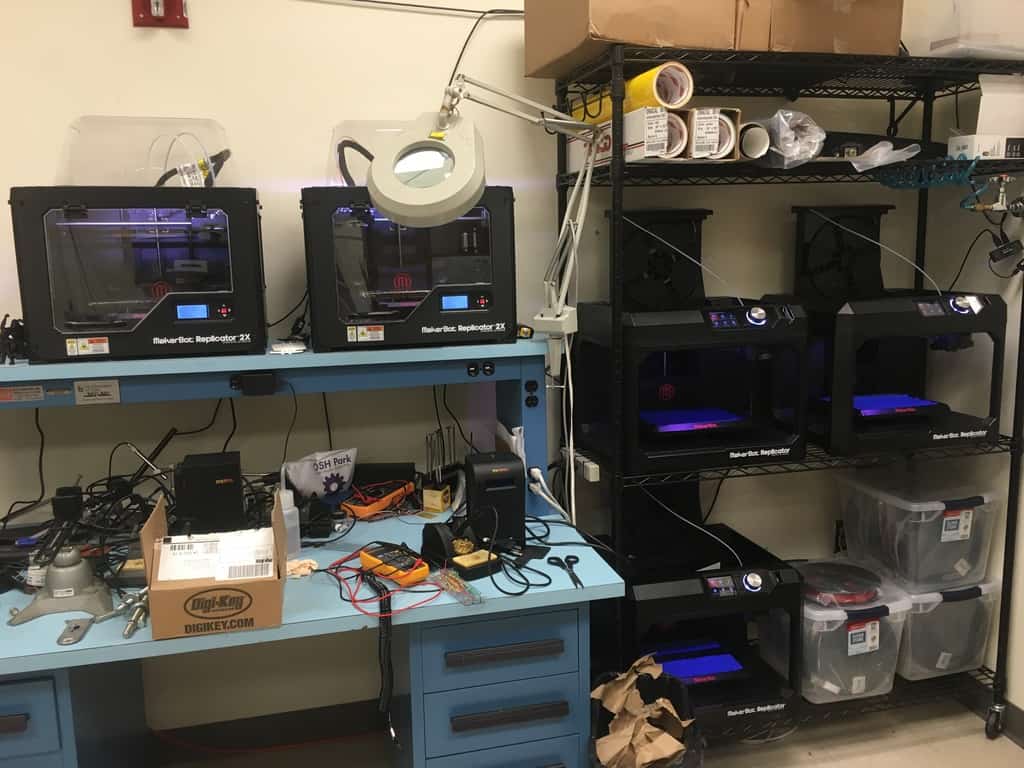
Five 3D printers available in the Engineering Electronics Shop (EES)
Since there will only be 10 awards, this is a competitive process! Make sure you check the Kick-Start webpage to get complete details and get your application in soon!
Briefly, any graduate or undergraduate engineering student may apply for a Kick-Start award. You come up with an idea which can be completed in roughly 3 months, find a faculty or staff sponsor, complete an online application form, attend an in-person workshop (approximately an hour), hand in a progress report, and present your project in April!
There are a few requirements which include (but aren’t limited to) keeping receipts and a record of all expenses (a budget spreadsheet template will be be provided). A post-project survey of the Kick-Start program will also be required.
You are strongly encouraged to visit the Hanson Center for Technical Communication for assistance with writing your proposal before it is submitted. We also suggest you fill out a hackaday.io page and use it to post regular, substantial updates on the status of your project. Each update should include photos – of your project, notes or sketches – and text explaining your progress. Invite a university photographer to take photos while you are working on your project (contact info will be provided later).
There are a few restrictions, one of which is you may not already be receiving funding for this project from any other source. There can only be one idea per submission and a student may only be the primary investigator on one Kick-Start per year. Students may be co-investigators on more than one project. Be sure to check the Kick-Start webpage for more information.
So what else do you need to know?
Creative Kick-Start Innovation Kit!
The idea for the project is yours, and may be a finished product or a prototype. You maintain ownership of your idea and anything you build during the project. A team may work on the project together, but one student must be designated as the primary investigator. A primary investigator may be a co-investigator on another project.
You may keep any materials you purchase for your project, but tools purchased should be turned in to the Creative Space for use by future makers. Knowing what items must be returned can be a gray area, so please direct any questions about what should be returned to lib-engineering@uiowa.edu. The $500 award may only be used in ETC for materials, tools, and labor, etc. Any unused funds will revert back to the program and will go toward helping another future maker build their idea. There also are many tools in the Tool Library which are available to check out.
You are required to have a sponsor who will review the requirements of the Kick-Start program and review your application before it is submitted. The sponsorship officially ends with the presentation in April, but the sponsor and student(s) are free to continue to work on the project if they so choose.
Remember that ‘failure’ is part of the creative process. The important thing is you learn from these failures and therefore are better prepared for future projects. You will still be required to present your project in April – your presentation can deal with what went wrong, how it could be fixed, what you would do differently, and what you learned through the process. As Elon Musk said, “Failure is an option here. If things are not failing, you are not innovating enough.”
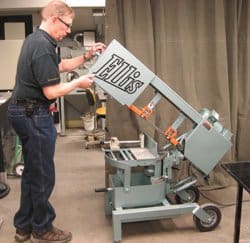
Ellis mitre band saw in the Engineering Machine shop (EMS).
There are so many resources to help you complete your project! Our Creative Space is a great place to begin! Two collaboration tables, each with a quad-screen monitor will help your team work together to imagine your project. There are 4 modeling stations with the high-powered software you need. 3D cameras, a 4400 Dell computer with a video card, Leap Motion controllers and an Oculus Rift virtual reality headset and controllers can help you manipulate your project in virtual reality (check the Tool Library resources!). ETC hasthe equipment you need to take your project from virtual reality to reality! EES provides circuit board fabrication, dye sublimation printing, PC board prototypes, laser cutting and etching and 3D printing (among other things!). There are also sheet metal tools, power hand tools, computer controlled machine tools (and more!) ETC staff are happy to answer questions and provide guidance!
The funds for this project are generously provided by the Engineering Technology Centers.
Application Review Committee is Kari Kozak (Head, Lichtenberger Engineering Library), Jeff Nock (Entrepreneur in Residence/Lecturer, John Pappajohn Entrepreneurial Center), and Spencer Stumpf (Inventions Manager, UI Research Foundation).
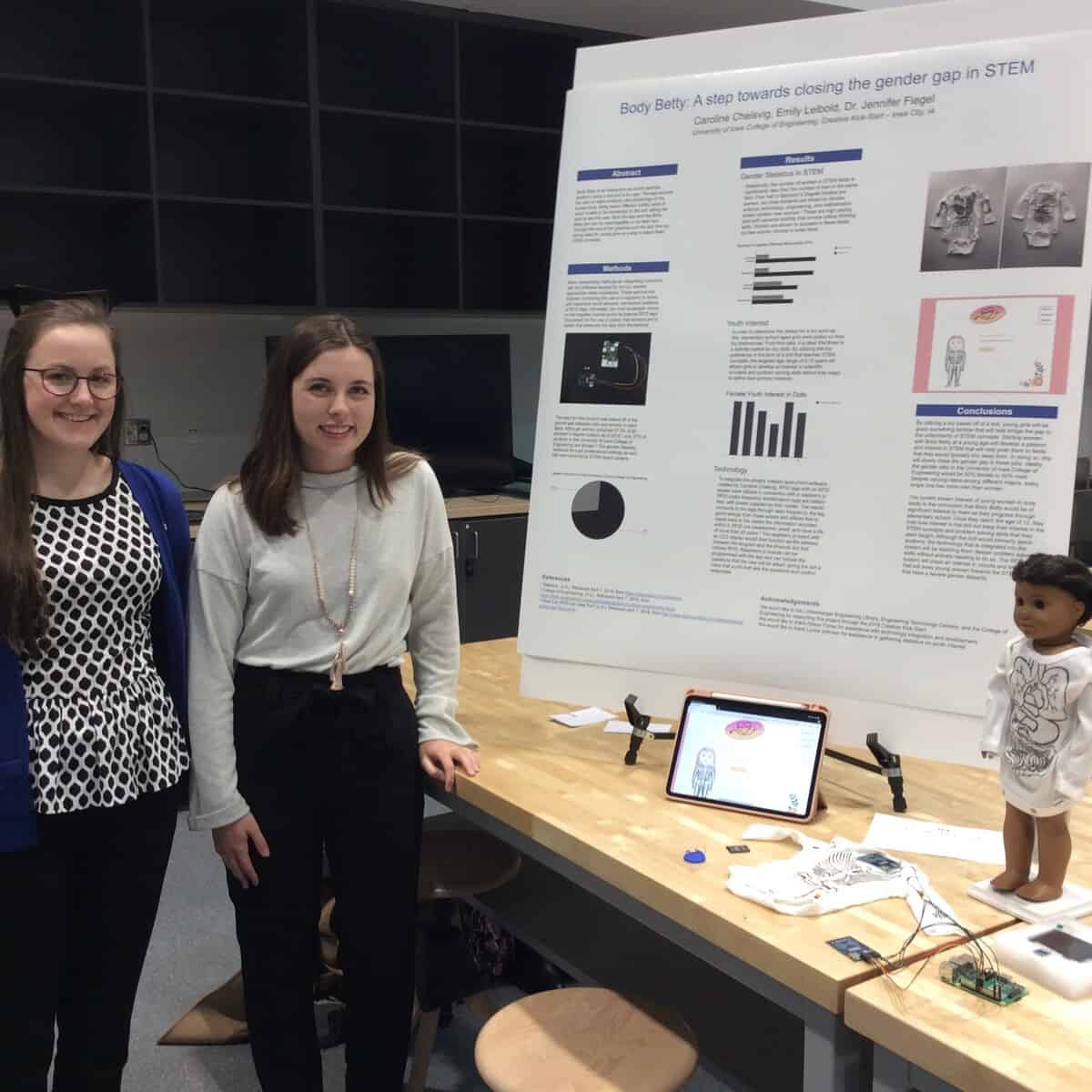
“Body Betty” created by Caroline Chelsvig & Emily Leibold“Root Canal Pal” Ethan Slater, Collin Zweifel, Annie Cahill, Shao Yang Zhang, & Nina VanDerZanden
Here are two of the groups which have received Kick-Start awards! You could be an award winner, too! Get your application in before Oct. 25th and start making your vision a reality!
We look forward to seeing your projects and working with you to make them a reality!
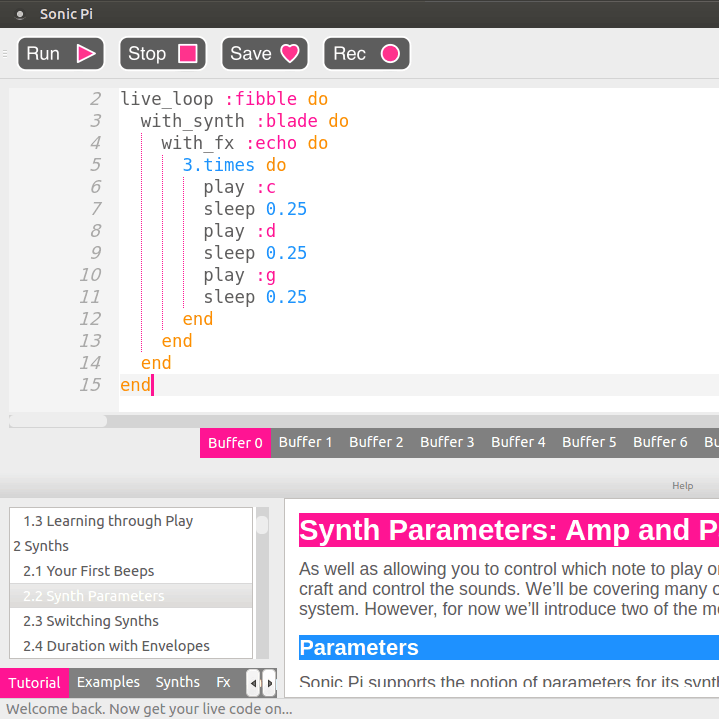
Learn the basics of coding while creating music! Using a Raspberry Pi, this workshop will have you making music in real-time. Each line of code you put in will change the song being heard. Taught by Jean-Francois Charles, School of Music.
Please be sure to bring your own laptop and pick up the beat with a new open source programming environment called Sonic Pi!
This workshop is FREE, but class size is limited, so register now!! Visit the Learn & Create webpage for more information on all the great workshops!
Creating Music with Sonic Pi
Tuesday, October 15th
5:00PM
Engineering Library Creative Space
Individuals with disabilities are encouraged to attend all University of Iowa-sponsored events. If you are a person with a disability who requires a reasonable accommodation in order to participate in this program, please contact Kari Kozak at kari-kozak@uiowa.edu in advance of the event.
Featured image: By Les Pounder from Blackpool, UK – Screenshot-Sonic Pi, CC BY-SA 2.0, https://commons.wikimedia.org/w/index.php?curid=67260553
Finding Company Information
Tuesday, October 1st; 5:00 p.m.
Engineering Library Creative Space
The Career Fair is coming up on Oct 3rd – want to get the inside scoop on the companies you’re interested in? Go in with background information on the companies you’ll be talking with! This workshop will teach you to use several different databases to find company information and data. Be prepared!!
This is a FREE workshop, but space is limited! Register now!!
Check out the Learn & Create webpage to discover all the workshops we have to offer this semester!!
Don’t miss out!!
Individuals with disabilities are encouraged to attend all University of Iowa-sponsored events. If you are a person with a disability who requires a reasonable accommodation in order to participate in this program, please contact Kari Kozak at kari-kozak@uiowa.edu in advance of the event.
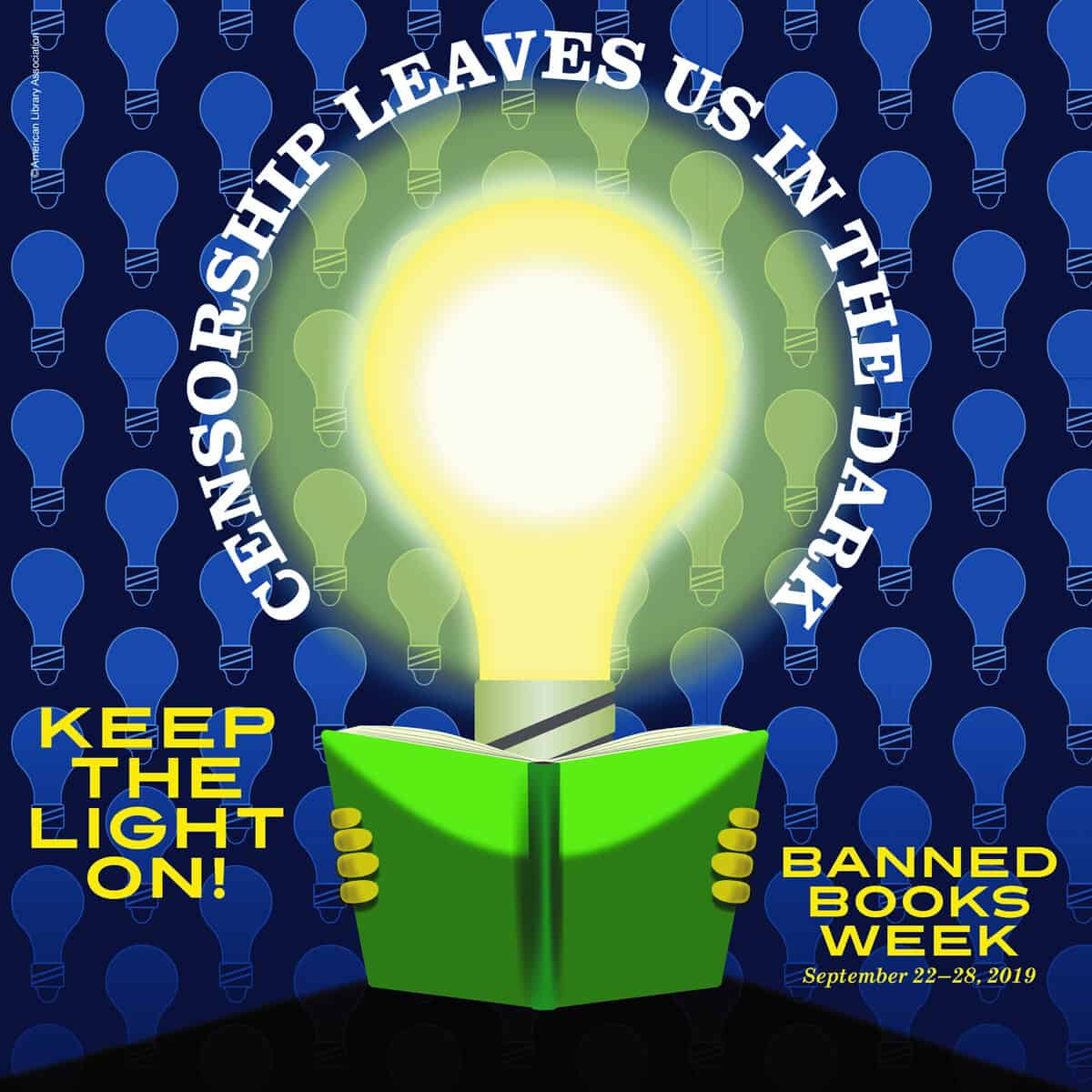
Banned Book Week, which was launched by the American Library Association (ALA) in 1982, “is an annual event celebrating the freedom to read.” Typically held the last week in September, Banned Book Week highlights the value of free and open access to information and the freedom to read. The Supreme Court case, Island Trees School District v. Pico (1982) ruled school officials can’t ban books in libraries because of their content.
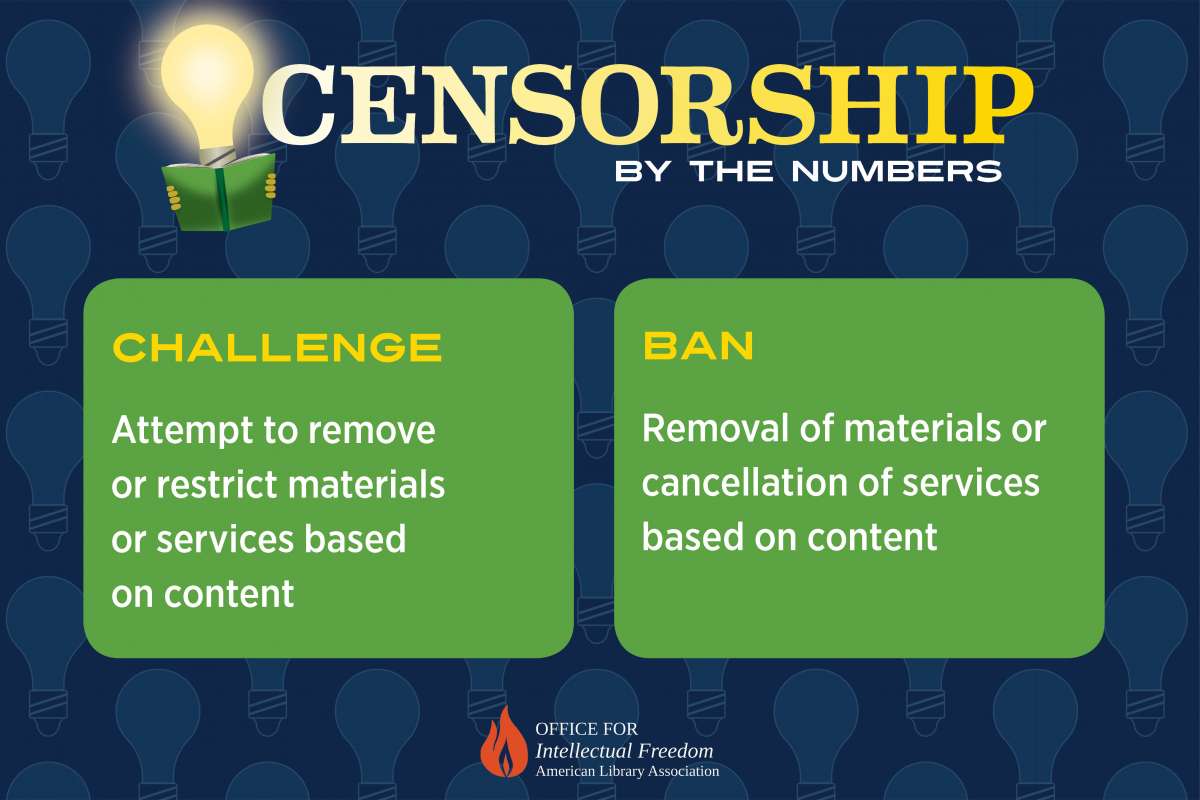
You may have heard both the terms “challenged books,” and “banned books.” There is a difference, as the graphic (below) shows. A challenge is the attempt to remove or restrict materials, and a ban is the actual removal of the materials. Many books are challenged because they include (among other things) LGBTQIA+ content, transgendered characters, same-sex couples, profanity, violence, and religious viewpoints. ALA keeps track of books which are challenged and/or banned. However, ALA relies on voluntary challenge reports and media stories in order to track titles, therefore, the lists compiled are far from complete. Some surveys indicate the 82-97% of challenges go undocumented. Top 10 most challenged books going back to pre-1990s, are available on the ALA website. In 2018 the ALA Office for Intellectual Freedom tracked 347 challenges in library, school, and university materials. In 2018, two of the top 11 books challenged or banned two were challenged and burned. This Day in June by Gayle E. Pitman, illustrated by Kristyna Litten, and Two Boys Kissing by David Leviathan were both challenged and burned for including LGBTQIA+ content.
The good news is that in a majority of cases the books have remained available. This is due in part to the awareness that Banned Books Week brings to this issue!
New books are added every year – and some never make it off the list (Catcher in the Rye and To Kill a Mockingbird are two examples). Many of the banned books are novels, but a number of science books have also been challenged.
Many classic books have been banned. According to the Office for Intellectual Freedom, at least 46 of the Radcliffe Publishing Course Top 100 Novels of the 20th Century have been the target of ban attempts. See which books these are and learn the reasons for being banned at the following link: http://www.ala.org/bbooks/frequentlychallengedbooks/classics/reasons
Here are a few of the many books related to Engineering and Science that have been banned at one time or another:
Any writing or discussion demonstrating the heliocentric nature of the universe was banned in 17th Century Europe.
Writings by physicist and astronomer Galileo Galilei were banned and he was charged and convicted of heresy by the Inquisition in 1632 for writing, Dialogue Concerning the Two Chief World Systems.
Books and teaching materials on Darwinian evolution theory, including The Illustrated Origin of Species by Charles Darwin were banned in schools in Tennessee following the Butler Act of 1925.
The Golden Book of Chemistry Experiments, written in 1960 by Robert Brent and illustrated by Harry Lazarus was banned in the United States for being too accurate in its scientific initiative.
Books and materials on Mendelian genetics have been banned from publication in Soviet-era USSR
If you are interested in exploring Leonardo da Vinci’s engineering works, check out Doing da Vinci. Four builders and engineers attempt to build never-before-constructed inventions! The 2-disc set looks at his armored tank, siege ladder, self-propelled carts and even a machine gun! Will his creations actually work? Doing da Vinci will show you!
We have many resources that relate to Darwin, Galileo, and da Vinci. Come explore our library and find these titles and more!
Resources:
Banned & Challenged Books. 2019. A Website of the ALA Office for Intellectual Freedom. American Library Association (ALA).
Top Ten Most Challenged Books List. 2019. A Website of the ALA Office for Intellectual Freedom. American Library Association (ALA).
Baron, Dennis. Webster’s banned for too much sex. Jan. 25, 2010. The Web of Language.
Other Resources:
25 Banned Books That You Should Read Today. March 2011. Learn.org
Chambers, Robert. 1846. Vestiges of the natural history of creation. E-Book available through The University of Iowa Libraries.
Scholz, Matthias Paul. 2007. Advanced NXT : the da Vinci inventions book. Berkeley, CA : Apress : New York : Distributed by Springer-Verlag. Engineering Library TJ211.15 .S36 2007
Letze, Otto, editor. 1997. Leonardo da Vinci : scientist, inventor, artist. Ostfildern-Ruit, Germany : Verlag Gerd Hatje : New York, NY : Distribution Art Publishers. Engineering Library N6923.L33 A4 1997
D’Onofrio, Mauro, Burigana, Carlo, editors. 2009. Question of modern cosmology : Galileo’s legacy. Berlin : Springer. Engineering Library QB981 .Q47 2009
Brasier, M.D. 2009. Darwin’s lost world : the hidden history of animal life. Oxford, NY : Oxford University Press. Engineering Library QE653 .B736 2009
Soldering Basics – Surface Mount
Tuesday, September 24th; 5:00 p.m.
Engineering Library Creative Space
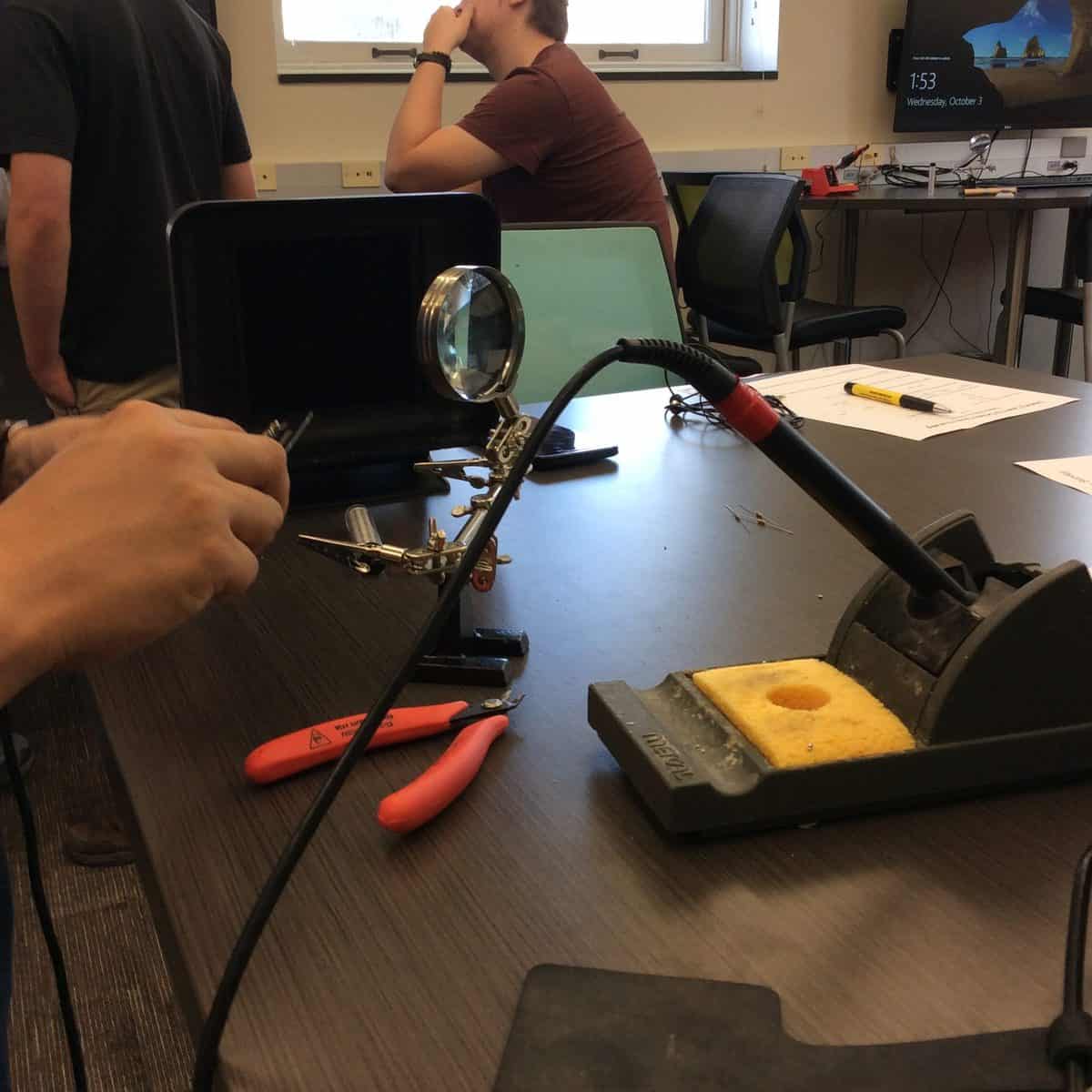
Soldering is one of the most fundamental skills needed to dabble in the world of electronics. The two go together like peas and carrots. And, although it is possible to learn about, and build, electronics without needing to pick up a soldering iron, you’ll soon discover that a whole new world is opened with this one simple skill. This workshop will focus on doing surface mount soldering.
Jeremy Roszell, Electronics Electronics Shop, will be teach this workshop.
This workshop is FREE but space is limited – be sure to register now!
Check the Learn & Create webpage for more information on all the workshops coming up!
Individuals with disabilities are encouraged to attend all University of Iowa-sponsored events. If you are a person with a disability who requires a reasonable accommodation in order to participate in this program, please contact Kari Kozak at kari-kozak@uiowa.edu in advance of the event.
Soldering is one of the most fundamental skills needed to dabble in the world of electronics. The two go together like peas and carrots. And, although it is possible to learn about, and build, electronics without needing to pick up a soldering iron, you’ll soon discover that a whole new world is opened with this one simple skill. This class will focus on doing surface mount soldering.
Jeremy Roszell, Engineering Electronics Shop, will be teaching this workshop!
This is a FREE workshop, but space is limited! Be sure to register today!! Visit the Learn & Create webpage for more information on all these great workshops!
Soldering Basics – Through Hole
Tuesday, September 17th; 5:00 p.m.
Engineering Library Creative Space
Individuals with disabilities are encouraged to attend all University of Iowa-sponsored events. If you are a person with a disability who requires a reasonable accommodation in order to participate in this program, please contact Kari Kozak at kari-kozak@uiowa.edu in advance of the event.