On the heels of its recent arrangement with PLOS, the Big Ten Academic Alliance (BTAA) has entered intoa second contract to bundle the cost of journal subscriptions and Open Access (OA) publishing, this time with publisher, Cambridge University Press. Under this agreement, UI corresponding authors can publish their journal articles OA and free of cost to them, in any of Cambridge’s journals.* These articles can then be read by anyone, anywhere, without the paywalls that traditionally accompany academic journals.
This arrangement is part of a larger effort by UI Libraries and the BTAA to reduce the cost of OA for individual researchers. Unfortunately, publishers often charge authors directly to pay for the cost of publishing OA journal articles.(For instance, Cambridge normally charges $2,520 per article for OA.) For faculty who don’t have grant or departmental funding, this can be prohibitively expensive. These costs have soared in recent years and are a significant barrier to making research open and freely accessible.
As the Libraries continue to sign these types oftransformative agreements, our hope is that more and more of our faculty will be able to publish their research OA without fees.
For more information, please contact Sara Scheib, Head of Scholarly Impact, or Mahrya Burnett, Scholarly Communications Librarian.
* Six Cambridge University Press journals are excluded from this agreement: – Africa Bibliography – Annales. Histoire, Sciences Sociales – Annales. Histoire, Sciences Sociales: English Edition – Behavioral and Brain Sciences – PMLA / Publications of the Modern Language Association of America – New Surveys in the Classics
Welcome to the Library’s virtual New Book Shelf. Here we will present new titles for you to browse and check out. Titles listed here will be monographs published in the current year. If you see a title you would like to borrow, please click the link and use the website to request a loan.
The Hope of Israel
Mauro summarizes what not only constitutes the hope of the Jews, but the hope of the Christian Church as well.
His entire argument can be summed up in this way: it’s a serious mistake to think that the faithful Jews in the Old Testament were hoping for anything less than the spiritual Kingdom of Christ that we Christians are hoping for.
And since Mauro had just extricated himself from Dispensationalism, he makes the point plain, over and over, that anybody who believes that the Jews (past or future) are going to receive a physical fulfillment of the Old Testament promises is just as much in error as were the Pharisees in Jesus’ day, who rejected outright the Lord’s efforts to turn them in a spiritual direction.
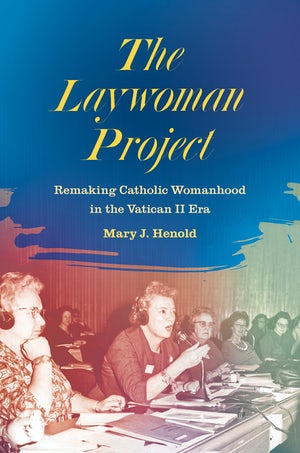
Summoning everyday Catholic laywomen to the forefront of twentieth-century Catholic history, Mary J. Henold considers how these committed parishioners experienced their religion in the wake of Vatican II (1962–1965). This era saw major changes within the heavily patriarchal religious faith—at the same time as an American feminist revolution caught fire. Who was the Catholic woman for a new era? Henold uncovers a vast archive of writing, both intimate and public facing, by hundreds of rank-and-file American laywomen active in national laywomen’s groups, including the National Council of Catholic Women, the Catholic Daughters of America, and the Daughters of Isabella. These records evoke a formative period when laywomen played publicly with a surprising variety of ideas about their own position in the Catholic Church.
While marginalized near the bottom of the church hierarchy, laywomen quietly but purposefully engaged both their religious and gender roles as changing circumstances called them into question. Some eventually chose feminism while others rejected it, but most, Henold says, crafted a middle position: even conservative, nonfeminist laywomen came to reject the idea that the church could adapt to the modern world while keeping women’s status frozen in amber.
This book sheds light on the career of Samuel Prideaux Tregelles, and in doing so touches on numerous aspects of nineteenth-century British and European religious history. Several recent scholars have celebrated the 200th anniversary of the German textual critic Tischendorf but Tregelles, his contemporary English rival, has been neglected, despite his achievements being comparable. In addition to his decisive contribution to Biblical textual scholarship, this study of Tregelles’ career sheds light on developments among Quakers in the period, and Tregelles’s enthusiastic involvement with the early nineteenth-century Welsh literary renaissance usefully supplements recent studies on Iolo Morganwg. The early career of Tregelles also gives valuable fresh detail to the origins of the Plymouth Brethren, (in both England and Italy) the study of whose early history has become more extensive over the last twenty years. The whole of Tregelles’s career therefore illuminates neglected aspects of Victorian religious life.
The conflict and contact between Muslims and Christians in the Middle Ages is among the most important but least appreciated developments of the period from the seventh to the fourteenth century. Michael Frassetto argues that the relationship between these two faiths during the Middle Ages was essential to the cultural and religious developments of Christianity and Islam—even as Christians and Muslims often found themselves engaged in violent conflict. Frassetto traces the history of those conflicts and argues that these holy wars helped create the identity that defined the essential characteristics of Christians and Muslims. The polemic works that often accompanied these holy wars was important, Frassetto contends, because by defining the essential evil of the enemy, Christian authors were also defining their own beliefs and practices. Holy war was not the only defining element of the relationship between Christians and Muslims during the Middle Ages, and Frassetto explains that everyday contacts between Christian and Muslim leaders and scholars generated more peaceful relations and shaped the literary, intellectual, and religious culture that defined medieval and even modern Christianity and Islam.
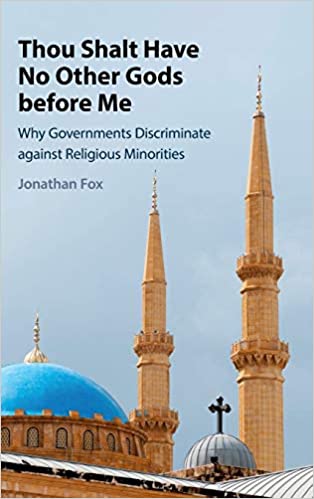
This book is among the most thorough and comprehensive analysis of the causes of religious discrimination to date, complete with detailed illustrations and anecdotes. Jonathan Fox examines the causes of government-based religious discrimination (GRD) against 771 minorities in 183 countries over the course of twenty-five years, while offering possible reasons for why some minorities are discriminated against more than others. Fox illustrates the complexities inherent in the causes of GRD, which can emerge from secular ideologies, religious monopolies, anti-cult policies, security concerns and more. Western democracies tend to discriminate more than Christian-majority countries in the developing world, whether they are democratic or not. While the causes of GRD are ubiquitous, they play out in vastly different ways across world regions and religious traditions. This book serves as a method for better understanding this particular form of discrimination, so that we may have the tools to better combat it and foster compassion across people of different religions and cultures.
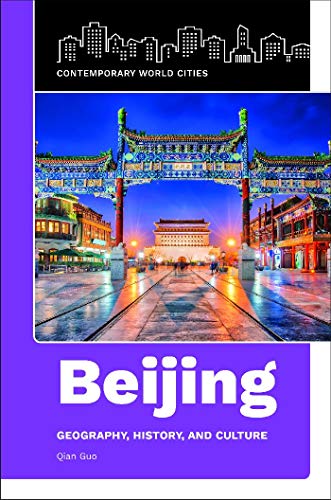
This comprehensive volume examines contemporary life and history in Beijing, covering such topics as culture, politics, economics, crime, security, the environment, and more.
While it is not China’s most populated city, Beijing serves an important role as the political and cultural capital of the country. This volume examines Beijing’s long history, contemporary society, and current challenges the city faces as we move further into the 21st century.
Geared toward high school readers, undergraduates, and general readers interested in learning about Beijing, this volume consists of 12 narrative chapters focused on geography, history, and culture. Coverage includes location, people, history, politics, economy, environment and sustainability, local crime and violence, security issues, natural hazards and emergency management, culture and lifestyle, popular culture, and the future. “Life in the City” sidebars feature interviews and memories transcribed by people who are from, lived in, or traveled through Beijing, while other sidebars offer cultural fun facts and travel tips.
Between Europe and Asia analyzes the origins and development of Eurasianism, an intellectual movement that proclaimed the existence of Eurasia, a separate civilization coinciding with the former Russian Empire. The essays in the volume explore the historical roots, the heyday of the movement in the 1920s, and the afterlife of the movement in the Soviet and post-Soviet periods. The first study to offer a multifaceted account of Eurasianism in the twentieth century and to touch on the movement’s intellectual entanglements with history, politics, literature, or geography, this book also explores Eurasianism’s influences beyond Russia. The Eurasianists blended their search for a primordial essence of Russian culture with radicalism of Europe’s interwar period. In reaction to the devastation and dislocation of the wars and revolutions, they celebrated the Orthodox Church and the Asian connections of Russian culture, while rejecting Western individualism and democracy. The movement sought to articulate a non-European, non-Western modernity, and to underscore Russia’s role in the colonial world. As the authors demonstrate, Eurasianism was akin to many fascist movements in interwar Europe, and became one of the sources of the rhetoric of nationalist mobilization in Vladimir Putin’s Russia. This book presents the rich history of the concept of Eurasianism, and how it developed over time to achieve its present form.
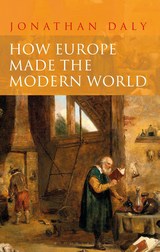
One thousand years ago, a traveler to Baghdad or the Chinese capital Kaifeng would have discovered a vast and flourishing city of broad streets, spacious gardens, and sophisticated urban amenities; meanwhile, Paris, Rome, and London were cramped and unhygienic collections of villages, and Europe was a backwater. How, then, did it rise to world preeminence over the next several centuries? This is the central historical conundrum of modern times.
How Europe Made the Modern World draws upon the latest scholarship dealing with the various aspects of the West’s divergence, including geography, demography, technology, culture, institutions, science and economics. It avoids the twin dangers of Eurocentrism and anti-Westernism, strongly emphasizing the contributions of other cultures of the world to the West’s rise while rejecting the claim that there was nothing distinctive about Europe in the premodern period. Daly provides a concise summary of the debate from both sides, whilst also presenting his own provocative arguments.
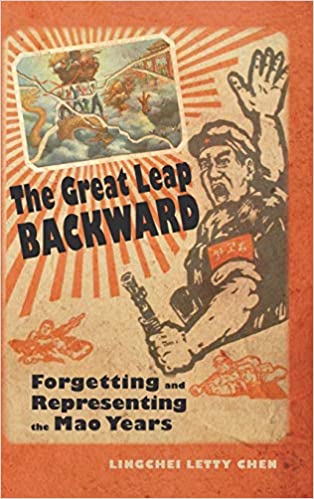
It is now forty years after Mao Zedong’s death and the end of the Cultural Revolution, and more than fifty years since the Great Leap Forward and the Great Famine. During this time, the collective memory of these events has been sanitized, reduced to a much-diluted version of what truly took place. Historical and sociological approaches cannot fully address the moral failure that allowed the atrocities of the Mao era to take place. Humanist approaches, such as literary criticism, have a central role to play in uncovering and making explicit the testimonies of both victims and perpetrators in “memory writing” in order to recover the truth of China’s history.
In this unprecedented study The Great Leap Backward, inspired by Holocaust studies, memory work such as fiction, memoirs, autobiographies, and documentary films that have surfaced since Mao’s death are examined to uncover the many aspects of the forces underlying remembering and forgetting. These are significant for they also embody the politics of writing and publishing traumatic historical memories in contemporary China and beyond. Beginning with a scar literature classic and ending with popular Cultural Revolution memoirs that appeared early in the twenty-first century, this study provides us with another important way through which memory studies can help us grapple with traumatic histories.
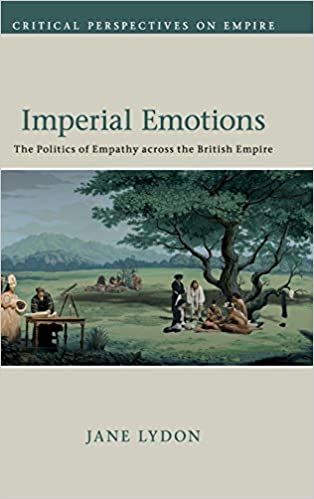
Emotions are not universal, but are experienced and expressed in diverse ways within different cultures and times. This overview of the history of emotions within nineteenth-century British imperialism focuses on the role of the compassionate emotions, or what today we refer to as empathy, and how they created relations across empire. Jane Lydon examines how empathy was produced, qualified and contested, including via the fear and anger aroused by frontier violence. She reveals the overlooked emotional dimensions of relationships constructed between Britain, her Australasian colonies, and Indigenous people, showing that ideas about who to care about were frequently drawn from the intimate domestic sphere, but were also developed through colonial experience. This history reveals the contingent and highly politicised nature of emotions in imperial deployment. Moving beyond arguments that emotions such as empathy are either ‘good’ or ‘bad’, this study evaluates their concrete political uses and effects.
Welcome to the Library’s virtual New Book Shelf. Here we will present new titles for you to browse and check out. Titles listed here will be monographs published in the current year. If you see a title you would like to borrow, please click the link and use the website to request a loan.
The Age of Selfies: reasoning about rights when the stakes are personal
This book diagnoses an unexamined cause of the incivility in our public discourse. Our most contentious controversies today are moral. We disagree not only about questions of efficiency and democracy and civil liberties but also about what is right to do and who we are becoming as a people. We have not yet understood the implications of this shift in public reasoning from discourse about political ideals to debates about moral imperatives.
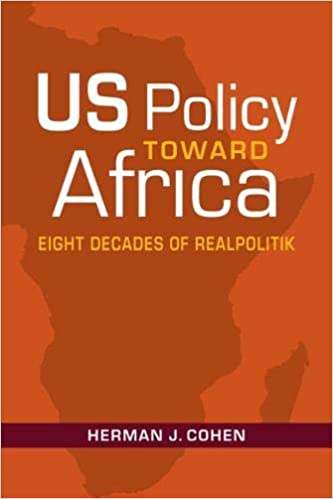
Herman Cohen draws on both the documentary record and his years of on-the-ground experience to provide a uniquely comprehensive survey and interpretation of nearly eight decades of US policy toward Africa. Tracing how this policy has evolved across successive administrations since 1942 (beginning with President Franklin D. Roosevelt’s third term in office), Cohen illuminates the debates that have taken place at the highest levels of government; shows how policy toward Africa has been affected over the years by US relations with Europe, the Soviet Union, the Middle East, and most recently China; and points to the increasing reliance of Western economic interests on Africa’s natural resources. His deeply informed narrative reveals the roles not only of circumstance and ideology, but also of personalities, in the formulation and implementation of US foreign policy.
A Sacred People: Indigenous Governance, Traditional Leadership, and the Warriors of the Cheyenne Nation
Killsback, a citizen of the Northern Cheyenne Nation, reconstructs and rekindles an ancient Cheyenne world–ways of living and thinking that became casualties of colonization and forced assimilation. Spanning more than a millennium of antiquity and recovering stories and ideas interpreted from a Cheyenne worldview, the works’ joint purpose is rooted as much in a decolonization roadmap as it is in preservation of culture and identity for the next generations of Cheyenne people. Dividing the story of the Cheyenne Nation into pre- and post-contact, A Sacred People and A Sovereign People lay out indigenously conceived possibilities for employing traditional worldviews to replace unhealthy and dysfunctional ones bred of territorial, cultural, and psychological colonization.
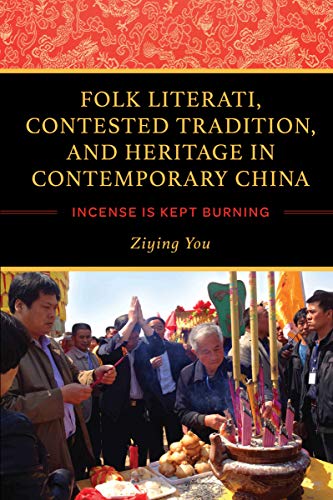
Folk Literati, Contested Tradition, and Heritage in Contemporary China: Incense Is Kept Burning
In this important ethnography Ziying You explores the role of the “folk literati” in negotiating, defining, and maintaining local cultural heritage. Expanding on the idea of the elite literati—a widely studied pre-modern Chinese social group, influential in cultural production—the folk literati are defined as those who are skilled in classical Chinese, knowledgeable about local traditions, and capable of representing them in writing. The folk literati work to maintain cultural continuity, a concept that is expressed locally through the vernacular phrase: “incense is kept burning.”
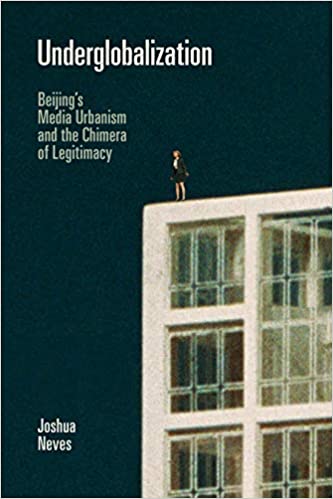
Underglobalization: Beijing’s Media Urbanism and the Chimera of Legitimacy
Despite China’s recent emergence as a major global economic and geopolitical power, its association with counterfeit goods and intellectual property piracy has led many in the West to dismiss its urbanization and globalization as suspect or inauthentic. In Underglobalization Joshua Neves examines the cultural politics of the “fake” and how frictions between legality and legitimacy propel dominant models of economic development and political life in contemporary China. Focusing on a wide range of media technologies and practices in Beijing, Neves shows how piracy and fakes are manifestations of what he calls underglobalization—the ways social actors undermine and refuse to implement the specific procedures and protocols required by globalization at different scales. By tracking the rise of fake politics and transformations in political society, in China and globally, Neves demonstrates that they are alternate outcomes of globalizing processes rather than anathema to them.
A Cultural History of Early Modern Europe examines the relationships that developed in cities from the time of the late Renaissance through to the Napoleonic period, exploring culture in the broadest sense by selecting a variety of sources not commonly used in history books, such as plays, popular songs, sketches, and documents created by ordinary people.
Extending from 1480 to 1820, the book traces the flourishing cultural life of key European cities and the opportunities that emerged for ordinary people to engage with new forms of creative expression, such as literature, theatre, music, and dance. Arranged chronologically, each chapter in the volume begins with an overview of the period being discussed and an introduction to the key figures. Cultural issues in political, religious, and social life are addressed in each section, providing an insight into life in the cities most important to the creative developments of the time. Throughout the book, narrative history is balanced with primary sources and illustrations allowing the reader to grasp the cultural changes of the period and their effect on public and private life.
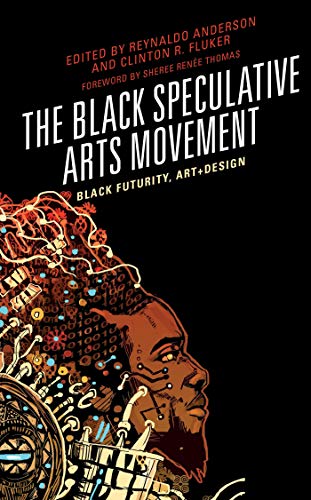
The Black Speculative Arts Movement: Black Futurity, Art+Design is a 21st century statement on the intersection of the future of African people with art, culture, technology, and politics. This collection enters the global debate on the emerging field of Afrofuturism studies with an international array of scholars and artists contributing to the discussion of Black futurity in the 21st century. The contributors analyze and respond to the invisibility or mischaracterization of Black people in the popular imagination, in science fiction, and in philosophies of history.
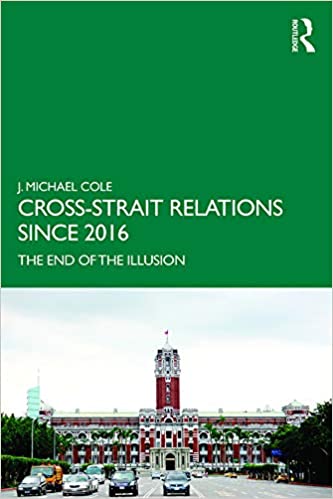
Cross-Strait Relations Since 2016:The End of the Illusion examines the situation in the Taiwan Strait since the election of Tsai Ing-wen of the Democratic Progressive Party in the January 2016 general elections.
Tracking the pragmatic approach taken by the Tsai administration, this book positions the recent developments within a changing geopolitical context and analyzes Beijing’s reactions to an environment which has become increasingly skeptical of its intentions. It shows that despite President Tsai’s commitment to the “status quo” in the Taiwan Strait and pro-democracy policies, which have been well received by the international community, Xi Jinping continues to advocate for a unification policy which remains very unpopular in Taiwan. With in-depth, on-the-ground analysis based on access to various government actors in Taiwan and abroad, the author takes a deep dive into a highly complex relationship that is often misunderstood abroad, with stakes that have direct implications for the future stability of the Indo-Pacific region.
This history of ancient diplomacy demonstrates how the ancient Greeks used guest-friendship as a mechanism of diplomacy. Ancient proxenoi were the equivalent of contemporary consul-generals and they served some of the same purposes. The proxenoi conducted the diplomatic affairs of the state they represented and looked after the interests of the city-state that had adopted them. In times of war the proxenoi maintained spies and supplied intelligence on the movements of fleets and armies.
More than the Great Wall: The Northern Frontier and Ming National Security, 1368–1644
This groundbreaking book provides the first comprehensive analysis of Ming China’s pursuit of national security along its 1,700 miles of northern frontier. Drawing on a wealth of original sources, John Dardess vividly portrays how Ming China’s emperors, officials, and commanders in the field thought, argued, and made decisions in real time as they worked to defend their country. Despite common perceptions of the central role of the so-called Great Wall of China, Dardess convincingly shows that the wall was but a minor piece in a much bigger effort to battle Tatar looting. Dardess immerses readers in the day-to-day world of the Ming as he explores the question of how leaders kept their country safe over the 276 years the dynasty ruled.
The University Libraries received several strong applications for the Fall 2020 Undergraduate Library Research Award (ULRA). Because of this, we were able to secure extra funding from the Academic Enrichment Fund thanks to the Friends of the UI Libraries. We were able to recognize three undergraduate students, who showed impressive research skills, innovative use of library resources, and initiative in seeking assistance from expert librarians.
Emily Bronswick, a senior History and Social Studies Education major, received an award of $500 for her project on Black Iowa Women’s Activism during the Civil Rights era. Emily met with Janalyn Moss, who helped her select books and articles to help with her research. Emily also accessed collections in the Iowa Women’s Archives that included the Edna Griffin Papers.
McKenna Kephart, a senior Nursing major with a certificate in Aging and Longevity studies, received an award of $100 for her work on developing a dining and Dementia-Friendly Communication Educational Program for Western Home Communities. McKenna met with Jen DeBerg, who helped her identify search terms and utilize subject-specific databases, such as AgeLine and PubMed.
Precious Maryah Pate, a freshman Neuroscience major received the Emerging Scholars award of $50 for research done for a Rhetoric assignment on the racial wealth gap and its effects on Black youth and Black mothers. Precious worked with Tim Arnold, who helped her identify resources in InfoHawk+ and other databases to address multiple perspectives in her research.
Join me in congratulating these students on their well-deserved accomplishments. To learn more about the award and to see past winners, visit the ULRA site.
Thanks to the review committee: Brett Cloyd, Elizabeth Riordan, and Riley Samuelson for their help selecting this semester’s award winners.
Welcome to the Library’s virtual New Book Shelf. Here we will present new titles for you to browse and check out. Titles listed here will be monographs published in the current year. If you see a title you would like to borrow, please click the link and use the website to request a loan.
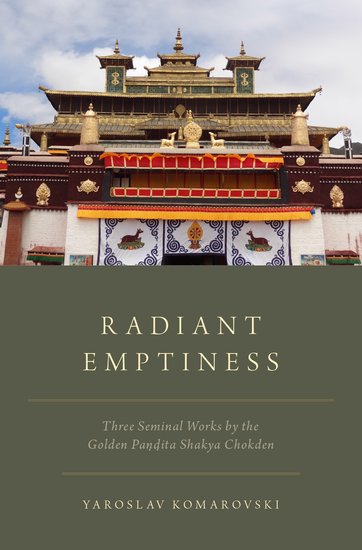
Radiant Emptiness
Three Seminal Works by the Golden Pandita Shakya Chokden
Yaroslav Komarovski
Offers annotated translation of never before translated seminal works of a controversial and influential Tibetan thinker
Explores the relationship between conceptual models of reality and Buddhist contemplative practices
Critically appraises philosophical commitments and interpretive frameworks involved in accessing and describing realization of reality
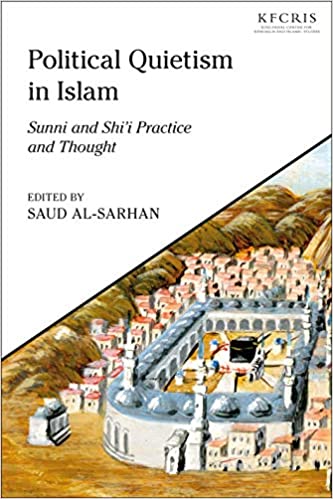
In recent years, Islam – whether via the derivatives of ‘Political Islam’ or ‘Islamism’ – has come to be seen as an ‘activist’ force in social and political spheres worldwide. What such representations have neglected is the strong countervailing tradition of political quietism. Political quietism in Islam holds that it is not for Muslims to question or oppose their leaders. Rather, the faithful should concentrate on their piety, prayer, religious rituals and personal quest for virtue.
This book is the first to analyze the history and meaning of political quietism in Islamic societies. It takes an innovative cross-sectarian approach, investigating the phenomenon and practice across both Sunni and Shi’i communities.
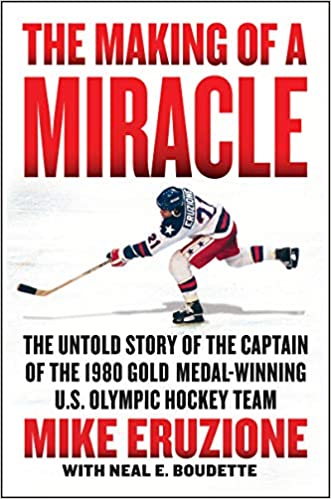
On the fortieth anniversary of the historic “Miracle on Ice,” Mike Eruzione—the captain of the 1980 U.S Men’s Olympic Hockey Team, who scored the winning goal—recounts his amazing career on ice, the legendary upset against the Soviets, and winning the gold medal.
It is the greatest American underdog sports story ever told: how a team of college kids and unsigned amateurs, under the tutelage of legendary coach—and legendary taskmaster—Herb Brooks, beat the elite Soviet hockey team on their way to winning the gold medal at the 1980 Lake Placid Olympics. No one believed the scrappy Americans had a real shot at winning. Despite being undefeated, the U.S.—the youngest team in the competition—were facing off against the four-time defending gold medalist Russians. But the Americans’ irrepressible optimism, skill, and fearless attitude helped them outplay the seasoned Soviet team and deliver their iconic win.
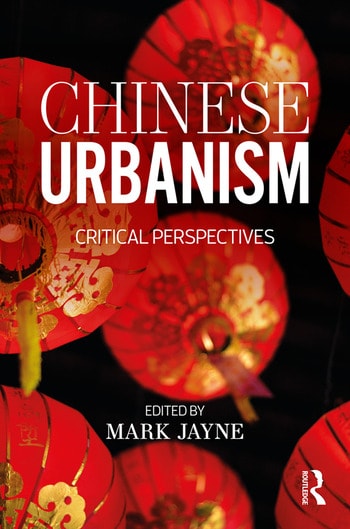
This book provides a definitive overview of contemporary developments in our understanding of urban life in China. Multidisciplinary perspectives outline the most significant critical, theoretical, methodological and empirical developments in our appreciation of Chinese cities in the context of an increasingly globalized world. Each chapter includes reviews and appraisals of past and current theoretical development and embarks on innovative theoretical directions relating toMarxist, feminist, post-structural, post-colonial and ‘more-than-representational’ thinking. The book provides an in-depth insight into urban change and considers in what ways theoretical engagement with Chinese cities contributes to our understanding of ‘global urbanism’. Chapters explore how new critical perspectives on economic, political, social, spatial, emotional, embodied and affective practices add value to our understanding of urban life in, and beyond, China.
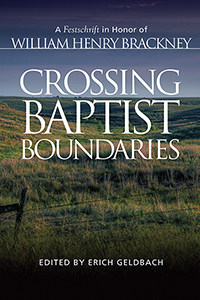
This collection of essays is dedicated to William Henry Brackney, one of the leading Baptist historians in North America for the past four decades. Few, if any, Baptist historians of any era have written more extensively, more broadly, or more insightfully on the Baptist people in North America than Brackney.
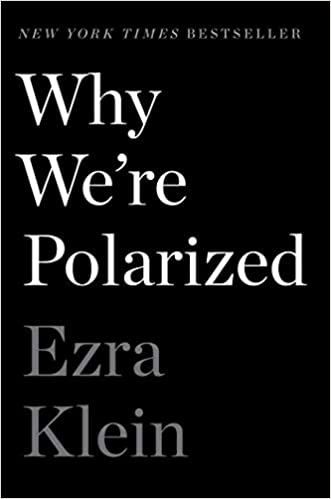
This New York Times and Wall Street Journal bestseller shows us that America’s political system isn’t broken. The truth is scarier: it’s working exactly as designed. In this “superbly researched” (The Washington Post) and timely book, journalist Ezra Klein reveals how that system is polarizing us—and how we are polarizing it—with disastrous results.
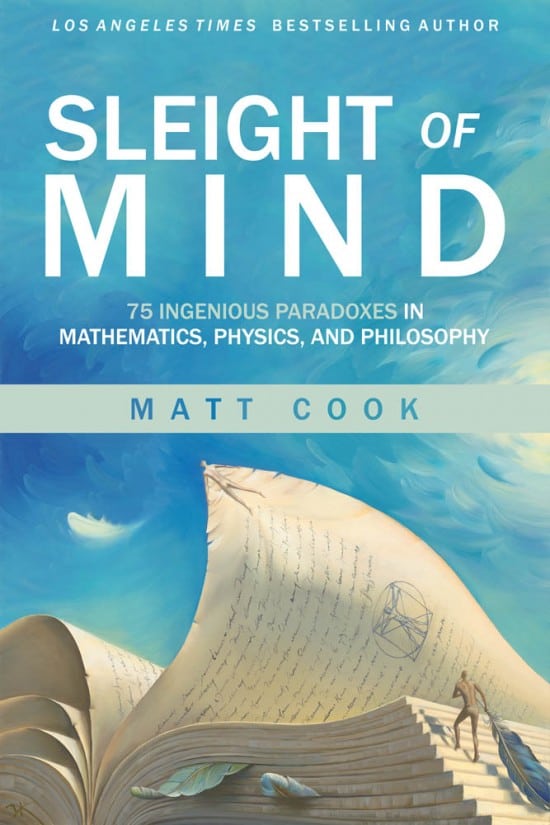
Exploring more than seventy-five well-known paradoxes in mathematics, philosophy, physics, and the social sciences showing how reason and logic can dispel the illusion of contradiction.
The journey begins with “a most ingenious paradox” from Gilbert and Sullivan’s Pirates of Penzance. Readers will then travel from Ancient Greece to cutting-edge laboratories, encounter infinity and its different sizes, and discover mathematical impossibilities inherent in elections. They will tackle conundrums in probability, induction, geometry, and game theory; perform “supertasks”; build apparent perpetual motion machines; meet twins living in different millennia; explore the strange quantum world—and much more.
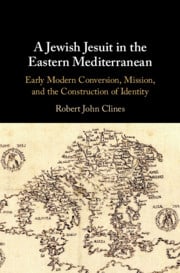
In A Jewish Jesuit in the Eastern Mediterranean, Robert Clines retraces the conversion and missionary career of Giovanni Battista Eliano, the only Jewish-born member of the Society of Jesus. He highlights the lived experience of conversion, and how converts dealt with others’ skepticism of their motives. Clines uses primary sources, including Eliano’s personal letters, missionary reports, and autobiography, together with scholarship on conversion in the early modern Mediterranean world to illustrate how false and sincere conversion often mirrored each other in outward performance. Devout converts were not readily taken at face value and needed to prove themselves in the moment and over the course of their lifetimes. Consequently, Eliano’s story underscores that the mystical, introspective nature of religious belief and the formulation of new spiritual selves came into direct confrontation with the ways in which converts needed to present themselves to others in an age of political and religious turmoil.
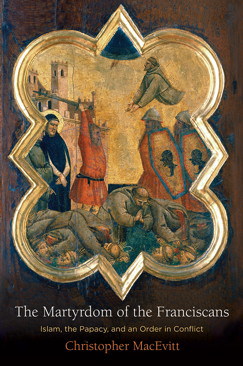
While hagiographies tell of Christian martyrs who have died in an astonishing number of ways and places, slain by members of many different groups, martyrdom in a Franciscan context generally meant death at Muslim hands; indeed, in Franciscan discourse, “death by Saracen” came to rival or even surpass other definitions of what made a martyr. The centrality of Islam to Franciscan conceptions of martyrdom becomes even more apparent—and problematic—when we realize that many of the martyr narratives were largely invented. Franciscan authors were free to choose the antagonist they wanted, Christopher MacEvitt observes, and they almost always chose Muslims. However, martyrdom in Franciscan accounts rarely leads to conversion of the infidel, nor is it accompanied, as is so often the case in earlier hagiographical accounts, by any miraculous manifestation.
If the importance of preaching to infidels was written into the official Franciscan Rule of Order, the Order did not demonstrate much interest in conversion, and the primary efforts of friars in Muslim lands were devoted to preaching not to the native populations but to the Latin Christians—mercenaries, merchants, and captives—living there. Franciscan attitudes toward conversion and martyrdom changed dramatically in the beginning of the fourteenth century, however, when accounts of the martyrdom of four Franciscans said to have died while preaching in India were written. The speed with which the accounts of their martyrdom spread had less to do with the world beyond Christendom than with ecclesiastical affairs within, MacEvitt contends. The Martyrdom of the Franciscans shows how, for Franciscans, martyrdom accounts could at once offer veiled critique of papal policies toward the Order, a substitute for the rigorous pursuit of poverty, and a symbolic way to overcome Islam by denying Muslims the solace of conversion.
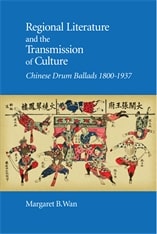
Regional Literature and the Transmission of Culture
Regional Literature and the Transmission of Culture provides a richly textured picture of cultural transmission in the Qing and early Republican eras. Drum ballad texts (guci) evoke one of the most popular performance traditions of their day, a practice that flourished in North China. Study of these narratives opens up surprising new perspectives on vital topics in Chinese literature and history: the creation of regional cultural identities and their relation to a central “Chinese culture”; the relationship between oral and written cultures; the transmission of legal knowledge and popular ideals of justice; and the impact of the changing technology of the late nineteenth and early twentieth centuries on the reproduction and dissemination of popular texts.
Welcome to the Library’s virtual New Book Shelf. Here we will present new titles for you to browse and check out. Titles listed here will be monographs published in the current year. If you see a title you would like to borrow, please click the link and use the website to request a loan.
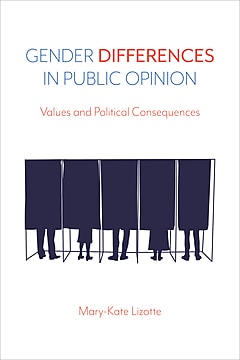
In this era in which more women are running for public office—and when there is increased activism among women—understanding gender differences on political issues has become critical. In her cogent study, Mary-Kate Lizotte argues that assessing the gender gap in public support for policies through a values lens provides insight into American politics today. There is ample evidence that men and women differ in their value endorsements—even when taking into account factors such as education, class, race, income, and party identification.
In Gender Differences in Public Opinion, Lizotte utilizes nationally representative data, mainly from the American National Election Study, to study these gender gaps, the explanatory power of values, and the political consequences of these differences. She examines the gender differences in several policy areas such as equal rights, gun control, the death penalty, and the environment, as well as social welfare issues. The result is an insightful and revealing study of how men and women vary in their policy positions and political attitudes.
Focusing on the nonmathematical assumptions underlying significant events in modern science, Bjørn Ekeberg offers a critical history of contemporary physics that demystifies such concepts as singularity, blackbody radiation, the speed of light, natural constants, black holes, dark matter, and more. His reading of the metaphysical underpinnings of scientific cosmology offers an account of how we understand our place in the universe.
How the Chinese pop of the 1960s participated in a global musical revolution
What did Mao’s China have to do with the music of youth revolt in the 1960s, and how did the Beatles and Bob Dylan sound on the front lines of the Cold War in Asia? Andrew F. Jones listens in on the 1960s beyond the West, suggesting how transistor technology, decolonization, and the Green Revolution transformed the sound of music globally.
Written by one of the nation’s leading parties and elections scholars, Why Vote? Essential Questions About the Future of Elections in America explores a range of topics. Each chapter is set by a guiding question, and concludes with a novel, often surprising argument. Who or what is to blame for the rise of rabid, hate-centered polarization? Can a third party really save our system? Should we even try to limit money in campaigns? Do elections stifle other, more potent forms of engagement? Who’s to blame for the growing number of voter access restrictions? Might attitudes toward immigration and race form a “unified theory” of voter coalitions?
Back to America is an ethnography of local activist groups within the Tea Party, one of the most important recent political movements to emerge in the United States and one that continues to influence American politics. Though often viewed as the brainchild of conservative billionaires and Fox News, the success of the Tea Party movement was as much, if not more, the result of everyday activists at the grassroots level. William H. Westermeyer traces how local Tea Party groups (LTPGs) create submerged spaces where participants fashion action-oriented collective and personal political identities forged in the context of cultural or figured worlds. These figured worlds allow people to establish meaningful links between their own lives and concerns, on the one hand, and the movement’s goals and narratives, on the other. Collectively, the production and circulation of the figured worlds within LTPGs provide the basis for subjectivities that often nurture political activism.
Westermeyer reveals that LTPGs are vibrant and independent local organizations that, while constantly drawing on nationally disseminated cultural images and discourses, are far from simple agents of the larger organizations and the media. Back to America offers a welcome anthropological approach to this important social movement and to our understanding of grassroots political activism writ large.
An eyewitness account of idealism, self-discovery, and loss under one of the twentieth-century’s most repressive political regimes
Set against a backdrop of world-changing events during the headiest years of the Cuban Revolution, Goodbye, My Havana follows young Connie Veltfort as her once relatively privileged life among a community of anti-imperialist expatriates turns to progressive disillusionment and heartbreak. The consolidation of Castro’s position brings violence, cruelty, and betrayal to Connie’s doorstep. And the crackdown that ultimately forces her family and others to flee for their lives includes homosexuals among its targets―Connie’s coming-of-age story is one also about the dangers of coming out. Looking back with a mixture of hardheaded clarity and tenderness at her alter ego and a forgotten era, with this gripping graphic memoir Anna Veltfort takes leave of the past even as she brings neglected moments of the Cold War into the present.
Rewiring the Addicted Brain with Emdr-Based Treatment
As a clinical psychologist specializing in the treatment of trauma, Dr. Laurel Parnell has found that many people who have suffered the effects of trauma use addictive substances or behaviors in an effort to relieve their pain.
In Rewiring the Addicted Brain, Dr. Parnell applies her extensive expertise in Attachment- Focused EMDR and Resource Tapping to the clinical challenge of addictions recovery. It is filled with brain-wise, compassionate, resilience-supporting EMDR-based techniques that can be easily integrated into all levels of addictions treatment.
Therapists and substance abuse counselors will find this a useful guidebook to help them navigate the difficult and complex terrain of addiction treatment—one that recognizes and addresses trauma and integrates repair of attachment deficits.
Case material is interwoven throughout the text; also included are chapters presenting in-depth cases which illustrate the techniques. These cases include history and background of the clients as well as actual sessions employing the interventions specific to rewiring the addicted brain.
The question of difference—how to accommodate the complexity and diversity of women’s experiences—remains a central point of reference in debates among feminist thinkers. In Transcultural Feminist Philosophy: Rethinking Difference and Solidarity Through Chinese-American Encounters, Yuanfang Dai addresses influential approaches to the feminist difference critique. Acknowledging that gender oppression assumes different forms in different social and cultural locations, Dai denies that this rules out generalizing about women’s experiences. She proposes a category of women that captures and respects differences and dynamics among women and that can inform possibilities for women in the future. Through a critical examination of multicultural and postcolonial feminisms, she argues that we need both to rethink the concept of culture and to rework multiculturalism as an analytical and political idea. Developing a notion of transculturalism, she draws on Chinese feminist scholarship as she explores how a transcultural approach can address tensions between cultural differences and feminist solidarity. Transcultural thought and action offers a new way to explore the conditions of women’s collective struggles.
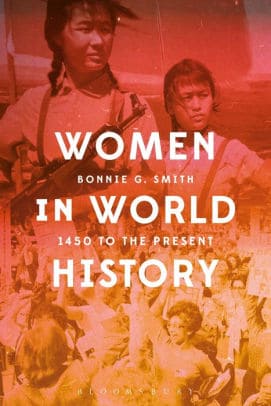
Women in World History brings together the most recent scholarship in women’s and world history in a single volume covering the period from 1450 to the present, enabling readers to understand women’s relationship to world developments over the past five hundred years.
Women have served the world as unfree people, often forced to migrate as slaves, trafficked sex workers, and indentured laborers working off debts. Diseases have migrated through women’s bodies and women themselves have deliberately spread religious belief and fervor as well as ideas. They have been global authors, soldiers, and astronauts encircling the globe and moving far beyond it. They have written classics in political and social thought and crafted literary and artistic works alongside others who were revolutionaries and reform-minded activists.
Historical scholarship has shown that there is virtually no part of the world where women’s presence is not manifest, whether in archives, oral testimonials, personal papers, the material record, evidence of disease and famine, myth and religious teachings, and myriad other forms of documentation. As these studies mount, the idea of surveying women’s past on a global basis becomes daunting. This book aims to redress this situation and offer a synthetic world history of women in modern times.
UI Libraries are now accepting course reserve lists for the upcoming Spring semester at the Main Library, Hardin Library, and branch libraries. Please note the following changes. Not all libraries are offering to place print books on Course Reserve for spring 2021. Online access to books through HathiTrust’s Emergency Temporary Access Service (ETAS) ends December 28, 2020. If a title was used in the Fall semester, you will need to contact your library to verify access for the Spring semester.
Requesting Materials for Course Reserve
Physical access to books is projected to resume by January 25, 2021. Access to library collections for in-person check-outs will vary by library.
E-books. Library staff will search for a requested eBook title; if an eBook is unavailable the instructor will be notified.
ILL service. When no eBook is available, instructors may request chapters for posting on ICON from our ILL department. The amount of individual book chapters requested is determined through the Fair Use checklist.
Streaming video. Library staff will search for a streaming video option. If unavailable, then the instructor will be notified.
The University Libraries is seeking nominations for the Arthur Benton University Librarian’s Award for Excellence. Funded by a generous endowment, this award acknowledges a library staff member’s professional contributions in the practice of librarianship, service to the profession, scholarship, or leadership which has had a significant impact or innovation to the operations of the Libraries or the University of Iowa. The library staff member will receive $2,000 to be used for professional development activities.
*The University Libraries includes the Main Library, Hardin Library for the Health Sciences, and the Art, Business, Engineering, Music, and Science libraries. (Professional staff in the Law Library and other campus departmental library staff are not eligible.)
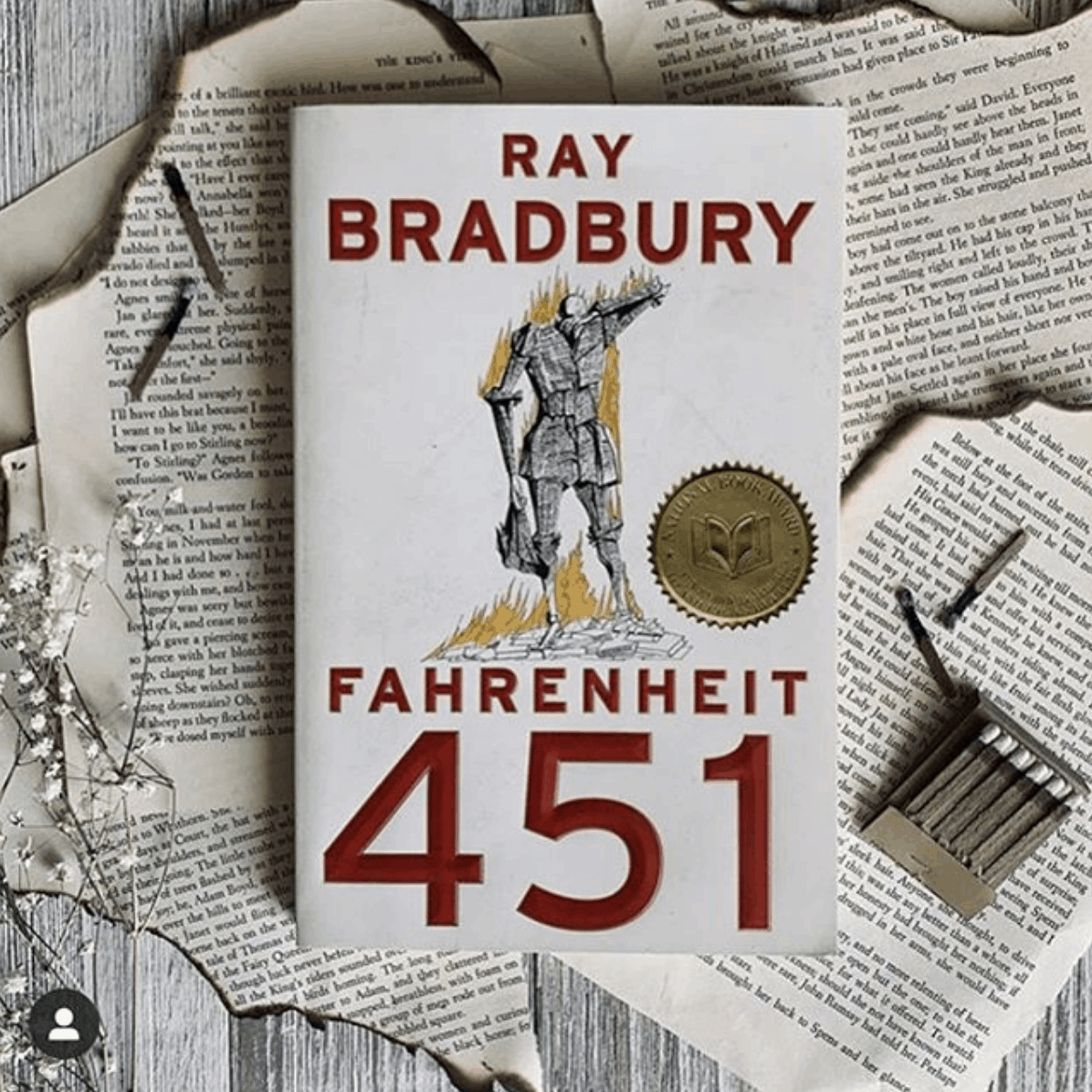
On Saturday, August 22, 2020, the University of Iowa Libraries will partner with national organizations to present the first annual Ray Bradbury Read-A-Thon. During this four-hour online event, a diverse group of celebrities and Bradbury experts, including Peter Balestrieri, curator of science fiction and popular culture collections at the University of Iowa Libraries Special Collections & Archives, will present a virtual reading of Bradbury’s classic novel Fahrenheit 451 streamed over YouTube beginning at 3:30 pm CDT.
The read-a-thon, which celebrates the centennial of Bradbury’s birth, is hosted by the Library of Congress, the Los Angeles Public Library, and the Alliance for Young Artists & Writers (presenter of the Scholastic Art & Writing Awards). Event partners are public and university libraries nationwide, including the University of Iowa Libraries, with its robust collections of primary source materials on science fiction writers, including Ray Bradbury.
The Read-A-Thon’s on-camera readers will be as diverse as America itself. Some 40 people, including Balestrieri, will pre-record a short segment of Fahrenheit 451. Those segments, and a few from celebrity guests, will be edited into one continuous reading of the entire book, creating four hours of thought-provoking entertainment.
Carla Hayden, Librarian of Congress, will provide the introduction to the reading. Additional introductions and readings will be given by John Szabo (Los Angeles Public Library), General Charles Bolden, Jr. (NASA), Ann Druyan (writer/producer/director), William Shatner (actor), Neil Gaiman (author), Marlon James (author), Marjorie Liu (author), P. Djèlí Clark (author), Brenda Greene (author), Alley Mills Bean (actress), James Reynolds (actor), Tananarive Due (author), Steven Barnes (author), and Rachel Bloom (actress).
Some readers, like Balestrieri, will record from their homes, others from their hometown libraries—or from the places where Bradbury himself lived, worked, and explored. Locations will include the historic rooms of the Los Angeles Public Library, the Library of Congress, and the former Carnegie Library building in Waukegan where Bradbury spent much of his childhood lost in books.
Ray Bradbury’s contribution to the literary landscape and our collective imagination made him one of the best-known writers of our time. His books now sit on library shelves alongside the works of authors he read in his youth at the Carnegie Library in Waukegan, Illinois. After his family moved to Los Angeles during the Great Depression, he discovered the stacks of the Venice library and many others: no matter where he lived, the library was his school. As Bradbury would later say: “I’m completely library educated. Libraries are absolutely at the center of my life. Since I couldn’t afford to go to college, I attended the library three or four days a week from the age of eighteen on, and graduated from the library when I was twenty-eight.”
Fahrenheit 451, a cautionary dystopian tale about the cost of apathy and the power of curiosity, is one of the most checked-out books at libraries throughout the United States. Viewers of the Read-A-Thon will discover–or rediscover–this redemptive story that is as powerful today as it was when it was first written. www.raybradbury.com
After the initial broadcast, the Read-A-Thon will be available until September 5, 2020.
The Participating Partners: Library of Congress, Los Angeles Public Library, and Alliance for Young Artists & Writers and the Contributing Libraries and Institutions are: Anchorage Public Library (Alaska), Athens Regional Library System (Georgia), Boston Public Library (Massachusetts), Broward County Library (Florida), Center for Black Literature at Medgar Evers College, CUNY (New York), Center for Ray Bradbury Studies (Indiana), Central Arkansas Library System (Arkansas), Charlotte Mecklenburg Library (North Carolina), Columbus Metropolitan Library (Ohio), Cushing Memorial Library & Archives, Texas A&M University (Texas), Des Moines Public Library and Library Foundation (Ohio), Indian Valley Public Library (Pennsylvania), Pima County Public Library (Arizona), San Francisco Public Library (California), South Pasadena Library (California), The Friends of the Venice Library (California), The Seattle Public Library (Washington), University of Alaska Anchorage Consortium Library (Alaska), University of Iowa Libraries (Iowa), University of Kansas Libraries (Kansas), University of Pittsburgh Library System (Pennsylvania), and the Waukegan Parks District and Library (Illinois)
RAY BRADBURY In a career that spanned more than seventy years, Ray Bradbury inspired generations of readers in a wide variety of genres to dream, think, and create. A prolific author of more than four hundred published short stories and close to fifty books, as well as numerous essays, plays, operas, teleplays, and screenplays, Bradbury is one of the most widely translated authors in the world and one of the most celebrated writers of our time. His enduring novels and short story collections include The Martian Chronicles, The Illustrated Man, The Golden Apples of the Sun, Fahrenheit 451, The October Country, Dandelion Wine, A Medicine for Melancholy, and Something Wicked This Way Comes. RayBradbury.com
LIBRARY OF CONGRESS The Library of Congress is the world’s largest library, offering access to the creative record of the United States — and extensive materials from around the world — both on- site and online. It is the main research arm of the U.S. Congress and the home of the U.S. Copyright Office. Explore collections, reference services and other programs at loc.gov; access the official site for U.S. federal legislative information at congress.gov; and register creative works of authorship at copyright.gov.
LOS ANGELES PUBLIC LIBRARY The Los Angeles Public Library system, with 72 branches, serves the residents of the City of Los Angeles. The system holds more than six million volumes, and with over 18 million residents in the Los Angeles Metropolitan area, it serves the largest population of any publicly funded library system in the United States. lapl.org
THE ALLIANCE FOR YOUNG ARTISTS AND WRITERS The Alliance for Young Artists & Writers, presenter of the Scholastic Art & Writing Awards, identifies teenagers with exceptional artistic and literary talent and brings their remarkable work to a national audience. Established in 1923 by Maurice R. Robinson, the founder of Scholastic Inc., the Awards are the longest-running, most prestigious recognition program for creative teenagers across America and one of the largest sources of scholarships for young artists and writers. The Awards have an impressive roster of notable Alumni, including Tshabalala Self, Stephen King, Kay Walking Stick, Charles White, Joyce Carol Oates, and Andy Warhol. This past year, the Alliance received 320,000 submissions from 112,000 students, grades 7-12 (ages 13 and up) from across the nation. The Alliance is proud to partner with the Ray Bradbury Foundation to launch the Ray Bradbury Award for Science Fiction and Fantasy as part of its 2021 Awards offerings. artandwriting.org
UNIVERSITY OF IOWA LIBRARIES The University of Iowa Libraries’ Special Collections and Archives holds a wealth of rare and unique materials related to Ray Bradbury—from amateur writing and artwork found in science fiction fanzines to his first professional work that appeared in pulp magazines. Our collections include special editions of his books, early photographs, an anti-fascism statement he signed as a teenager, and much more. For more information, please visit www.lib.uiowa.edu/sc, email lib-spec@uiowa.edu, or contact Peter Balestrieri, curator of science fiction and popular culture, at peter-balestrieri@uiowa.edu.
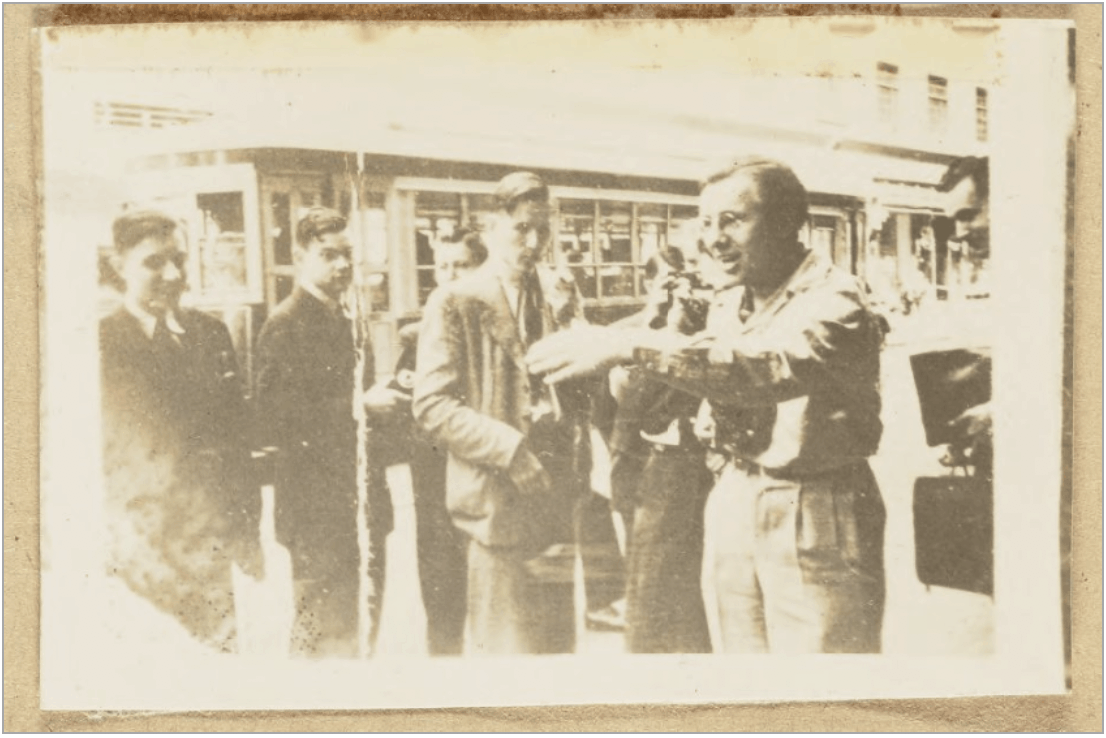
An example from the collections at the University of Iowa Libraries: above is an image of Ray Bradbury (right in glasses) at the age of 19 at the First World Science Fiction Convention in New York, New York, 1939. This image is found in the 1942 “Nycon Report” fanzine, edited by Julius Unger and found in the Hevelin Collection of Science Fiction Materials (MsC0936). See the complete fanzine in the Iowa Digital Library: https://digital.lib.uiowa.edu
When campus libraries reopen on Aug. 17, services will resume in phases. To begin the semester, the Hardin Library for the Health Sciences, the Main Library, and the Sciences Library will allow building access only to University of Iowa members with a valid Iowa One Card or UI Health Care Badge. Also, all campus libraries will have shorter hours, closed book stacks, and some study areas will be unavailable.
These measures allow for appropriate quarantine of returned materials, reduce concerns about cleaning, and support social distancing due to COVID-19. Access will vary by location. For example, the Music Library and Art Library will limit occupancy by restricting access to service desks only. At the Main Library, access to the fourth and fifth floors will be limited to staff only, thus reducing impact on custodians.
“The Libraries staff understand users will be disappointed that they will be unable to browse the book stacks and fully utilize library study areas,” says John Culshaw, university librarian. “We hope conditions will shift soon, enabling us to restore access and hours. In the meantime, our plan reflects those at other libraries, including our Big Ten peers.”
In addition to limiting the risk of exposure to COVID-19 in the facility, closed stacks keep the Libraries in compliance with copyright agreements with HathiTrust Emergency Access Service (ETAS), which supplies emergency online access to a large portion of our collection. The ETAS service gives the Libraries access to nearly 50% of its print volumes. Find step-by-step access instructions for HathiTrust here. The ETAS service can remain available only while our stacks are closed.
Users can still borrow books by requesting book retrieval from the stacks at any campus library. Users are encouraged to request books in advance through Infohawk+. After requesting a book, users can choose from several ways to get the book. Faculty and staff can opt for delivery to campus offices. All borrowers, including community members, can request delivery by mail. Books borrowed from the Main Library’s collections can be picked up through a contactless service at the south entrance of the Main Library. Procedures vary by location; please check with your campus library for instructions.
As the semester unfolds, the Libraries will continue to monitor the situation. When deemed safe, the Libraries will consider extending hours and opening stacks for browsing.
Thank you for your patience as we navigate changing circumstances. Please contact us at any of our campus locations with questions regarding book access. Visit our fall 2020 FAQ for complete information about changes in library services.