Newsfeed:
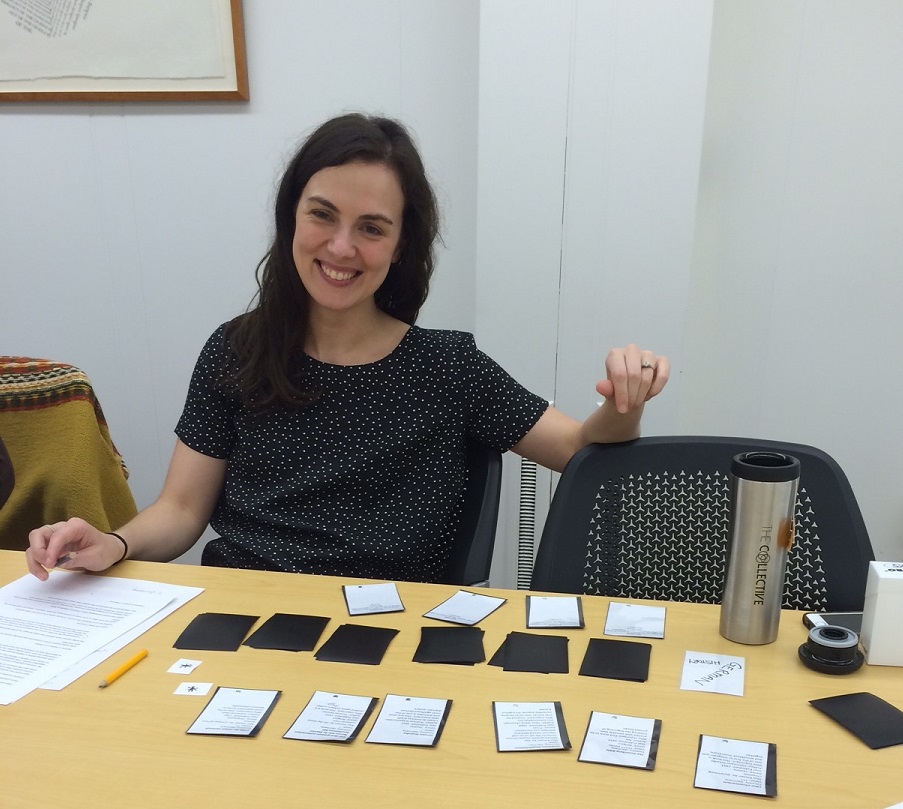
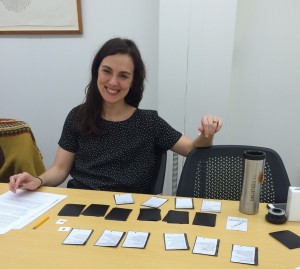
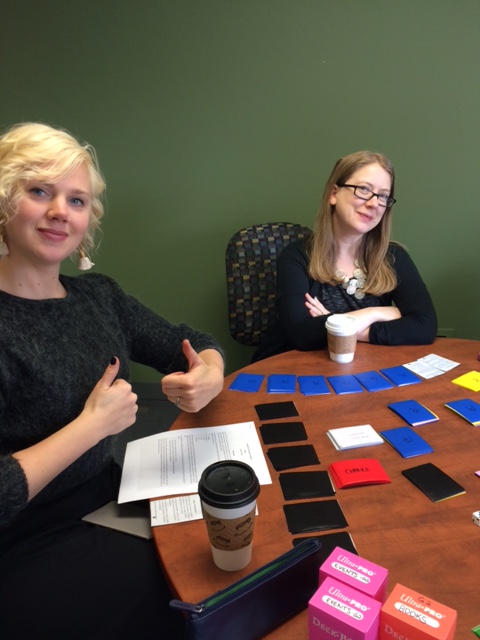
- Blog post: Updates on History of the Book: The Game by Amy Chen. https://blog.lib.uiowa.edu/speccoll/2016/04/04/updates-on-history-of-the-book-the-game/
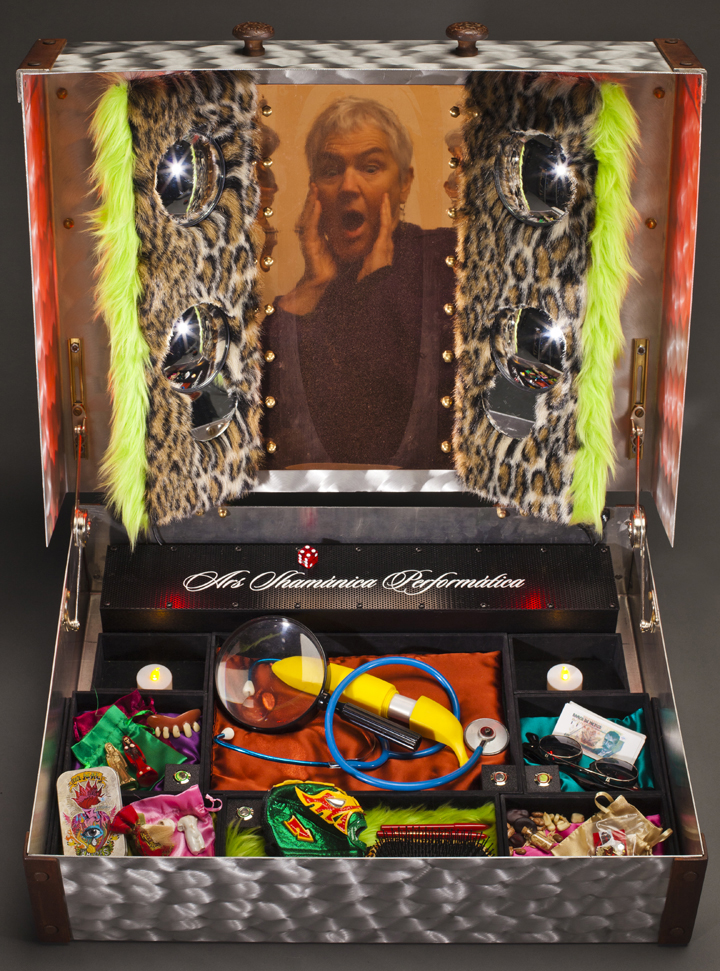
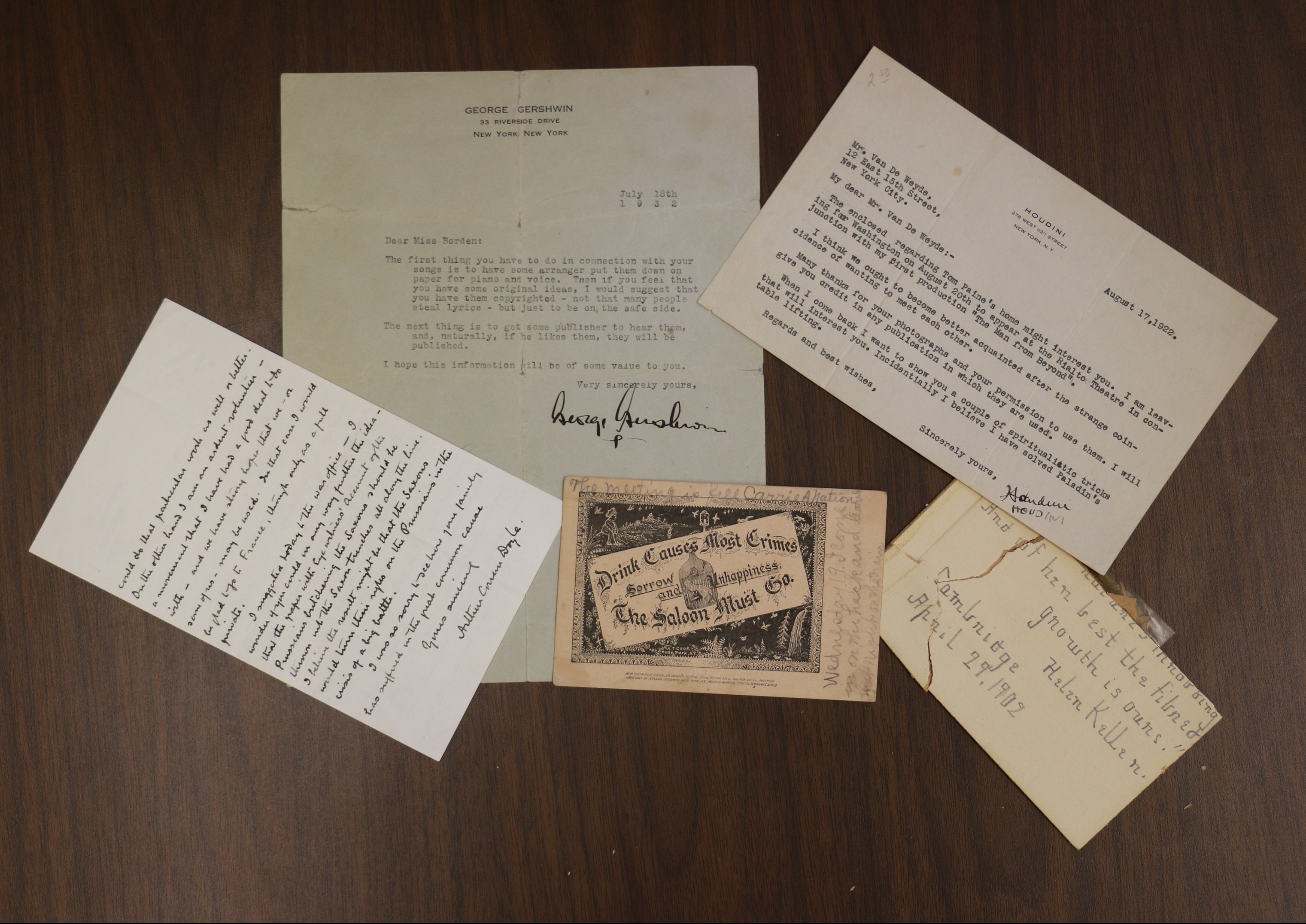
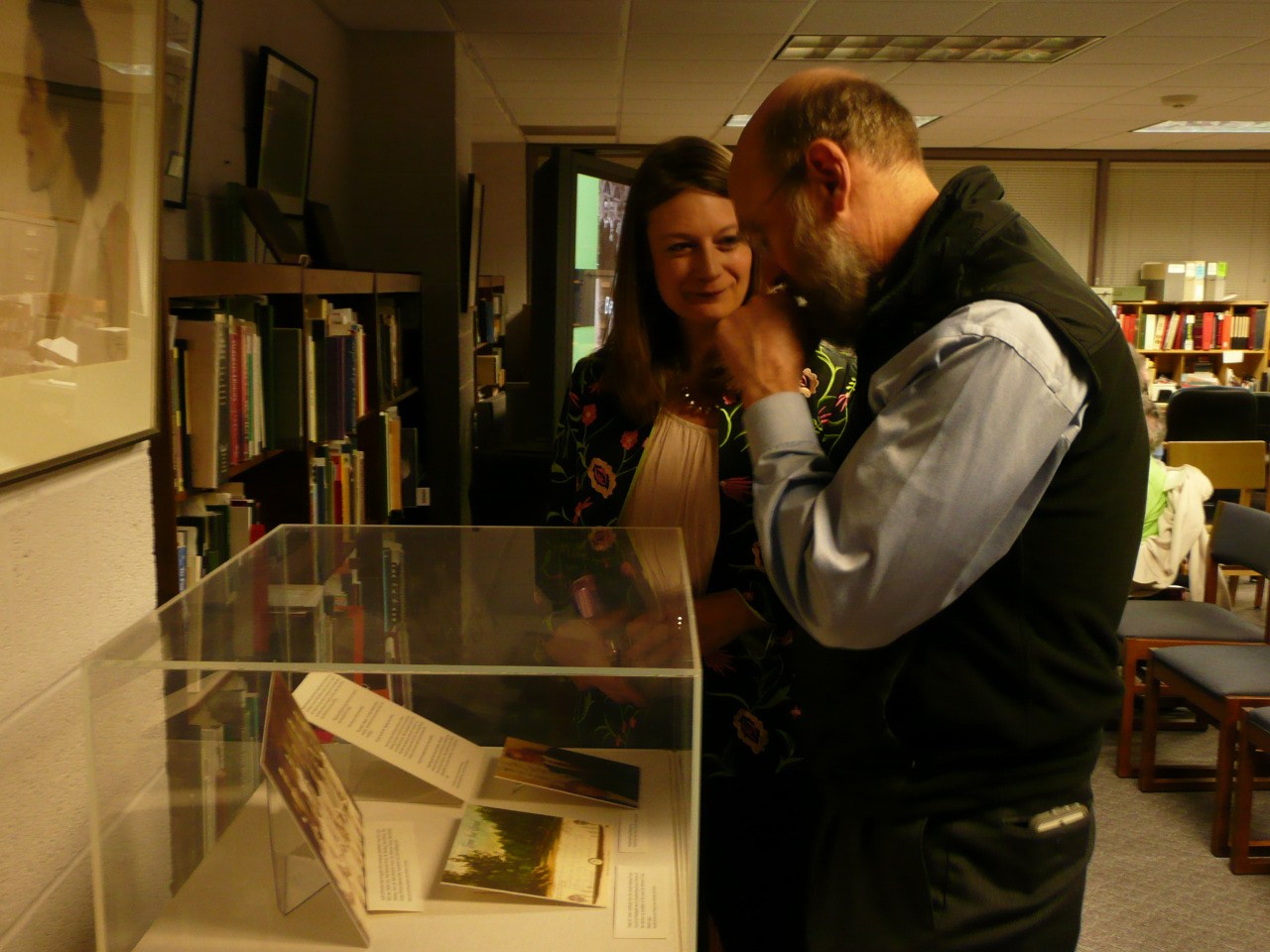
- Blog post: Felicia Rice and Guillermo Gómez-Peña Artwork Doc/Undoc on Display. https://blog.lib.uiowa.edu/speccoll/2016/04/05/felicia-rice-and-guillermo-gomez-pena-artwork-docundoc-on-display/
- Iconic artist Corita Kent profiled on CBS Sunday morning: http://www.cbsnews.com/news/corita-kent-an-overshadowed-pop-art-icon/Kent was born in 1918 in Fort Dodge, Iowa. You can learn more about her in the Iowa Women’s Archives, where many of her serigraph prints are preserved in the papers of her lifelong friend Josephine Pletscher.
- New site proposed for UI art museum http://www.press-citizen.com/story/news/education/university-of-iowa/2016/04/03/new-location-university-of-iowa-museum-art/82587646/
Events:
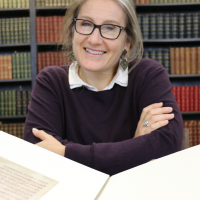
- Wednesday, 4/13: Iowa Bibliophiles, Jane Murphy and Mark Brookfield, 36 year partners in Murphy-Brookfield Books, will talk about the enormous changes brought on by Internet bookselling in the last 20+ years. (Refreshments 6:30 PM, Talk 7:00 PM, Special Collections Reading Room).
- Saturday, 4/30: Music & Magic Lanterns at CSPS in Cedar Rapids. More information: http://bestevents.us/cedar-rapids-music-and-magic-lanterns/1087032
Upcoming Deadlines:
- Extended to 4/15: Apply for the Linda and Richard Kerber fund for financial support for those traveling to do research in the Iowa Women’s Archives. Read more.
- Friday, 6/3: Proposals for seminars for the 2017 Rare Books and Manuscripts Conference held in Iowa City. Read More.
Instruction:
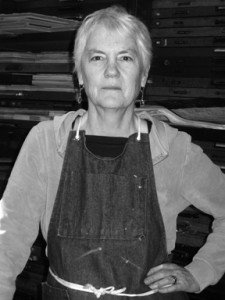
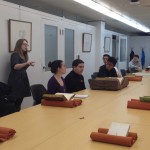
Last week, we had eight classes in special collections plus a visit from Twinrocker Paper’s Kathy and Howie Clark on Friday afternoon. The Clarks spoke to an audience of Center for the Book faculty and students and generously shared examples of their work.
New Acquisition:
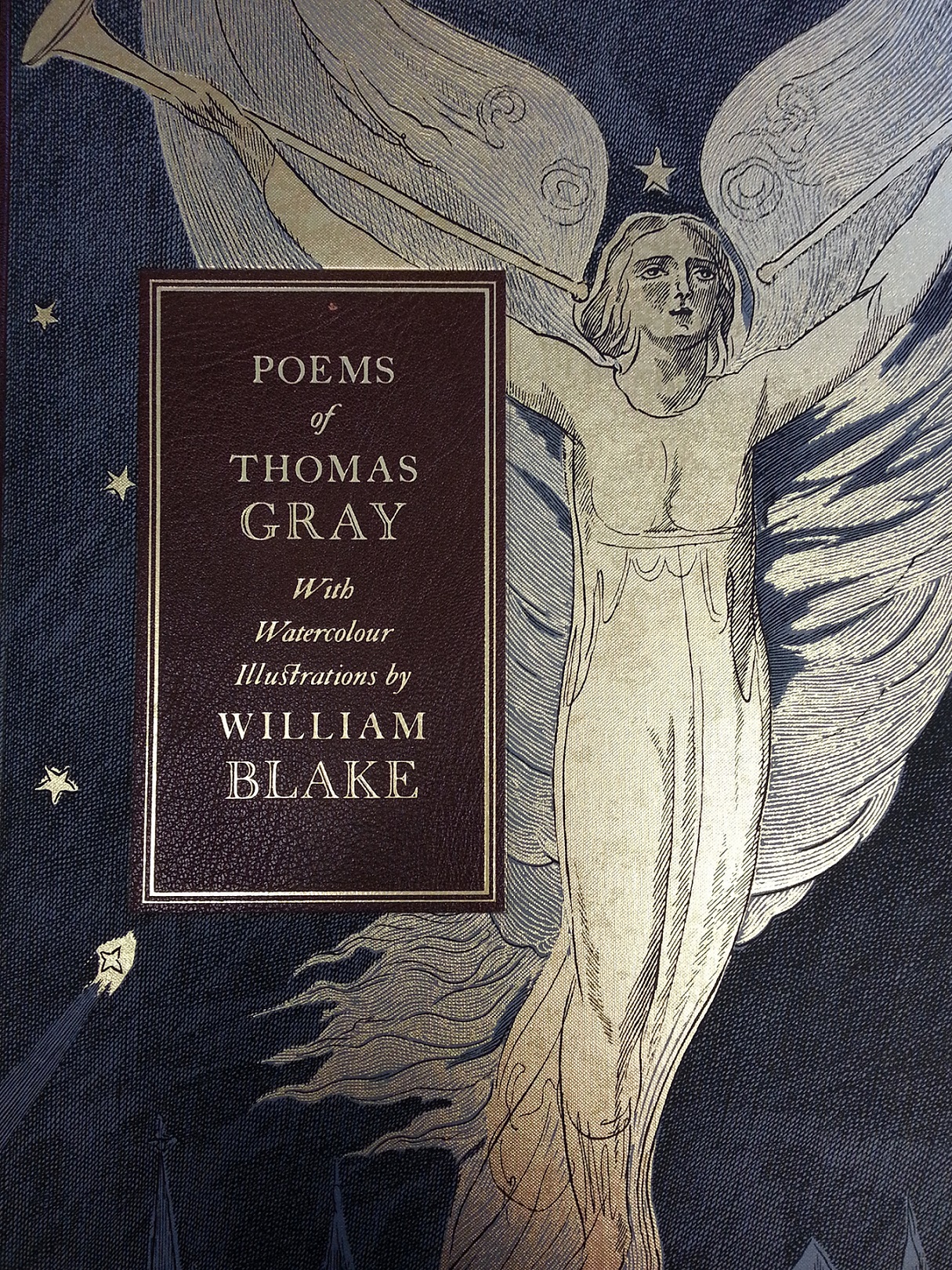
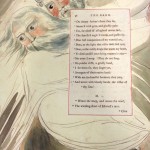
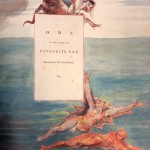
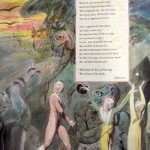
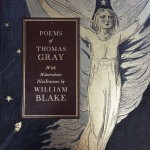
Poems of Thomas Gray, illustrations by William Blake
This Folio Society reproduction is absolutely gorgeous, and while we’ve posted about it before on social media, I couldn’t resist another go. “Ode on the Death of a Favorite Cat Drowned in a Tub of Golden Fishes” also seemed to deserve highlighting.
Social Media:
https://www.instagram.com/p/BD81_oQRx7i/?taken-by=uispeccoll
Donate to the University Libraries’ Special Collections Fund
Want to stay connected? Follow us on social media:


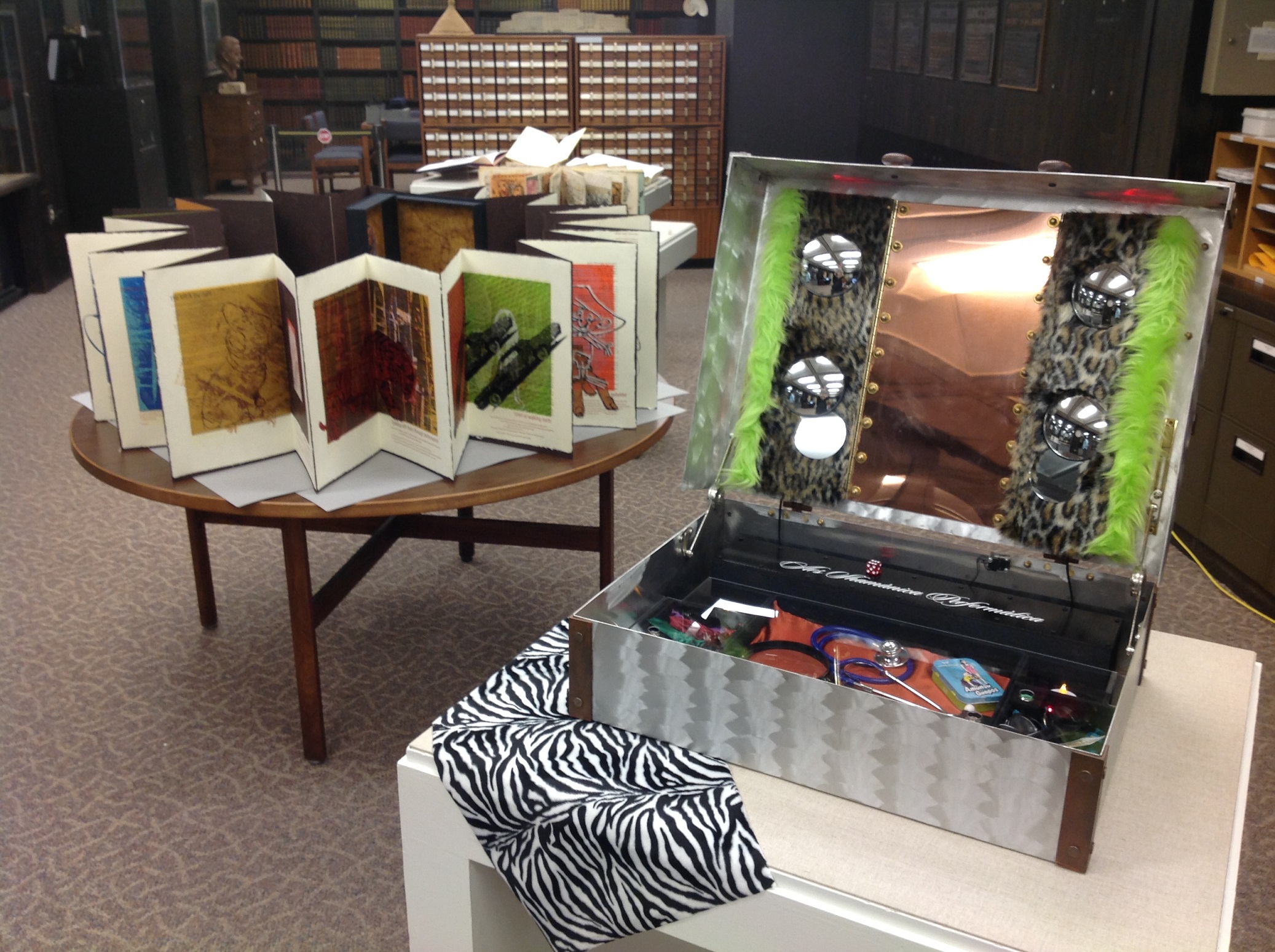
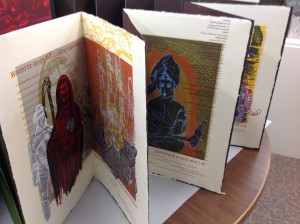
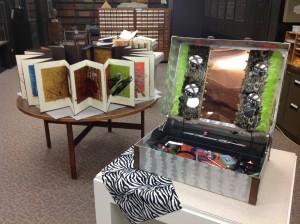
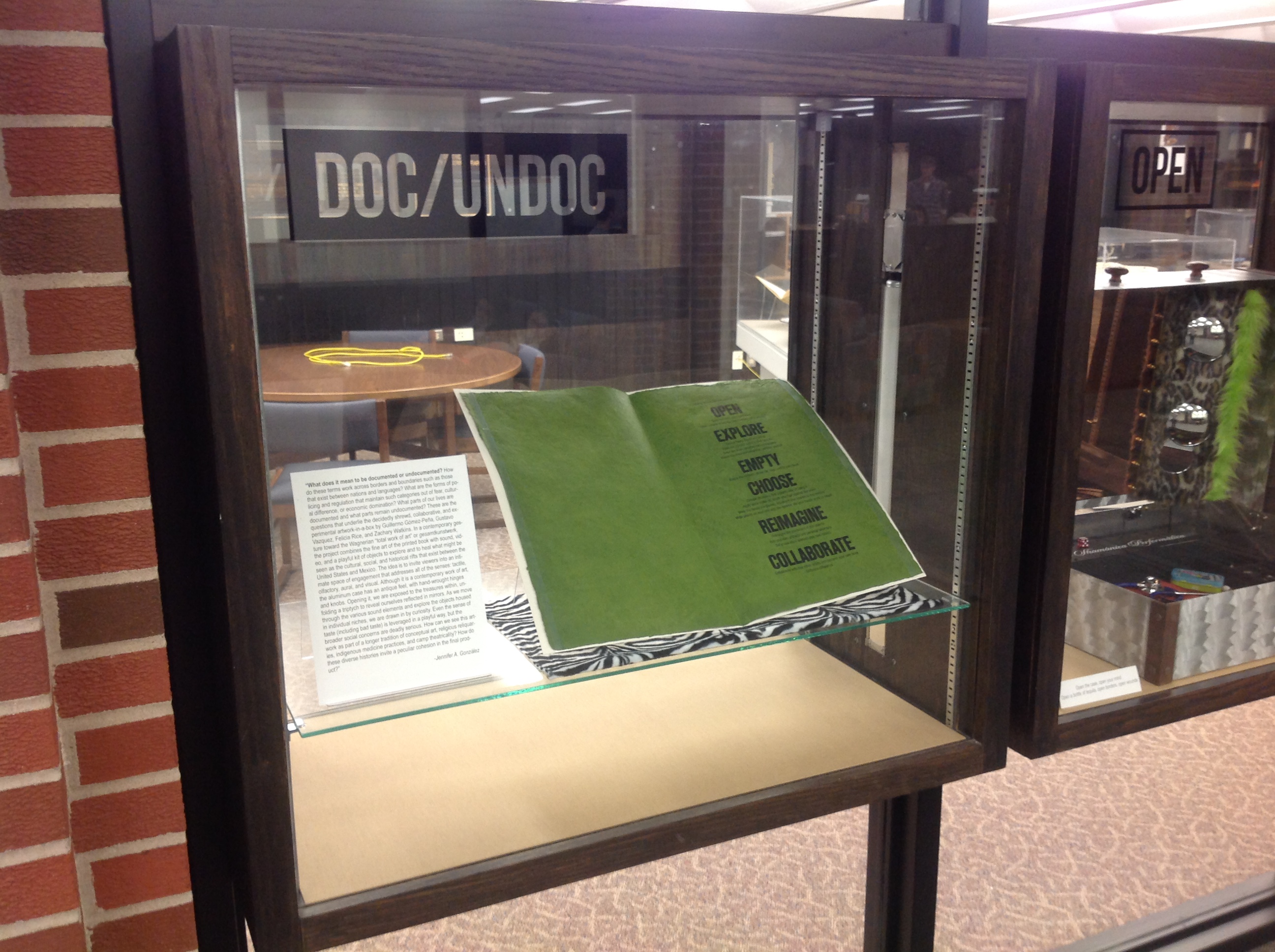
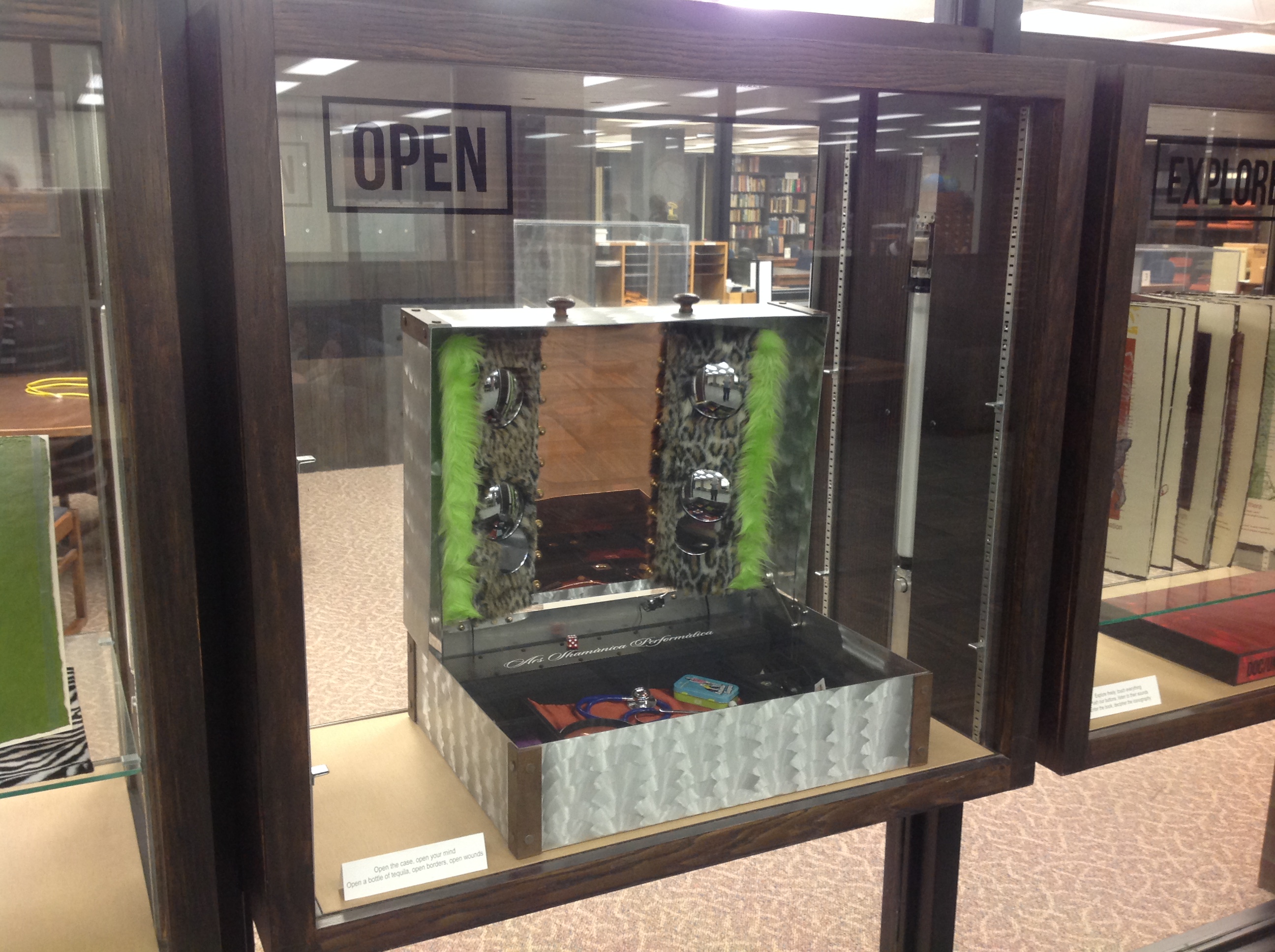
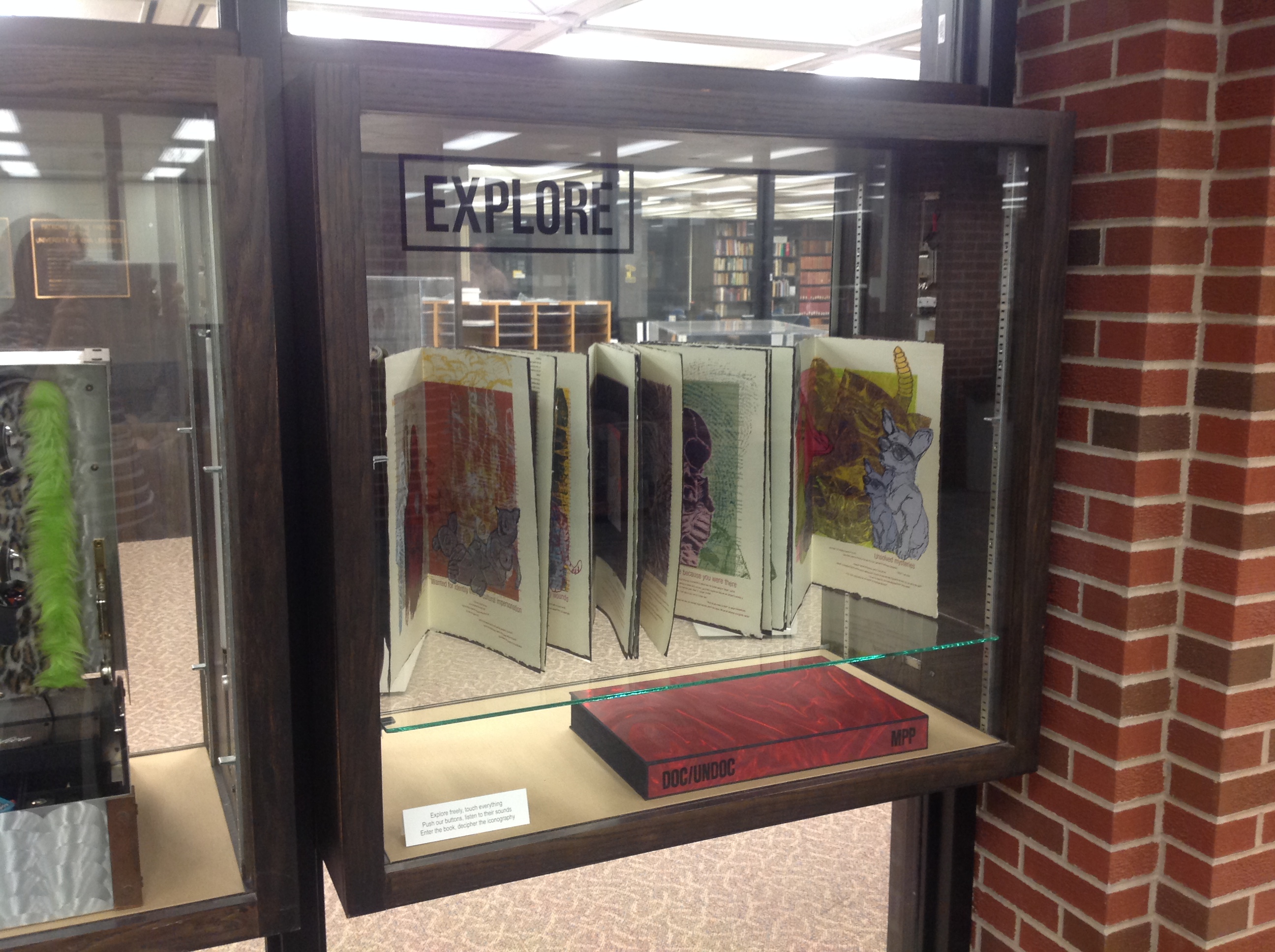
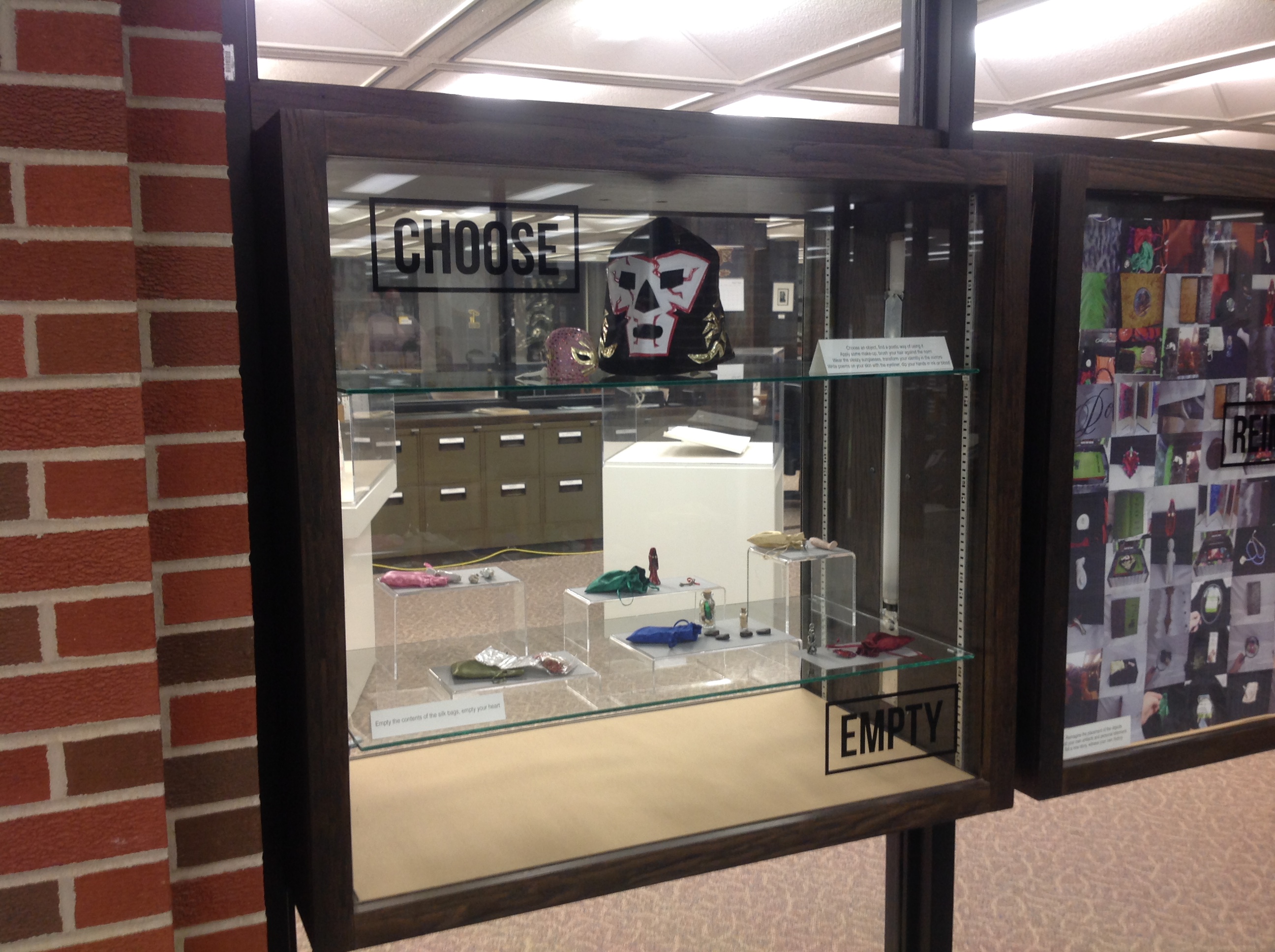
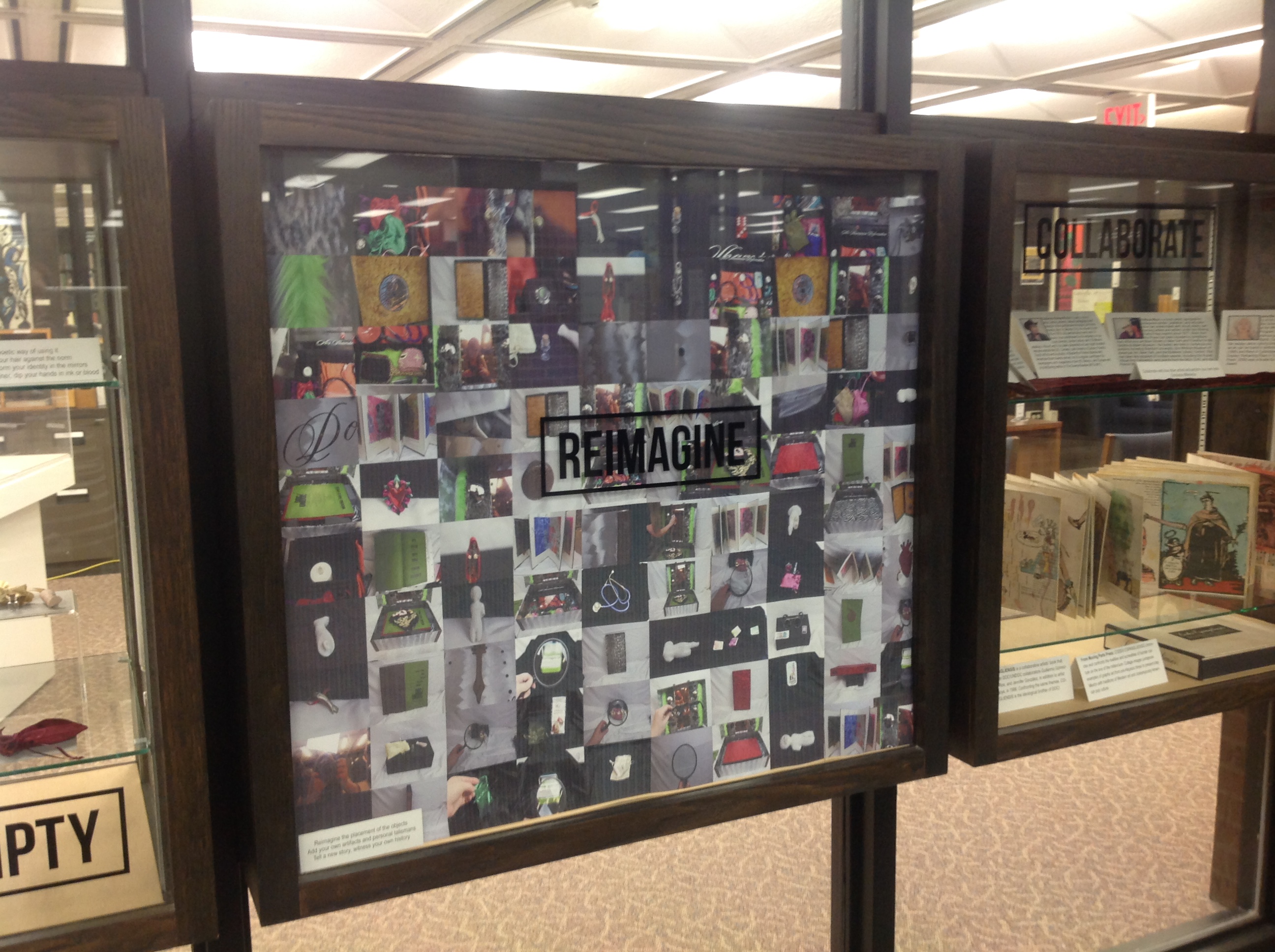
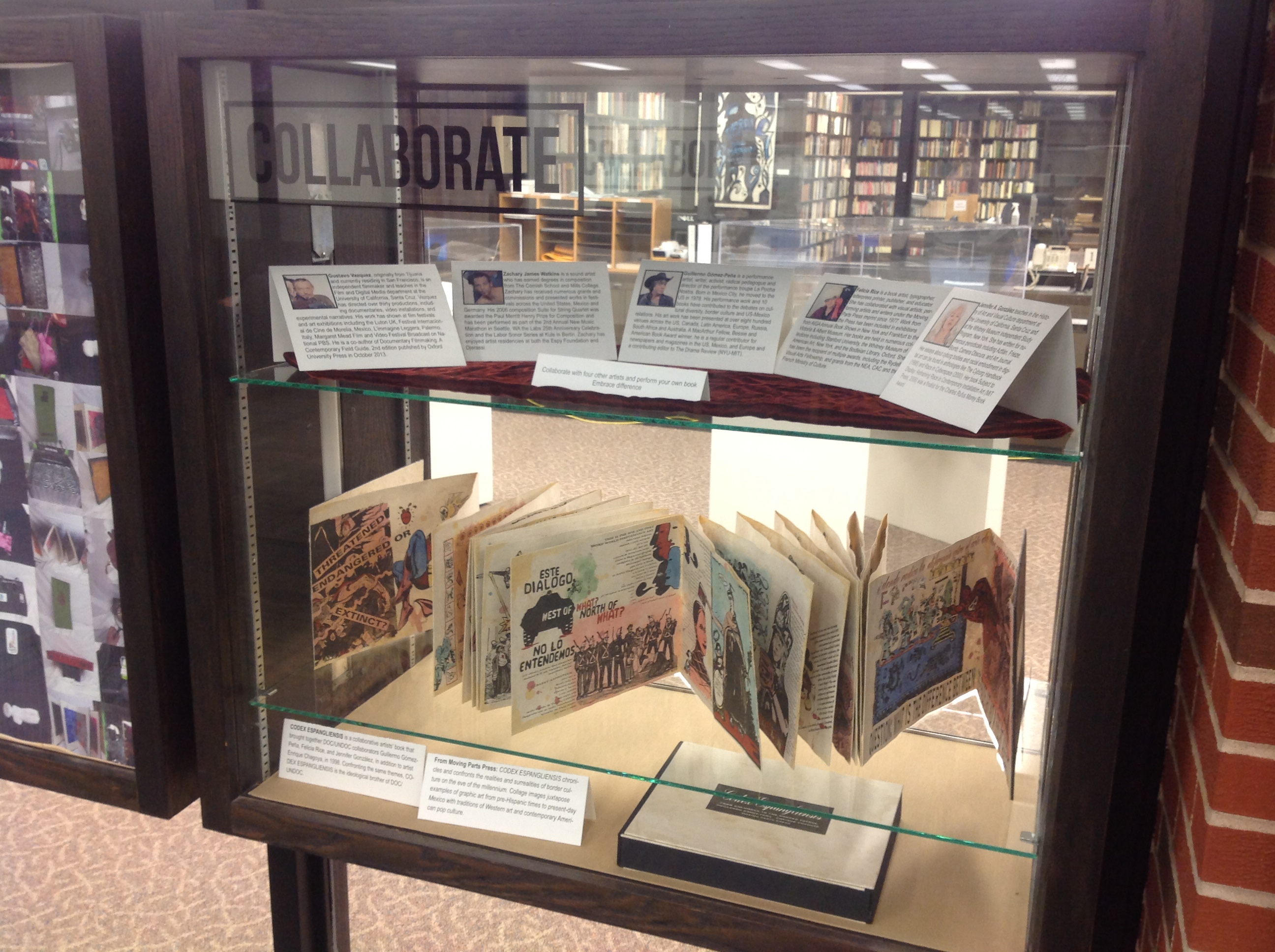
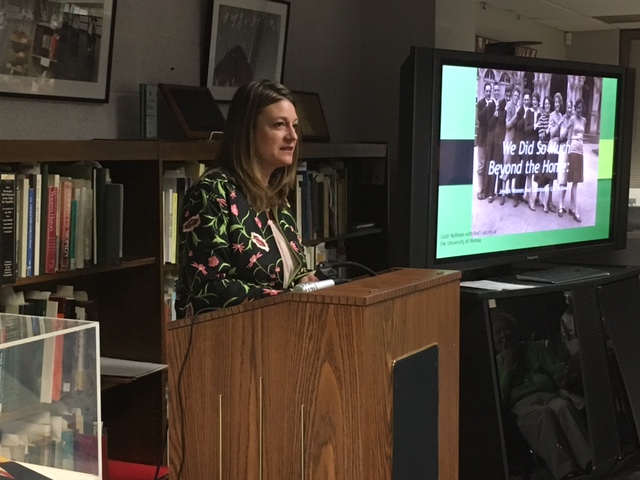
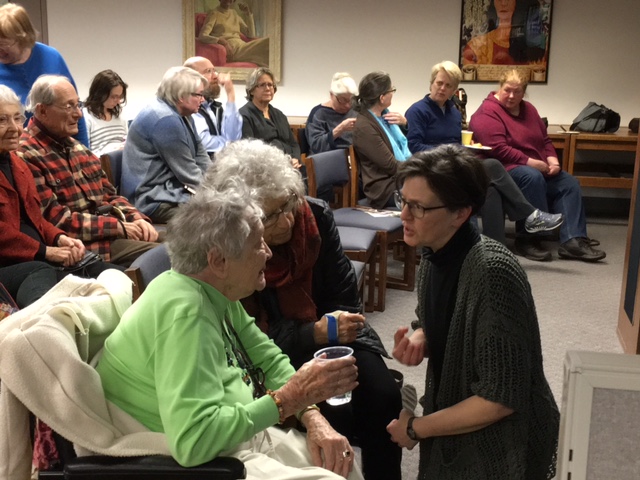
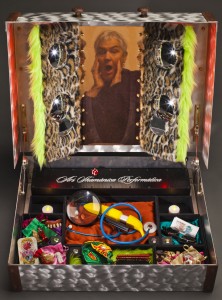 Wednesday, 3/30: Felicia Rice, Doc/Undoc (lecture performance), followed by a public conversation with Guillermo Gόmez-Pẽna (5 PM, Special Collections Reading Room).
  Spring Break week we had two class sessions: one from Grinnell and one from Coe College. Special collections staff co-taught a one credit museums studies spring break course with campus museum curators.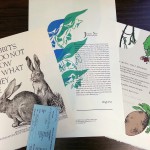
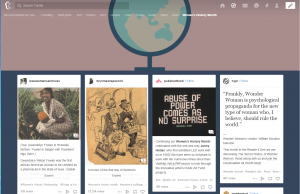 The Iowa Women’s Archives had a post featured by Tumblr as part of a special curated group of posts for Women’s History Month. Consequently, the post now has nearly 1000 likes and reblogs. See the post about Gwendolyn Fowler and life after graduating as a certified pharmacist from the State University of Iowa in 1936 here: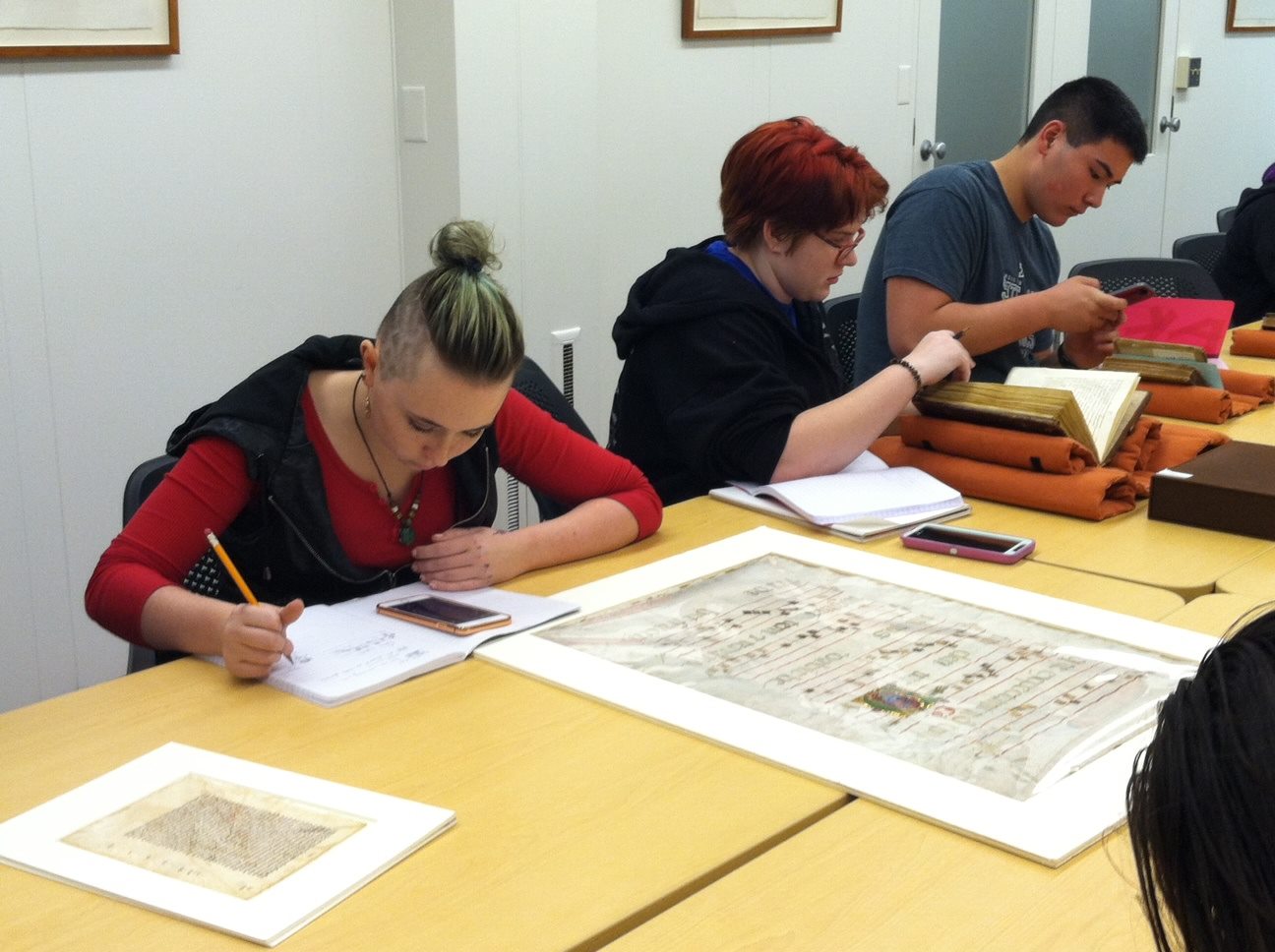
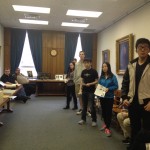
 On Tuesday March 22, 2016 Special Collections welcomed 28 students from Norwalk High School, Norwalk, IA. The students were those of art teacher Maggie Harlow-Vogt. They had traveled all the way from Norwalk to Iowa City seeking inspiration from Special Collections and the Library’s Conservation Lab for their next art projects!
 Heather Wacha, a graduate student in the Department of History, has been working to introduce area high school students to the value and importance of resources held in Special Collections. The Norwalk visit is part of a larger project that involves University of Iowa students transcribing and translating a 1699 Spanish will held in Special Collections for digital publication. The art students from Norwalk High School, along with Spanish students from Central Academy in Des Moines, are interacting with the Spanish will in a variety of ways that both fit their class curriculum and simultaneously generate enthusiasm and creativity. Each student’s final project will be able to be published on the same website that will hold the manuscript’s digital publication created by the UI students.
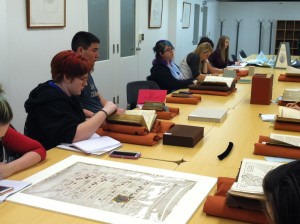 From Harlow-Vogt’s perspective, Tuesday’s visit sparked amazing conversations in the bus on the way home. The following day in their art classes, Harlow-Vogt noted that “The students who did not go to the University of Iowa were a bit overwhelmed by the passion and excitement that the other students brought back with them. Those that could not go felt that they had really missed out on a great adventure!”