The University of Iowa Libraries are pleased to announce a new open access agreement with the Biochemical Society, effective through Dec. 31, 2026.
The agreement, negotiated through the Big Ten Academic Alliance (BTAA), guarantees full read access to all Biochemical Society journals (published by the Society’s publishing arm, Portland Press) and unlimited, fee-free open access publishing by corresponding authors affiliated with the University of Iowa.
Emerging Topics in Life Sciences (co-owned with the Royal Society of Biology)
To confirm eligibility, corresponding authors simply designate their University of Iowa affiliation upon submission. Detailed instructions are available from Portland Press.
Through this agreement, UI authors can publish their work open access without paying Article Processing Charges (APCs). Authors retain copyright of their articles which are published with Creative Commons CC-BY or CC BY-NC-ND licenses.
Open access publishing helps UI research reach a wider audience because it is free to read and not limited to subscribers. The Royal Society of Chemistry Open Access Agreement is one of a growing number of open access agreements in which the UI Libraries participates as part of its commitment to support open access.
The University of Iowa Libraries are pleased to announce an expanded open access agreement with the Royal Society of Chemistry (RSC), effective Jan. 1, 2024, through Dec. 31, 2026.
The agreement expands our limited 2023 agreement, providing:
Open Access publishing of an unlimited number of articles by corresponding authors affiliated with the University of Iowa, without payment of article processing charges in any of the RSC journals;
Access to read articles in all RSC Journals for the University of Iowa community.
All RSC journals are eligible, including RSC Advances, Gold OA journals, and hybrid journals.
To confirm eligibility, corresponding authors simply designate their University of Iowa affiliation and use their University of Iowa email address upon submission and in the manuscript. Detailed instructions are available from RSC.
Through this agreement, UI authors can publish their work open access without paying Article Processing Charges (APCs). Authors retain copyright of their articles which are published with Creative Commons CC-BY or CC BY-NC licenses.
Open access publishing helps UI research reach a wider audience because it is free to read and not limited to subscribers. The Royal Society of Chemistry Open Access Agreement is one of a growing number of open access agreements in which the UI Libraries participates as part of its commitment to support open access.
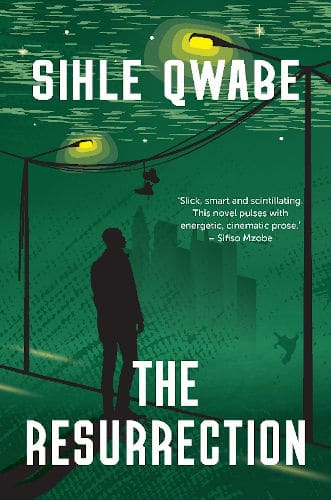
Victor Zulu has to take control of the family-owned club in which both his father and brother were killed. Will he be next? He’ll have to watch his back with gangsters coveting the club as a place to push drugs. Meanwhile, his brother’s best friend, Fana, wants to buy the club from the Zulus – but with what money? And then there’s Busie, his brother’s widow whom Victor secretly loves, but even she seems to have secrets. A thrilling tale of mystery and suspense, danger and daring.
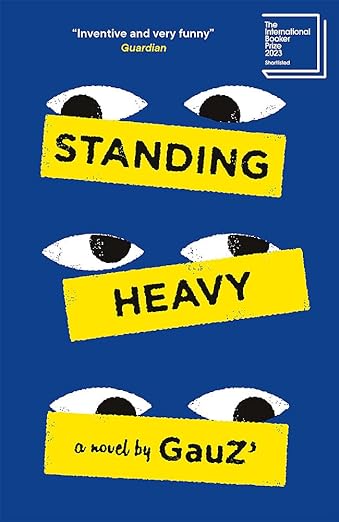
The 1960s – Ferdinand arrives in Paris from Côte d’Ivoire, ready to take on the world and become a big somebody.
The 1990s – It is the Golden Age of immigration, and Ossiri and Kassoum navigate a Paris on the brink of momentous change.
The 2010s – In a Sephora on the Champs-Élysées, the all-seeing eyes of a security guard observes the habits of those who come to worship at this church to consumerism.
Amidst the political bickering of the inhabitants of the Residence for Students from Côte d’Ivoire and the ever-changing landscape of French immigration policy, Ferdinand, Ossiri and Kassoum, two generations of Ivoirians, attempt to make their way as undocumented workers, taking shifts as security at a flour mill.
Sharply satirical, political and poignant, Standing Heavy is a searingly witty deconstruction of colonial legacies and capitalist consumption, an unprecedented and unforgettable account of everything that passes under a security guard’s gaze.
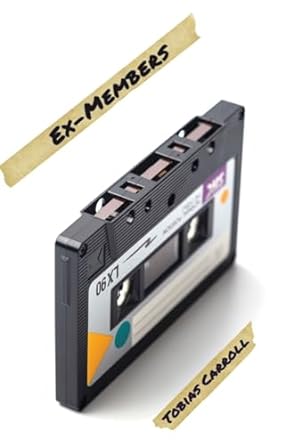
There are ruined things in the town of New Dutchess, New Jersey. A hotel that was never finished; a train line that never came. This is the town that Åsa Morgan thought she’d leave behind; this is the town Virgil Carey couldn’t leave. It’s the town where Dean Polis first started writing songs, and the town where something awful fell from a building one day. It’s where the band Alphanumeric Murders got their start, and where a series of tape recordings reveal the troubled history of the band and the lives of its members.
Ex-Members is a novel about punk scenes, old secrets, and hometowns that stalk us and break our hearts despite our best efforts to escape.
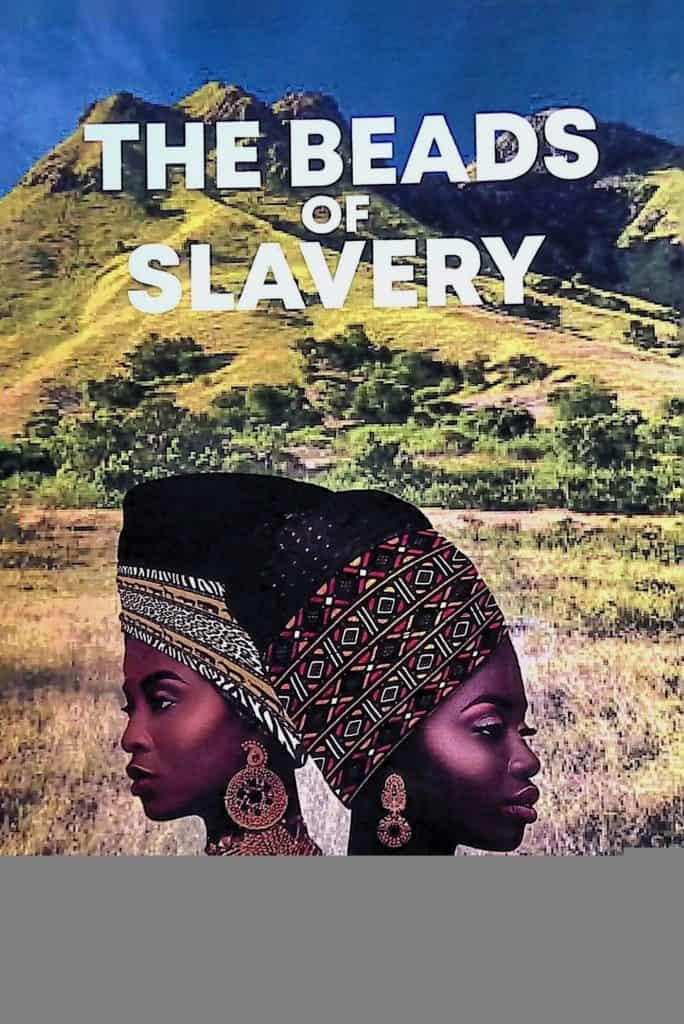
The Beads of Slavery is a fiction story about twins who were separated at birth grew up in different societies with diverse culture, their destiny of uniting two communities had them fall in love with the same man.
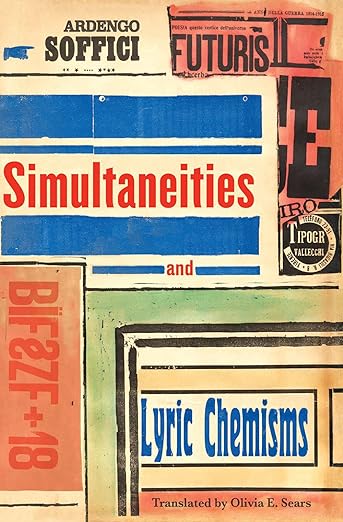
A vital reconstruction of Italian Futurist poet Ardengo Soffici’s visual poetics, presented for the first time in English in Olivia E. Sears’s exacting translations.
With a foreword by Marjorie Perloff
With unexpected lyricism, buzzing between the entropic and the erotic, Soffici’s unrelenting poems manifest his milieu’s fascination with the metropolis. Guillaume Apollinaire called it “very important work, rich in fresh beauties.” This facsimile-style edition–with a foreword by Marjorie Perloff, helpful annotations, and an informative afterword by the translator–offers a glimpse into the vibrant early avant-garde, when modernity held tremendous promise.
This is the first work of fiction based on the struggle of the Ogoni ethnic nationality. It is set in Bukhana. Niger Delta Command tells the story of betrayals, lies and jealousy that imploded the struggle of the Bukhana kingdom, an oil-producing tribe. The author uses suspense and flash-backs to recall how the mass movement was built, how indigenous ideologies transformed into a movement of international repute. How local people destabilized a nation-state, Ngana Federation and the major oil firm, Deep Oil.
The story is built around Patrick Deebom, a young activist groomed for a dangerous mission by his Uncle; who uses his connections in the force to set up a militia group. Navy Captain JJ Martins-Yellow and his friends are determined to free Prof. Benaale Saro Bunaale detained in military cells. Thus, they formed the Niger Delta High Command (NDHC), mobilized resources for media war against the government, stole weapons to attack oil installations, and infiltrate government security networks.
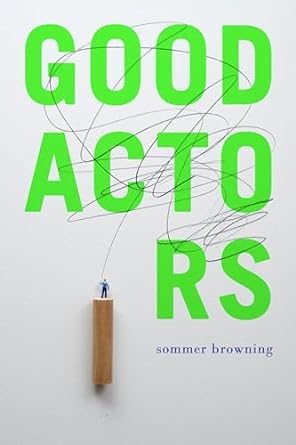
At birth we are given a role–it is our name. Good Actors is a side-eyed illumination of the artist as self-help guru, oracle, and sage, but more importantly as mother, lover, and friend. Part psychological experiment, part conceptual art piece, part screenplay, Good Actors is 100% a joyful celebration of language and life. And because it is Sommer, the book is hilarious, melancholy, and existential.
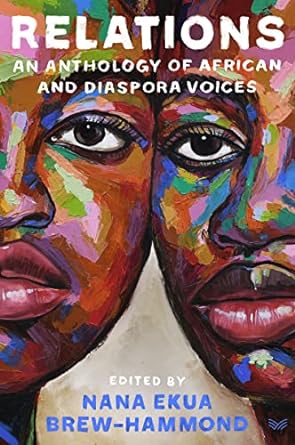
Fresh and electrifying—stories, poems, and essays by African and diaspora writers, edited by author Nana Ekua Brew-Hammond.
Relations punctures the human illusion of separation. New and established storytellers reshape the narratives that divide and subjugate, revealing the truth of our shared humanity despite differences in language, identity, class, gender, and beyond. This vital anthology is Nana Ekua Brew-Hammond’s striking vision of a meeting place of perspectives, centered in the African and diaspora experience.
In a post-Black Panther world, it is an urgent and welcome embrace of the diversity of Blackness. A refreshing collection of genre-spanning literature, it offers a vibrant meditation on being—inviting connection across real and imagined borders, and celebration of the most profound relations.
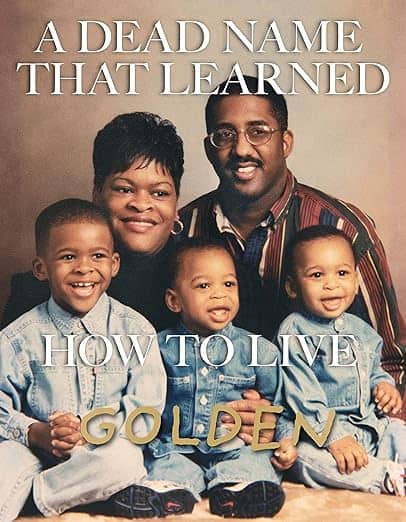
An honest lyric, a mighty harpoon straight from the heart, Golden’s debut collection, A Dead Name That Learned How to Live, weaves poems, family photographs, & self-portraits to share a journey of survival & living in the American south. Exploring themes of loss & legacy, nation & love language, forgiveness & fortitude, Blackness & being, Golden continually asks–What shifts within & around us when we choose to name ourselves & our kin here–our tragedy & triumphs, our human failures & feelings, our desires to be free?
Released on their parents’ 30th wedding anniversary (August 29th, 2022) as a dedicated love letter & living archive, this debut is an awe & ode towards southern Virginia & Eastern Shore Maryland, Black family pasts, presents, & futures, to Black queer beginnings & belongings outside and within the family home.
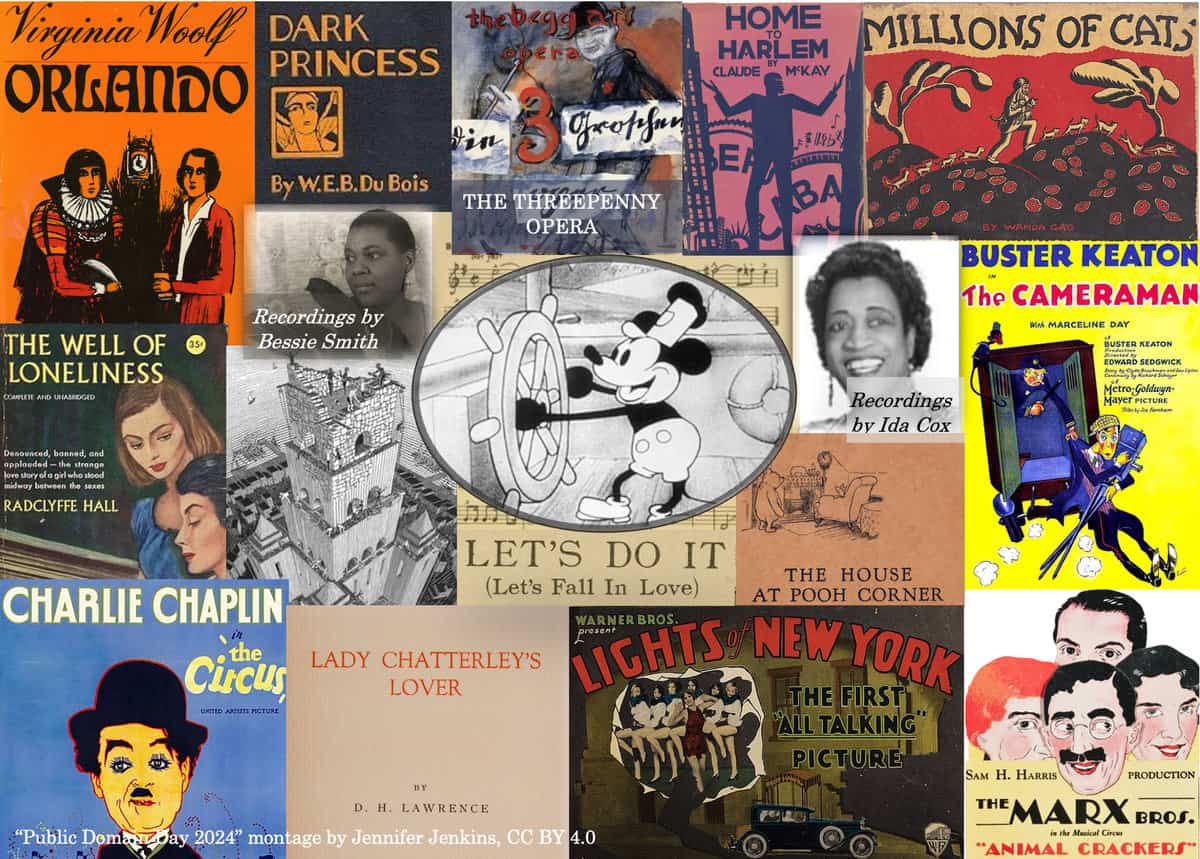
COURTESY: THE CENTER FOR THE STUDY OF PUBLIC DOMAIN AT DUKE LAW SCHOOL
Take note, aspiring animators: We’re officially 95 years out from Mickey Mouse’s 1928 debut, which means that Steamboat Willie and Plane Crazy are fair game for future use. Each year on Jan. 1, enthusiasts watch as a new bevvy of works enters the public domain — and in the world of intellectual property, 2024 started with a bang.
Many of the works added to the catalog this year reflect the major sociocultural shifts of the 1920s, and were greeted with the customary controversy on their first outings. This is particularly true of many of 1928’s landmark novels: Lady Chatterley’s Lover by D.H. Lawrence, Orlando by Virginia Woolf, and Dark Princess by W.E.B Du Bois. Major aesthetic strides were also being made in film; The Passion of Joan of Arc by Carl Theodor Dryer, starring Renée Jeanne Falconetti, is still regarded as a game-changing work of art, and elsewhere “talkies” were beginning to take over after their introduction the year prior.
Audio recordings follow slightly different rules when entering public domain, including a 100-year copyright, compared to the 95 years for film, literature, and written musical compositions. That means that James P. Johnson’s 1923 recording of his song Charleston, the tune that set the 1920s roaring, can be downloaded for free from the Library of Congress.
When a work enters the public domain, the public no longer needs to seek the artist’s permission to copy or use the work. This opens the door for creative riffs on the classics, and makes public domain materials available free of charge.
Here are some places to check out the newest creative works now in the public domain:
Interested in finding out more about U.S. copyright law and how to determine a work’s copyright status? The Scholarly Impact Department helps faculty work through complex copyright issues, such as what can be used in the classroom, how to retain your rights as an author, and how to apply Creative Commons licensing. Feel free to send an email to mahrya-burnett@uiowa.edu to set up a consultation. You might also try these excellent copyright resources:
Digital Copyright Slider – This Flash-based slider provides copyright status for works, depending on when they were published and whether copyright was renewed.
UI Libraries Copyright Guide – This guide provides the basics on copyright issues, such as Fair Use, seeking permissions, author rights, and licensing.
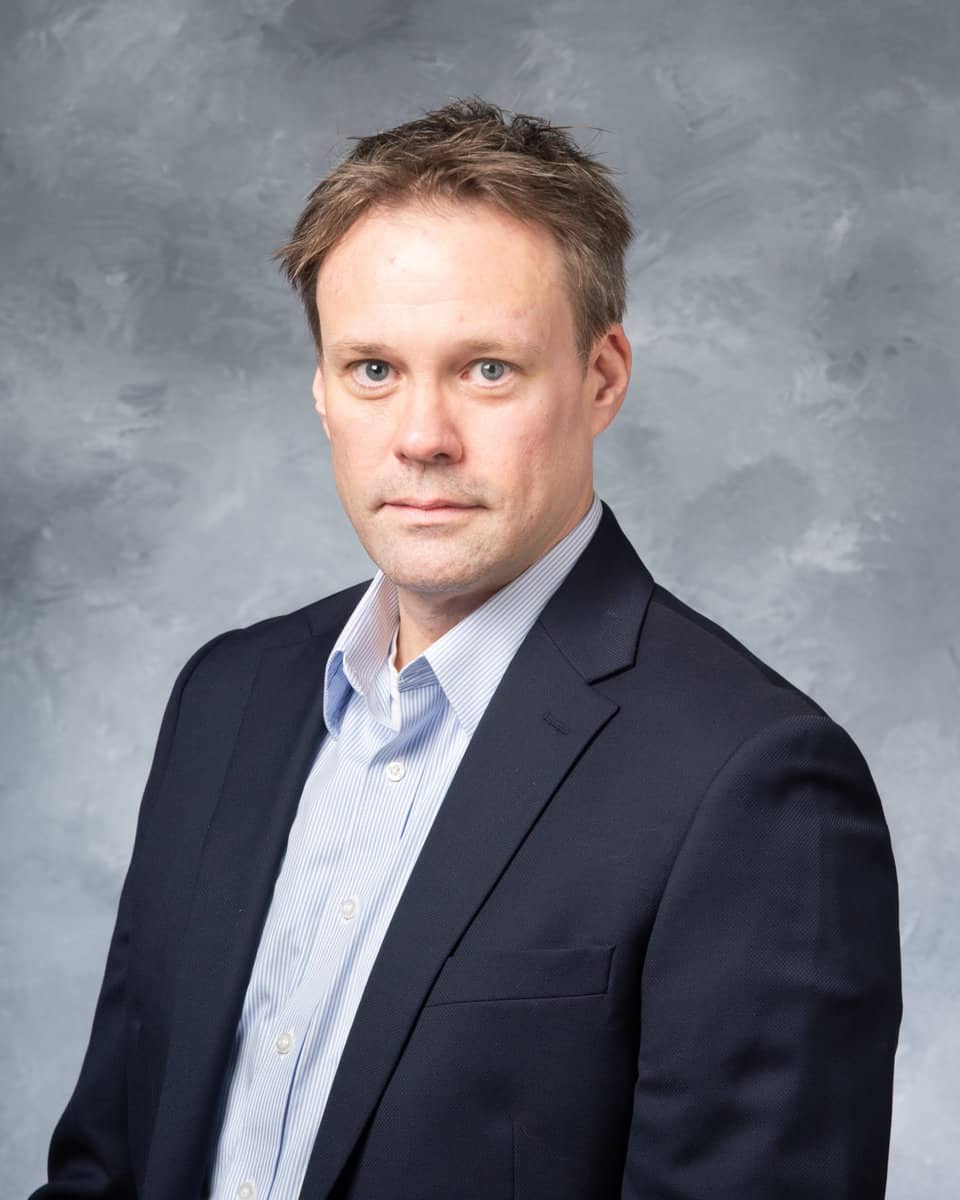
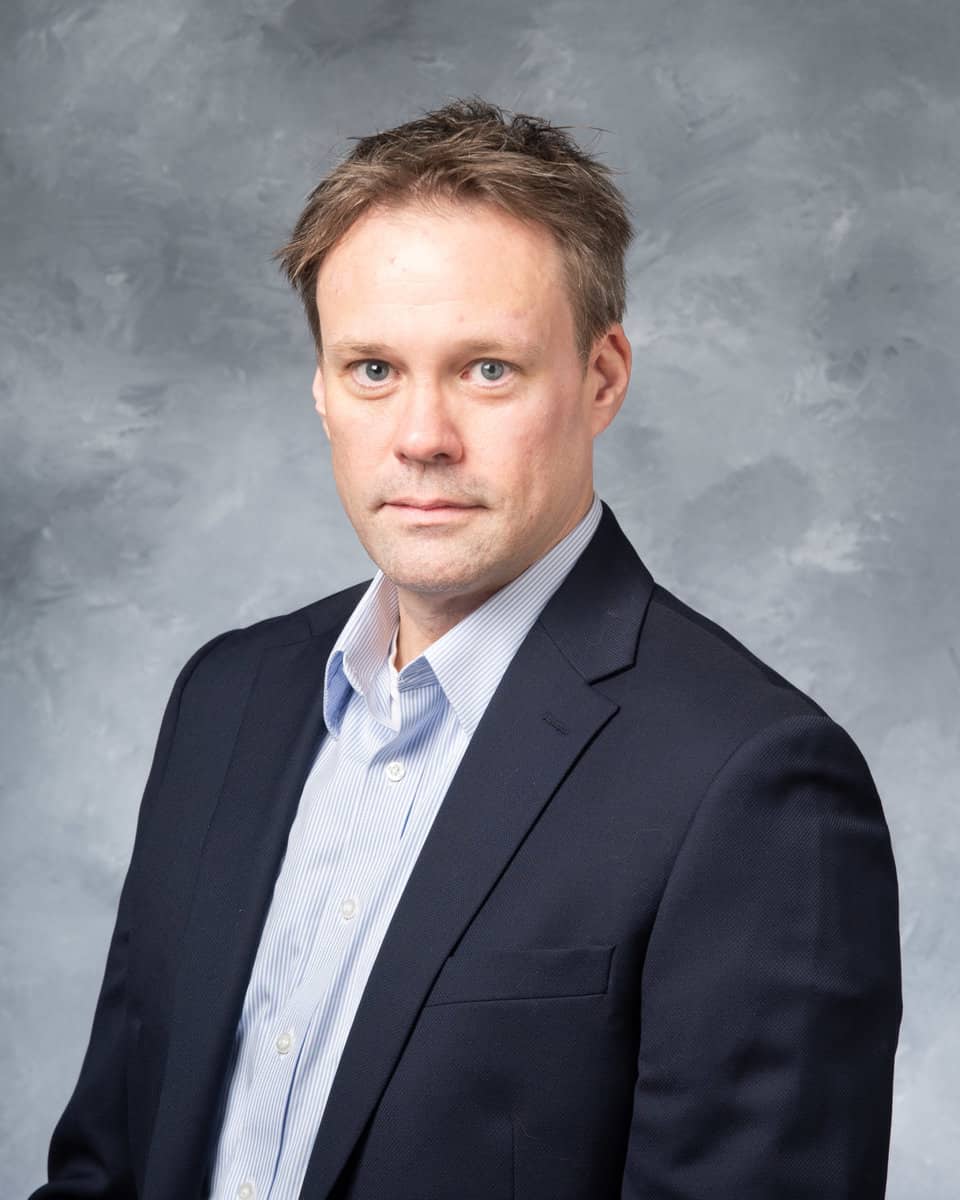
Matthew Butler is senior developer and research manager at the Libraries’ Digital Scholarship and Publishing Studio.
Matthew Butler of the Digital Scholarship & Publishing Studio has been named the 2023 recipient of the Arthur Benton University Librarian’s Award for Excellence in recognition of his far-reaching contributions to digital librarianship. In his role as senior developer and research manager at the Studio, Butler has personally developed custom code to be used as a research tool by institutions worldwide.
Butler has served the Studio and the Libraries as a whole for the past 12 years, during which he has worked closely with the university community to develop and disseminate well over 100 scholarly research and digital humanities projects. His work is both creative and highly technical, embodying an interdisciplinary ethos.
“Matthew’s work has transformed the relationship between software development and the humanities, creating a necessary bridge from one discipline to another,” says Jack B. King University Librarian John Culshaw. “In doing so, he has furthered the University of Iowa’s reputation for cutting-edge digital scholarship on the world stage—and we can only guess at the vast potential his work will unlock in years to come.”
Peer institutions have taken notice of Butler’s innovative work, and his open-source code has already been implemented at Yale University, the University of Oxford, and the Library of Virginia. In his letter of support, Studio Director Tom Keegan calls Butler “a polymath whose technical expertise and research creativity have helped bring a number of faculty, staff, and graduate student projects into being.” He also emphasized Matthew’s integral role in “some of the most exciting and groundbreaking digital scholarly work at Iowa.”
Butler’s creativity is a reflection of his training in intermedia and video art, for which he earned an MFA from Iowa. Each of his recommenders cited the breadth and variety of Butler’s work, which spans multiple areas of study. In partnership with recommender Bryce Dietrich of Purdue University’s Department of Political Science, Butler developed an application which was later used by the National Institute of Health to comb through audio data and predict depression in elderly populations with an accuracy rate of almost 90%. He’s also currently working with Iowa sociology professor Louise Seamster on a project to address the water crisis in Flint, Michigan, by mining data from emails.
One of his earliest achievements at the Libraries was developing the platform DIY History, which enlists members of the public for help in transcribing handwritten documents, including letters dating back to the Civil War. Since the platform’s launch in 2011, over 100,000 pages of archival material have been transcribed and are now searchable in the Iowa Digital Library. Donna Brooks, Butler’s nominator and program manager at the Studio, calls him “a rare talent, tirelessly dedicated to the development of original work product and custom solutions that enable UI scholars to work with data in their domain of expertise.”
Each letter in support of Butler’s nomination made mention of his collaborative spirit, which makes him a valuable partner in guiding faculty and graduate students in the pursuit of their goals. Dietrich said his professional relationship with Butler has been key to his success in research. “I have never been more enthusiastic about a nomination,” Dietrich says. “I miss many things about the University of Iowa, but working with Matt at the Studio is near the top of that list.”
Butler will be formally acknowledged as the recipient of the Benton Award during an event in the new year.
The Arthur Benton University Librarian’s Award for Excellence is awarded each year to a member of the Libraries’ professional staff who has demonstrated outstanding commitment and leadership in furthering its mission to serve the university community. In addition to formal recognition, the award includes a grant of $2,000 for professional development that will support Butler’s research projects or publications related to library services.
The late Dr. Arthur Benton, professor of psychology and neurology at the University of Iowa Hospitals and Clinics, established the endowment to make this annual award possible.
The $11K award will assist with a project involving 173 wax and gold-moulded cylinder recordings of Czech music and recitations dating from 1903 to 1908. Cylinders were one of the earliest forms of sound technology and the first to allow for mass production and distribution of sound in recorded form. Katie Buehner, director of the Rita Benton Music Library, and Daniel Johnson, digital preservation librarian, are the project coordinators.
“We’re thrilled to receive this grant because it is very likely that many of the recordings have not been played or listened to in over 100 years and are at great risk of degradation and complete loss,” says Buehner, who submitted the grant proposal. “It will allow everyone to experience a slice of Czech Americans’ cultural life, and researchers will have the opportunity to study Bohemian transplantation in the actual voice of those who made the journey.”
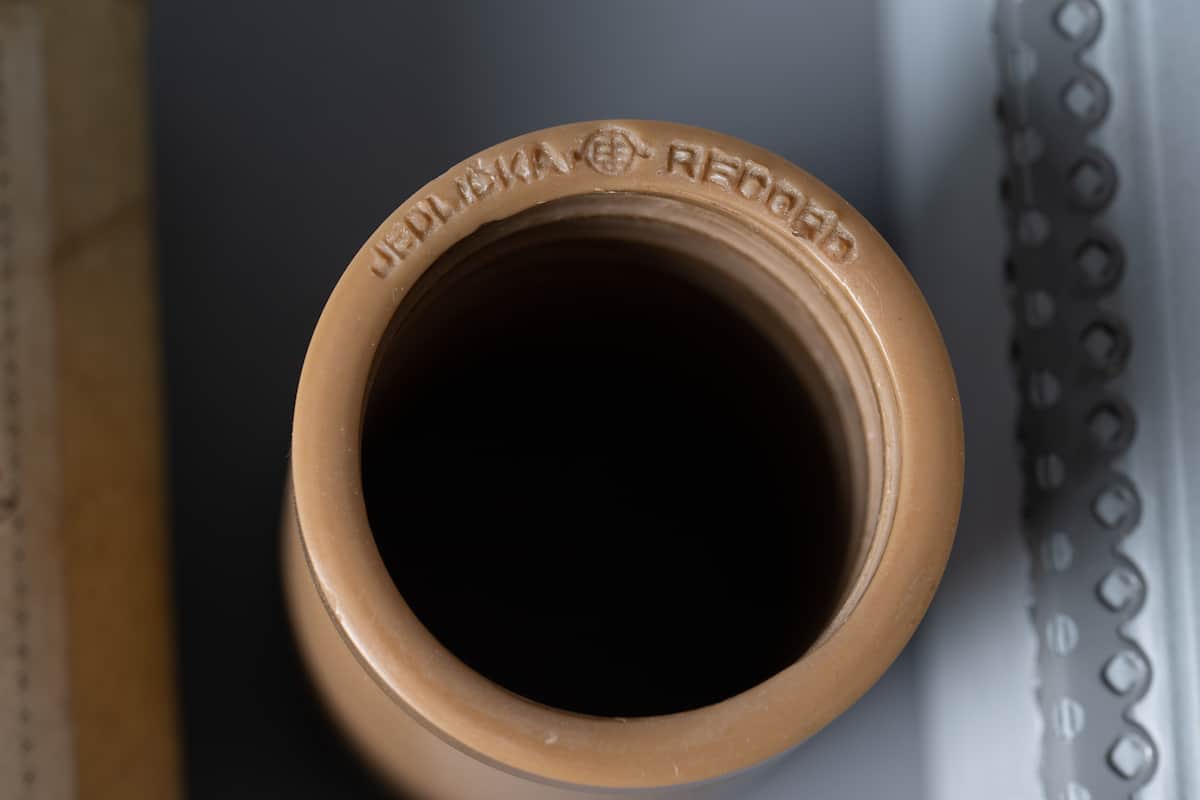
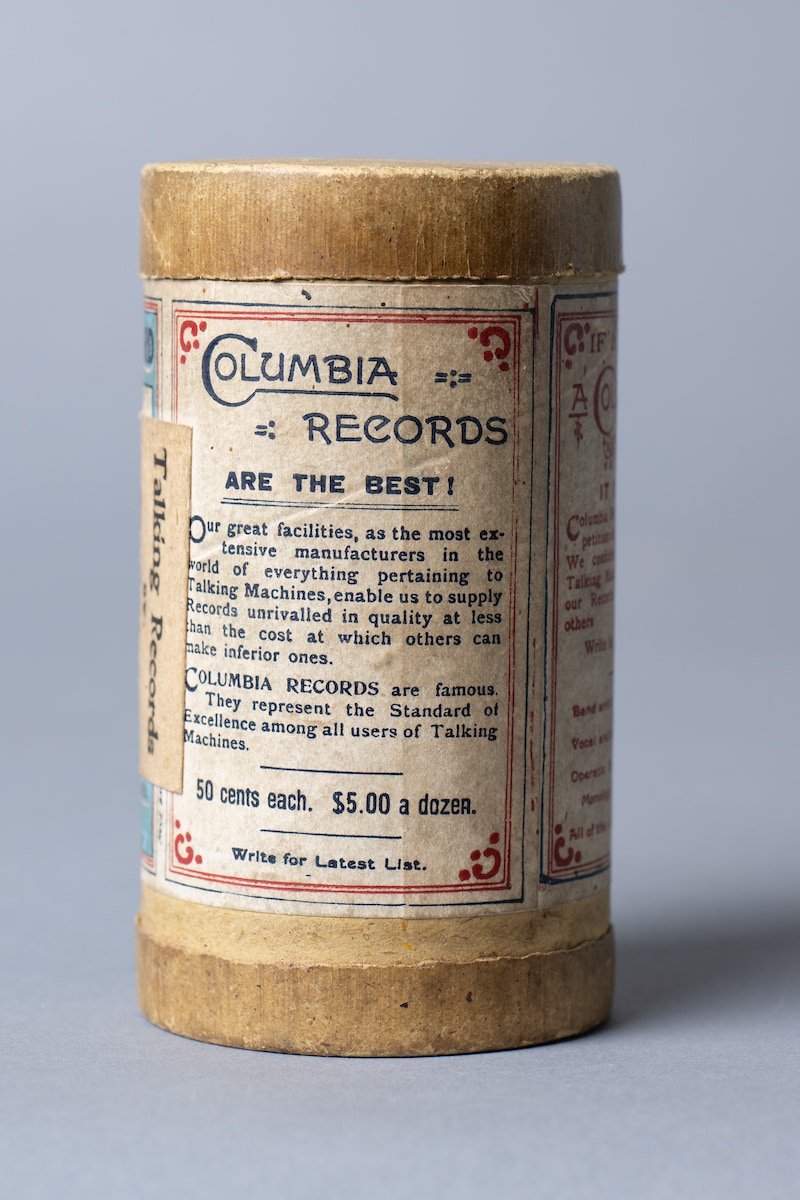
In addition, this unexplored catalog of amateur and professional recordings will allow sound recording scholars to compare the practices of established labels with that of an independent, amateur producer. One hundred wax cylinders are from Eduard (Ed. on the cylinders) Jedlička—a jeweler who was one of the Czech sound-recording pioneers in the United States—and constitute some of the earliest recordings made for a specific ethnic group, including music, poetry, stories, and comedy. The 70 Columbia recordings are rare European issues of Czech music and comedy.
“The UI Libraries is committed to the long-term preservation and public access for these digitized wax cylinder recordings and all recordings in our care,” says John Culshaw, Jack B. King university librarian. “Katie and Daniel’s work on this project will further the impactful work already done to provide the ability to hear long-lost, rare audio created by and/or for Czech-American immigrants or Czech peoples.”
A separate aspect of the project will transcribe the Czech content and translate the text into English. It’s an effort that will be coordinated by Filip Šír, coordinator for digitization of audio documents for the National Museum in Prague, Czech Republic. Endpoint Audio Labs will do the media reformatting.
The unique partnership between Buehner and Šír is continuing to unearth this music and make it accessible to people all over the world. The oldest known Czech music recordings in the U.S. call the Rita Benton Music Library home, thanks to the generosity of two people with Iowa ties.
In 2018, Alan and Ann January donated 150 wax cylinders and a gramophone player to the library. Buehner has been digitizing the collection and found that at least 13 of those donated cylinders were one-of-a-kind early Czech music recordings made in the U.S. by Jedlička.
That’s what led to her connecting with Šír, who has been searching around the world for the lost recordings of early Czech sound recordings and the stories of the people behind them. Since then, Buehner and Šír connected with descendants of Jedlička, who donated the remaining stock from his store, an additional 173 cylinders, to the university. It is this collection that will be digitized with the grant funds.
To put things into perspective, the Library of Congress holds a collection of 47 Jedlička cylinders, but most are late in the production run (earliest held is no. 151). However, the January collection includes cylinder nos. 4, 6, 10, 29, 66, and 68, making them the earliest extant recordings of Czech music made on American soil. Until they can be digitized, the songs and stories on the cylinders remain to be heard. They were received without the original containers, and though some had catalog numbers, a precious few had titles.
You can listen to current recordings and also learn more about Rita Benton Music Library’s collection and Alan and Ann January via:
One of 100 brown wax cylinders from Eduard (Ed.) Jedlička—a jeweler who was one of the Czech sound-recording pioneers in the United States—dating from 1903-1908. Courtesy Tim Schoon, UI Office of Strategic CommunicationOne of 73 gold-moulded cylinders from Columbia Records featuring recordings of Czech music and recitations dating from 1903-1908. Courtesy Tim Schoon, UI Office of Strategic Communication
The Main Library will be closed from Friday, Oct. 27, at 5 p.m. to Monday, Oct. 30, at 7:30 a.m. because of a water outage throughout the building due to an ENGIE utility construction project.
You’re encouraged to use the Libraries’ online delivery service to request books in InfoHawk+ before Friday to have them sent to your office, home, or another campus library.
In addition, the Art Library, Hardin Library for the Health Sciences, Lichtenberger Engineering Library, Marvin A. Pomerantz Business Library, Rita Benton Music Library, and Sciences Library have open hours on Sunday, Oct. 29. The Hardin Library is also open on Saturday, Oct. 28, from 10 a.m.–6 p.m.
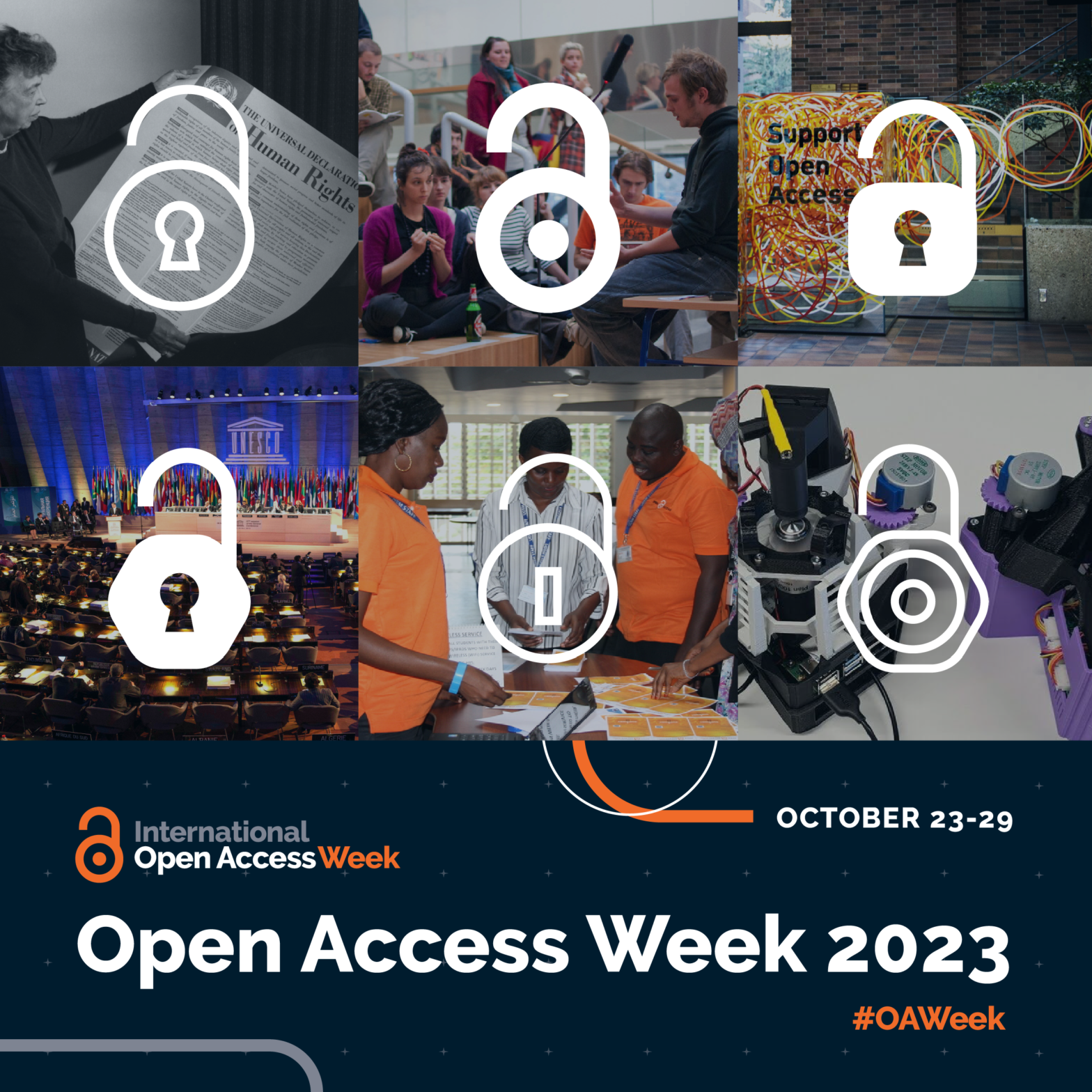
Happy Open Access Week! We’re celebrating this year’s theme “Community over Commercialization” with a faculty panel discussion on Tuesday, Oct. 24, 2023, at noon CDT on Zoom. Panelists include Leonardo Marchini, DEO and professor in Preventative and Community Dentistry, Kembrew McLeod, department chair and professor in Communication Studies, Maurine Neiman, professor in Biology, and Deborah Whaley, department chair and professor in African American Studies.
In what promises to be a lively discussion, panelists will discuss their experiences with open access publishing and open scholarship more broadly. They will also share their views on the benefits and barriers to the free and open sharing of research outputs with the public and the academic community.
Register here for the Libraries’ Open Access Faculty Panel. We look forward to seeing you!
Open Access at Iowa
Open Access Publishing
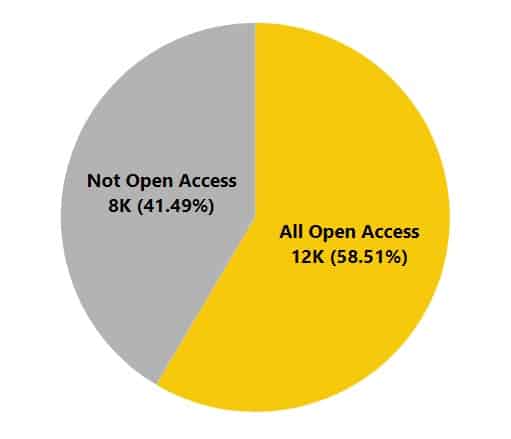
According to data from SciVal, 58.51% of the University of Iowa’s total publishing activity in 2020-2023 is Open Access. Keep up the great work, Hawkeyes! Browse open access research and scholarship by UI authors on Iowa Research Online.
If you can’t publish in an open access journal, you can still make your work open access by depositing your accepted manuscripts, pre-prints, research data and other work in the university’s institutional repository, Iowa Research Online. Publisher restrictions on versions and embargoes may apply, so please contact lib-ir@uiowa.edu or your subject librarian for more information.
Ask Us!
No matter your path to open access, the UI Libraries can help. The specialist librarians in our Scholarly Impact department stay up-to-date on funder and publisher policies so we can provide personalized assistance to meet your needs. We also offer workshops on Publishing Open Access and Data Sharing and Publication, customized for your department or research group. Please contact us or your subject librarian for assistance.
Join faculty leaders from all over campus in celebrating International Open Access Week 2023 with a panel discussion on the theme of Open Access: Community over Commercialization.
The UI Libraries’ Scholarly Impact department will be hosting the webinar on Tuesday, Oct. 24, 2023, at noon CDT.
In what promises to be a lively discussion, panelists will discuss their experiences with open access publishing and open scholarship more broadly. They will also share their views on the benefits and barriers to the free and open sharing of research outputs with the public and the academic community.
Panelists
Leonardo Marchini, DEO and professor, Preventative and Community Dentistry
Kembrew McLeod, department chair and professor, Communication Studies
Maurine Neiman, professor, Biology
Deborah Whaley, department chair and professor, African American Studies
Moderator: Sara Scheib, director, Scholarly Impact, UI Libraries