The University of Iowa Libraries is pleased to announce a new transformative read and publish agreement with the Institute of Physics (IOP). The agreement, negotiated through the Big Ten Academic Alliance (BTAA), ensures continued access to IOPscience and supports unlimited Open Access publishing in eligible IOP journals — including Electrochemical Society (ECS) journals — for University of Iowa authors without paying article processing charges (APCs).
The agreement takes effect on Jan. 1, 2023. To qualify for the agreement, the article must be accepted in an eligible IOP journal within that timeframe and have a corresponding author from the University of Iowa or another participating institution.
Corresponding authors must identify themselves as affiliated with the University of Iowa and use their institutional email address as part of the IOP publishing workflow. They will automatically be identified as eligible to publish open access without paying APCs. Authors will retain copyright and the article will be published under a CC-BY Creative Commons license.
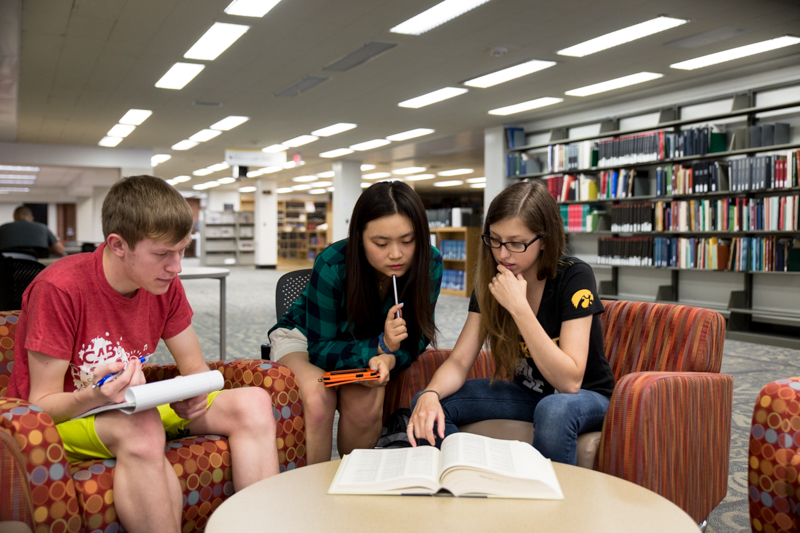
Even the most unflappable students tend to feel stress spiking in the final week of the semester, when exams and essays loom. It’s also one of the busiest seasons at the UI Libraries, with visitors seeking energy and focus among the stacks. We’ve put together a list of recommendations and activities to help you find a finals routine that works just as well as you do.
Attend finals week programming
Throughout finals week, the UI Libraries and other university organizations are supporting students by offering special activities and resources designed to add fun and relaxation to the calendar.
On Monday, for example, you can fuel your studies with a free breakfast in the IMU, catered by the famous “Pancake Man.” Then head down the road to the Main Library for some snacks, or stop by the Hardin Library for the Health Sciences to find the plush dinosaur hidden in the building and collect the prize.
Monday, Dec. 12
Main Library
9:30 a.m. – Snacks available in the Service Commons on the first floor, while supplies last
10 a.m. to 5 p.m. – SEAM Brain Break available on second floor, offering activities to keep your mind engaged while offering a respite from work.
Hardin Library for the Health Sciences
The first student to find the plush dinosaur hidden in the building will win a prize from December 11-14
Tuesday, Dec. 13
Main Library
9:30 a.m. – Grab N Go Breakfast Bags available while supplies last
10 a.m. to 5 p.m. – SEAM Brain Break available on second floor
7 p.m. – Snacks available while supplies last
Wednesday, Dec. 14
Main Library
9:30 a.m. – Fresh fruit available while supplies last
10 a.m. to 5 p.m. – SEAM Brain Break available on second floor
Thursday, Dec. 15
Main Library
9:30 a.m. – Snacks available while supplies last
10 a.m. to 5 p.m. – SEAM Brain Break available on second floor
Watch this space for a complete schedule of activities at the UI Libraries during finals week, as our programming continues to develop and expand. For more on-campus finals activities, keep an eye on Twitter, Instagram, and Facebook.
Extended hours to fit your schedule
The Main Library will be open until midnight on Friday, Dec. 9, and Saturday, Dec. 10. Then, around-the-clock access starts at 11 a.m. on Sunday, Dec. 11, and ends at 10 p.m. on Friday, Dec. 16. Make sure to bring your Iowa One card to enter the building between 1 to 7 a.m. The Food for Thought Café will be open until midnight from Saturday, Dec. 10, to Thursday, Dec. 14, and will close at 2 p.m. on Friday, Dec. 15.
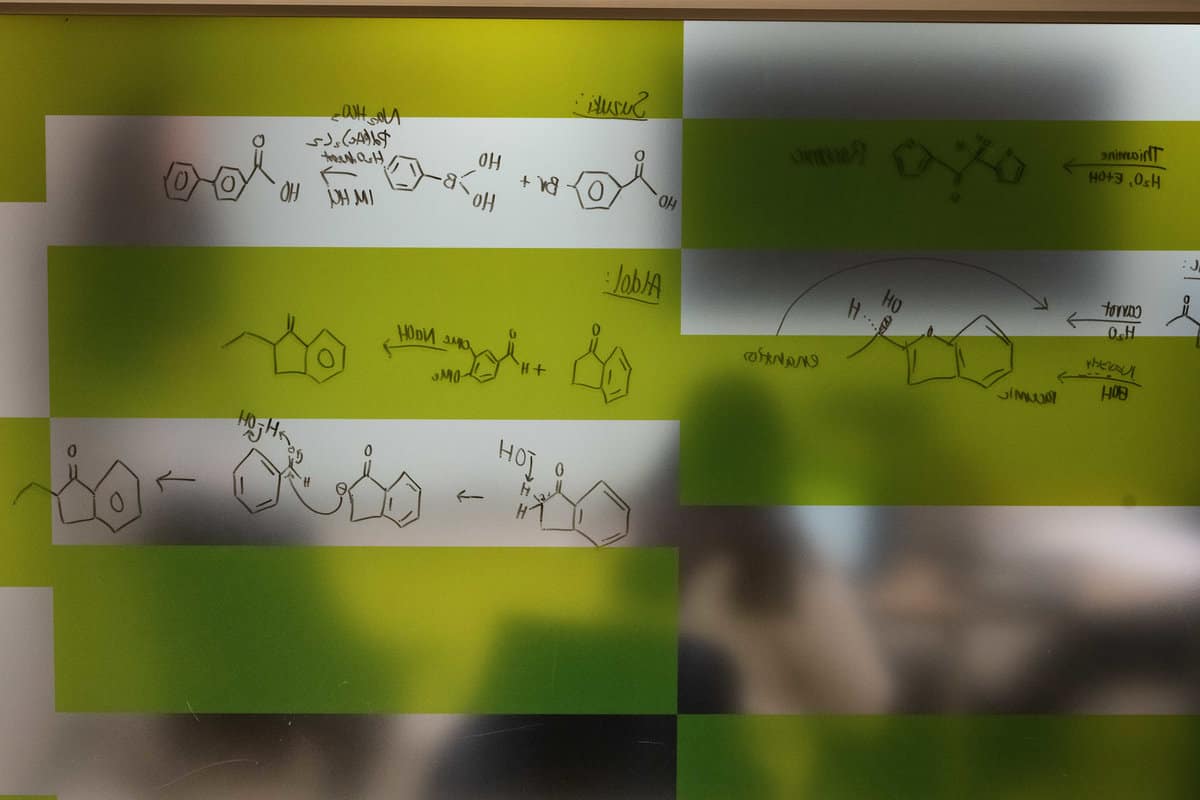
In the Learning Commons, study room walls can double as whiteboards.
Sometimes you need a corner all to yourself, a place to hum along to the song in your head while you grind out a bibliography or memorize a formula. Sometimes you have a group project that requires focused communication, and telepathy isn’t an option. Maybe you just know a whiteboard will keep your thoughts organized. Whatever the task, the UI Libraries has you covered with with variety of study spaces.
Great libraries (we count ourselves among them) adapt to the needs of the people who use them, rather than expecting visitors to compromise their needs to fit into an outdated model. UI’s libraries are constantly adjusting our approach based on new information.
And the more researchers uncover about how our brains work, the clearer it becomes that there’s no such thing as a one-size-fits-all study environment. Some students work best with background noise; others prefer to cancel it with a pair of earmuffs or ear plugs. Sitting upright in a chair is effective for some, while others might benefit from a wobble pad or beanbag chair.
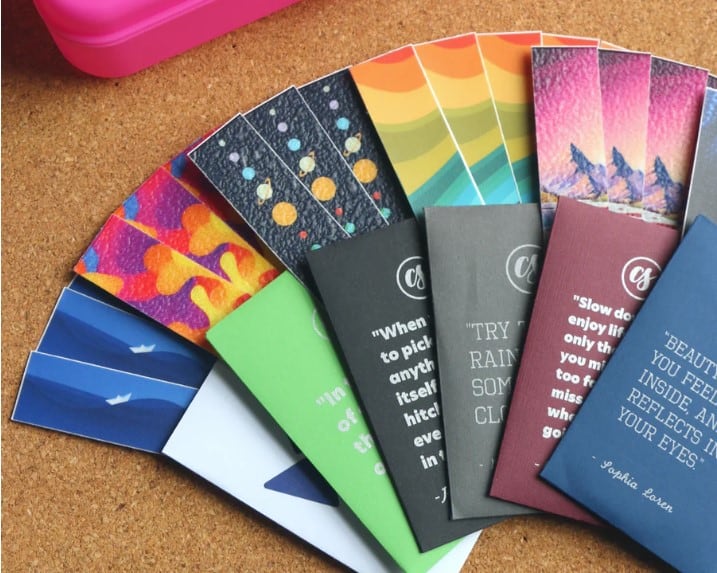
The Main Library provides short-term rentals to accommodate as many of our visitors’ needs as possible. Game-changing tools like weighted lap pads, earplugs, noise-dampening earmuffs, and wobble cushions can be checked out for four hours at a time from the service desk at Main Library, and the textured calm strips that come with them are yours to keep.
Just ask!
Not only are our staff uninterested in shushing visitors—they actually want you to speak up if you have questions. Whether you’re lost on your way to a study room, need help finding a particular volume, or want to rent an accessibility resource, they’re here to help. Don’t be afraid to pose a question or voice a concern; “Just Ask” is the unofficial motto of the UI Libraries.
Our libraries contain an inexhaustible range of resources, and library staff have a wealth of expertise to help you take advantage of whichever ones are most useful to you. There’s an ideal study space, resource collection, and atmosphere for every student—so many options that they can be daunting at first. That’s why we’re here, during Finals Week and every week.
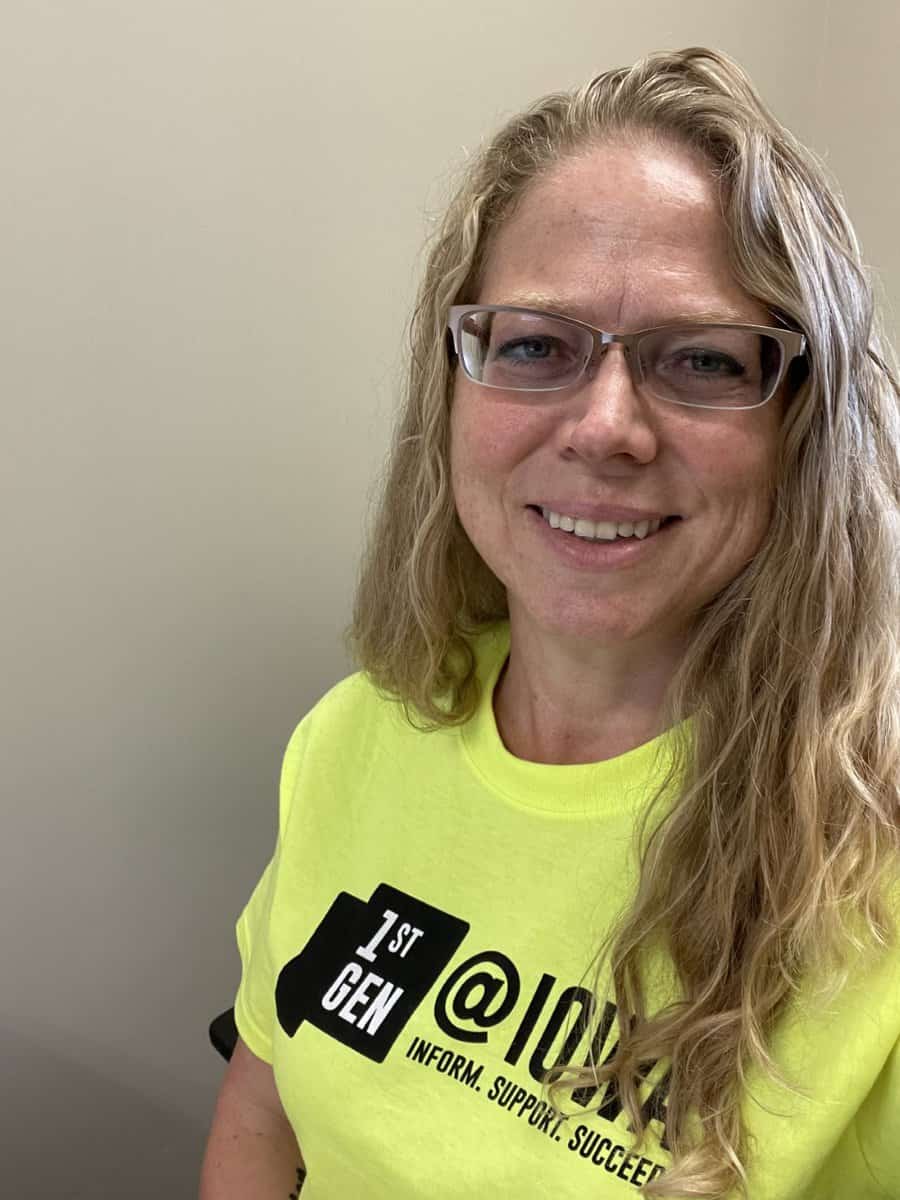
The University of Iowa Libraries is celebrating its student workers and staff who identify as first-generation students with opportunities to enjoy snacks, coffee, and other refreshments at the Main Library.
It’s part of the university’s National First-Generation College Celebration held from Monday, Nov. 7 through Friday, Nov. 11, 2022. At Iowa, first-generation college students are students who do not have a parent(s) or legal guardian(s) who completed a four-year degree. Approximately one in five UI students identify as first-generation.
The campus community is welcome to stop by and grab a snack or drink in the Main Library (125 W. Washington St.) to recognize first-generation college students and staff at Iowa and the UI Libraires.
Monday, Nov. 7 – Hot chocolate and donuts in the Learning Commons Tuesday, Nov. 8 at 9 a.m. – Breakfast and coffee in the Learning Commons near the Food for Thought Café Wednesday, Nov. 9 – Cookies in the Learning Commons Thursday, Nov. 10 – Assorted snacks in the Learning Commons Friday, Nov. 11 from 12:30 to 1:30 p.m. – Popcorn in Learning Commons, Group Area D
Monday, Nov. 7 – Wednesday, Nov. 9, from 5 to 9 p.m. – Game night in The SEAM (room 2013)
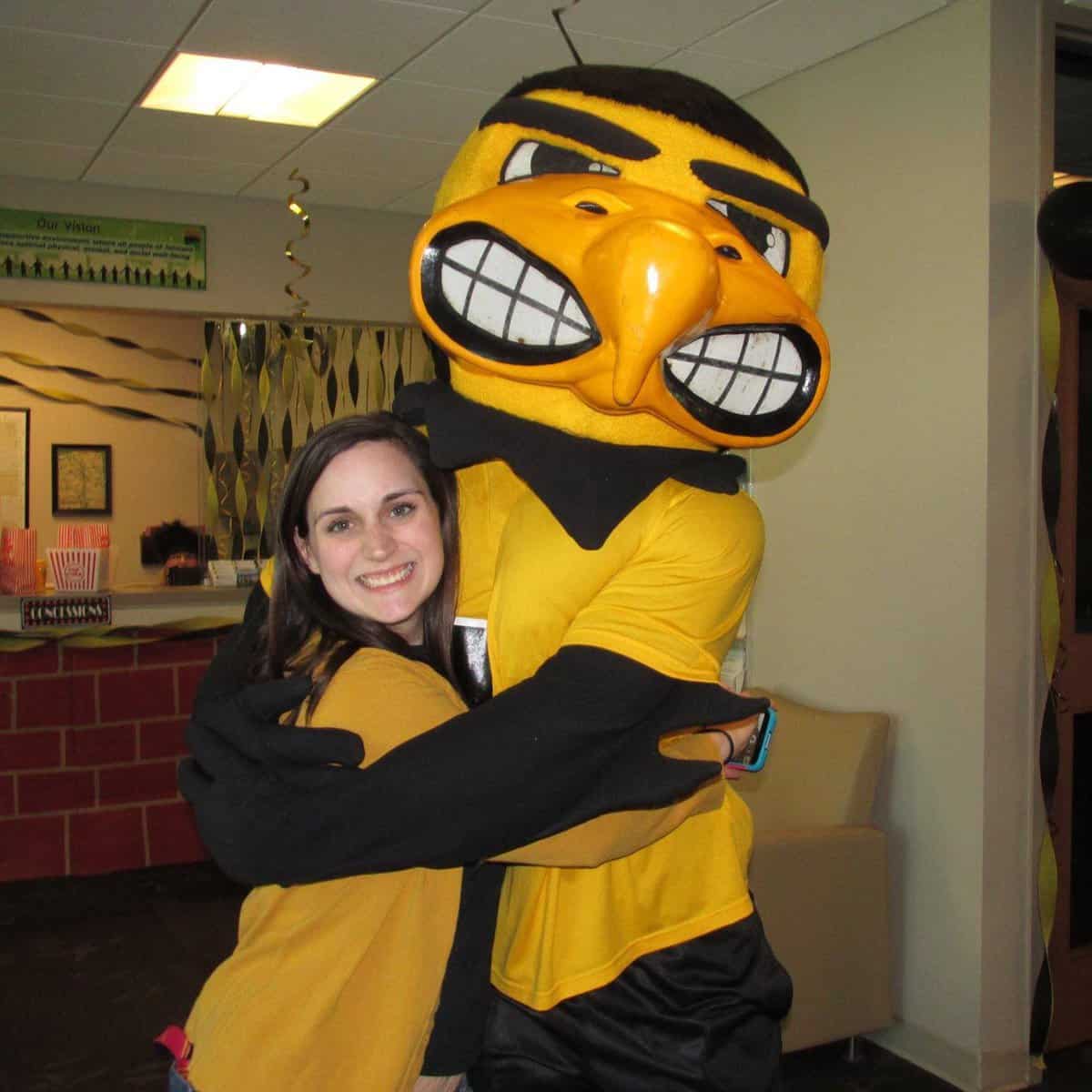
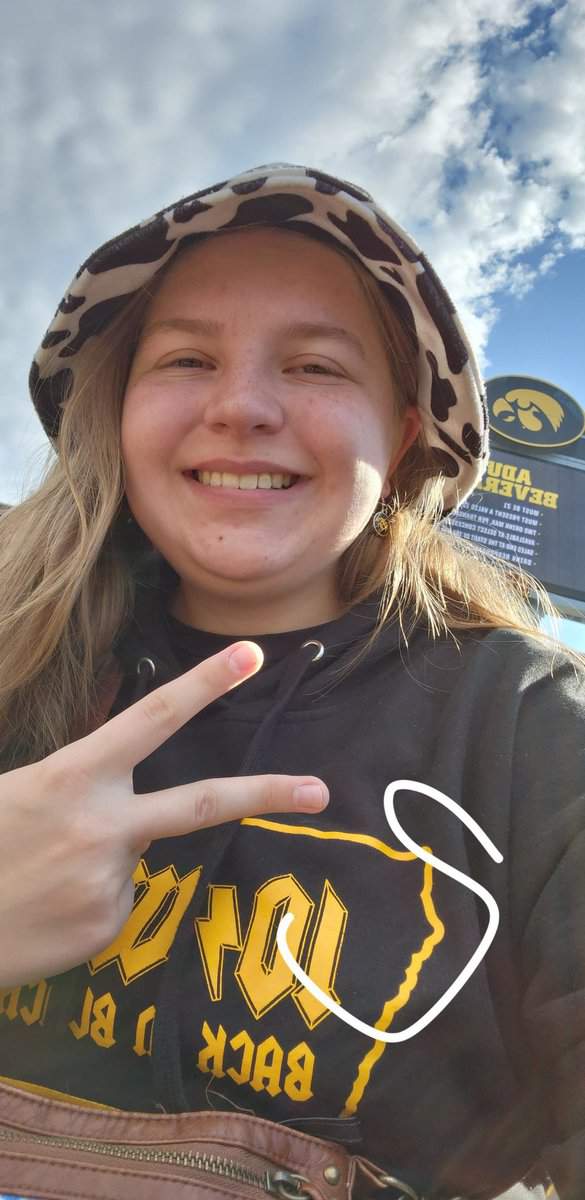
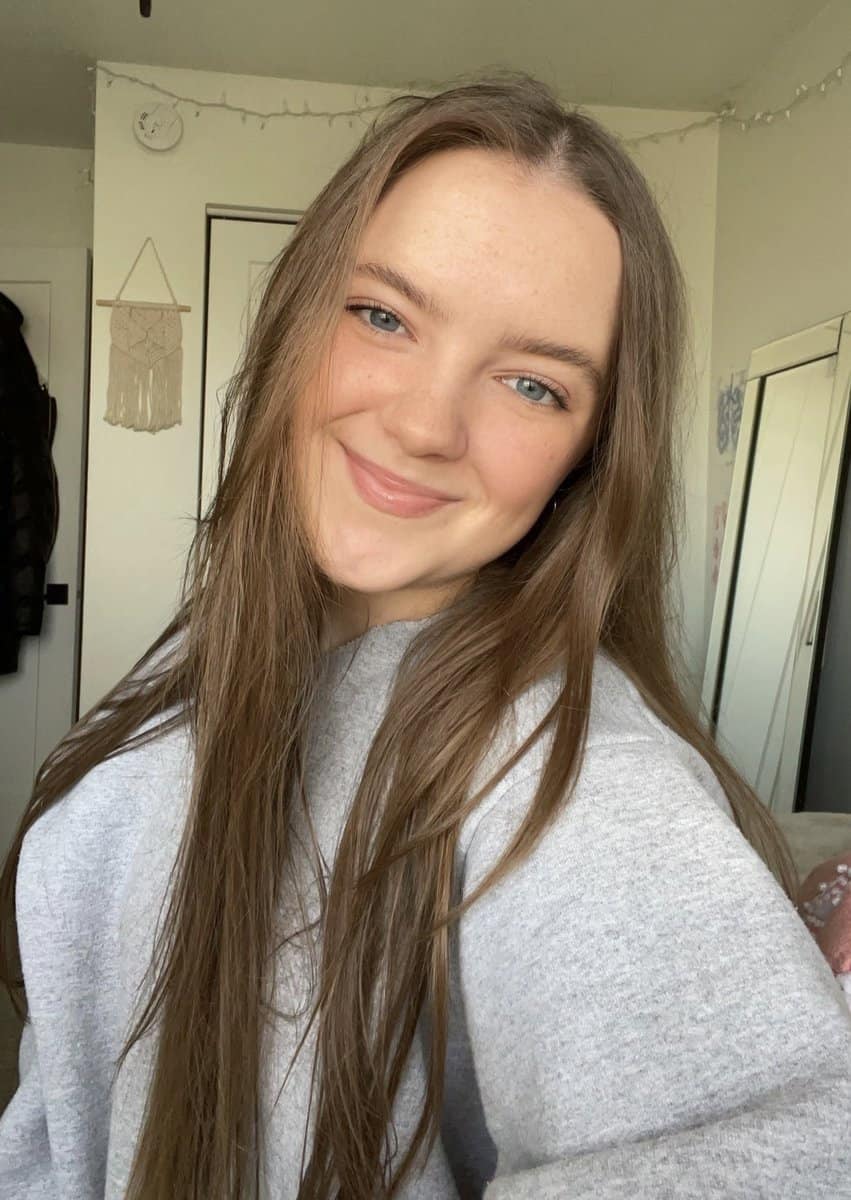
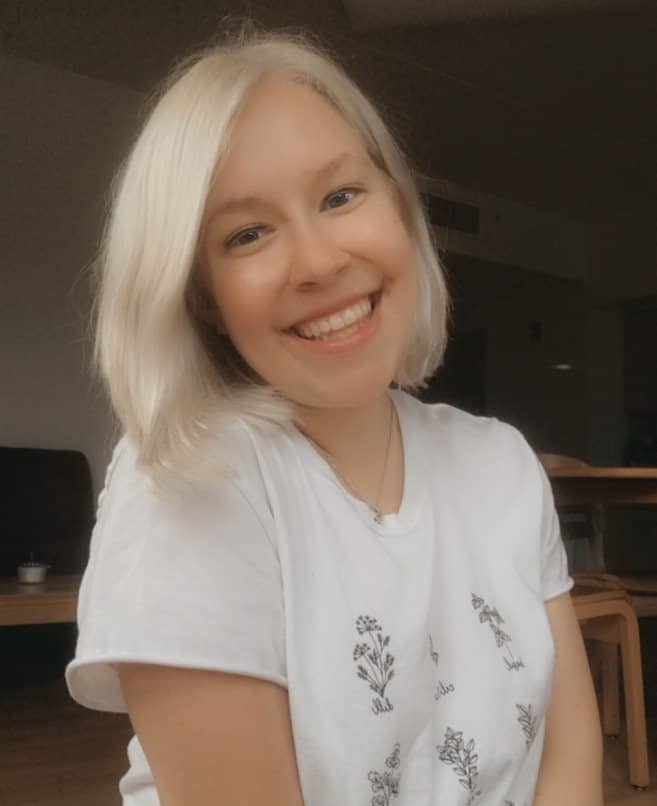
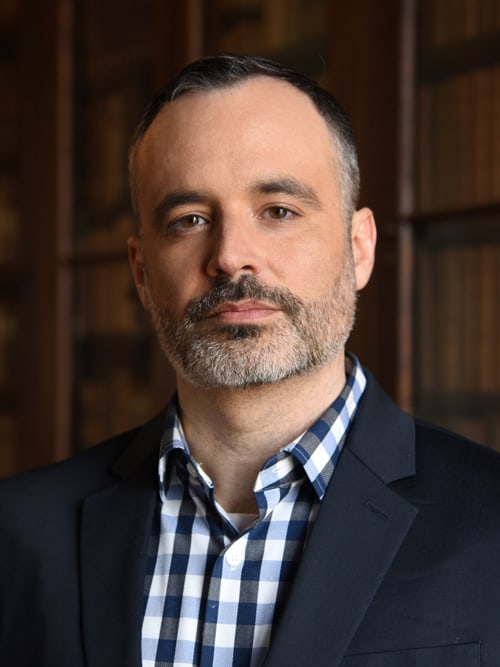
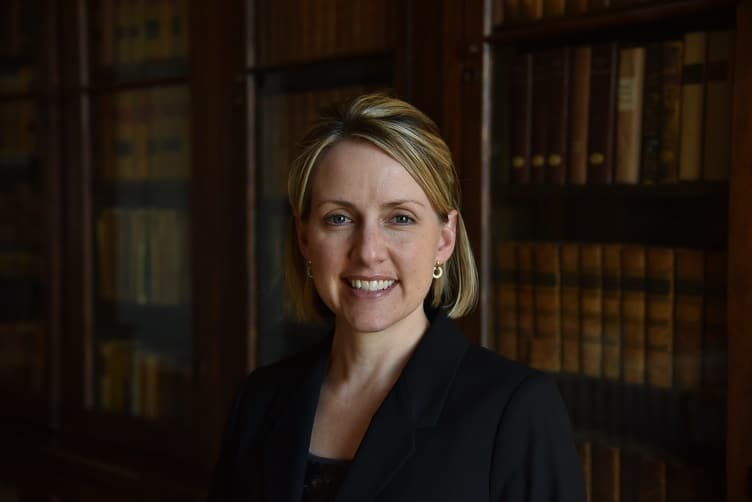
Meet some of our student workers and staff who shared they identify as a first-generation student:
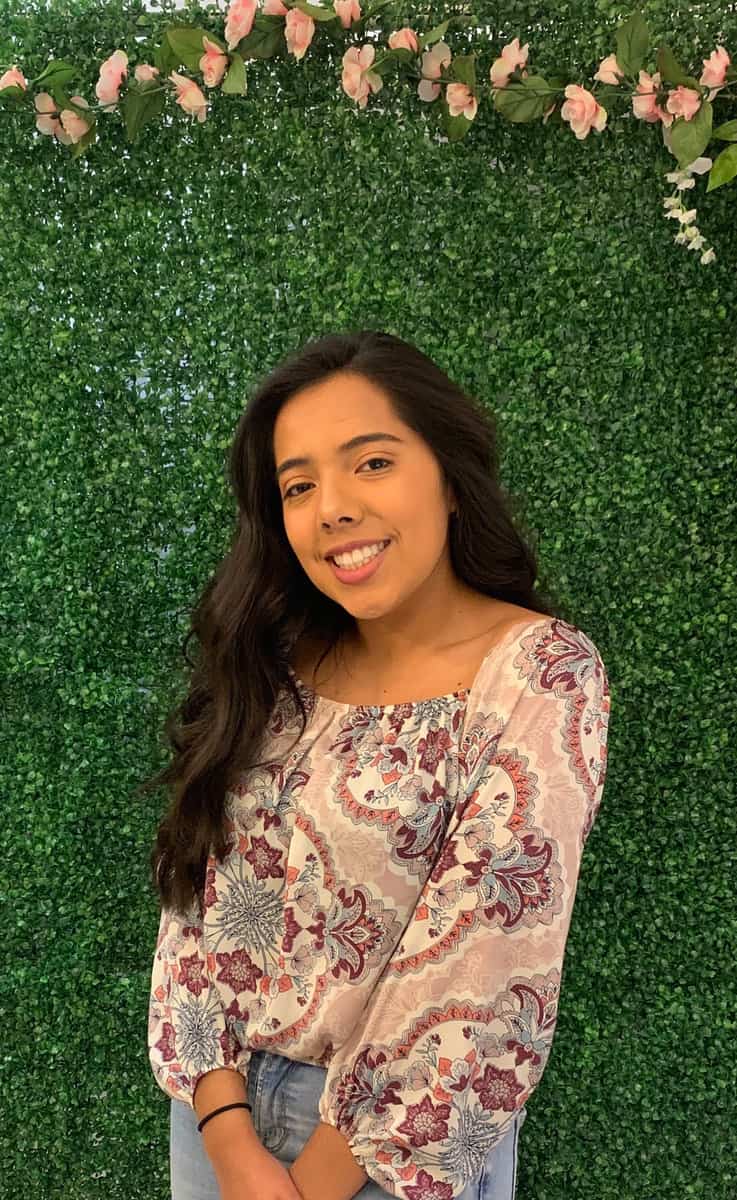
Kai Ayala
Jessi Beck
Cassidy Hibbert
Ryan Kangali
María Leonor Márquez Ponce
Lilli Scott
Ali Slowiak
Tim Arnold, information literacy librarian
John Culshaw, Jack B. King university librarian
Eric Ensley, curator of rare books and maps in Special Collections and Archives
Heather Healy, clinical education librarian
Rita Soenksen, English and American Literature librarian
Happy Open Access Week! We’re celebrating this year’s theme “Open for Climate Justice” with an Iowa Research Online featured collection of recent University of Iowa scholar-authored open access journal articles related to climate change.
We’re also officially launching our Open Scholarship Toolkit, which is a resource for UI scholars in every discipline to share the results of their research freely and openly with the public and the academic community.
Read on for more information about how we can help you or contact your liaison librarian for assistance. The UI Libraries supports models of open access publishing that are equitable for scholars and the general public, both at our institution and around the world. Our statement of Open Access Support provides more information about the resources and services we provide to make more UI scholarship open access. We also celebrate Open Access year-round by making it easier for scholars to make their work available Open Access.
You can publish Open Access for free! The UI Libraries has entered into several “transformative agreements” (also known as “read & publish agreements”) with publishers like the American Chemical Society, Cambridge University Press, Wiley, and others. Through these agreements, the library pays publishers for access to a journal’s full content, as well as the right to make their researchers’ work open access, under a single contract and fee. This allows authors to publish Open Access without paying for it themselves. Contact lib-impact@uiowa.edu or your liaison librarian for assistance.
If you can’t publish in an Open Access journal, you can still make your work freely available by depositing your accepted manuscripts, pre-prints, research data and other work in the university’s institutional repository, Iowa Research Online. Publisher restrictions on versions and embargoes may apply, so please contact lib-ir@uiowa.edu or your liaison librarian for more information.
The University Libraries is seeking nominations for the Arthur Benton University Librarian’s Award for Excellence. Funded by a generous endowment, this prestigious award acknowledges a library staff member’s professional contributions in the practice of librarianship, service to the profession, scholarship, or leadership which has had a significant impact or innovation to the operations of the Libraries or the University of Iowa.
The $2,000 award may be used to support professional development activity expenses for conferences or workshops in support of research projects and publications related to services, or it may be taken as a cash award.
Any member of the University of Iowa community may make a nomination, or self-nominations are also accepted. You can find eligibility requirements and the nomination form at http://www.lib.uiowa.edu/admin/bentonaward and submissions are due by 5 p.m. Wednesday, Oct. 26. Please contact Kelly Taylor (Kelly-taylor-1@uiowa.edu) with any questions.
From Sherlock Holmes to Star Trek, Nicholas Meyer’s celebrated career has spanned decades and different genres. Now, he’s making another trip back to where his storytelling journey began—the University of Iowa.
The University Libraries is hosting “Writing for Screens: A Conversation with Nicholas Meyer” on Thursday, Oct. 13, from 7 to 8:15 p.m. in Shambaugh Auditorium at the Main Library.
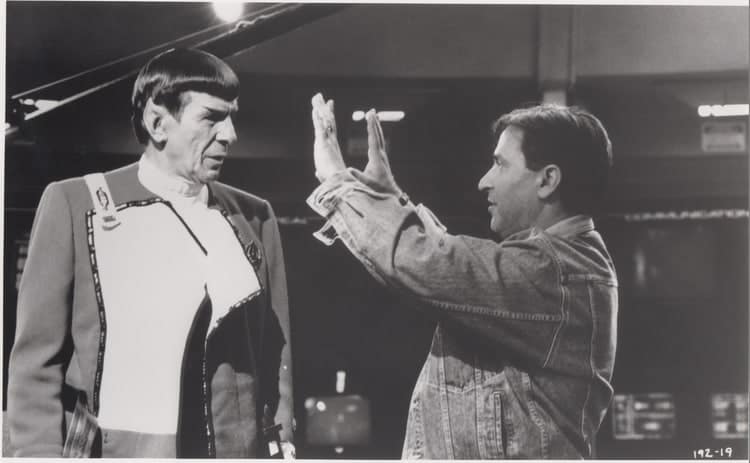
Leonard Nimoy and Nicholas Meyer on set during the shooting of Star Trek VI: The Undiscovered Country. The photo is archived in the UI Libraries Special Collections & Archives’ Nicholas Meyer Papers.
The director, screenwriter, producer, and best-selling author graduated from Iowa in 1968 with a Bachelor of Arts in speech and dramatic art. He also wrote film reviews for The Daily Iowan.
Meyer has shared before that “coming back to Iowa City is like coming back home” and “this is the place you go to learn to be a writer.” This time, he’s coming back home to the place that tied with Yale as the No. 2 university in the country for writing, according to the latest rankings from U.S. News & World Report—and the place that first gave him the tools to cultivate his craft.
Here are recommended viewings from Peter Balestrieri, curator of science fiction and popular culture collections at UI Special Collections:
Star Trek II: Wrath of Khan – Meyer directed and contributed to the shooting script for the film (uncredited), which is considered the best Star Trek film by legions of Trekkers.
Star Trek IV: The Voyage Home – Meyer wrote portions of the screenplay that features fun with aliens, time travel, hippies, and cosmic whales.
The Day After – Meyer directed this television film that changed history, leading directly to U.S./Soviet nuclear disarmament(directed by Meyer)
The Seven-Per-Cent Solution – Meyer received an Academy Award nomination for Best Adapted Screenplay for the film. The source material? His best-selling novel of the same name which has Sherlock Holmes joining forces with Sigmund Freud.
Medici: Masters of Florence – A historical drama television series co-created by Meyer that exquisitely reproduces Renaissance Florence and the banking giants that ruled it.
The cost of textbooks continues to rise due to an industry heavily dominated by large publishing companies. While there is no single solution to the problem, the University of Iowa and University Libraries are committed to continuing to find ways to help reduce the cost for course content.
Here are some resources:
Check the University Libraries using InfoHawk+: We may have an e-book or physical copy of the book in our collections that you can check out and use. If the book isn’t on our shelves or in our databases, it may still be on course reserves. If not, you might consider asking your professor to place a copy in a library for students to use.
Search by:
Course Name
Instructor
Book title
Faculty can adopt free and openly licensed Open Educational Resources (OER) instead of commercial textbooks. OER are teaching, learning, and research resources (such open textbooks, audio and video material, etc.) that are free of cost and access barriers, and which also carry legal permission for open use. The University Libraries provide support for faculty wishing to pursue this option though our OpenHawks program. You can also find examples of OER across disciplines and formats in repositories such as OER Commons and the Open Textbook Library.
ICON Direct is a way to order digital content from specific publishers and delivering the content to students and faculty. More information.
The University of Iowa Libraries are here to help. We provide vital opportunities for engaging in critical learning, research, creative work, and clinical care through staff expertise and exceptional collections.
Here are 10 convenient services we provide to support your success. We look forward to assisting you!
1) There are seven University Libraries on campus.*
8) There are many places to study in every library, including 24 group spaces in the Main Library’s Learning Commons (which also has the Food for Thought café).
In June 2022, I joined twenty-seven academic librarians across the U.S. for a 2-week online workshop as part of the Institute for Research Design in Librarianship. IRDL was initiated in 2014 to address the lack of social science training among librarians and to bring more rigor to library and information science research. The workshop kicked off a year-long process that will guide us as we refine our proposals, go through the IRB process, recruit participants for our study, carry out the study, analyze data, write, and publish our findings in some form. In addition to the IRDL community of scholars, I will meet regularly with a mentor who previously attended IRDL.
This was the first time that IRDL was held fully online and they did an excellent job of designing the workshop to create a meaningful learning experience. Our online course content was flawless, directions were clear, and the organizers were both knowledgeable and approachable throughout. They also made the experience feel special. For example, before the two-week workshop, we were sent a number of items through the mail: Sage research methods books, treat bags, and snacks of our choosing from SnackMagic. Each day of the workshop, I tried something tantalizingly new as I pored over the readings: water lily pops, plantain chips, dill pickle pretzels, Za’atar popcorn, Hawaiian teriyaki plant-based jerky, and cardamom and black tea sparkling water. The online format was designed to optimize community-building. We were provided plenty of opportunities to get to know one another through morning chats, breakout rooms, and a peer-support space in Zoom. There was also a light-hearted spirit of competition as scholars sought to win all sorts of badges. At the very end of the two weeks, each scholar shared an elevator pitch of the current status of their research and received constructive feedback. The general spirit of the workshop was supportive and fun.
The workshop was also extremely informative. Our daily readings were elaborated upon by the presenters, Greg Guest and Lili Luo, who provided us keen insight into different methodologies. After the lectures, we went into breakout rooms and directly applied what we had learned. The most valuable part of the day, however, were the one-on-one meetings with librarians and research experts. The feedback I received was invaluable and helped me establish objectives, refine my research questions, and determine the best methodological approaches to use.
My research project will explore creativity in the research process among post-comp PhD students in the social sciences and humanities (if you want more details, please feel free to reach out). At this moment, I am refining my proposal by updating my literature review and developing my interview guide. The interdisciplinary nature of my topic has compelled me to become familiar with a wide swath of literature (including psychology of creativity, psychometrics, phenomenology, humanistic psychology, doctoral research journeys, and the library literature regarding creativity and the research process). Based on what I learned during the workshop, I plan to use purposive stratified sampling to conduct semi-structured in-depth interviews and then use thematic analysis to inductively code the transcripts. By being attentive to both the creativity literature and library literature, my goal is to conduct a study that engages with both and bridges the gap between them. Carrying out this research project will deepen my understanding of social science research and make me a more effective librarian to my liaison areas. I am incredibly grateful for the support of my UI colleagues, and I look forward to learning and growing with my research over the next year and beyond.
Welcome to the University of Iowa Libraries’ virtual New Book Shelf. Here we will present new titles for you to browse and check out. Titles listed here will be monographs published in the current year. If you see a title you would like to borrow, please click the link below the item and sign in with your Hawk ID and Password to request a loan.
The Rock Eaters: Stories
A story collection, in the vein of Carmen Maria Machado, Kelly Link, and Nana Kwame Adjei-Brenyah, spanning worlds and dimensions, using strange and speculative elements to tackle issues ranging from class differences to immigration to first-generation experiences to xenophobia
What does it mean to be other? What does it mean to love in a world determined to keep us apart?
These questions murmur in the heart of each of Brenda Peynado’s strange and singular stories. Threaded with magic, transcending time and place, these stories explore what it means to cross borders and break down walls, personally and politically. In one story, suburban families perform oblations to cattlelike angels who live on their roofs, believing that their “thoughts and prayers” will protect them from the world’s violence. In another, inhabitants of an unnamed dictatorship slowly lose their own agency as pieces of their bodies go missing and, with them, the essential rights that those appendages serve. “The Great Escape” tells of an old woman who hides away in her apartment, reliving the past among beautiful objects she’s hoarded, refusing all visitors, until she disappears completely. In the title story, children begin to levitate, flying away from their parents and their home country, leading them to eat rocks in order to stay grounded.
With elements of science fiction and fantasy, fabulism and magical realism, Brenda Peynado uses her stories to reflect our flawed world, and the incredible, terrifying, and marvelous nature of humanity.
Daniel Khalastchi’s third collection provides an uncompromising exploration into the political and societal disturbances facing America today. Electioneering, lack of affordable health care, the increase in mass shootings, and the continued fight for equal rights are juxtaposed against an unlikely sense of hope and optimism. Lurking behind each page is the ever-present issue of immigration, with specific focus on the escape of the author’s father from Iraq and the pressures linked to living as an Arab Jew in the middle of the United States.
Through unnerving gallows humor and radical honesty, these poems redefine the American experience by asking the reader to consider what it means to live in the shadow of a perceived sense of freedom and to have faith when believing feels hopeless. Khalastchi’s perspective as an Iraqi Jewish American brings sharp focus to the holistic uncertainties of religion, politics, assimilation, illness, love, and loss—with absurd, visceral, and wry acclaim.
I type into the internet your high school and find rubble. Your daughter has the flu. We are sick with disappointment but everyone is fine.
Mingling fact and fiction, The Three Rimbauds imagines how Rimbaud’s life would have unfolded had he not died at the age of thirty-seven.
The myth of Arthur Rimbaud (1854–1891) focuses on his early years: how the great enfant terrible tore through the nineteenth-century literary scene with reckless abandon, leaving behind him a trail of enemies, the failed marriage of an ex-lover who shot him, and a body of revolutionary poetry that changed French literature forever. He stopped writing poetry at the age of twenty-one when he left Europe to travel the world. He returned only shortly before his death at the age of thirty-seven.
But what if 1891 marked not the year of his death, but the start of a great new beginning: the poet’s secret return to Paris, which launched the mature phase of his literary career? This slim, experimental volume by Dominique Noguez shows that the imaginary “mature” Rimbaud—the one who returned from Harar in 1891, married Paul Claudel’s sister in 1907, converted to Catholicism in 1925, and went on to produce some of the greatest works in twentieth-century French prose—was already present in the almost forgotten works of his childhood, in style and themes alike. Only by reacquainting ourselves with the three Rimbauds—child, young adult, and imaginary older adult—can we truly gauge the range of the complete writer.
“Durastanti casts the universal drama of the family as the sieve through which the self—woman, artist, daughter—is filtered and known.” —Ocean Vuong
A work of fiction about being a stranger in your own family and life.
Every family has its own mythology, but in this family none of the myths match up. Claudia’s mother says she met her husband when she stopped him from jumping off a bridge. Her father says it happened when he saved her from an attempted robbery. Both parents are deaf but couldn’t be more different; they can’t even agree on how they met, much less who needed saving.
Into this unlikely yet somehow inevitable union, our narrator is born. She comes of age with her brother in this strange, and increasingly estranged, household split between a small village in southern Italy and New York City. Without even sign language in common – their parents have not bothered to teach them – family communications are chaotic and rife with misinterpretations, by turns hilarious and devastating. An outsider in every way, she longs for a freedom she’s not even sure exists. Only books and punk rock—and a tumultuous relationship—begin to show her the way to create her own mythology, to construct her own version of the story of her life.
Kinetic, formally dazzling, and spectacularly original, this book is a funny and profound portrait of an unconventional family that makes us look anew at how language shapes our understanding of ourselves.
“A debut story collection of the rarest kind … you wish that every single entry could be an entire novel.” —Entertainment Weekly
Fresh, intimate stories of women’s lives from an extraordinary new literary voice, laying bare the unexpected beauty and irony in contemporary life
A college freshman, traveling home, strikesup an odd, ephemeral friendship with the couple next to her on the plane. A mother prepares for her son’s wedding, her own life unraveling as his comes together. A long-lost stepbrother’s visit to New York prompts a family’s reckoning with its old taboos. A wife considers the secrets her marriage once contained. An office worker, exhausted by the ambitions of the men around her, emerges into a gridlocked city one afternoon to make a decision.
In these eleven powerful stories, thrilling desire and melancholic yearning animate women’s lives, from the brink of adulthood to the labyrinthine path between twenty and thirty, to middle age, when certain possibilities quietly elapse. Tender, lucid, and piercingly funny, Objects of Desire is a collection pulsing with subtle drama, rich with unforgettable scenes, and alive with moments of recognition each more startling than the last—a spellbinding debut that announces a major talent.
NEW YORK TIMES BESTSELLER • Pulitzer Prize winner Elizabeth Strout explores the mysteries of marriage and the secrets we keep, as a former couple reckons with where they’ve come from—and what they’ve left behind.
ONE OF THE TEN BEST BOOKS OF THE YEAR: Maureen Corrigan, NPR’s Fresh Air • ONE OF THE BEST BOOKS OF THE YEAR: The New York Times Book Review,The Washington Post,Time, Vulture, She Reads
“Elizabeth Strout is one of my very favorite writers, so the fact that Oh William! may well be my favorite of her books is a mathematical equation for joy. The depth, complexity, and love contained in these pages is a miraculous achievement.”—Ann Patchett, author of The Dutch House
I would like to say a few things about my first husband, William.
Lucy Barton is a writer, but her ex-husband, William, remains a hard man to read. William, she confesses, has always been a mystery to me. Another mystery is why the two have remained connected after all these years. They just are.
So Lucy is both surprised and not surprised when William asks her to join him on a trip to investigate a recently uncovered family secret—one of those secrets that rearrange everything we think we know about the people closest to us. What happens next is nothing less than another example of what Hilary Mantel has called Elizabeth Strout’s “perfect attunement to the human condition.” There are fears and insecurities, simple joys and acts of tenderness, and revelations about affairs and other spouses, parents and their children. On every page of this exquisite novel we learn more about the quiet forces that hold us together—even after we’ve grown apart.
At the heart of this story is the indomitable voice of Lucy Barton, who offers a profound, lasting reflection on the very nature of existence. “This is the way of life,” Lucy says: “the many things we do not know until it is too late.”
The international star Sara Stridsberg returns with The Antarctica of Love, an unnamed woman’s tale of her murder, her brief life, and the world that moves on after she left it
They say you die three times. The first time for me was when my heart stopped beating beneath his hands by the lake, and the second was when what was left of me was lowered into the ground in front of Ivan and Raksha at Bromma Church. The third time will be the last time my name is spoken on earth.
She was a neglected child, an unreliable mother, a sex worker, a drug user―and then, like so many, a nameless victim of a violent crime. But first she was a human being, a full, complicated person, and she insists that we know her fully as she tells her story from beyond the grave. We witness her short life, the harrowing murder that ended it, and her grief over the loved ones she has left behind. We see her parents struggle with guilt and loss. We watch her children grow up in adopted families and patch together imperfect lives. We feel her dreams, fears, and passions. And still we will never know her name.
A heartrending novel of life after death, Sara Stridsberg’s The Antarctica of Love is an unflinching testament of a woman on the margins, a tale of family lost and found, a report of a murder in the voice of the victim, and a story that brims with unexpected tenderness and hope.
Named a Most Anticipated Book of Fall by People, Essence, New York Post, PopSugar, New York Newsday, Entertainment Weekly, Town & Country, Bustle, Fortune, and Book Riot
Told from alternating perspectives, an evocative and riveting novel about the lifelong bond between two women, one Black and one white, whose friendship is indelibly altered by a tragic event—a powerful and poignant exploration of race in America today and its devastating impact on ordinary lives.
Jen and Riley have been best friends since kindergarten. As adults, they remain as close as sisters, though their lives have taken different directions. Jen married young, and after years of trying, is finally pregnant. Riley pursued her childhood dream of becoming a television journalist and is poised to become one of the first Black female anchors of the top news channel in their hometown of Philadelphia.
But the deep bond they share is severely tested when Jen’s husband, a city police officer, is involved in the shooting of an unarmed Black teenager. Six months pregnant, Jen is in freefall as her future, her husband’s freedom, and her friendship with Riley are thrown into uncertainty. Covering this career-making story, Riley wrestles with the implications of this tragic incident for her Black community, her ambitions, and her relationship with her lifelong friend.
Like Tayari Jones’s An American Marriage and Jodi Picoult’s Small Great Things, We Are Not Like Them explores complex questions of race and how they pervade and shape our most intimate spaces in a deeply divided world. But at its heart, it’s a story of enduring friendship—a love that defies the odds even as it faces its most difficult challenges.
A singular and stunning debut novel about the forbidden union between two enslaved young men on a Deep South plantation, the refuge they find in each other, and a betrayal that threatens their existence.
Isaiah was Samuel’s and Samuel was Isaiah’s. That was the way it was since the beginning, and the way it was to be until the end. In the barn they tended to the animals, but also to each other, transforming the hollowed-out shed into a place of human refuge, a source of intimacy and hope in a world ruled by vicious masters. But when an older man—a fellow slave—seeks to gain favor by preaching the master’s gospel on the plantation, the enslaved begin to turn on their own. Isaiah and Samuel’s love, which was once so simple, is seen as sinful and a clear danger to the plantation’s harmony.
With a lyricism reminiscent of Toni Morrison, Robert Jones, Jr., fiercely summons the voices of slaver and enslaved alike, from Isaiah and Samuel to the calculating slave master to the long line of women that surround them, women who have carried the soul of the plantation on their shoulders. As tensions build and the weight of centuries—of ancestors and future generations to come—culminates in a climactic reckoning, The Prophets fearlessly reveals the pain and suffering of inheritance, but is also shot through with hope, beauty, and truth, portraying the enormous, heroic power of love.
In the last weeks of her pregnancy, a Muslim Indian lesbian living in San Francisco receives a visit from her estranged mother and sister that surfaces long held secrets and betrayals in this “sweeping family saga . . . with the beautiful specificity of real lives lived, loved, and fought for” (Entertainment Weekly)
Working as a consultant for Kamala Harris’s attorney general campaign in Obama-era San Francisco, Seema has constructed a successful life for herself in the West, despite still struggling with her father’s long-ago decision to exile her from the family after she came out as lesbian. Now, nine months pregnant and estranged from the Black father of her unborn son, Seema seeks solace in the company of those she once thought lost to her: her ailing mother, Nafeesa, traveling alone to California from Chennai, and her devoutly religious sister, Tahera, a doctor living in Texas with her husband and children.
But instead of a joyful reconciliation anticipating the birth of a child, the events of this fateful week unearth years of betrayal, misunderstanding, and complicated layers of love—a tapestry of emotions as riveting and disparate as the era itself.
Told from the point of view of Seema’s child at the moment of his birth, and infused with the poetry of Wordsworth and Keats and verses from the Quran, Radiant Fugitives is a moving tale of a family and a country grappling with acceptance, forgiveness, and enduring love.