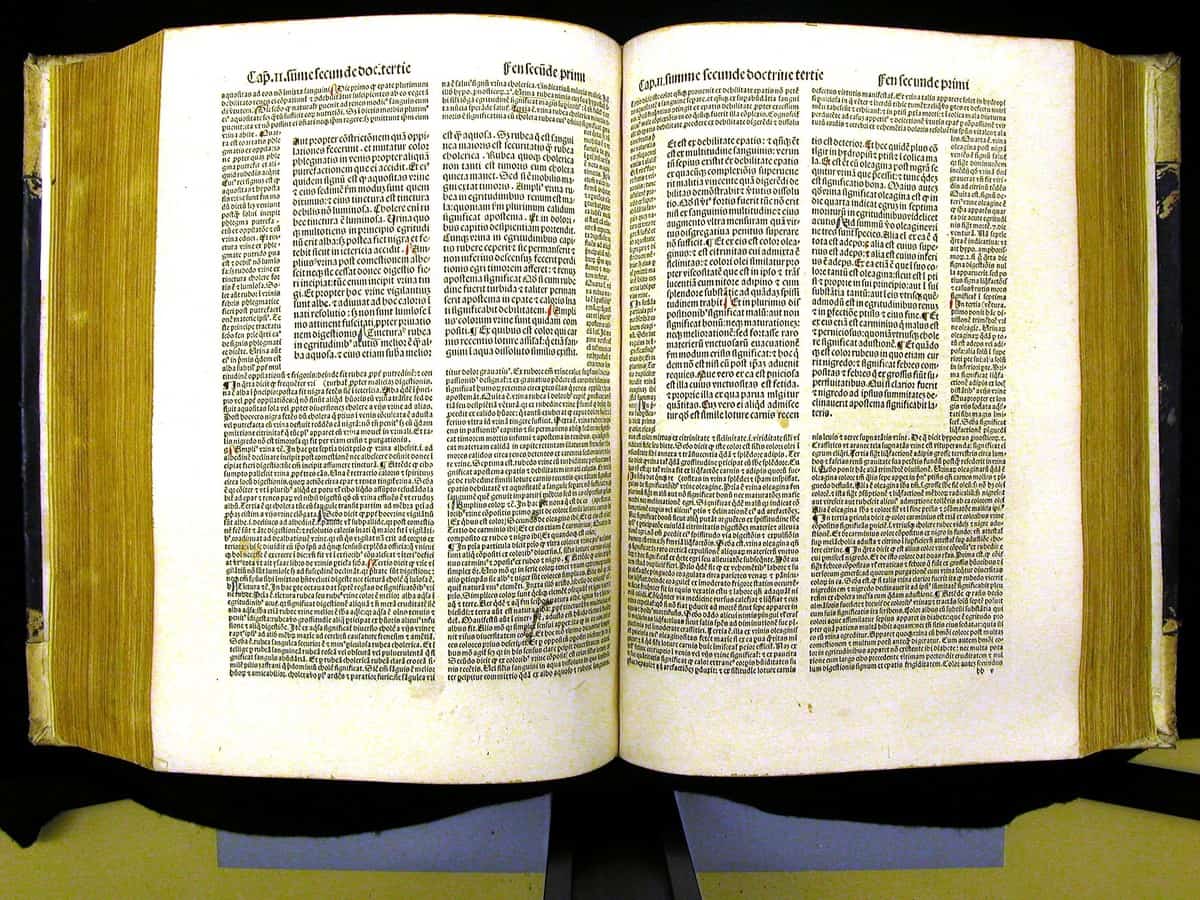
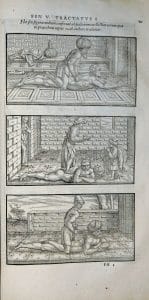
AVICENNA (980-1037). Canon medicinae. 4 vols. in 3. Lyons: Johannes Trechsel, completed by Johannes Clein, 1498.
Avicenna’s spinal manipulation techniques
Known in the Persian world as the Chief or the Second Doctor (Aristotle having been the first), Avicenna (Arabic Ibn Sīnā) was an accomplished physician as well as a noted philosopher. He wrote widely on theology, metaphysics, astronomy, philosophy, law, and medicine, and it has been estimated that he was the author of more than one hundred books.
The Canon was his greatest medical compilation and “stands for the epitome of all precedent development, the final codification of all Graeco-Arabic medicine.” A large encyclopedic work on medicine, it is, for the most part, based on the writings of Hippocrates and Galen although Avicenna included many original observations and noteworthy clinical descriptions. Canon medicinae was a dominant force in medical thought, practice, and writing for more than five centuries.
This massive and beautiful incunable is the first edition of Avicenna to have been printed in France and is a landmark in the history of French printing.
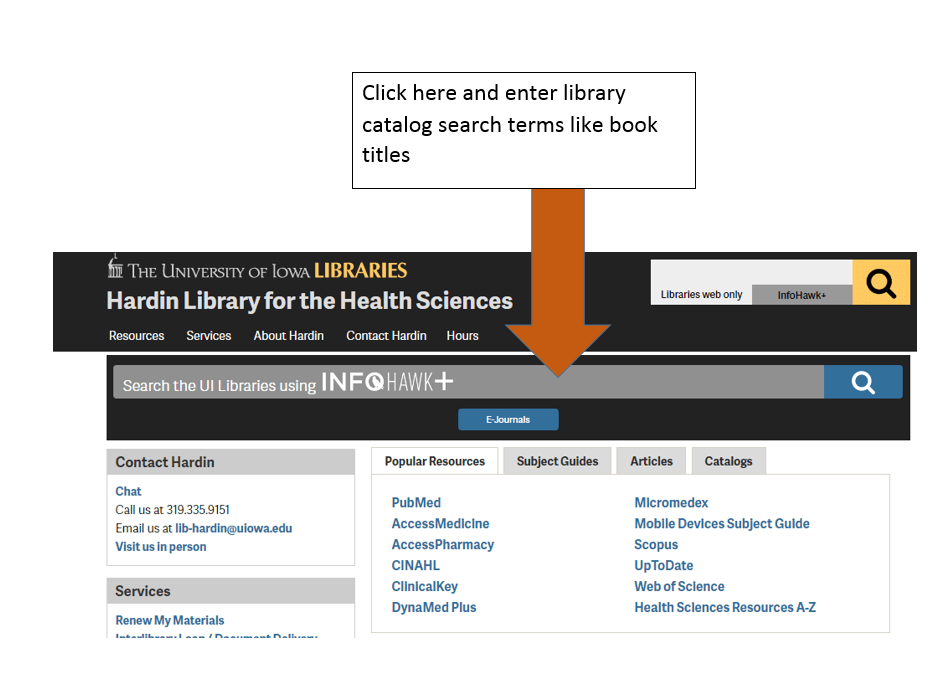
Infohawk + is the new public catalog which searches by default all UI Libraries holdings + many of our subscribed literature databases. Infohawk, the traditional catalog, has retired.
This tool is similar to SmartSearch in that it is a discovery tool, which means that it is iintended to be a starting point for finding information. When an thorough literature search is needed, we recommend use of literature databases directly (PubMed, CINAHL, Scopus). If you would like to learn more about using Infohawk+, please view our tutorials, or contact us.
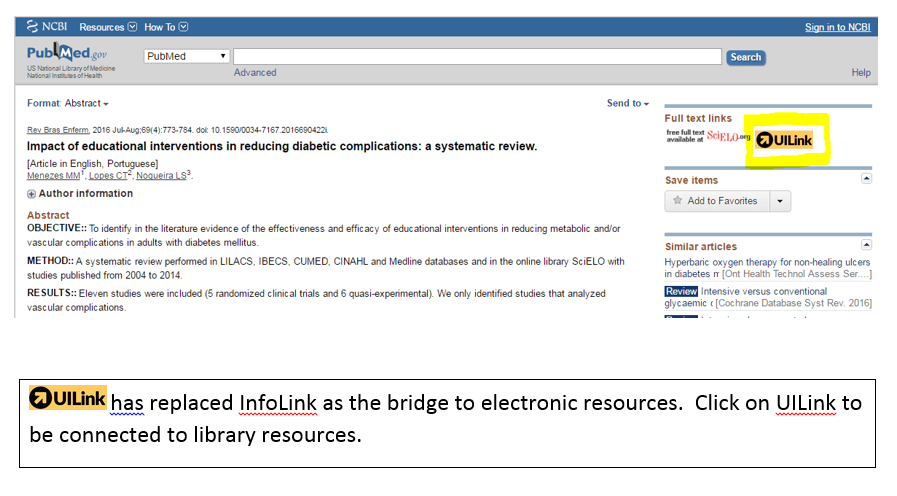
UI Link is replacing Infolink from all databases. It continues to be bright yellow and serves the same purpose: to link to electronic full text if UI libraries has a subscription or to direct you to request an item through interlibrary loan when electronic access is unavailable.
UI Link is active for many databases, such as Pubmed and CINAHL, and the transition will continue to take effect for all resources occur over the next month.
Because this is a new system, the implementation team is working to resolve problems. One known issue is that the link to borrow from interlibrary loan (borrow from another library) does not initiate a request with pre-population of the request form, as it previously did with Infolink.
Please let us know about other issues you encounter so that we can continue to work toward improving functionality.
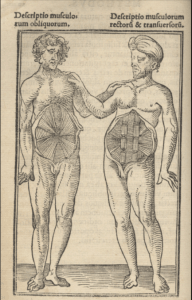
ANDRES DE LAGUNA (1499-1560). Anatomica methodus, seu De sectione humani corporis contemplatio. Paris: Apud Ludovicum Cyaneum, 1535.
Andrés Laguna
Laguna, a native of Segovia, Spain, began his education in medicine at Paris in 1532. While in Paris he published his first three books and became acquainted with Vesalius.
By 1539, Laguna published over 30 books, many on medical botany–one of his great interests. This work is one of his earliest and was simultaneously published in Paris by Jacob Kerver. Laguna notes in the dedication that he spent only three months preparing the work and comments that, in his view, the medical profession of his day had fallen to a very low state.
from Anatomica methodus, seu De sectione humani corporis contemplatio by Laguna
Written in a forthright manner, the book has a strong personal tone and cites few authorities but generally supports the views of Aristotle and Galen. Laguna begins his anatomy with the mouth because that is where the nutritive process is initiated and finishes with the brain where the spirits receive their complete transmutation. He cites few personal observations or autopsies and adds little to the progress of anatomy.
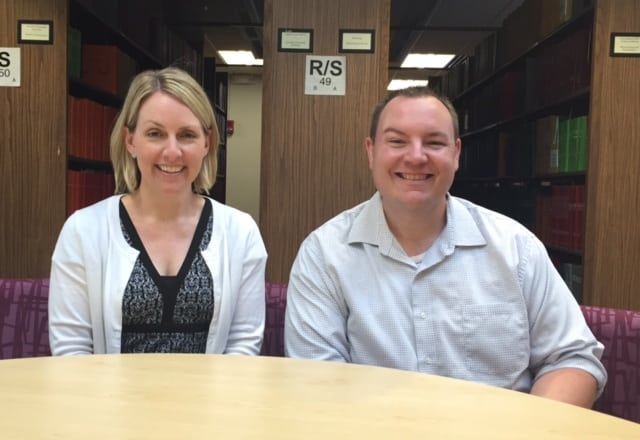
Hardin Library recently welcomed two new Clinical Education Librarians, Heather Healy and Matt Regan.
Heather is the primary liaison to Carver College of Medicine and to a number of UIHC departments, including Internal Medicine. Before arriving at Hardin on July 1, Heather was a health sciences librarian at KU Medical Center in Kansas City, and previously worked at Kansas State University libraries. Before receiving her Master of Library Science degree from Emporia State University, Heather worked as an editor for Human Kinetics, a health sciences publisher. You can contact Heather at heather-healy@uiowa.edu.
Matt Regan joined the Hardin staff on July 18 and will be the liaison to Family Medicine and several other departments. He will also support Hardin’s website and other technologies. An Iowa native, Matt received his Bachelor of Arts degree from the University of Iowa. After receiving his Master of Library and Information Science Degree from Dominican University, he was a reference and instruction librarian at West Texas A&M University in Canyon, Texas, where he served as liaison to Nursing and other health sciences programs. You can contact Matt at matthew-regan@uiowa.edu.
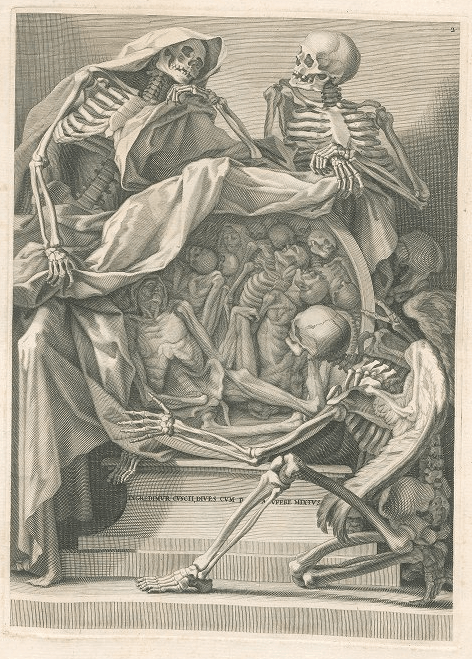
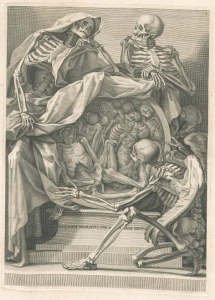
BERNARDINO GENGA (1620-1690). Anatomia per uso et intelligenza del disegno; ricercata non solo su gl’ossi, e muscoli del corpo humano… Rome: Domenico de Rossi, 1691.
An authoritative anatomist and surgeon in Rome, Genga stressed the importance of solid anatomical knowledge for the surgeon. Genga wrote the first book devoted entirely to surgical anatomy which remained a widely used manual for fifty years.
Genga was one of the first Italians to accept Harvey’s theory on the circulation of the blood, but Genga also maintained that the discovery was made by Colombo and Cesalpino before Harvey. The parts played by those two Italian investigators and anatomists in the unfolding of the facts of circulatory physiology have been a point of study and argument among medical historians.
This large atlas contains 40 magnificent full-page engraved plates depicting the human figure in various poses, with and without dissection. Some of the full-figure plates are engraved renditions of celebrated antique statues in Rome. The plates, probably engraved by François Andriot, were intended primarily for the use of painters and sculptors, and they are still considered to be one of the best collections for the use of student artists. The text is by Giovanni Maria Lancisi.
Accelerating clinical research studies benefits researchers, research participants, and all who stand to gain from research results. Today, the time it takes to go from a sound research idea to the launch of a new, multi-site clinical research study is too long. A major contributor to the delay is that too many institutional review boards (IRBs) are reviewing the protocol and consent documents for the same study, often with no added benefit in terms of the protections for research participants. To address this bottleneck, NIH has issued a new policy to streamline the review process for NIH-funded, multi-site clinical research studies in the United States. The NIH Policy on the Use of a Single Institutional Review Board (IRB) for Multi-Site Research sets the expectation that multi-site studies conducting the same protocol use a single IRB to carry out the ethical review of the proposed research.
This policy applies to all competing grant applications (new, renewal, revision, or resubmission) with receipt dates on or after May 25, 2017. Ongoing, non-competing awards will not be expected to comply with this policy until the grantee submits a competing renewal application. For contracts, the policy applies to all solicitations issued on or after May 25, 2017. For the intramural program, the policy applies to intramural multi-site studies submitted for initial review after May 25, 2017.
image courtesy of skeeze @pixabay.com
IRBs play a critical role in reviewing and approving studies involving human research participants. IRBs evaluate the potential benefits of research and risks to participants. In the past, most clinical research studies were carried out at single institutions. Now studies are increasingly conducted at multiple sites to help increase the number and diversity of the participants, improve operational efficiencies, and accelerate the generation of research results. However, for the majority of multi-site studies, the IRB at each participating site continues to conduct an independent review. This review adds time, but generally does not meaningfully enhance protections for the participants. This new NIH policy seeks to end duplicative reviews that slow down the start of the research.
NIH will support applicant and awardee institutions as they implement the new policy with guidance and resources, such as a model authorization agreement that lays out the roles and responsibilities of each signatory, and a model communication plan that identifies which documents are to be completed, and when.
Francis S. Collins, M.D., Ph.D.
Director, National Institutes of Health
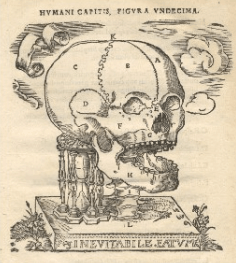
JOHANNES DRYANDER (ca. 1500-1560). Anatomiae. Marburg: Apud Eucharium Ceruicornum, 1537.
Dryander (also known as Eichmann), professor of surgery at Marburg, was a friend of Vesalius and among the first anatomists who made illustrations after their own dissections.
This Anatomiae appeared six years before Vesalius’ great work. This was the first significant book on the anatomy of the head and contains 20 full-page woodcuts made from Dryander’s own dissections.
Sixteen of the plates are of the head and brain and were done to show successive stages of dissection. The first eleven plates appeared earlier in his Anatomia capitis humani (1536) and the remaining four plates of the chest and lungs were added as an appendix.
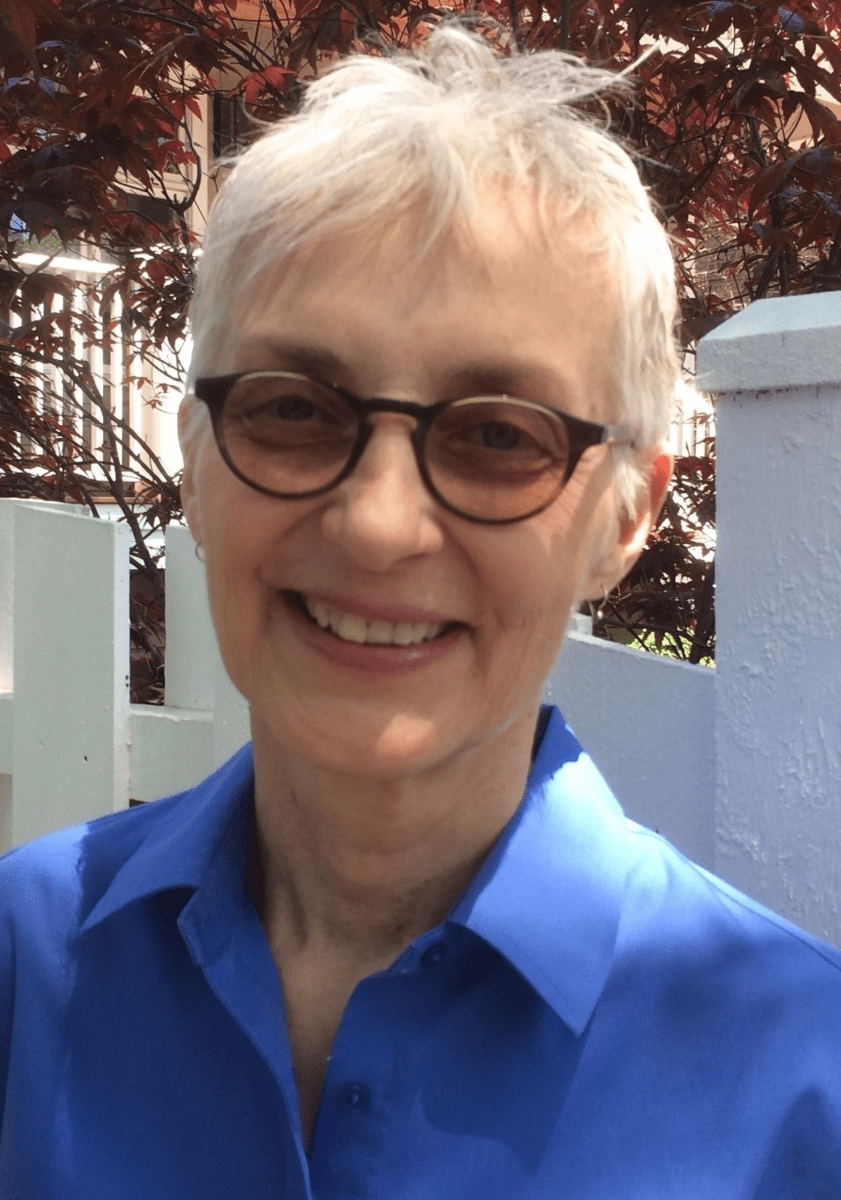
Meet Jacqueline Leskovec, Network Librarian for the National Network of Libraries of Medicine’s Greater Midwest Regional Office.
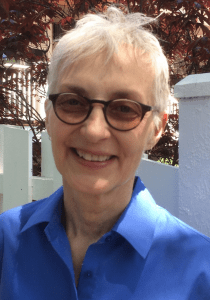
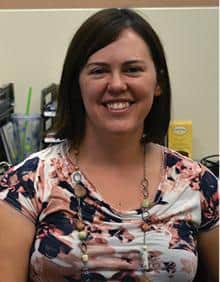
Jacqueline Leskovec, MLIS, MA, RN has been with the National Network of Libraries of Medicine since 2005. Her roles at the former office in Chicago evolved from Outreach and Communications Coordinator, Outreach and Evaluation Coordinator, and Outreach, Planning, and Evaluation Coordinator during that time.
Prior to her work at the Greater… Midwest Region, Jacqueline was on the faculty at the University of South Florida Area Health Education Center program, providing outreach services over a nine-county region. She was branch manager at the Advocate Illinois Masonic Medical Center in Chicago, IL. Before her foray into health sciences librarianship, Jacqueline worked for almost twenty years as a nurse.
In her new role, Jacqueline will enhance network membership by building upon current connections and creating new partnerships throughout the Greater Midwest Region and nationally.
Jacqueline will be working from her home office in Chicago and traveling to the office in Iowa City once monthly for staff meetings.
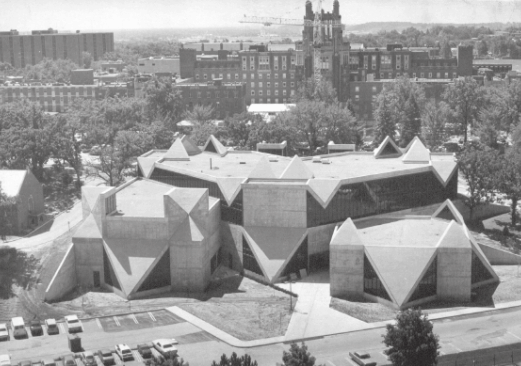
As of May 1, Elizabeth (Liz) Kiscaden is the new Associate Director for the National Network of Libraries of Medicine’s (NN/LM) regional office, located atHardin Library for the Health Sciences. This office serves the Greater Midwestern Region (GMR), comprising of a ten-state area surrounding Iowa.
In her new role, Liz will be responsible for operations and staffing and will collaborate on strategic planning for the new program office. She will be located at the GMR officeon the second floor of Hardin Library, for which construction is still underway.
During her time at the University of Iowa, Liz served as the Head of Hardin Library Services and served temporarily as a Clinical Education Librarian. Prior to joining the University of Iowa, she was employed as the Library Director at Waldorf College, Forest City, Iowa and solo hospital librarian at Mercy Medical Center – North Iowa. Liz’s professional experience has centered primarily on library administration and biomedical information instruction for health professionals.
Liz enjoys living in Iowa City and taking advantage of events and activities offered through the University of Iowa. In her free time, she takes her dog cruising, enjoys the outdoors and watches old martial arts movies with friends.