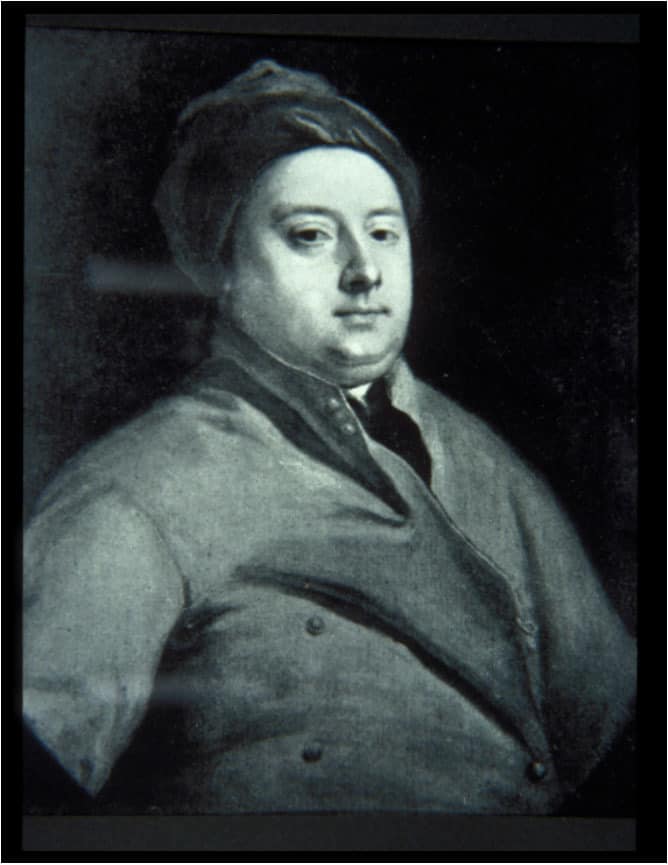
WILLIAM CHESELDEN (1688-1752). Osteographia; or, The anatomy of the bones. London: [n. publ.], 1733. Cheselden’s reputation as a teacher, clinician, and anatomist was well established during his lifetime, and he won great distinction in London’s hospitals. His work on human anatomy went through thirteen editions and became a standard textbook. His Osteographia, with its magnificent plates depictingContinue reading “Osteographia, The Anatomy of the Bones | April 2018 Notes from the John Martin Rare Book Room @Hardin Library”
Category Archives: Rare Book Room
November 2017 Notes from the John Martin Rare Book Room | Ars moriendi = The Art of Dying
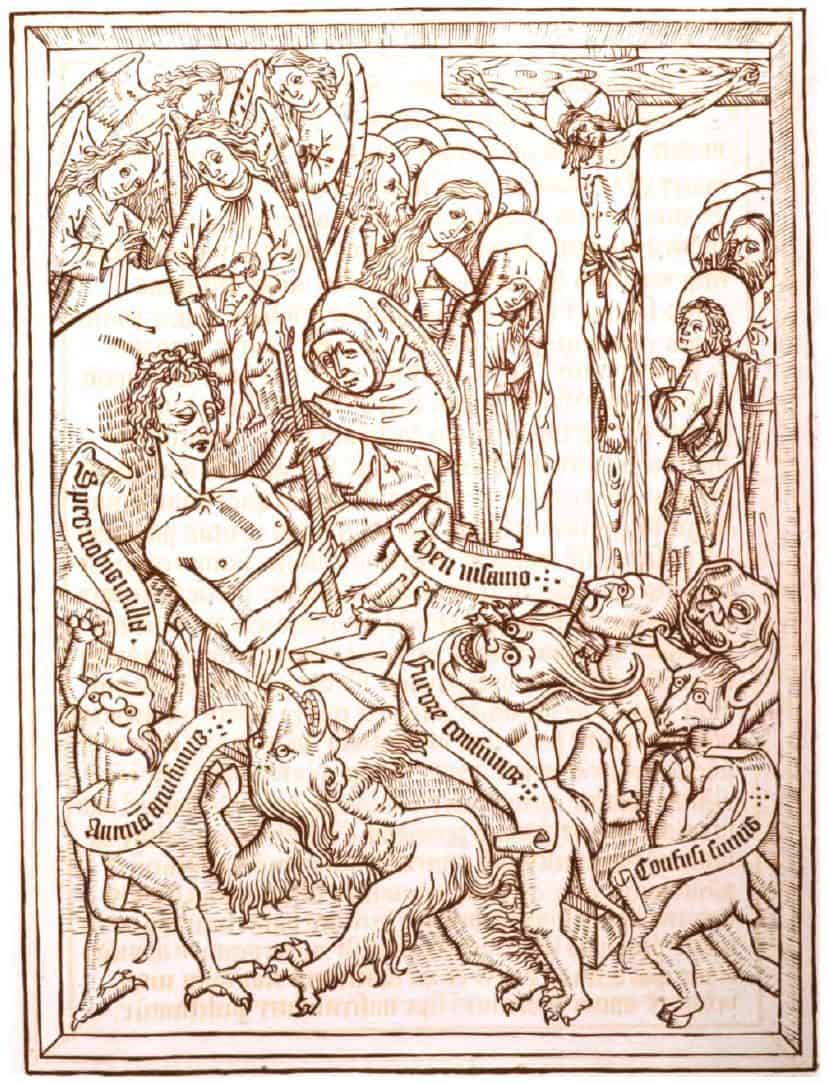
Ars moriendi. [Cologne, Heinrich Quentell, c. 1495] Although the author of Ars moriendi is not known, the book is believed to have been written in Southern Germany at the time of the Council of Constance (1414-1418). Ars moriendi, or The art of dying, was intended to instruct the reader on the proper modes of behaviorContinue reading “November 2017 Notes from the John Martin Rare Book Room | Ars moriendi = The Art of Dying”
Paracelsus, father of toxicology | October 2017 Notes from the John Martin Rare Book Room @Hardin Library
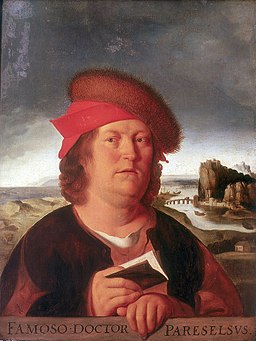
PARACELSUS (1493-1541). Opera, Bücher und Schrifften. Strasbourg: In Verlegung L. Zetzners seligen Erben, 1616. Philippus Theophrastus Bombastus von Hohenheim is universally known as Paracelsus. He was born in Switzerland and educated at Basel. Paracelsus unorthodox ideas and teachings put him in conflict with the orthodox establishment of his revolutionary time and he spent most of hisContinue reading “Paracelsus, father of toxicology | October 2017 Notes from the John Martin Rare Book Room @Hardin Library”
The Black Death: The Plague, 1331-1770 The Black Death: The Plague, 1331-1770 | online exhibit from The John Martin Rare Book Room @Hardin Library
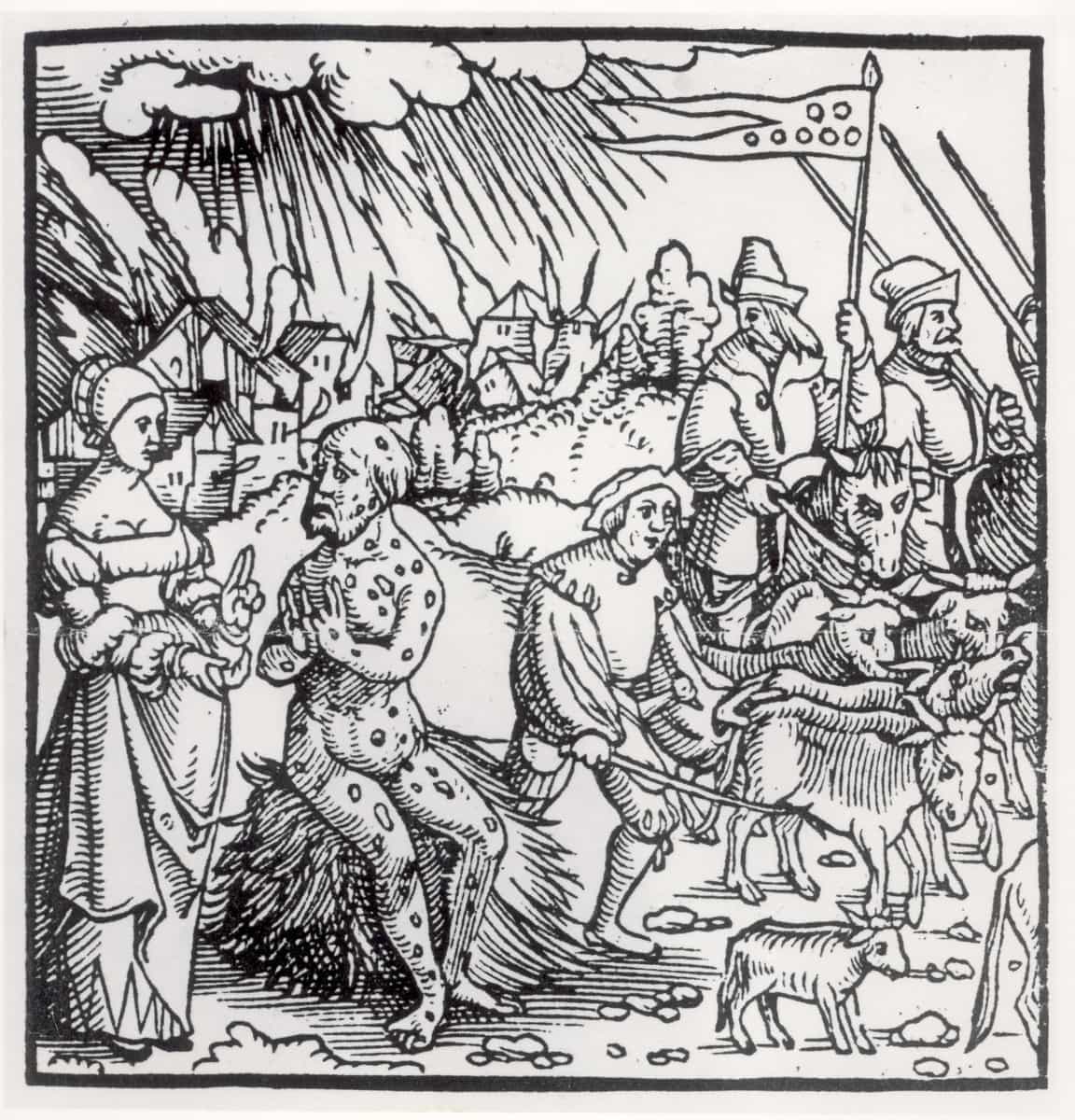
The March, 2013 John Martin Rare Book Room open house featured books and art on The Plague. Alice M. Phillips edited the original exhibit materials and designed an online exhibit: The Black Death.
Pietro D’Abano | February 2017 Notes from the John Martin Rare Book Room @Hardin Library
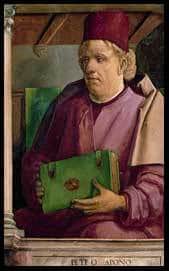
PIETRO d’ABANO (1250-1315?). Conciliator differentiarum philosophorum et medicorum. Venice: Gabriele di Pietro, for Thomas de Tarvisio, 1476. Pietro d’Abano was an influential man of his time. A Paduan physician, philospher and astrologer, he was in demand for lectures and teaching. Dante was among his pupils. For his heretical views he ran afoul of the Inquisition, but diedContinue reading “Pietro D’Abano | February 2017 Notes from the John Martin Rare Book Room @Hardin Library”
The birth of mankinde , othwise named the woman’s booke | December 2016 Notes from the John Martin Rare Book Room @Hardin Library
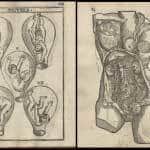
EUCHARIUS RÖSSLIN (d. 1526). The birth of mankinde, otherwise named the woman’s booke. Set foorth in English by Thomas Raynalde. London: Thomas Adams, [1604]. Based on the Latin version, De partu hominis was translated and published by Richard Jonas (fl. 1540). The next English edition to appear was published by Thomas Raynalde. Raynalde borrowed freelyContinue reading “The birth of mankinde , othwise named the woman’s booke | December 2016 Notes from the John Martin Rare Book Room @Hardin Library”
Francis Glisson | Anatomia Hepatis | November 2016 Notes from the John Martin Rare Book Room @Hardin Library
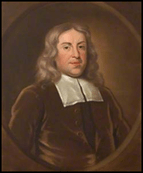
FRANCIS GLISSON (1597-1677). Anatomia hepatis. London: Typis DuGardianis, 1654. Glisson was a graduate of Cambridge and Regius professor of physic there for more than forty years, although he was almost never in residence, as he carried on a busy medical practice in London. Glisson was a founder of the Royal Society and one-time president ofContinue reading “Francis Glisson | Anatomia Hepatis | November 2016 Notes from the John Martin Rare Book Room @Hardin Library”
Vieussens, Neurographia Universalis | October 2016 Notes from the John Martin Rare Book Room
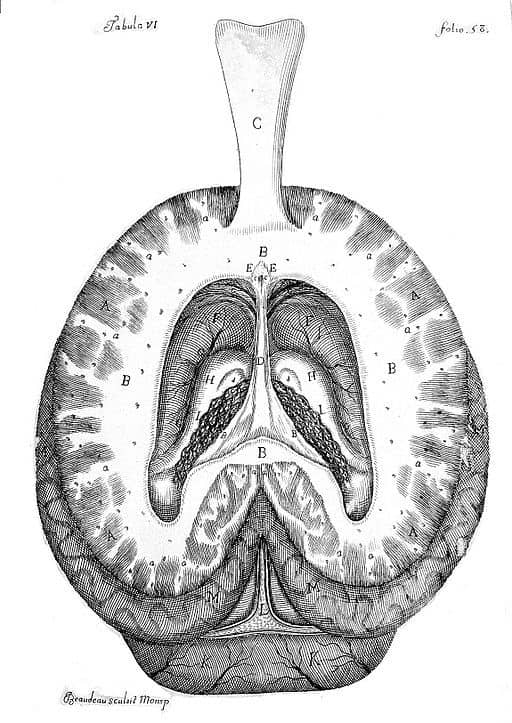
RAYMOND VIEUSSENS (1641-1715?). Neurographia universalis. Lyons: Apud Joannem Certe, 1685 The son of a French army officer, Vieussens provided his own support, studying philosophy at Rhodez and medicine at Montpellier. As physician to the hospital of Saint Eloy in Montpellier,performed over five hundred postmortem examinations. He made a number of anatomical discoveries during these exams. ThisContinue reading “Vieussens, Neurographia Universalis | October 2016 Notes from the John Martin Rare Book Room”
AVICENNA | September 2016 Notes from the John Martin Rare Book Room @Hardin Library
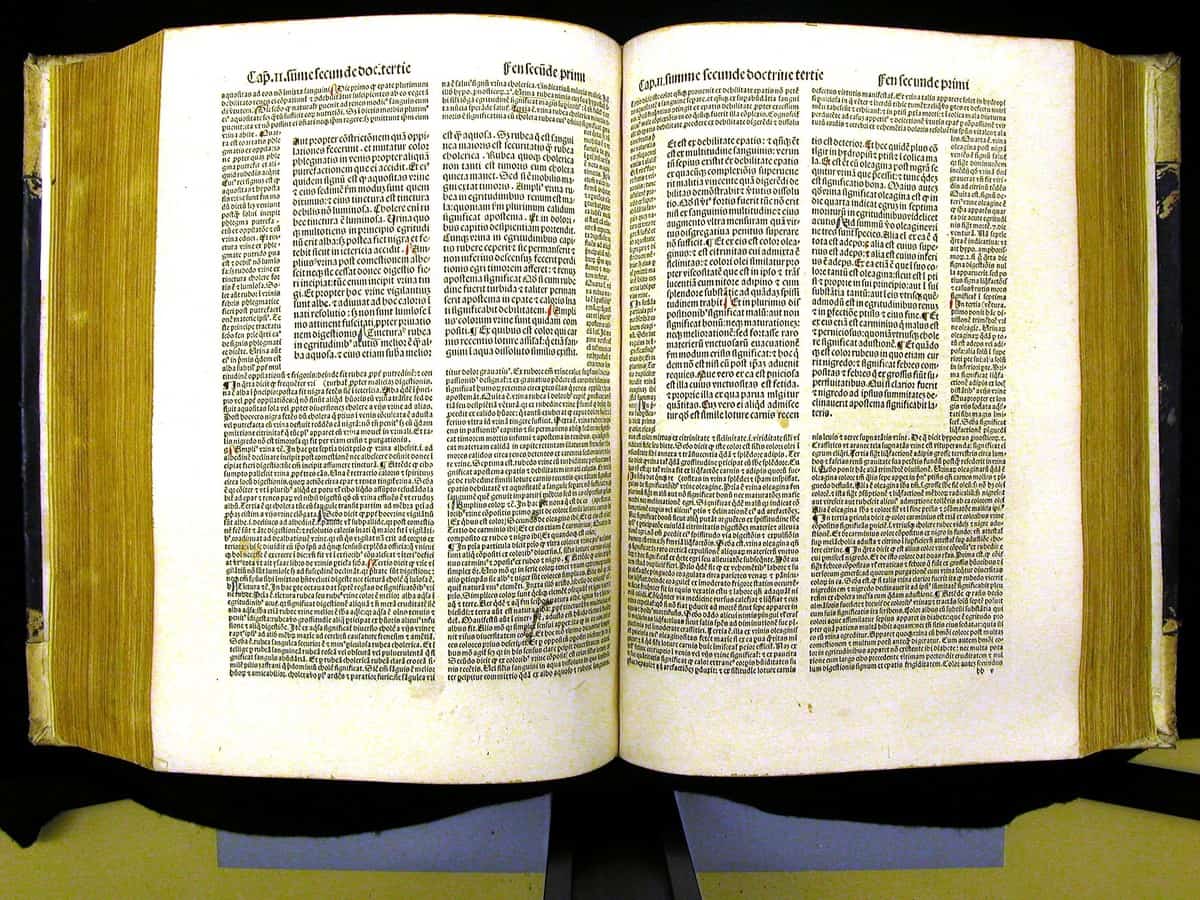
AVICENNA (980-1037). Canon medicinae. 4 vols. in 3. Lyons: Johannes Trechsel, completed by Johannes Clein, 1498. Known in the Persian world as the Chief or the Second Doctor (Aristotle having been the first), Avicenna (Arabic Ibn Sīnā) was an accomplished physician as well as a noted philosopher. He wrote widely on theology, metaphysics, astronomy, philosophy, law,Continue reading “AVICENNA | September 2016 Notes from the John Martin Rare Book Room @Hardin Library”
Andrés de Laguna de Laguna | August 2016 Notes from the John Martin Rare Book Room @Hardin Library
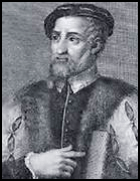
ANDRES DE LAGUNA (1499-1560). Anatomica methodus, seu De sectione humani corporis contemplatio. Paris: Apud Ludovicum Cyaneum, 1535. Laguna, a native of Segovia, Spain, began his education in medicine at Paris in 1532. While in Paris he published his first three books and became acquainted with Vesalius. By 1539, Laguna published over 30 books, many on medical botany–oneContinue reading “Andrés de Laguna de Laguna | August 2016 Notes from the John Martin Rare Book Room @Hardin Library”