Two University of Iowa Libraries staff members were honored for their contributions to the organization during an awards reception in spring 2026. The recipients were selected by a committee, which reviewed nominations submitted by their colleagues.
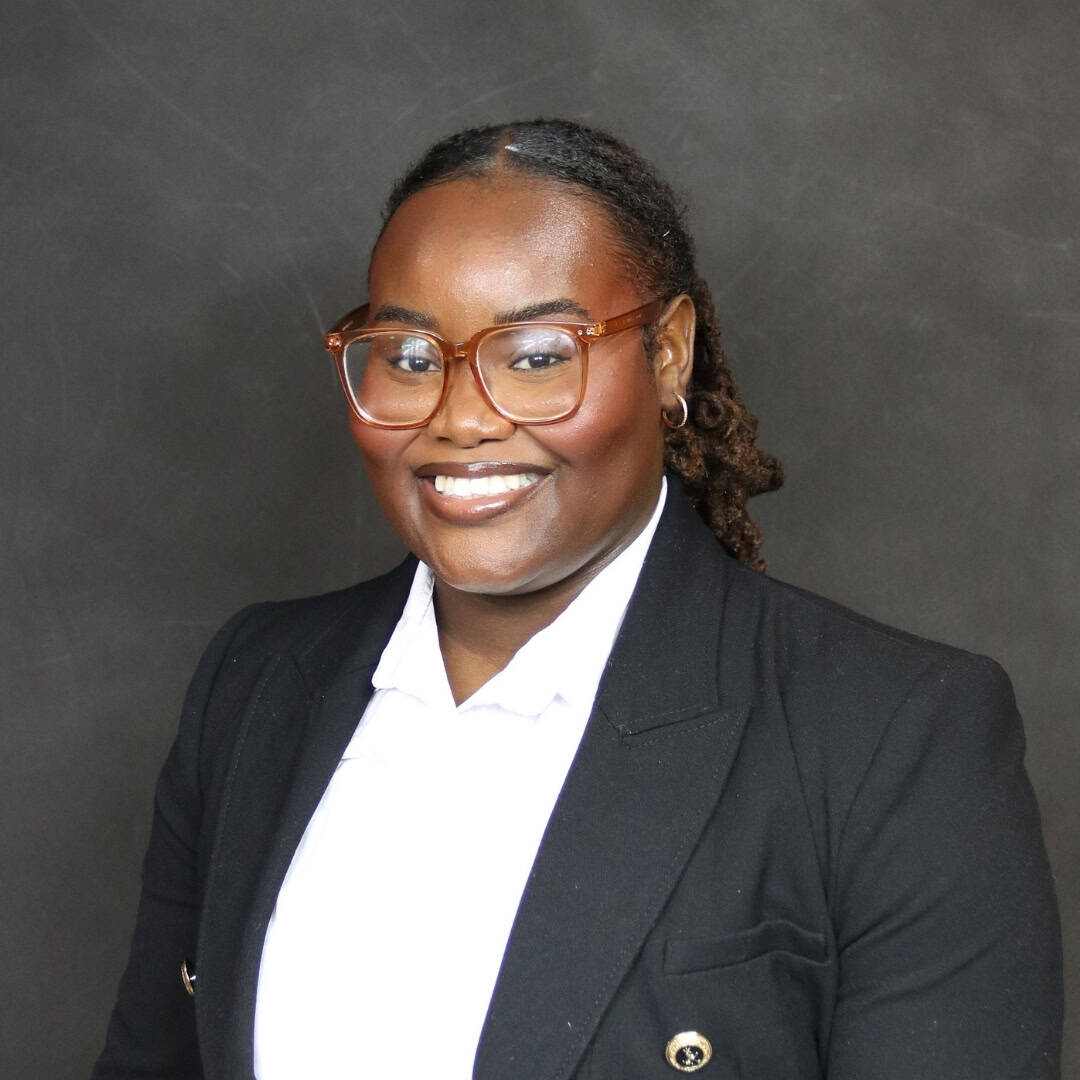
Amy McBeth, library assistant IV Rita Benton Music Library Distinguished Service Award
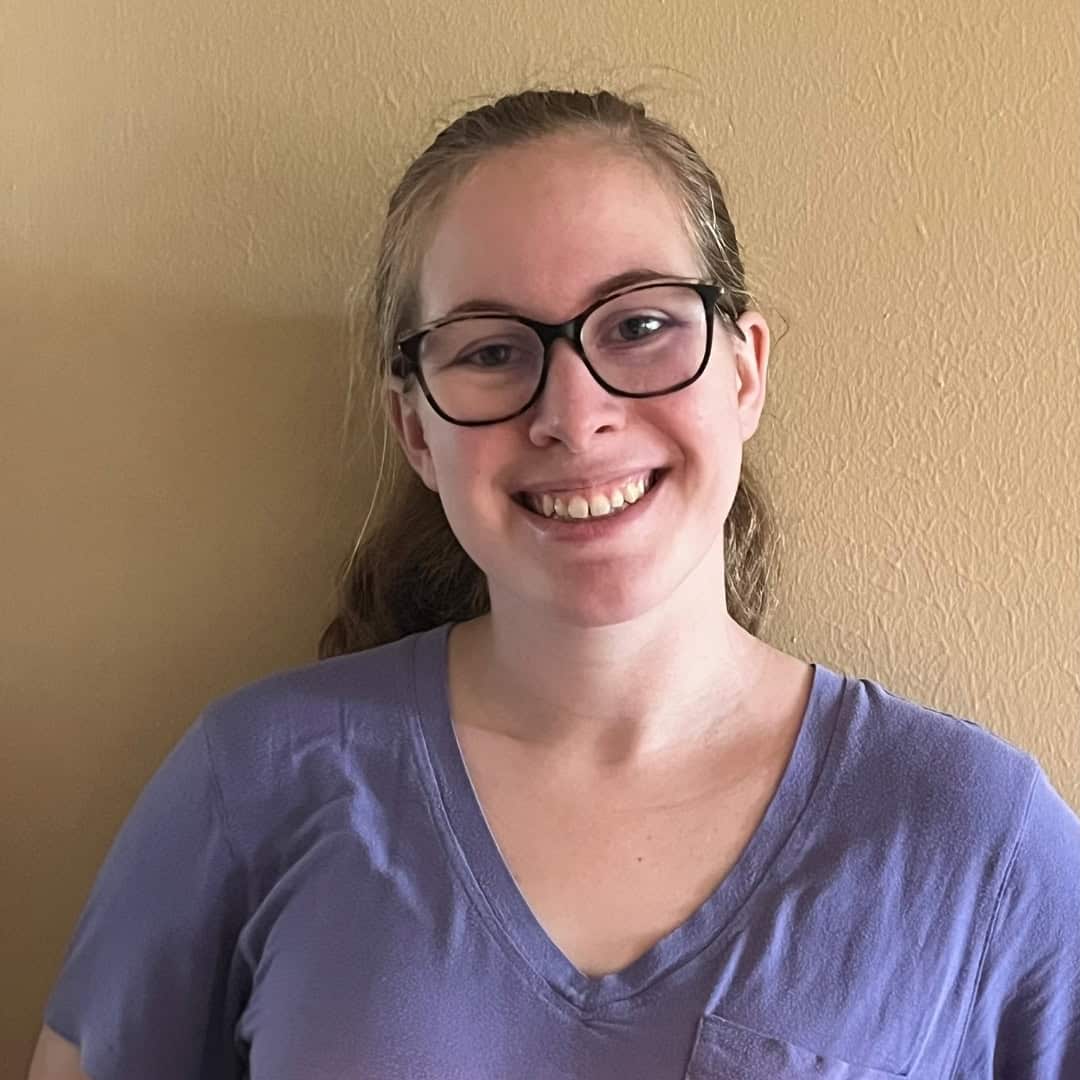
Amy McBeth’s dedication to the Rita Benton Music Library and its patrons is unmatched, according to her nominator. The review committee also praised her strong ethics, resourcefulness, and commitment to excellence, noting her ability to find answers to complex inquiries and her role as a champion for student workers. McBeth’s leadership sets a high bar for resilience and kindness, creating an environment where students thrive.
McBeth’s nominator and student testimonials reveal her profound impact on those she mentors. She trains students not only in library operations but also in professional skills and empathy, offering guidance that extends beyond graduation. Her care for students, especially those far from home, has fostered confidence and success in their academic and personal lives, and her blend of expertise and compassion leaves a legacy at the Music Library and beyond, according to her nominator.
The Distinguished Service Award celebrates a Libraries Merit staff member recognized by their peers who shows initiative, promotes a service mindset, values collaboration, and demonstrates respectful and inclusive behavior. The recipient leads by example, is compassionate, and champions opportunities, making a difference to their colleagues, their work, or community.
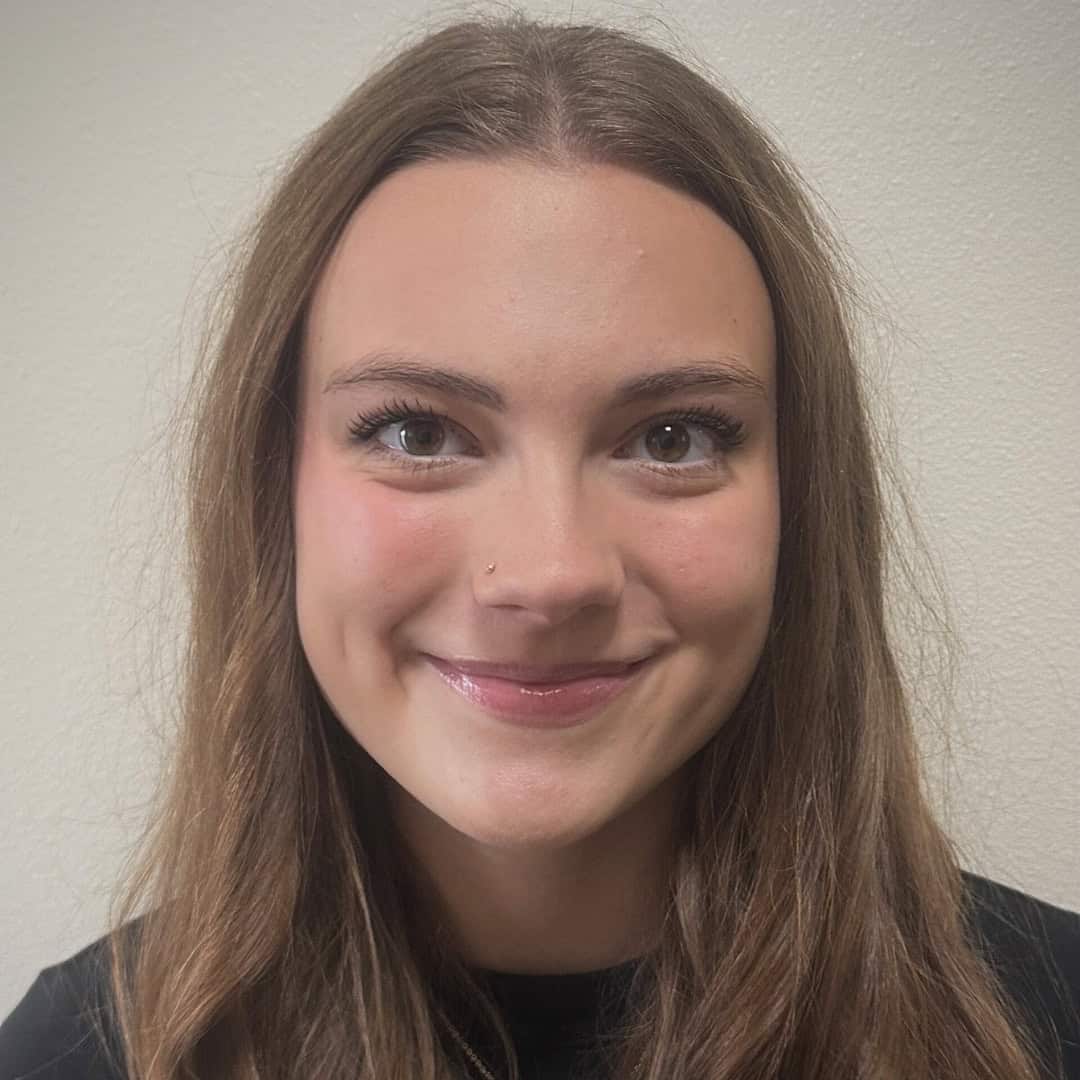
Mary Margaret Thomas, clinical education librarian Hardin Library for the Health Sciences Early Career Award
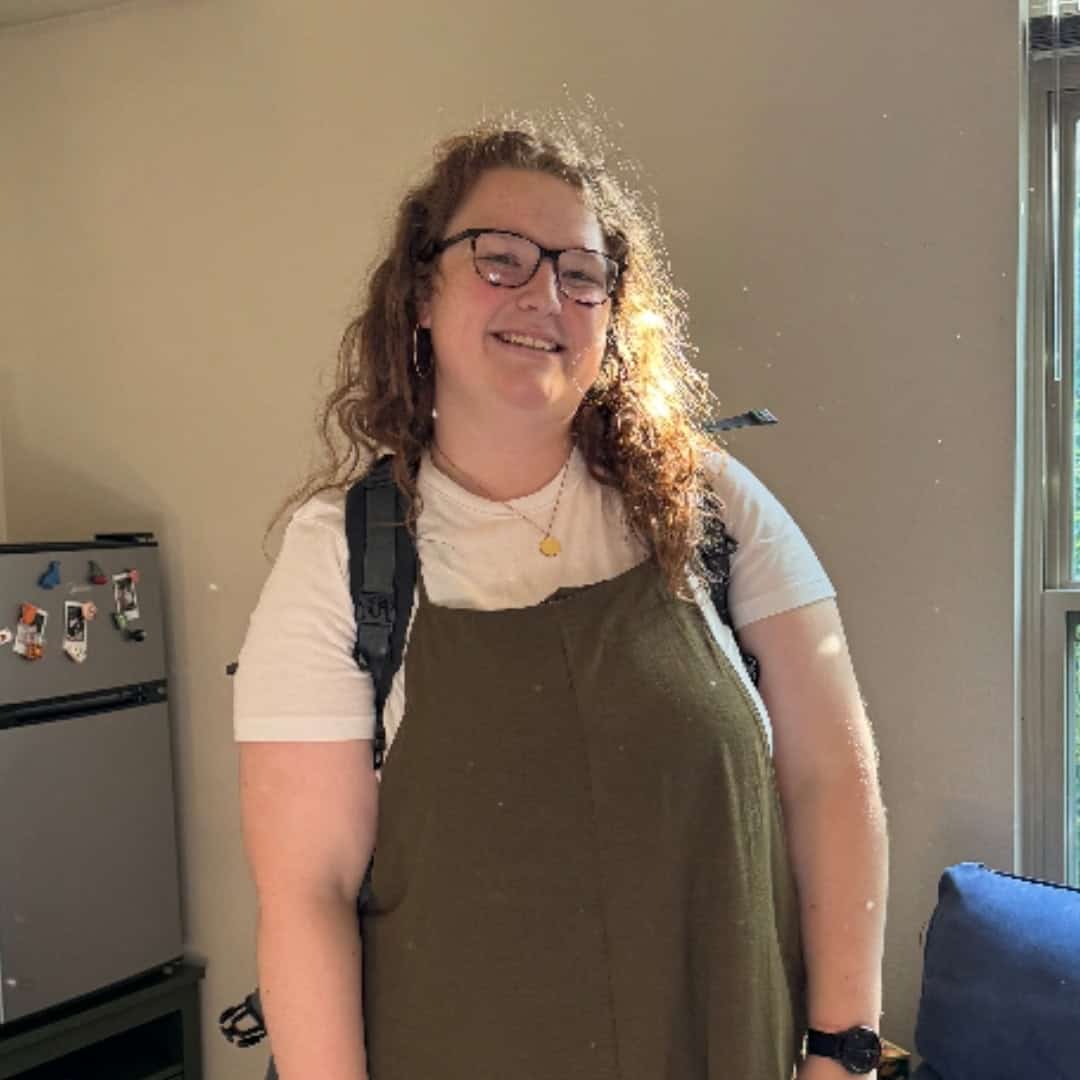
Mary Margaret Thomas has quickly distinguished herself at Hardin Library for the Health Sciences through adaptability, collaboration, and professional growth, according to her nominator. The review committee also noted her evolution into a trusted colleague who delivers tailored instruction, co‑teaches courses, and contributes to scholarship. Her initiative and versatility make her an invaluable member of the team.
Mary Margaret Thomas, clinical education librarian at the Hardin Library for the Health Sciences, receives the 2025 Early Career Award from Jack B. King University Librarian John Culshaw during a staff awards reception in March 2026.
Her nominators highlighted achievements that go beyond expectations for an early career librarian. Thomas earned the Medical Library Association’s (MLA) Systematic Review Services Specialization, conducts rigorous searches, and co‑authored a review accepted for publication. She expanded her teaching portfolio and developed Mental Health First Aid training and toolkits that benefit both staff and students. These contributions reflect Thomas’ commitment to advancing research, instruction, and community well-being—hallmarks of an outstanding early career professional.
The Early Career Award celebrates a Libraries P&S staff member recognized by their peers for demonstrated exceptional accomplishment(s) through competency, initiative, and creativity. This award is for early career professional Libraries staff members and mirrors the Arthur Benton University Librarian’s Award for Excellence.
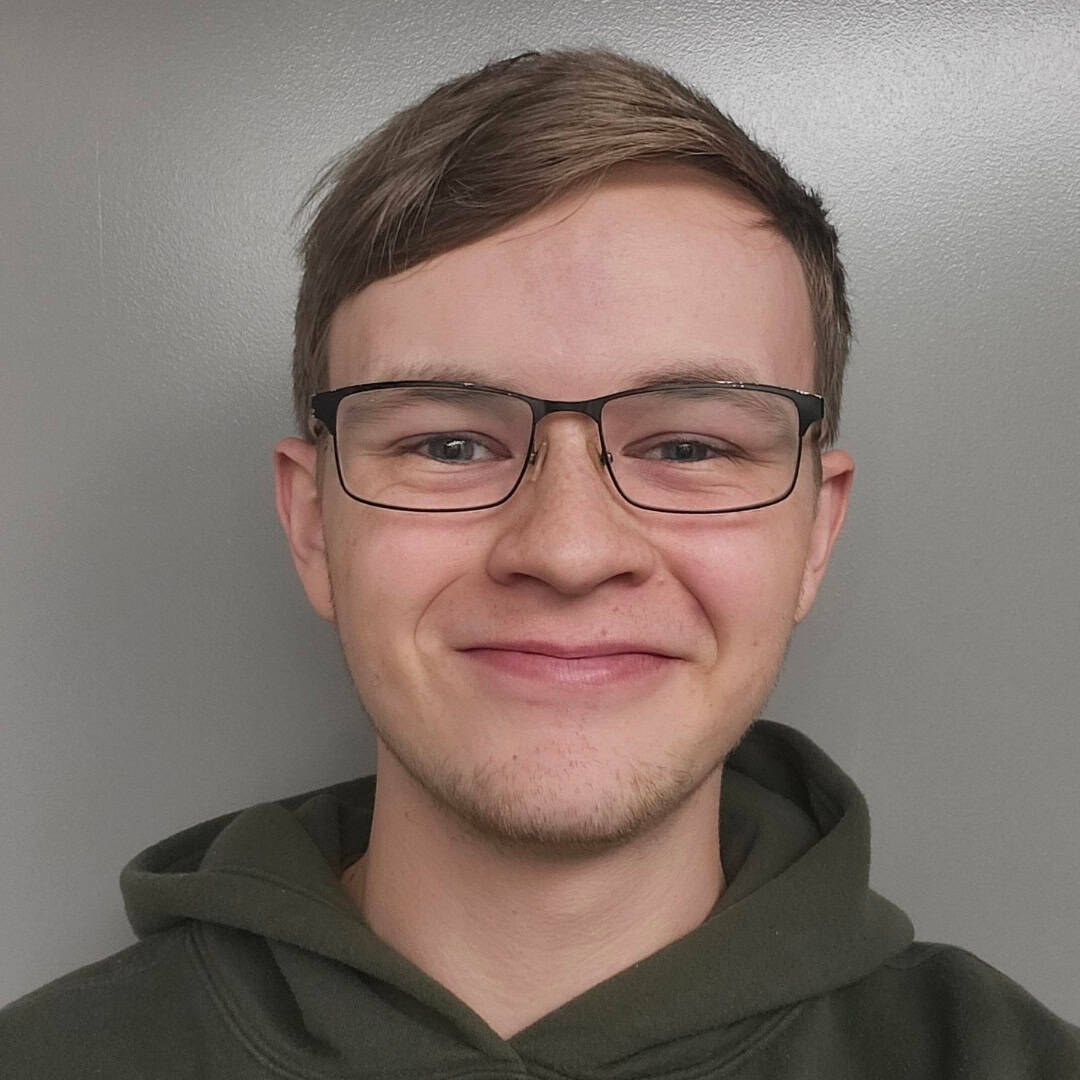
Miles Dietz-Castel has been named the 2025 recipient of the Arthur Benton University Librarian’s Award for Excellence in recognition. Dietz-Castel’s nominators highlighted his unwavering dedication, exceptional professionalism, and positive impact on the community served by the Network of the National Library of Medicine (NNLM), which is the regional medical library for Region 6, located at Hardin Library for the Health Sciences at the University of Iowa.
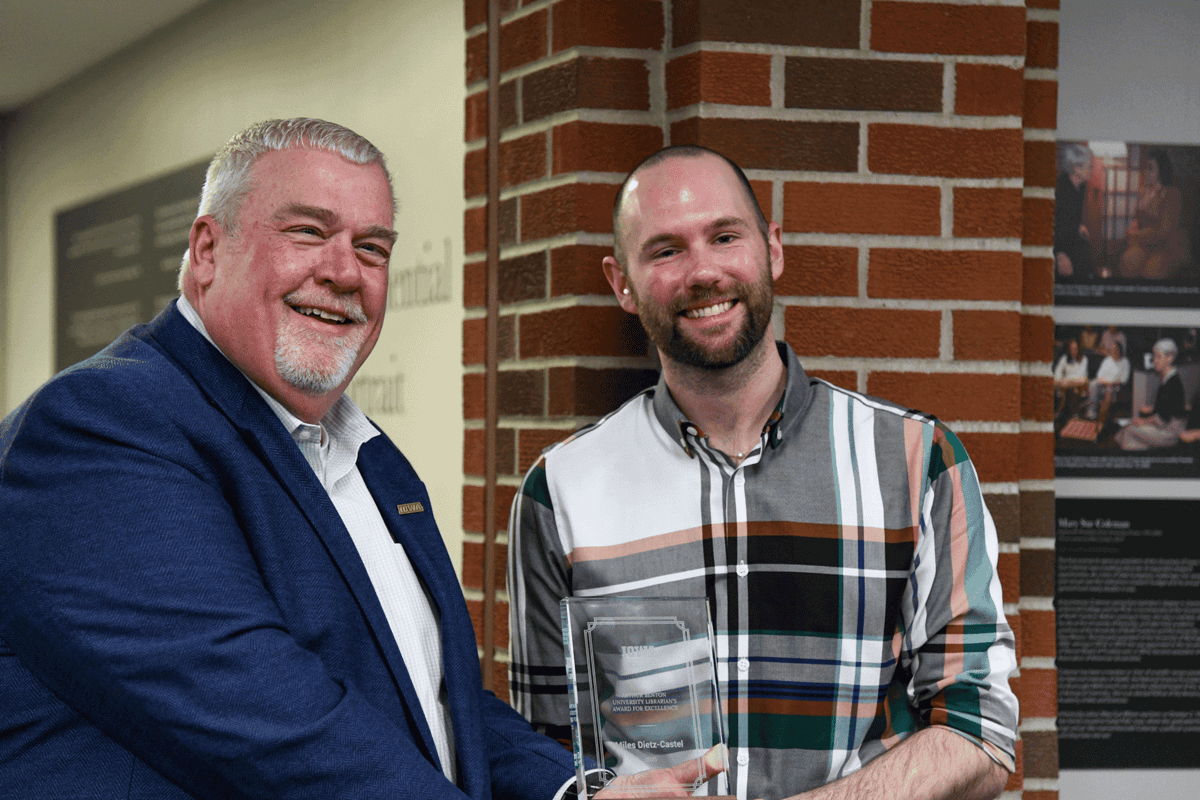
Miles Dietz-Castel, communication specialist at NNLM Region 6, receives the 2025 Arthur Benton University Librarian’s Award for Excellence from Jack B. King University Librarian John Culshaw during a staff awards reception in March 2026.
Dietz-Castel has served as communication specialist at NNLM Region 6 since May 2019 and oversees marketing and media. He also serves on the NNLM Communications Working Group and has volunteered to take on network-wide promotions, representing not only Region 6 but all seven RMLs around the country. Dietz-Castel began his time at the NNLM as an office manager in January 2018, which evolved into serving as office coordinator. The NNLM advances the progress of medicine and improve public health through access to health information by collaborating, training, and funding health centers, health departments, community organizations, as well as medical, public, and school libraries in a seven-state region.
“Miles is adaptable and collaborative and his wide-ranging skills strengthen projects across the NNLM and community and we appreciate his work,” says John Culshaw, Jack B. King University Librarian at the University of Iowa. “His nominators also consistently highlighted not only his flexibility and willingness to learn, but also the supportive, encouraging environment he creates for colleagues working both in person and remotely.”
One of his nominators, Jacqueline Leskovec, network specialist at NNLM Region 6, says Dietz-Castel stands out for his collaboration.
“It is evident that Miles has been an incredible asset to our office,” says Leskovec. “I have seen him grow in his positions, taking on more responsibilities and stepping up when needed. He is resourceful, creative, competent, kind, and fun to work with.”
Another one of Dietz-Caster’s nominators, Bobbi Newman, is an associate professor of practice in the UI School of Library and Information Science and former community engagement and outreach manager at NNLM Region 6. She says she’s witnessed Dietz-Castel’s commitment to excellence in everything he undertakes.
“Miles consistently goes above and beyond his assigned responsibilities, demonstrating both a keen eye for detail and a genuine passion for producing high-quality work that exceeds expectations,” says Newman. She adds a prime example of Castel-Dietz’s exceptional contributions was his work on the 2023 National Health Misinformation Symposium. He took ownership of creating graphics, developing promotional materials, and providing technical support that were essential to the symposium’s success.
“His ability to translate complex health information into visually compelling and accessible materials demonstrated not only technical skill but also a deep understanding of our educational mission,” says Newman. “The quality of his work consistently impressed our team and set a standard that has been adopted across our entire network.”
“Miles takes the time to ensure that his work is of the highest quality, and in turn he ups the quality of the rest of the work the office produces as well,” says Nora Barnett, health professions outreach coordinator at NNLM Region 6. “Whether I am developing a webinar and have an idea of a promotional graphic, or I am working on a poster to raise awareness of our continuing education offerings, I know involving Miles will transform whatever I start to create into a polished and professional deliverable.”
Dietz-Castel was formally acknowledged as the recipient of the Benton Award during a staff recognition event in March 2026.
The Arthur Benton University Librarian’s Award for Excellence is awarded each year to a member of the Libraries’ professional staff who has demonstrated outstanding commitment and leadership in furthering its mission to serve the university community. In addition to formal recognition, the award includes a grant of $2,000 for professional development that will support Butler’s research projects or publications related to library services.
The late Dr. Arthur Benton, professor of psychology and neurology at the University of Iowa Hospitals and Clinics, established the endowment to make this annual award possible.
Student employees are a crucial part of the ecosystem at the University of Iowa Libraries. Not only are staff able to pass on expertise directly through hands-on learning, but students can contribute their ideas to keep the Libraries relevant and strong for the next generations. Student employees complete a wide variety of tasks, including directing users to needed resources, caring for collections, and processing material.
For the 2025–2026 academic year, 15 undergraduate student employees have been awarded scholarships in recognition of their work. Read below to get to know them and learn about their Libraries experience and its impact on their future in their own words. If you see the following outstanding students working at the Libraries, be sure to congratulate them and thank them for their efforts!
You can learn more about UI Libraries student scholarships on the Libraries website.
Judy and Mike Greer Scholarship in memory of Mary E. Greer
Samantha Burds Hometown: Epworth, Iowa Major: Bachelor of Arts in English “The friendly and open work environment at the Libraries has given me the opportunity to ask questions that help me learn about my job. Libraries are centers for information, and having more information as an employee makes me better at doing my job and giving that information to others.”
Kaleb Schlatter Hometown: Runnells, Iowa Major: Bachelor of Arts in history with minors in Arabic studies and cinematic arts and a Certificate in Jewish Studies “My work at the Libraries has strengthened my ability to draw on its websites and digital and physical archives, which has improved the quality of my regular academic work and helped me develop research interests. Working at the Libraries has also provided routine opportunities to practice and refine interpersonal communication skills for clarity and efficiency. Given that I intend to work in archives, academic history, or in legal spaces, the research skills, institutional knowledge, and communication skills I have developed while working at the Libraries have prepared me with the tools to adapt to new information ecosystems.”
Benton Family Music Library Student Employee Scholarship
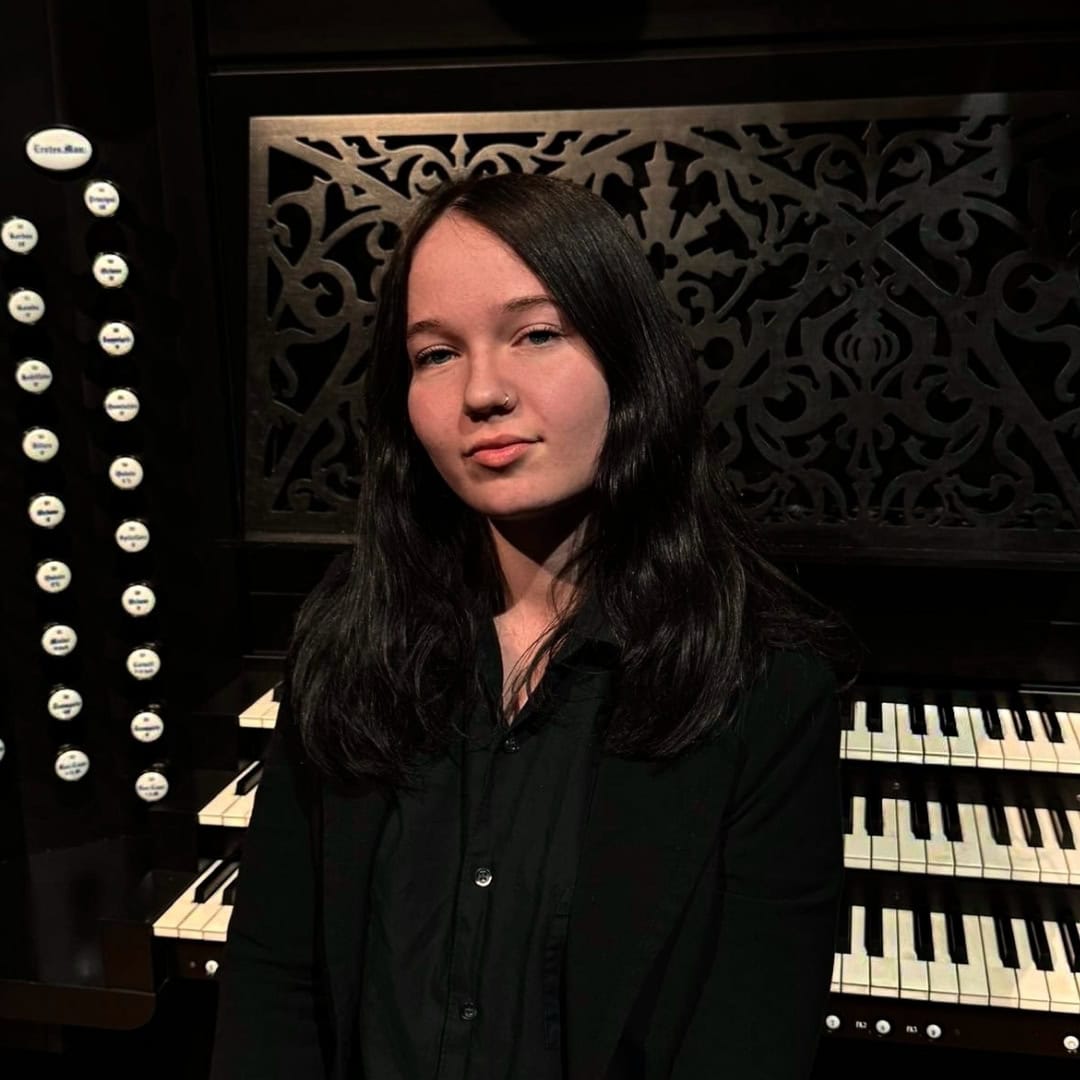
Lydia Maier Hometown: Madison, Wisconsin Major: Bachelor of Music in organ performance “Working at the Libraries has helped me strengthen several professional skills, especially time management and working with people. Balancing a heavy course load, practicing, and working at the Rita Benton Music Library have taught me how to prioritize my work, stay organized, and manage my time efficiently. I’ve also become more personable and confident in helping people, whether I’m answering questions, helping someone find a score, or simply being welcoming at the front desk. Something that has surprised me about working in the Music Library is the call number system. Before working at the Libraries, I didn’t know how to locate books or scores with the number because I didn’t understand how it worked. I have discovered how thoughtful and organized the system is and it has been super helpful to utilize!”
Brett Tomkins Hometown: Dubuque, Iowa Major: Bachelor of Arts in music education and Bachelor of Music in composition studies “Keeping account of scores and working at the Music Library helps me learn to stay organized. It also gives me the chance to compose and arrange when I don’t have any tasks, which directly impacts my career.”
Bentz Family Student Employee Scholarship
Sadie Crandall Hometown: Marion, Iowa Major: Bachelor of Arts with a triple major in anthropology, classics, and religious studies with a Museum Studies Certificate “My work at Special Collections and Archives has helped me develop not only professional skills with archiving software and physical handling techniques, but it has also allowed me to build professional relationships within a community of like-minded archivists that I love and cherish. These skills have been nurturing my knack for leadership and my ability to approach difficult archiving problems in the collections and library spheres. I am passionate about my work and my impact on the institution and community that I serve and am constantly looking for ways to improve these skills and small ways to help in the library in order to prepare for a future in collections moving forward.”
Brylee Hoeg Hometown: Grundy Center, Iowa Major: Bachelor of Arts with a double major in history and ancient civilizations and a minor in anthropology and a Museum Studies Certificate “Through my work at the Libraries, I have learned how to communicate with a large group of people, and how to meet the differing needs of these people. In my future career I am going to see people every day who will need specific or different things from me, and I will need to know how to effectively and efficiently fix problems and help individual people.”
Ava Stork Hometown: Ankeny, Iowa Major: Bachelor of Arts in environmental policy and planning with a minor in urban studies and a Certificate in Sustainability “Through working as a student employee of the Libraries, I have greatly improved my communication and teamwork skills through collaborating with other students and staff and working together to complete various projects. In relation to my future career path as an urban planner, both of these skills are an essential part of plan completion and community outreach.”
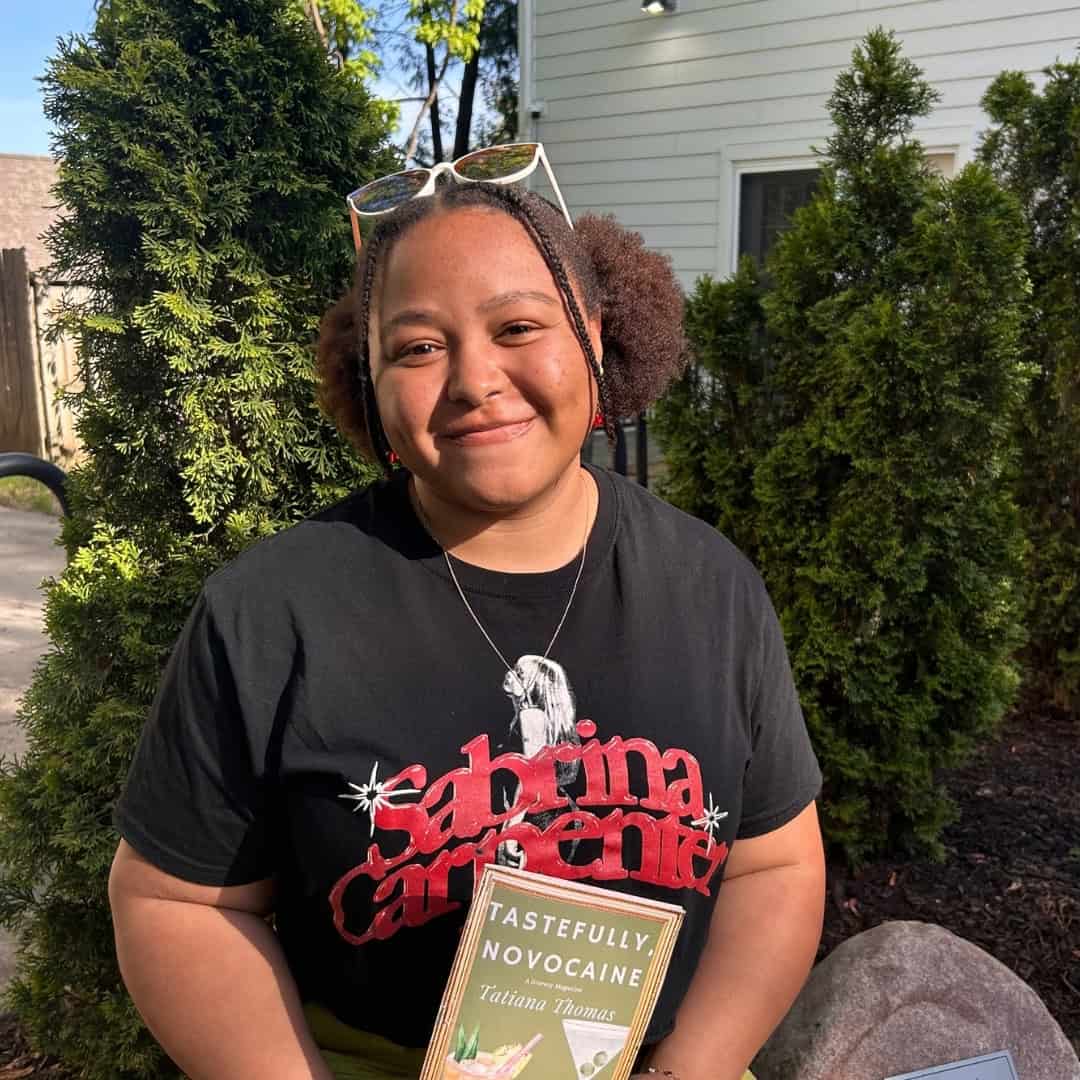
Tatiana Thomas Hometown: LaGrange, Illinois Major: Bachelor of Arts in English and creative writing “While working at the Art Library, I have learned to balance a multitude of tasks. I will forever and always be so surprised at how much the Art Library feels like a home. Jim (Hall, library assistant and student supervisor) and Patricia (Jimenez, director) are the most welcoming people I have ever encountered, as well as respectful and professional.”
UI Libraries Student Employee Scholarship
Brianna Bowers Hometown: Cypress, Texas Major: Bachelor of Arts with a double major in computer science and English and creative writing “I’ve learned how to balance my time between different independent projects. Knowing how to do this will be useful to me since I plan to go into a career that involves lots of independent projects alongside self-development.”
Abigail Kunzman Hometown: Hartley, Iowa Major: Bachelor of Science with a double major in health and human physiology “Something that surprised me about working at the Sciences Library is the connections that I’ve made with the staff and students. What started as just a campus job has allowed me to get to know a great staff that always makes me feel supported and part of a small community. Additionally, the role of a student mentor itself is extremely rewarding. I get to witness the personal growth and increased confidence in the learning of students who I have had the privilege to work with. Every student learns differently and at a different pace, teaching me how to adapt quickly and adjust my explanations to what they will be most receptive to. I have also learned how vulnerable it can feel asking for help, so I make it my goal to create a supportive environment where students feel comfortable asking questions and working through difficult concepts. The patience and communication that I’ve developed while working at the Sciences Library will not only strengthen my abilities as a future physician but will allow me to better connect and support the patients I will one day care for.”
Kethia Mulonda Hometown: Des Moines, Iowa Major: Bachelor of Science in Engineering in civil engineering “Working at the Lichtenberger Engineering Library has taught me a great deal about communication, patience, and problem-solving. Every shift involves interacting with different students, faculty, and staff, and I’ve learned how to clearly explain information, walk someone through a process, and stay calm even when things are busy. I’ve also improved my ability to troubleshoot issues, whether it’s technology problems, equipment questions, or finding the right resource. These skills will carry directly into my future career. Civil engineering requires strong communication, teamwork, and the ability to think through challenges in real time. The Libraries has been a great place to develop those habits early.”
Sumeyo Noor Hometown: Sioux City, Iowa Major: Bachelor of Science in neuroscience “Coming in as the only neuroscience student, I didn’t expect to connect with so many of my other co-workers, who were mostly in the Tippie College of Business. However, I’ve made lifelong friends here at the Business Library and every day I learn something new from everyone who works here. It feels like a close-knit family. The Business Library has also prepared me for handling professional encounters and confrontation. I think these skills will help me in my future studies as a med student and hopefully one day as a doctor. Things like being able to talk to anyone and handle conflicts are important not only for my specific area of study, but for health care professionals in general.”
Kaylee Olson Hometown: Sioux City, Iowa Major: Bachelor of Arts with a double major in psychology and criminology, law, and justice “My work at the Libraries has helped me develop important professional skills like strong communication and problem-solving skills by helping patrons, attention to detail through tasks like shelving books and closing, and time management skills by balancing work at the Libraries with a full academic schedule. These tasks taken together have helped me develop a stronger work ethic, and I feel confident using these skills in tasks that will carry into any future career. I was surprised at how often I actually looked forward to going to work at the Libraries. I often feel much more grounded, even on the most stressful days, after a shift. It has been a great place for me to make crucial connections and grow as a person.”
Steven Siegel Hometown: Van Meter, Iowa Major: Bachelor of Science in biology “I have learned a lot of professional communication skills that have already begun to serve me well in my future career. I am able to efficiently communicate and plan different projects with my coworkers and management.”
Jillian Witt Hometown: Queens, New York Major: Bachelor of Arts in English and creative writing “The main professional skills I’ve learned in my time here has been patron interaction and working with a team, which will be crucial skills in any kind of work environment. As I am considering going into academics, a useful skill I have learned at the Libraries has been researching and finding materials related to a specific subject. I am also considering going into library sciences and learning how to navigate the Library of Congress Classification system has been a valuable skill.”
Inside the University of Iowa Libraries is your look behind-the-scenes to meet the people and discover the stories making our organization unique and valuable. From cutting-edge databases to rare books, join us to explore a world of research, preservation, and discovery that fosters student success through countless touchpoints.
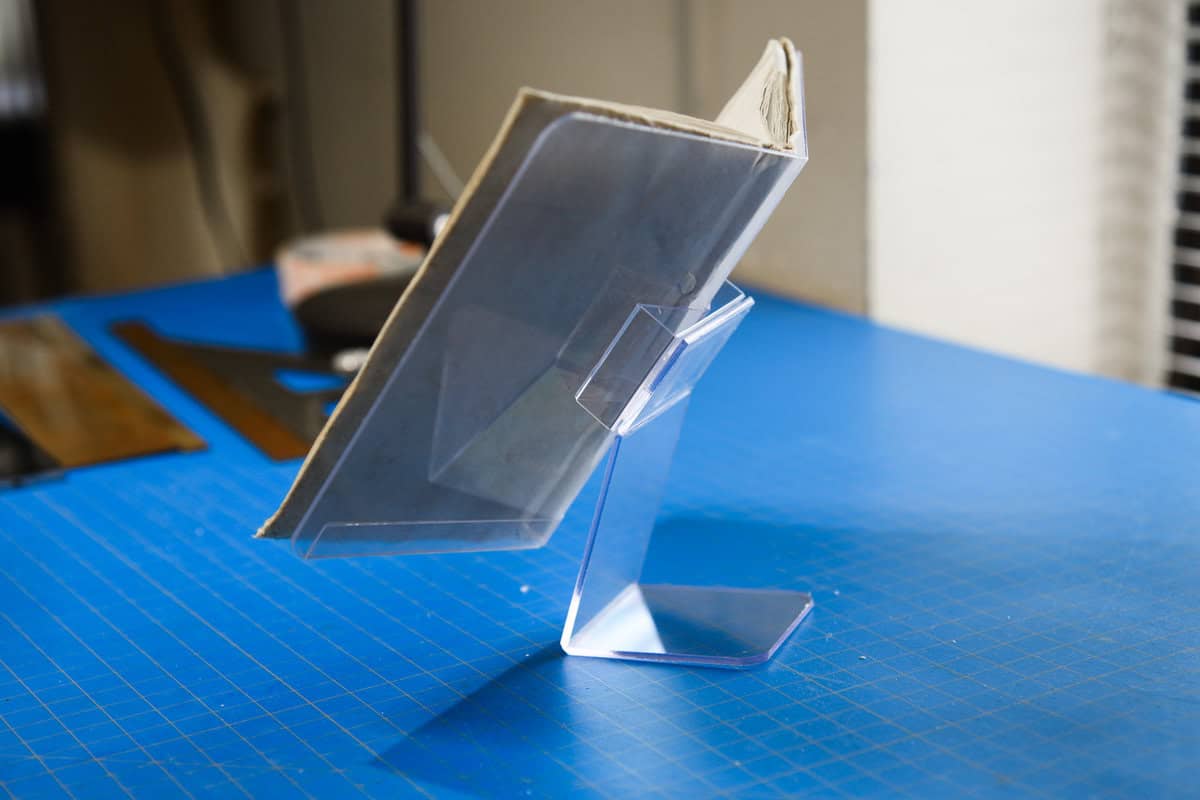
Students and visitors to the UI Libraries get to experience unique and rare materials on display at the Main Library Gallery and at small displays and galleries throughout each building. What they don’t see is the careful process of preparing both the materials themselves and the display mounts that make it possible to have these items out for the public to view. Due to their age, sensitive components, or other factors, these materials must be attentively prepared for display. They also receive custom-made mounts, allowing them to be presented in a way that will not cause stress or damage.
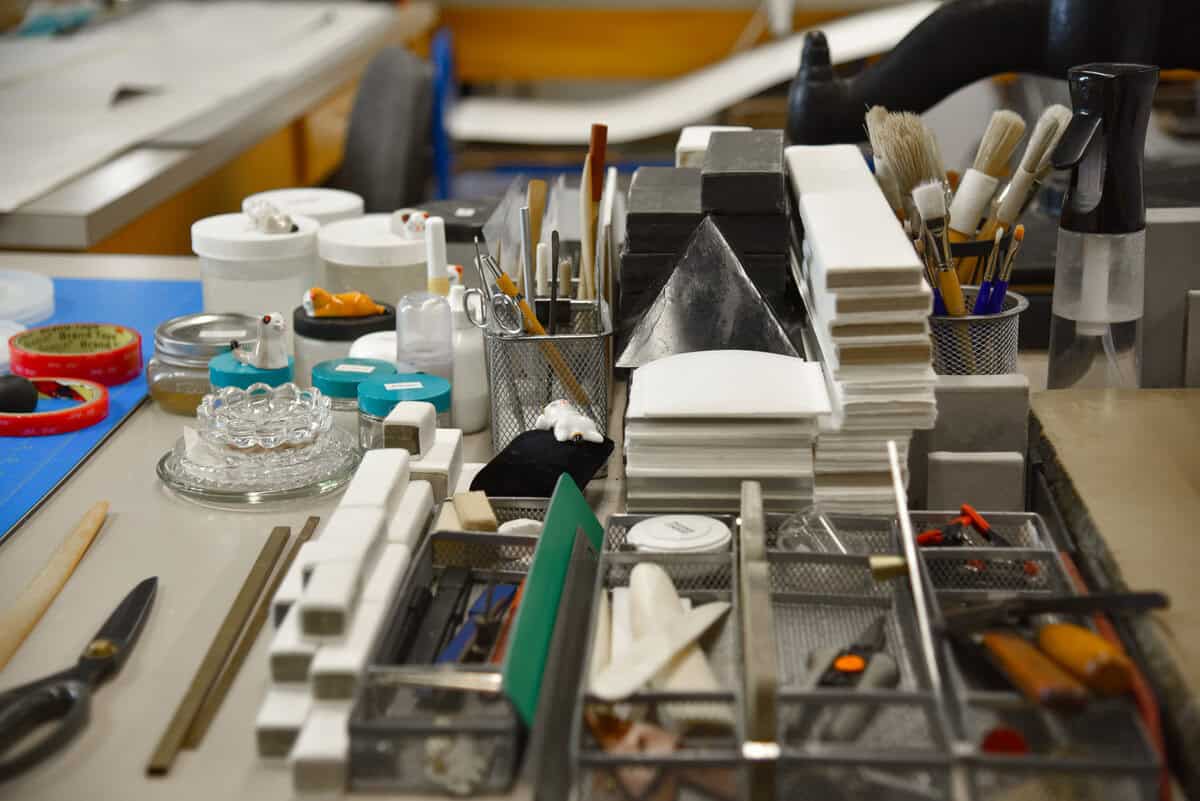
Behind this process is Conservation and Collections Care, which provides specialized treatment for all of the Libraries’ collections, advises on issues of collection storage and use, and manages the preparation and installation of all materials for exhibition. Bill Voss is one of the department professionals and he specializes in making exhibit mounts and preparing materials for display, in addition to performing complex treatments on materials from the UI Libraries distinctive collections. Using a variety of materials and tools—which he also makes himself—Bill ensures the UI Libraries’ collections receive high-quality care as they engage with students and the University of Iowa community.
Bill has a bachelor’s degree in Russian from Lawrence University and a master’s degree in Slavic linguistics from the University of Washington. He has worked at the UI Libraries for over 25 years, during which time he also earned a Certificate in Book Arts from the UI Center for the Book. Get to know Bill and learn more about his work in the questions and answers below.
Q: How does your work influence people’s experience when they visit the UI Libraries? A: Students engage with my work when viewing our exhibits in the Main Library Gallery, the Special Collections and Archives Reading Room, and various pop-up exhibits around campus. I also sometimes work on rare materials that are utilized for various classes in the library.
Q: When does your job feel most rewarding? A: I really enjoy working with rare materials from our Special Collections and Archives. Some of our most interesting materials that are in need of treatment and/or display end up crossing my bench.
Q: What is a favorite exhibit that you’ve worked? A: My favorite exhibit was last semester’s Paper Engineering in Art, Science, and Education, which provided a number of unique display challenges from pop-up books and paper dolls to tunnel books and historic medical flap books. These required some innovative mount designs and the creative use of a lot of tiny magnets and supports that are mostly hidden from the viewer.
Q: What do you enjoy outside of work? A: Some of my other interests are fine leather bookbinding, paper marbling, and guitar. I also have an extensive collection of tarot card decks, many of which are cat themed.
The time for Love Data Week 2026 has come, with this year’s theme, “Where’s the Data?”, encouraging us to consider the journey that data undertakes from creation to application.
Previously, we discussed how to implement good data management practices in your research. So, what next? Sharing your data and making it findable and discoverable to others is a great way to promote your research and increase reproducibility of your work, as well as allowing other researchers to build upon your work. The best way to share data is through a data repository, as it allows for wider accessibility, reproducibility, and discoverability, as well as long-term preservation of your data.
Review your funding documents to see whether you are required to use a specific repository.
If a specific repository is not required, check for domain-specific repositories that would be well suited for your research data.
For UI-affiliated researchers, the Iowa Research Online (IRO) repository is a great option, especially when a discipline-specific repository isn’t an option.
No matter what repository you use for your data, you should still maintain thorough documentation and metadata to ensure that others can easily access and understand your data. Also, be sure to consider licenses and copyright for your data to communicate to other researchers how they are allowed to use your data.
To learn more about how Research Data Services can help you at any stage of your data journey, please visit our website or contact us.
The time for Love Data Week 2026 has come, with this year’s theme, “Where’s the Data?”, encouraging us to consider the journey that data undertakes from creation to application.
The first step in the journey of research data is its creation during the research process. At this stage, it’s important for you as researchers to understand how to keep track of the data you’re collecting. Without good data management practices, you may find yourself scrambling at the end of your research project to remember how you collected your data or where you put certain files in the first place.
Practicing good data management skills will prevent frustration in the future and make your research accessible and reproducible for future researchers. Here are a few quick tips on good data management to keep your data accessible and usable:
Maintain thorough documentation of your data and the context in which it was created through the usage of README files, data dictionaries, and codebooks.
Love Data Week 2026 is upon us, and the Big Ten Academic Alliance (BTAA) is hosting a series of free virtual events to celebrate from Monday, Feb. 9, through Friday, Feb. 13.
From hands-on workshops and expert panels to data visualization competitions and networking opportunities, Love Data Week offers students, faculty, staff, and researchers across the Alliance a chance to build data literacy skills, discover new tools and methods, and connect with peers who share their passion for working with data.
There’s something for everyone to enjoy. Please note: Advanced registration is required for these events, so be sure to REGISTER TO ATTEND what interests you!
Monday, February 9
Hallucination in the Wild: A Field Guide for LLM Users
Join speaker Ash Lewis (The Ohio State University) as she tackles AI “hallucinations” using VISTA Score and provides practical strategies to build more transparent, reliable language models.
Tuesday, Feb. 10
Current Landscape of Federal Data
Join experts from IHEP and the Data Rescue Project for a timely discussion on safeguarding federal data, addressing emerging gaps, and ensuring open, equitable access for evidence-based decision making.
AI in Action: Innovation Across the Big Ten
Explore groundbreaking AI innovations from across the Big Ten Academic Alliance and discover how they’re transforming research, education, and real-world problem solving.
Wednesday, Feb. 11
Careers in Data
Gain insider perspectives on data careers from Big Ten leaders and alumni, covering pathways, skills, and emerging trends to help you succeed in the evolving data landscape.
Love Digital Accessibility
Learn best practices for creating accessible data visualizations and dashboards that ensure everyone—including people with disabilities—can understand and engage with your data.
Thursday, Feb. 12
Dashboard Duel: Power BI vs. Tableau – Iowa vs. Ohio State
Watch Iowa and Ohio State face off in a live dashboard design showdown—Power BI vs. Tableau—showcasing creativity, strategy, and actionable insights.
Friday, Feb. 13
Big Ten Data Viz Championship Showcase: Discover the Champions
Celebrate data storytelling at the Big Ten Data Viz Championship Showcase, featuring top visualizations, innovative insights, and the crowning of this year’s data champions! Voting information will be announced by February 9 with the unveiling of the data viz galleries.
Staff expertise is a key element of being a leader in the research library community. We are proud to highlight University of Iowa Libraries staff work that impacts not only our campus but leading the way in information services and innovative collaborations across the country. Read below to learn about two staff members who were recently invited to present at national library conferences.
Maggie Halterman-Dess wins scholarship to and presents at ALA’s Core Forum
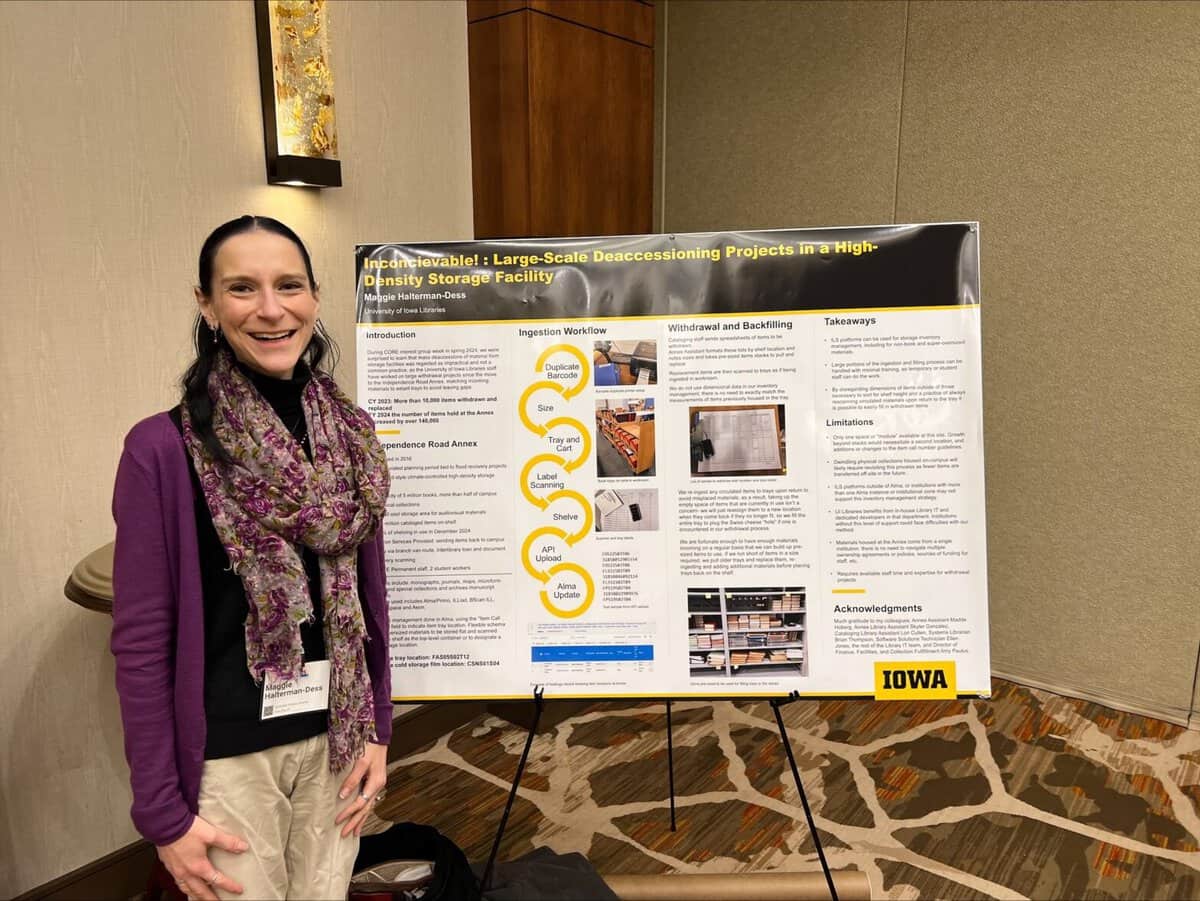
Coreis the American Library Association (ALA) division covering buildings and operations, leadership and management, metadata and collections, and technology, which includes storage facilities like the Annex and their operations. Library Annex Coordinator Maggie Halterman-Dess presented Inconceivable! Large-Scale Deaccessioning Projects in a High-Density Storage Facility, sharing our workflow for withdrawing materials from the Annex without creating the “Swiss cheese” problem: leaving lots of gaps behind, causing inefficiencies in shelving use and potential preservation issues. In November 2025, she presented this poster at the Core Forum in Denver, Colorado.
Matthew Butler presents at Digital Library Federation Forum
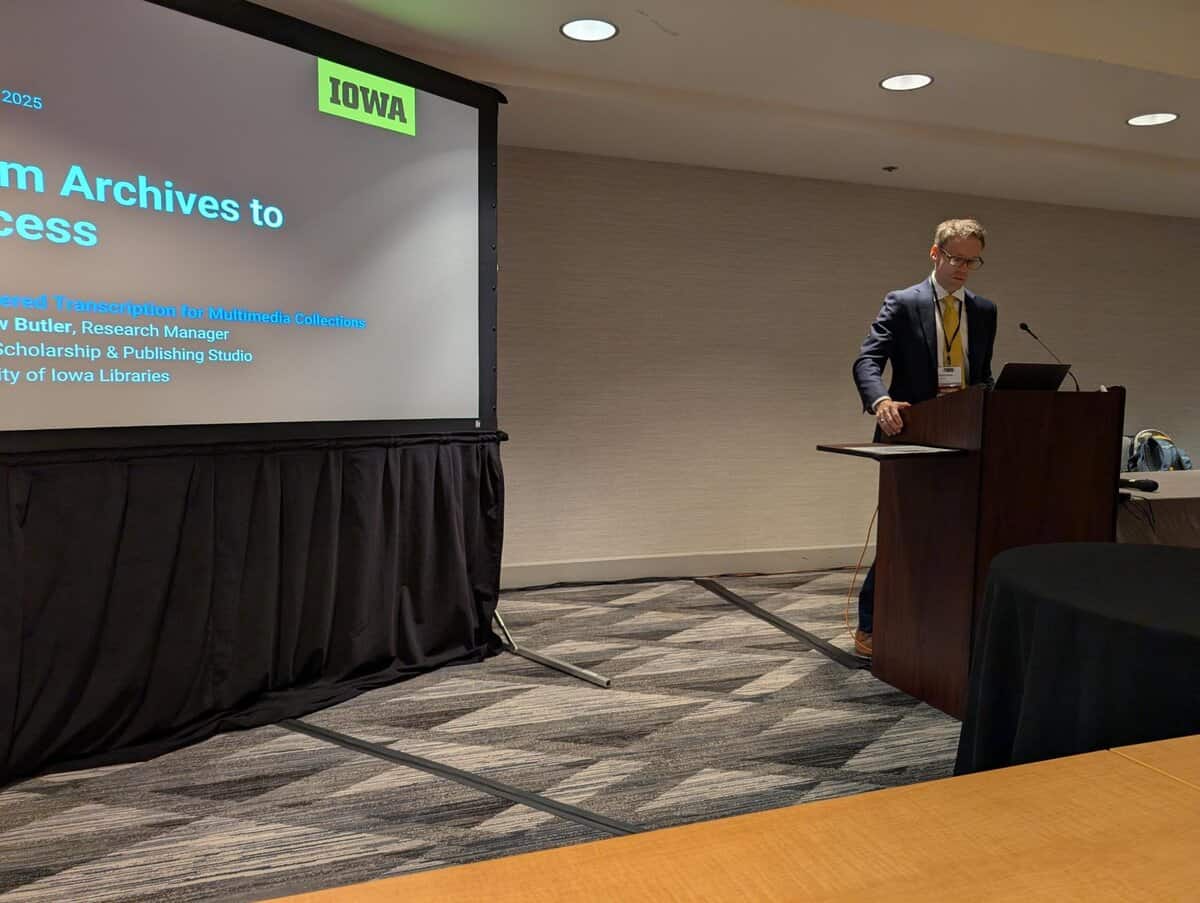
Matthew Butler, Digital Scholarship and Publishing Studio research manager, presented From Archives to Access: AI-Powered Transcription for Multimedia Collections at the annual Digital Library Federation (DLF) Forum in Denver, Colorado, in November 2025. His presentation introduced a validated AI pipeline for generating transcripts and summaries of historic political ads. Developed collaboratively and described in a recent peer-reviewed study co-authored by the presenter, the project demonstrates tools for evaluating and enabling access to video collections, offering librarians, archivists, and developers practical methods to enhance discoverability and reuse.
COURTESY: THE CENTER FOR THE STUDY OF PUBLIC DOMAIN AT DUKE LAW SCHOOL
With the start of a new year, a new wealth of materials has entered the public domain. When a work enters the public domain, the public no longer needs to seek the artist’s permission to copy, build on, or adapt the work. This opens the door for creative riffs on the classics and makes digital content available free of charge.
As of Jan. 1, 2026, thousands of copyrighted works from 1930 and sound recordings from 1925 are in the public domain. This year, we’re excited this includes the first four Nancy Drew novels, including works by ghost writer Mildred Wirt Benson whose materials are saved and available to the public through the Iowa Women’s Archives. You can also find Agatha Christie’s The Murder at the Vicarage and William Faulkner’s As I Lay Dying.
Composers exploring inspiration at the Music Library can now freely share and riff on the following musical compositions: I Got Rhythm, Georgia on My Mind, and Dream a Little Dream of Me. Over at the Art Library, artists can now use and references some works by Piet Mondrian, Edward Steichen, Sophie Taeuber-Arp, José Clemente Orozco, and more. Finally, there are films, sound recordings, characters, comics, and cartoons to peruse, share, and use in new work.
Find creative works recently added to the public domain
Learn more about U.S. copyright law and determine a work’s copyright status
The Scholarly Impact Department helps faculty work through complex copyright issues, such as what can be used in the classroom, how to retain your rights as an author, and how to apply Creative Commons licensing. Email Mahrya Burnett at mahrya-burnett@uiowa.edu to set up a consultation. You might also try the Libraries Copyright Guide. This guide provides the basics on copyright issues, such as Fair Use, seeking permissions, author rights, and licensing.
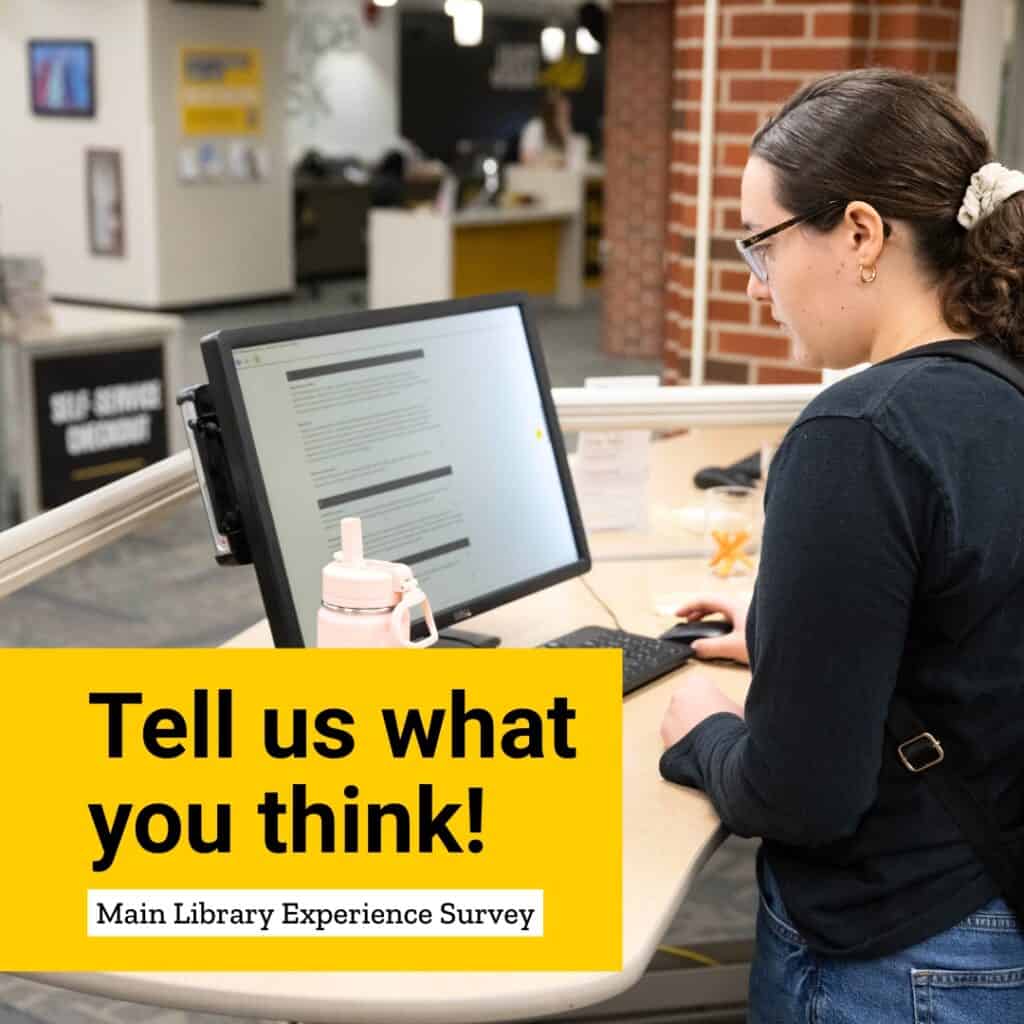
The Main Library is inviting students, faculty, staff, alumni, and visitors to complete a surveythat will help make the library a more supportive and effective space for everyone’s learning, success, and holistic well-being. The survey covers a variety of aspects, including: study space, research support, technology availability, and more. Participants can expect to take 10 to 15 minutes to complete the confidential survey. The first 200 survey participants will receive a free coffee from Food for Thought Café. The survey is open for feedback from Oct. 20 to Nov. 20.