It’s Been Wonderful Knowing You: Wildlife Conservation and Advocacy Through the Lens of Jay N. “Ding” Darling, the fall 2026 exhibition in the University of Iowa Main Library Gallery, features the work of a Pulitzer Prize-winning cartoonist from Iowa who was a major catalyst for the modern American conservation movement. From original cartoons and photographs to correspondence and natural history specimens, each item on display helps tell the story of Darling’s efforts to save America’s wildlife and natural resources.
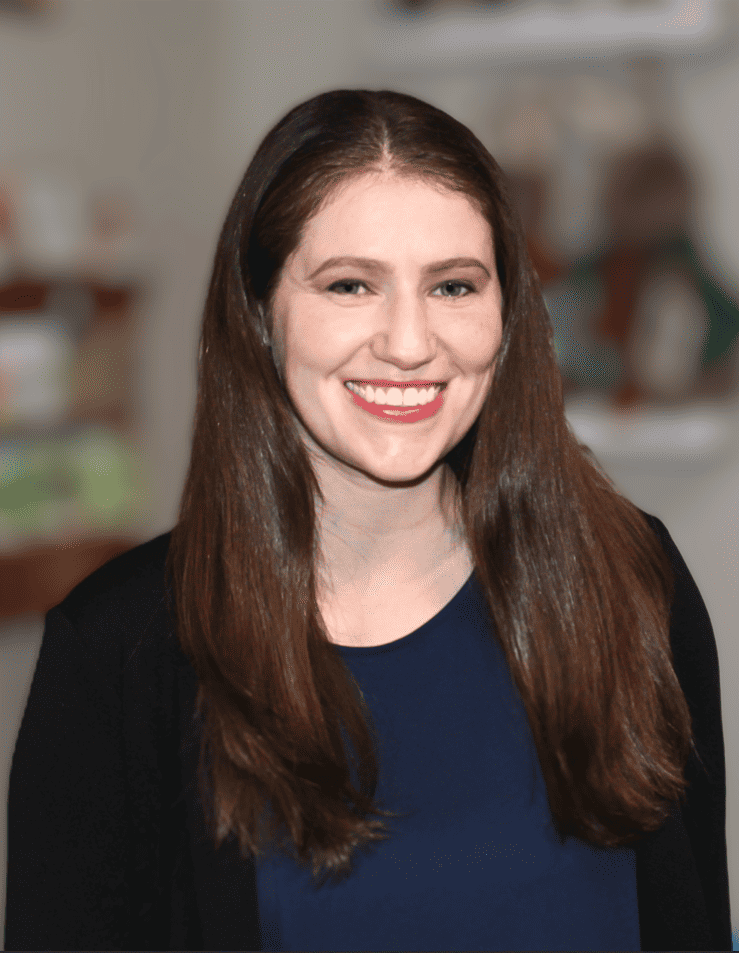
Lindsay Moen, lead public services librarian for Special Collections and Archives, co-curated the exhibition with Collin Vandewalle, Sackner Archive project archivist in the same department. Moen has been a primary contact in Special Collections for researchers interested in the Jay N. “Ding” Darling Papers for many years, and her work on this project has deepened her appreciation for Darling’s contributions to conservation and his connection to the state of Iowa.
Question: What did you enjoy most about working on the exhibition?
Answer: I have enjoyed experiencing the role of exhibit curator. I am usually assisting other guest curators and the exhibitions staff with materials access, so it has been great to see the other side of this process. I have also enjoyed being able to apply what I have learned from my time as a student in the museum studies certificate program at the University of Iowa, a program I am very proud to have come from.
Q: What draws you most to the story of Ding Darling?
A: I find his passion for the environment, and environmental education, extremely admirable. He witnessed deforestation and habitat loss, especially for waterfowl, and used his platform to do something about it.
Q: As a curator, researcher, and Iowan, what does this exhibit mean to you personally?
A: It is important to understand how much change the state of Iowa has gone though, and how those changes to the land and environment have impacted our everyday surroundings like water, farming, and public health.
Q: When did you first encounter Ding Darling materials, and how have you worked with them over time?
A: I have been familiar with the Ding Darling materials since the start of my student employment in Special Collections, which began in January 2010. Assisting patrons from around the world with accessing the collection has given me a strong familiarity with its holdings.
Q: Why is it important to have this exhibit in the Main Library Gallery?
A: This exhibit not only tells the story of Ding Darling and his environmental advocacy work, but it also introduces the visitor to some incredible women and local community groups and campus entities. We feature information about Rachel Carson, Shirley Briggs, and their work in environmental education and advocacy. We highlight the local community group 100Grannies to show that anyone can continue to make a difference, and the local level is just as important as the national level. We feature University-driven efforts like BlueGAP and “Meandering River,” both of which were student and faculty-led projects aiming to make change and bring advocacy to environmental issues. By having the exhibit in the Main Library Gallery, we hope to connect audiences from across campus and the community with these various historical and modern individuals and groups and to inspire others to learn more about the environment around them.
Q: What is one of the most surprising things you learned during your research for the exhibit:
A: How expansive Darling’s legacy is. While I was aware of his work in the states of Iowa and Florida, I was not aware of how he was connected to national efforts in the United States.
Q: What is your favorite object in the exhibit?
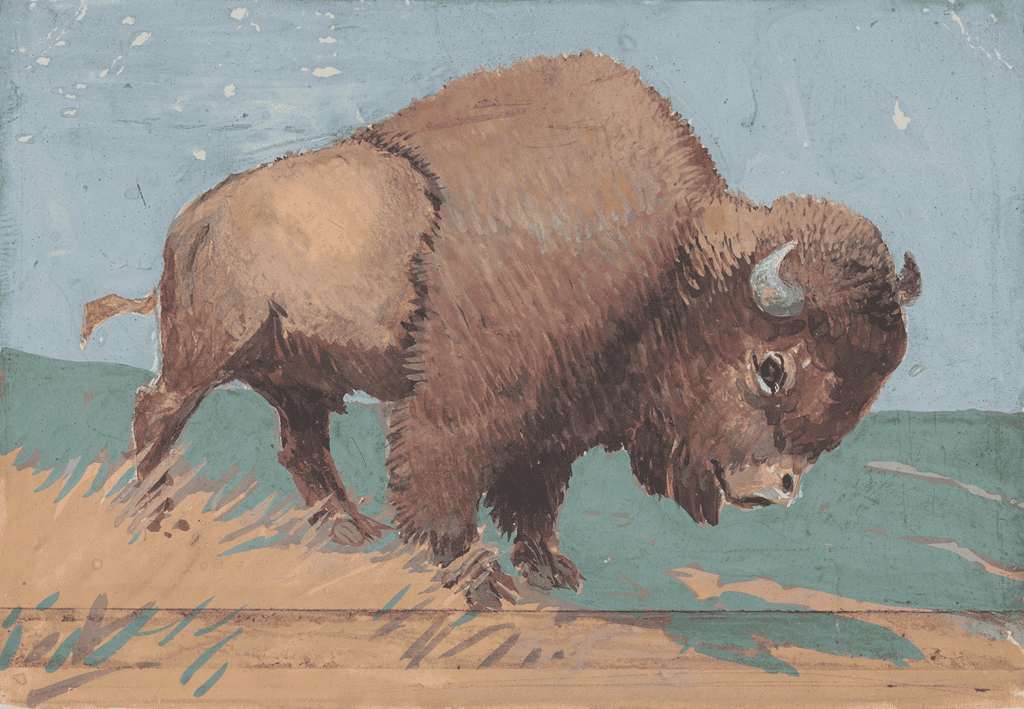
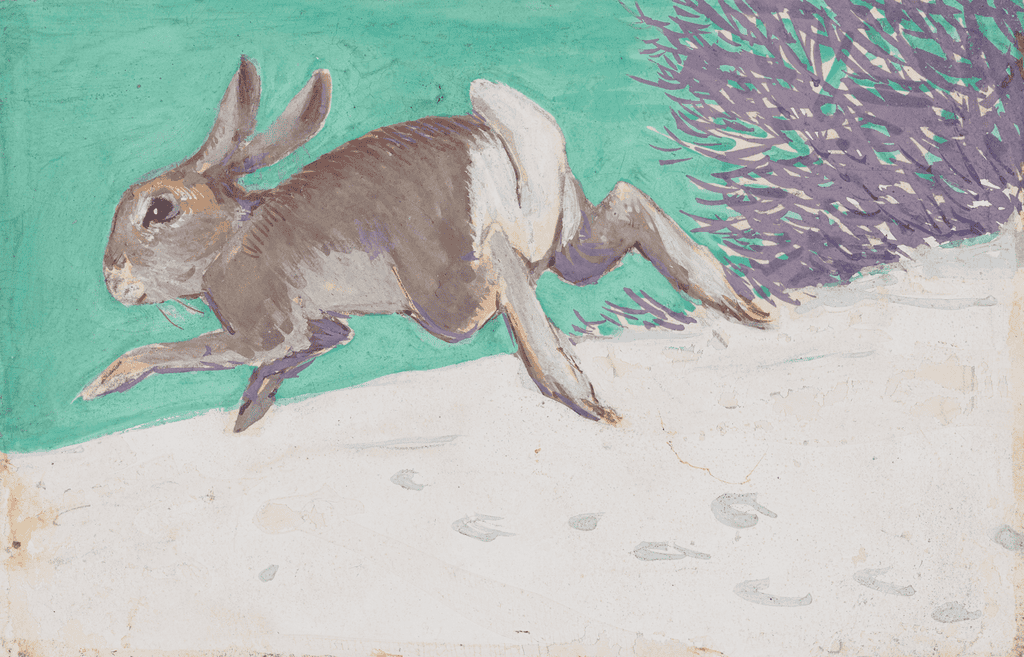
A: The set of original watercolor paintings by Ding Darling for the National Wildlife Federation’s “Help Restore Our Wildlife” conservation stamps, which he created in 1938. The images are so small and detailed, and upon close inspection, you can really see the brush strokes and details, as if he painted it just recently.
Q: What about Darling’s life and work do you hope visitors will take away from their time in the exhibit?
A: That he was more than just a Pulitzer Prize-winning political cartoonist. He was the first person in charge of what we know today as the U.S. Fish and Wildlife Service. I feel this may be an overlooked part of his legacy, so I want to draw attention to the fact that an Iowan was the first to lead this important organization.
Q: The Jay N. “Ding” Darling Papers in Special Collections have recently had some significant updates that make them even more accessible to researchers. What was your role in this project?
A: As a companion task to this exhibit, Collin, myself, and students from the Special Collections department have worked to update and expand the resources surrounding Ding Darling and his collection. We have updated the finding aid to expand upon the already extensive listing of the materials to give researchers a better understanding of what is in the collection. We are listing out all the original cartoons we hold in the collection, and will continue to do so in the coming years.
Collin has also compiled a wonderful, extensive timeline to showcase 150 facts for 150 years of Ding Darling. This resource will be online soon and will be available even after the exhibit comes down. Researchers and students will continue to be able to utilize this fantastic resource from anywhere.
Q: Is there anything else you would like to share?
A: Ding Darling is just one example of the many important people with rich legacies who have come from the state of Iowa and from the Midwest. As time goes on, it can be easy to sometimes forget about people. Special Collections and Archives and the UI Libraries are here to ensure that we still tell these stories, and remind people that greatness comes from anywhere. Iowa is not just “a fly over state,” but a place where significant work has been done and great people have lived. And they will continue to do so.
It’s Been Wonderful Knowing You: Wildlife Conservation and Advocacy Through the Lens of Jay N. “Ding” Darling will be on display through Dec. 18, 2026. The Main Library Gallery is open daily. Learn more about open hours: lib.uiowa.edu/gallery