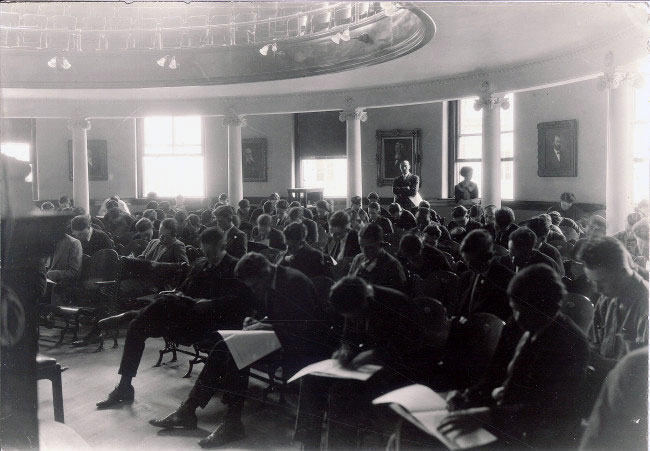
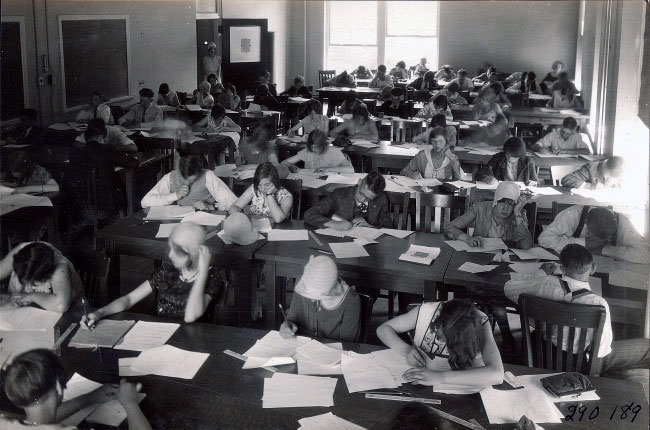
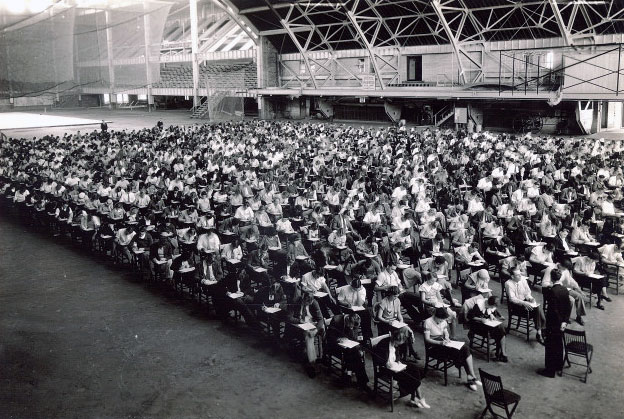
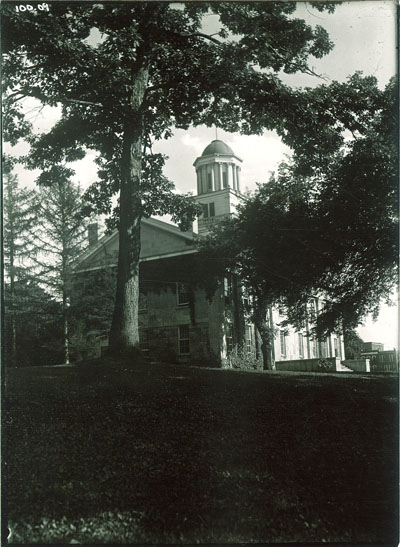
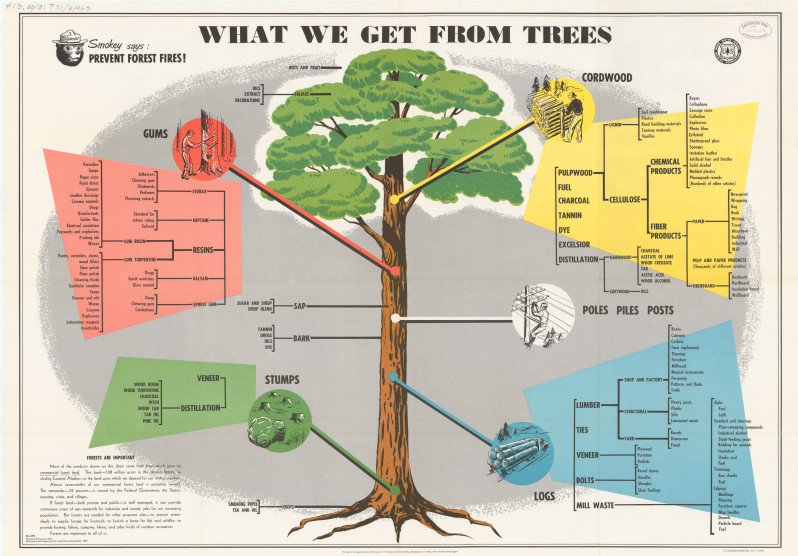
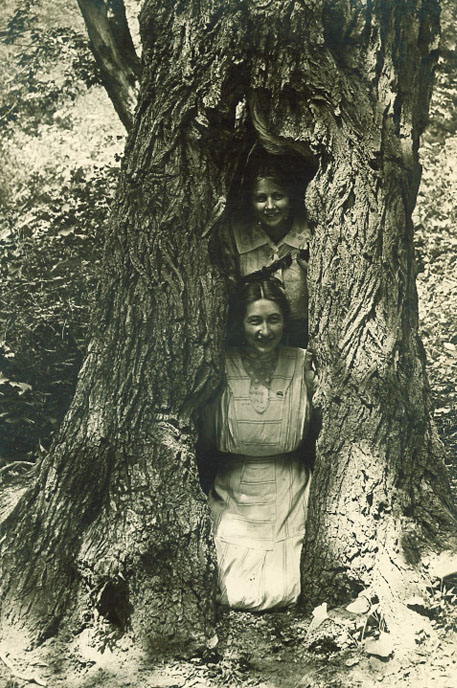
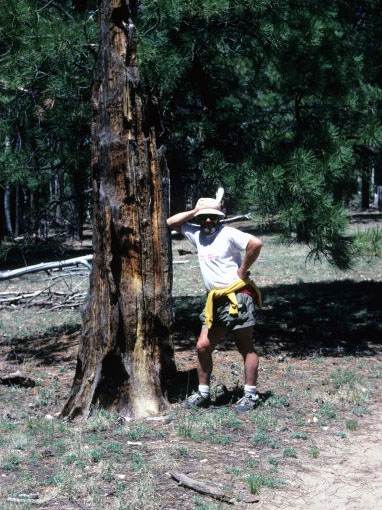
Today is Arbor Day, the last Friday of April. Take a stroll through the Iowa Digital Library.
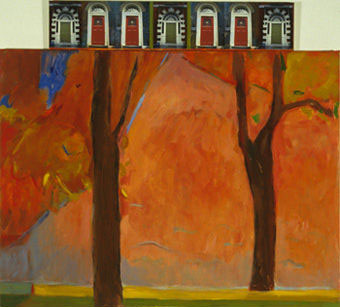

The Figge Art Museum and the University of Iowa Libraries are pleased to announce the release of the Grant Wood Digital Collection, http://digital.lib.uiowa.edu/grantwood, in conjunction with the Grant Wood Biennial Symposium 2012, April 13-14, 2012.
This unique digital collection includes more than 12 scrapbooks and albums of news clippings, photographs, postcards, letters, and related ephemera assembled by Grant Wood’s sister, Nan Wood Graham, chronicling her brother’s professional life.
For the first time, scholars, students and the general public will have unprecedented virtual access to the scrapbook materials. Due to their fragility, access to the actual scrapbooks is simply impossible.
“Nan Wood Graham is one of the most famous faces in the history of art, immortalized in Wood’s iconic painting American Gothic. The materials Graham compiled provide wonderful insight into Wood’s life in Iowa and his development as one of the most famous American artists of the 20th century,” says Figge Art Museum registrar Andrew Wallace. “It is gratifying to know that, through this digital collection, people around world are able to learn about the life and times of Grant Wood through the words of close friends, family, and fellow artists.”
This digital collection project would not have been possible without the generous assistance of the Henry Luce Foundation American Art Renewal Fund and through additional funding for imaging equipment provided by an anonymous donor.
These materials, along with several hundred artifacts, including the artist’s wire-rimmed glasses, palettes, paint box, and easel, are part of the Figge Art Museum’s Grant Wood Archive. The Archive has provided primary source material for numerous articles, catalogs, and monographs for over 40 years, most recently by R. Tripp Evans for his award-winning 2010 biography Grant Wood: A Life.
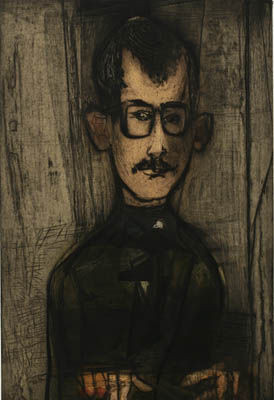
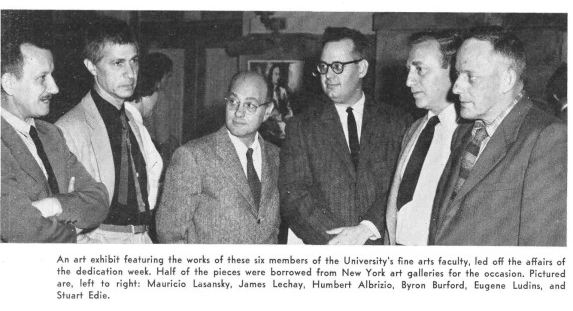
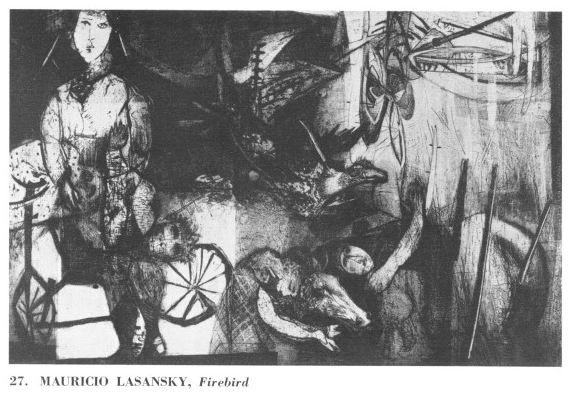
Mauricio Lasansky, the innovative printmaker and founder of the printmaking workshop at the University of Iowa School of Art and Art History, died last week at the age of 97. Lasansky studied and worked at the Atelier 17 workshop prior to his arrival in Iowa City where he continued to influence the course of printmaking in the United States.
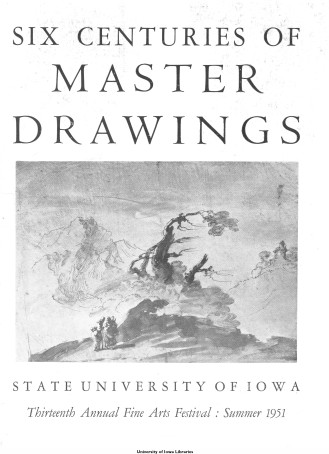
Many of Lasansky’s works appear in the UI Museum of Art, and he is also represented in several Art Festival Programs and Alumni Publications in the Iowa Digital Library.
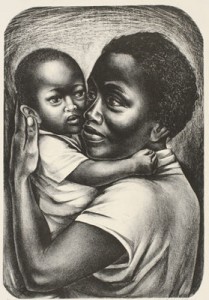
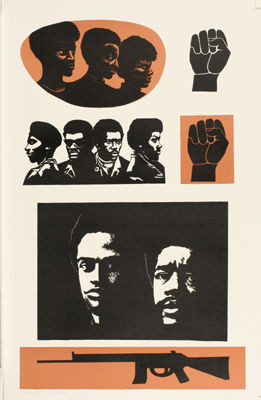
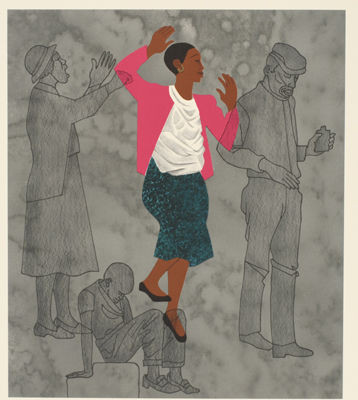
Renowned sculptor and printmaker, Elizabeth Catlett, died this week at age 96. Though she called Mexico home for most of her life, she spent a few of her formative years at The University of Iowa. Catlett moved to Iowa City in 1938 to study under Grant Wood at the University’s newly established art school. She received her M.F.A in 1940, the first ever awarded at The University of Iowa.
Catlett called Wood “a very generous teacher” who encouraged his students to “paint what you know.” For Catlett, this meant strong black women and themes of social justice.
It is hard not to imagine that “what she knew” at Iowa influenced her work. Catlett excelled in her art, but like many African American students at the time, the social segregation of Iowa City meant working harder than her white classmates to succeed. Though African Americans could enroll at the University, they were not accepted in the dormitories and so were left to find off-campus housing on their own.
Catlett later recounted her surprise at Iowa’s combination of openness and segregation. “I’d lived in an African American culture my whole life…In Iowa City, I suddenly was living among white people, but I still couldn’t do things like live in the dorms.”
Scholar Richard Breaux, in his article on the housing problems faced by African American women students, notes that Catlett lived at a number of places during her time at Iowa, including the Federation Home at 942 Iowa Avenue, a private rooming house for African American women students. Black students were not allowed entrance to the student Union or most Iowa City restaurants, so Catlett sometimes waited tables for meals at Vivian’s Chicken Shack, a restaurant opened by fellow African American alum, Vivian Trent.
While at Iowa, Catlett connected with writer Margaret Walker, then a student of the newly created Iowa Writers Workshop. Walker and Catlett lived together briefly and graduated from their respective Masters’ programs the same year. Much later in their lives, Catlett produced a series of six prints inspired by Walker’s 1937 poem “For My People” for a 1992 limited edition reissue of the poem.
In addition to these prints, The University of of Iowa Museum of Art holds a number of Catlett’s works, all accessible through the Iowa Digital Library.

This weekend the University is hosting THATCamp, an informal conference that brings together scholars, technologists, and librarians to discuss issues in digital humanities. Unfortunately we’ll be indoors, so no actual camping will take place. But on the bright side, our repeated viewings of 80s teen movies would indicate that spending the weekend together in the library will lead to fighting, then bonding, then the realization that each one of is a scholar, a technologist, and a librarian.
Hope to see you there!

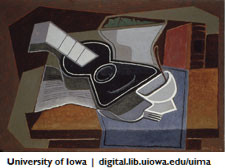
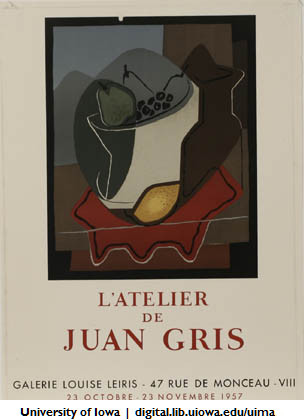
With a few items from the Iowa Digital Library, we celebrate Juan Gris 125th birthday, known for his cubist style and working alongside Picasso (a fellow countryman) and Braque whose cubist work was largely monochromatic. Juan Gris, on the other hand, painted his cubist designs with a brighter palette more in keeping with his friend Henri Matisse.
–Ann Khan, Digital Research and Publishing
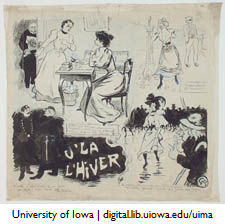
It’s the Spring equinox, and the flowers are bringing us back to life, perennially a cause for celebration as the Iowa Digital Library illustrates.


Expanding our manuscript transcription crowdsourcing site to include materials outside of the Civil War collections is taking longer than expected — apparently digitizing thousands of pages of manuscript cookbooks dating from the 17th century is not quite as straightforward as one would wish. But the scanning is finally underway, and we’re using the extra time it’s taken to investigate Scripto, a specialized tool that could help us manage our crowdsourcing workflows more efficiently. Meanwhile transcription on the Civil War materials is still going strong — we expect to receive our 10,000th submission within a month and we’re picking up new users all the time, such as Pinterest member Alicia Lea, who wrote the lovely testimonial below.

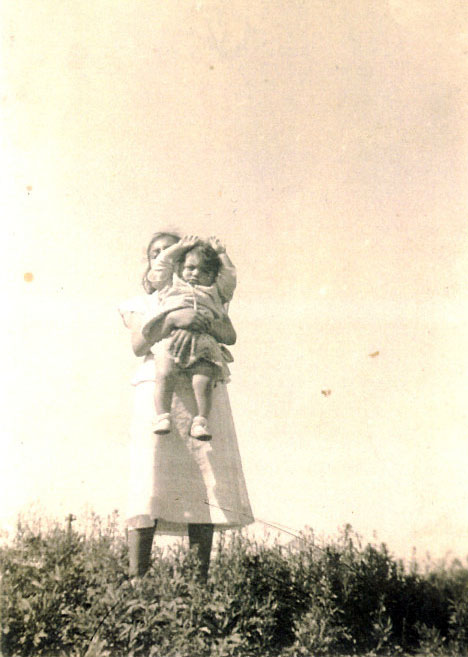
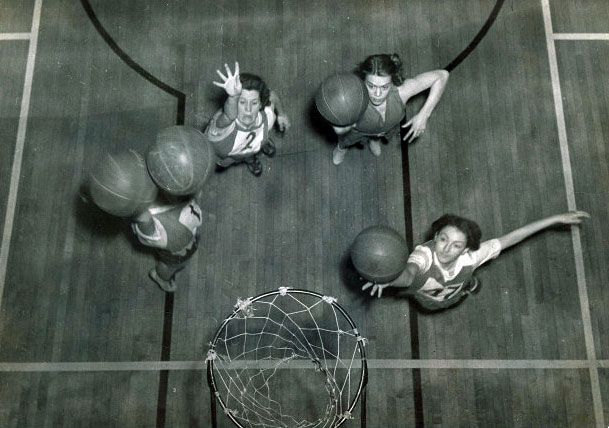
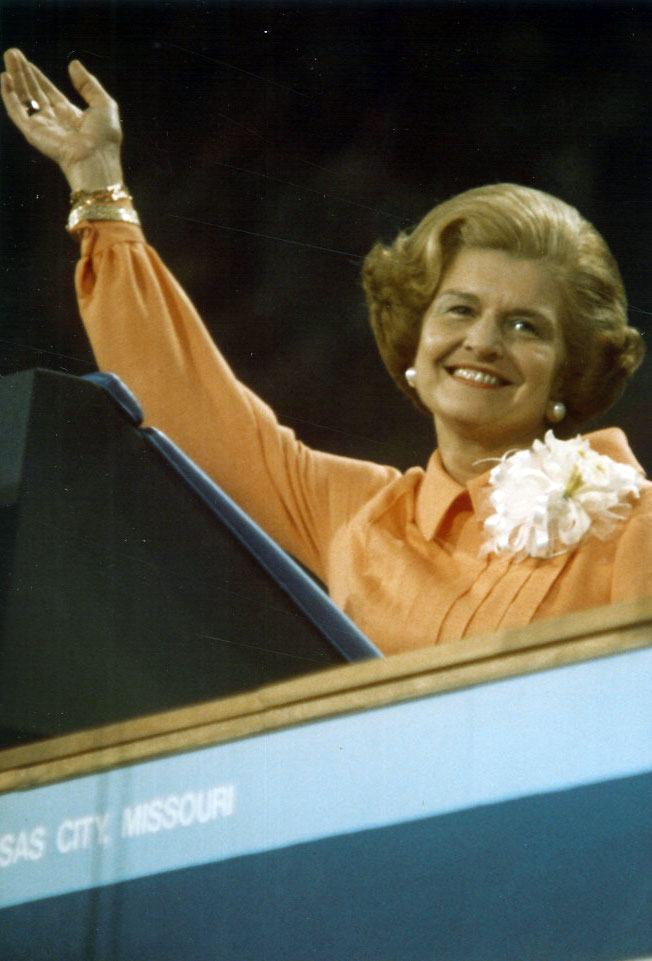
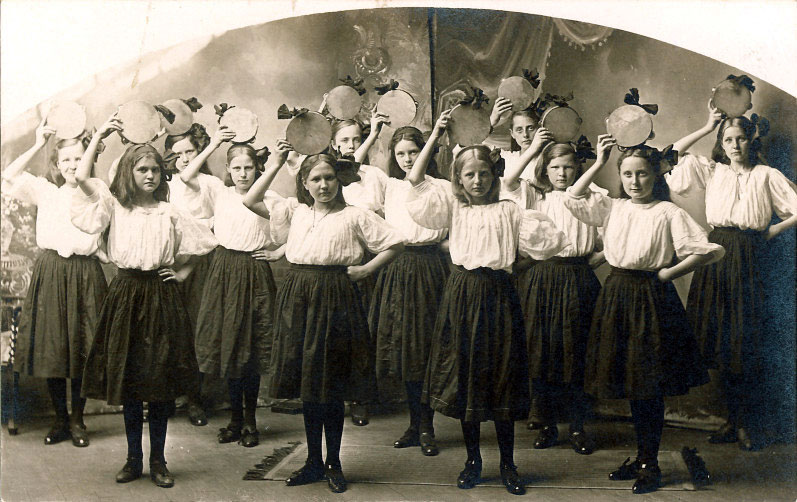
In celebration of International Women’s Day, we’re featuring a few of the thousands of artifacts in our Iowa Women’s Archives Digital Collections: