By Cecil Campbell, exhibition and engagement student lead for the Main Library Gallery.
The theme of Iowa City’s annual Refocus Film Festival is “the art of adaptation.” The Main Library Gallery is displaying a pop-up exhibit during the festival that showcases just a few of the many forms adaptation can take, using facsimiles of objects from the University of Iowa’s Special Collections and Archives. You can experience this pop-up at FilmScene during the Refocus Film Festival, Oct. 9–12, 2025. Below is what you can expect to see!
In terms of storytelling, adaptations are preexisting works translated from one form of media to another. These works can start as anything—from books, to films, to comics, to music. What matters is their eventual transformation into a different format. This pop-up exhibit, titled Transformative Works: Adaptations Across Media showcases a few of the many different forms that an adaptation can take, as well as the different ways an adaptation can elevate the story it chooses to tell.
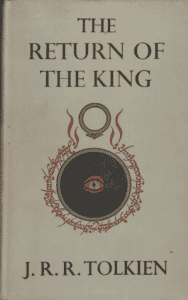


The first type of adaptation in the pop-up, and likely the one we think of most often, is the book-to-film adaptation. The example used in the exhibit is The Lord of the Rings, but many films got their start as books first. Other popular examples include Harry Potter, Twilight, The Hunger Games, and many more. Bringing a book to the screen breathes life into the story in a way that, for all the virtues of literature, a book alone just can’t do. The drama of a fight scene, the passion of a romantic confession, or the hair-raising tension of a murder becomes even more elevated simply because we can watch it happen in front of us as opposed to imagining it in our heads. Movies also tend to expose stories to wider audiences, especially to people who don’t read frequently. While fans of the original book might be excited to see a beloved story retold in a new way, even more people get the chance to experience it for the first time. This can be particularly exciting when considering the benefit of visual effects like animation or CGI, which are especially important when adapting from genres like science fiction, fantasy, the supernatural, or graphic novels.
The second type of adaptation in the pop-up is adaptations to TV, which are often quite like movie adaptations, but with a few key differences. The first is run time. While a movie can tell a long and detailed story, it must introduce the plot, characters, and conflict, and then solve that conflict within two to three hours. A TV show doesn’t have this kind of problem. While many episodes tend to average out around twenty to thirty minutes, there are many—especially in terms of prestige television like Game of Thrones, Severance, or Succession—that run for around an hour. With eight to ten (and often more!) episodes in any given season, the average movie run time more than doubles and allows for much more complex and in-depth storytelling. The pop-up exhibit uses Game of Thrones as its primary example for TV adaptations. Starting as a book series written by George R. R. Martin, who was adamant for years that his novels were simply too complicated to make a good film adaptation, Game of Thrones stands out as a TV series that rivals Hollywood blockbusters in terms of narrative and visual effects. Another benefit of the TV adaptation has to do with serial releases. Where a movie might generate excitement and media attention in the months leading up to its release (Barbie is a standout example of this), a television show that releases a new episode weekly builds the conversation surrounding it, giving fans enough time to talk with each other about the most recent episode while building anticipation for the next one. Indeed, fans’ interest in a TV series is incredibly important to that series’ success, which brings us to the third type of adaptation covered in the pop-up exhibit.
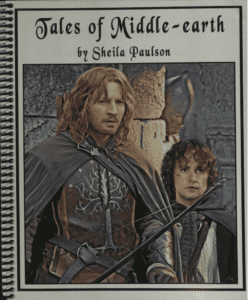
The third type of adaptation that the pop-up exhibit talks about is fan fiction. While perhaps not the most traditional choice, fan fiction is not only a valid form of adaptation, but also an incredibly important one. If the requirements for making an adaptation are taking a story from one format and retelling it in another, fan fiction fits the bill. Most often told through narrative prose, part of the appeal that fan fiction offers is its versatility. It can be about anything, written by anyone, and the categories are exhaustive. The pop-up exhibit talks about the love and enthusiasm for an originally existing work that drives writers to create these stories, but an equally important aspect of fan fiction is representation. Many people write fan fiction to see characters like themselves represented in the works that they love. Of course, a main reason for writing fan fiction is to have fun with an already beloved story. Plus, the use of a preexisting cast, setting, and narrative saves time with backstory and allows authors to jump right to the fun parts: what if Bruce Wayne owned a coffee shop? What if The Avengers were all college students?
Transformative Works: Adaptations Across Media was written and curated by Cecil Campbell, exhibition and engagement student lead for the Main Library Gallery at the UI Libraries. It features objects from the Organization for Transformative Works Fanzine and Fan Fiction Collection [MsC0320], the L. Falcon Media Fandom Collection [MsC1108], and the James L. “Rusty” Hevelin Collection [MsC0936] within University of Iowa’s Special Collections and Archives. This pop-up is in connection with the Main Library Gallery, a place where students and the public can explore curated materials from collections across campus and beyond.