Latest Headlines
0

History of Medicine Dinner-Thomas Hager to speak

The University of Iowa History of Medicine Society Dinner, April 26, 2013, 6:oopm-9:30pm

Thomas Hager will speak on The First Miracle Drug: How the Discovery of Sulfa Saved the President’s Son, Put a Nobel Prize Winner in Jail, and Changed Medical History.

The media called it “the miracle of miracles,” a wonder drug that conquered diseases, saved millions of lives—among them Winston Churchill and Franklin Delano Roosevelt Jr.—and single-handedly launched the era of antibiotics. No, it was not penicillin. The miracle came a decade earlier in the form of sulfa, an off-the-shelf, unpatentable dye-making ingredient that fundamentally changed the practice of medicine.

Sulfa shifted the way new drugs are developed, approved, and sold; reshaped the relationship between physicians and the pharmaceutical industry; and spurred the creation of today’s drug laws. Today sulfa is almost forgotten. But Thomas Hager, author of The Demon Under the Microscope: From Battlefield Hospitals to Nazi Labs, One Doctor’s Heroic Search for the World’s First Miracle Drug brings it back to life, detailing the heyday of sulfa, its rise and fall, and the lessons it still teaches about the interplay between research, government, big business, and the art of healing.

0

Improve your lit search for a systematic review with a free workshop on April 9th

This class will focus on tips and techniques for carrying out a successful literature search in support of a systematic review.

Topics will include techniques for developing search strategies, deciding which databases to search and how to seek out grey literature for a given topic. There will also be discussion on selecting journals for hand searching, documenting search strategies, and saving and organizing references.

Our next session:

Tuesday, April 9th  12:00-1:00pm (Location: East Information Commons, Hardin Library)

Register online (http://www.lib.uiowa.edu/hardin/regform.html) or by calling 319-335-9151.

0

Learn how to manage your citations with EndNote: Come to the free workshop on Thursday, April 4

EndNote is a reference management tool that helps you to easily gather together your references in one place, organize them, and then insert them into papers and format them in a style of your choosing. This session will walk you through the basics of using EndNote to collect and format your citations. The class will be hands-on and there will be time for questions at the end.
Our next session is
No time for a class?  We can help you with tips and support.
0

Speed up your research with a free Scopus workshop at Hardin on Thursday, March 28

Scopus is a multidisciplinary database with substantial international coverage.  All citations that are in EMBASE are also in Scopus.

Scopus also allows you to measure an author’s scholarly impact and to track an article’s cited and citing references. Come to this hands-on session and learn more!

Our next session is Thursday, March 28th from 11:00am-12:00pm at Hardin Library, Information Commons East, 2nd floor.


image of sciverse scopus

0

Check out CINAHL with a free workshop at the Hardin library on Thursday, March 28th

This hands-on session will demonstrate how to use CINAHL effectively to find high quality nursing and allied health literature.  An explanation and demonstration of how to select the most appropriate search terms will be provided.  Search practice will be conducted at the end of the session to reinforce what was demonstrated. Anyone who has an interest in learning how to use this tool should consider attending; no prior experience with searching this database is needed.
Our next session is:
Register online: http://www.lib.uiowa.edu/hardin/workshop/ or by calling 319-335-9151.
0

Happy Match Day to Carver College of Medicine Students!

Congrats CCOM Graduates!!!Today is Match Day. This is the day when 4th year medical students find out which programs they have matched with and where they will be starting their residencies. If you’d like to learn more, the Carver College of Medicine has a map showing where students headed last year along with other data from previous years on their Match Week website.  http://www.medicine.uiowa.edu/md/match/

To all of our M4′s, good luck in your future endeavors and congratulations from all of us at Hardin Library!


0

Interested in using PubMed? Attend our free workshop on Tuesday, March 12

PubMed is the National Library of Medicine’s index to the  medical literature and includes over 17 million bibliographic citations in life  sciences. This one hour session will introduce you to the basics of searching  PubMed and will also cover: using subject headings (MeSH headings), combining  searches, choosing limits, and saving, printing and emailing search results.

Our next session is

No time for class?  Ask your librarian for a private consult! We will also offer this workshop on Wednesday, April 24th.

graphic of pubmed

0

Women’s History Month : Emma L. Miller, first female employee of VA

Mrs. Emma L. Miller was the first woman employee in Veterans Health Administration.  She was appointed as the first matron at the Central Branch NHDVS in Dayton (now Dayton VAMC) in the fall of 1867.

Prior to her appointment, she worked with the U.S. Sanitary Commission at their Cleveland and Cincinnati branches  during the Civil War and was appointed as matron of the Ohio Soldiers Home in Columbus in October 1865.

When the U.S. government established a branch of the National Asylum for Disabled Volunteer Soldiers (later named National Home for Disabled Volunteer Soldiers) it initially took over the state home in Columbus, but later selected a site in Dayton as its permanent location.  Miss Miller brought 16 disabled “boys in blue” with her to the new Dayton site in the fall of 1867.

She helped at the hospital, oversaw laundry operations, ran the Home’s hotel, and was eventually elevated to Superintendent of the general depot, where much of the clothing and supplies for all of the National Homes were manufactured and distributed–a rare position to held by a woman, in those days. In the 1880 annual report, she reported that the “Matron’s Department” had washed, pressed, repaired, and reissued over 1,703,648 pieces of laundry and linens, averaging 32,762 pieces per week.  Worn out linens were condemned, then washed and reused in the hospital as bandages and dressings, in the engineer’s department as wipers and wrappings for steam-pipes, and as wipers and mops elsewhere. Emma Miller was a fixture at the Dayton home for nearly 50 years and she lived on-site. She spent her entire post-Civil War life at the home and grew old with many of the men whom she originally cared for during the war. Emma Miller died in her quarters at the National Home on January 18, 1914 and is buried in the Dayton National Cemetery (formerly the National Home’s cemetery).

*Information provided by the Veterans Health Administration’s History Office.

0

Learn about our toxicology resources! Free workshop at Hardin Library, Wednesday, March 6

The purpose of this session is to introduce you to various environmental health and toxicology resources found on the National Library of Medicine’s website. Learn about important resources such as the Household Products Database, TOXMAP and TOXNET.

The resources discussed in this session will be of interest to the researcher/scientist, health professional and the general public.

Our next session is
0

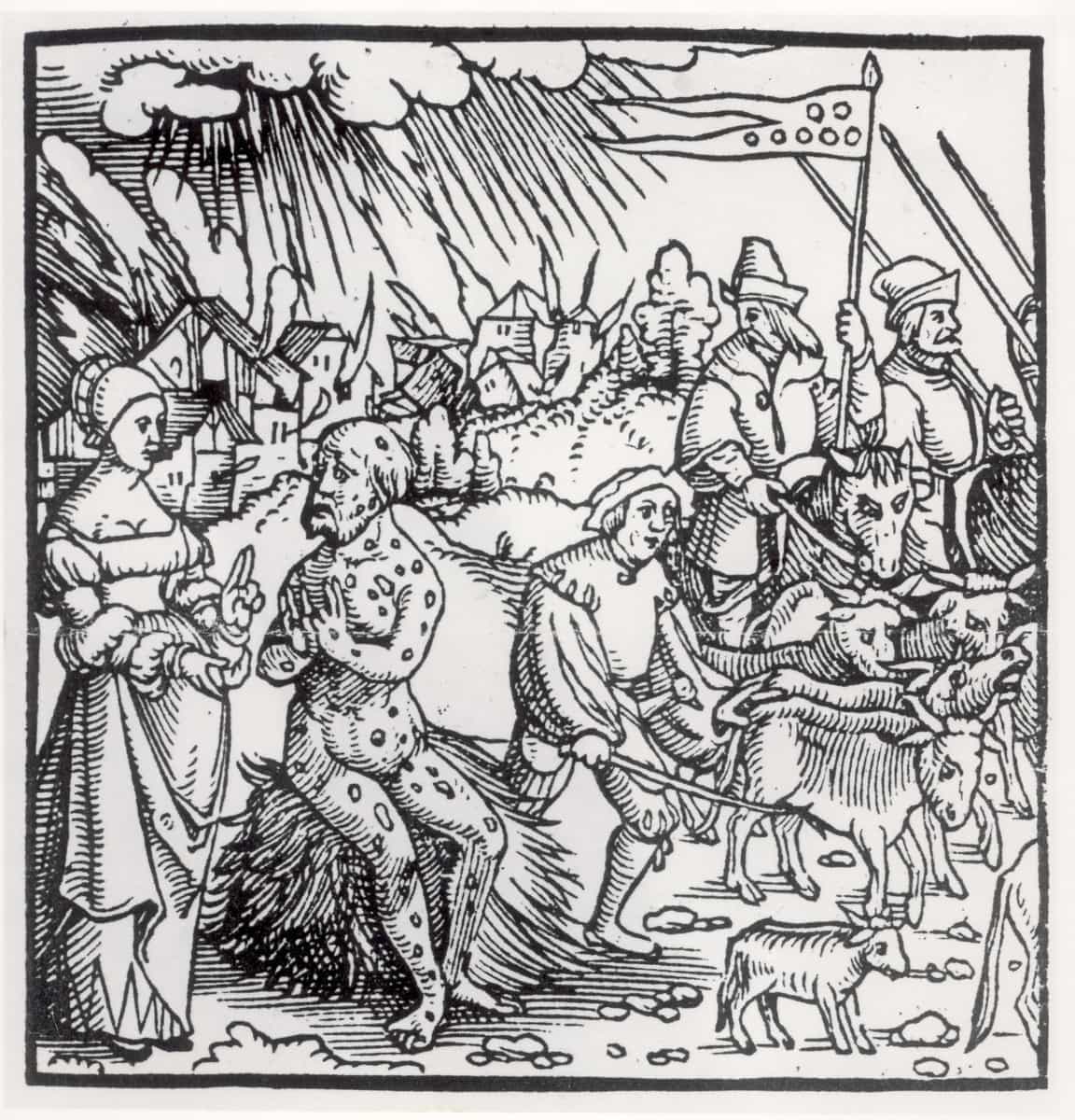
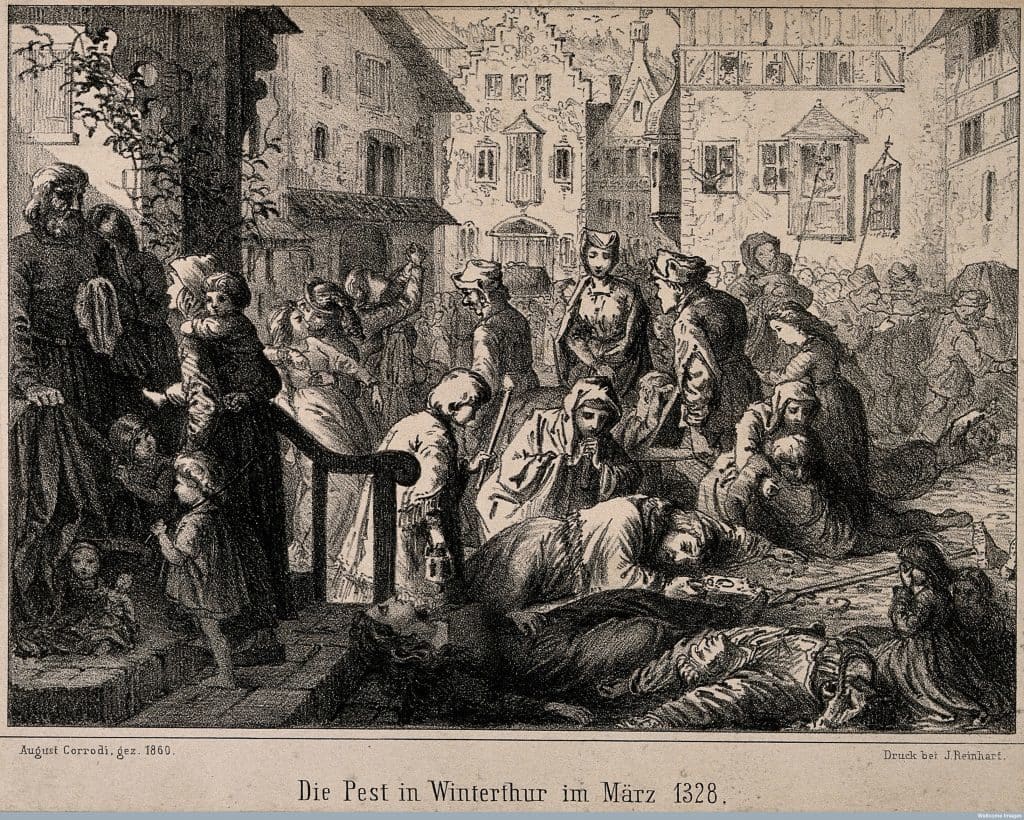
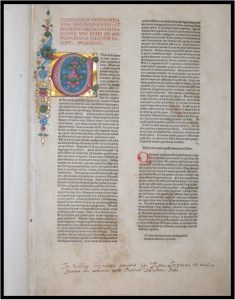
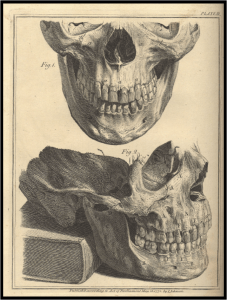
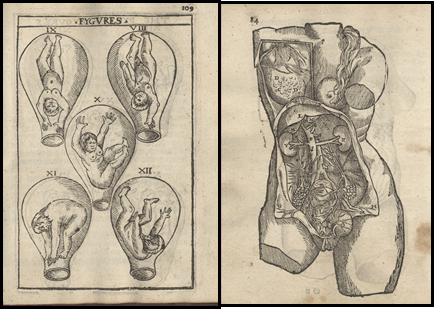
The Black Death : the Plague, 1331-1770 – John Martin Rare Book Room annual Open House

The University of Iowa History of Medicine Society and the University Libraries invite you to an Open House in the John Martin Rare Book Room.

The Black Death: the Plague, 1331-1770

Thursday, March 28, 2013, 4:30-7:00

John Martin Rare Book Room, 4th floor, Hardin Library for the Health Sciences

Books published  1485-1750 will be on display.    Amidst the chaos, the fear and the despair, rats scurried from home to home.  If you suspect that symptoms of the plague are starting to appear, you need not worry, because a Plague Doctor will be present at the event.


picture of Napolean with plague victims