Skip to content
Skip to main content

“Iowa Now” Feature on 1812 Exhibition


The War of 1812 in Iowa, then and now

Old Capitol exhibit opens Oct. 11 with free reception, lecture

By:  Rebecca Pope | 2012.10.04 | 10:47 AM
 The University of Iowa Old Capitol Museum will mark the 200th anniversary of the War of 1812 with a special exhibition of historical documents, maps and artifacts from various Iowa archaeological sites.

Conflict on the Iowa Frontier: Perspectives on the War of 1812 opens Thursday, Oct. 11, with a free public reception from 5 to 7:30 p.m. in the museum. Guest lecturer Eugene Watkins will speak in the Senate Chamber of the Old Capitol Museum from 6 to 6:45 p.m. and lead a discussion about the history of Fort Madison. Watkins is Fort Madison’s site manager for Old Fort Madison. He holds a doctorate of U.S. history from the University of Toledo.

A photograph of a book with a drawing of a man on the left page and words on the right page
Black Hawk’s autobiography. Photo courtesy of UI Pentacrest Museums, book from Special Collections
 

Artifacts featured in the exhibit include Black Hawk’s autobiography, giving insight into the war from the perspective of Native Americans, and an Orderly Book for infantry men of the period, in which general and regimental orders were recorded. These objects tell the story of the war’s Mississippi River campaign and how it affected the future of the state.

Also on Oct. 11, archaeologist Jodi Magness, distinguished professor of religious studies at the University of North Carolina at Chapel Hill, will give the UI Department of Religious Studies Adler Lecture and the UI Pentacrest Museums Directors’ Lecture at 7:30 p.m. in the Senate Chamber of the Old Capitol Museum.

In anticipation of National Archaeology Day, her topic is “Ossuaries and the Burial of Jesus and James.” The presentation is free and open to the public. Magness specializes in the archaeology of ancient Palestine in the Roman, Byzantine, and early Islamic periods.

Individuals with disabilities are encouraged to attend all UI-sponsored events. For more information on the UI Pentacrest Museums and Old Capitol Museum, visit www.uiowa.edu/oldcap/or call 319-335-0548. The UI Department of Religious Studies is part of the UI College of Liberal Arts and Sciences.

Books and documents from Special Collections are featured in this exhibition, including the Black Hawk autobiography seen in the photo. Original article can be viewed here: http://now.uiowa.edu/2012/10/war-1812-iowa-then-and-now

Mary and Percy Shelley Letter Mentions Frankenstein Rejections – 2 of 3 from Peter Balestrieri

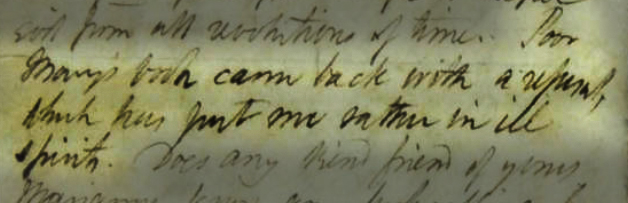
Handwritten text saying, "Poor Mary’s book has come back with a refusal which has put me in rather ill spirits.”

Second in our series of three blog posts from Peter Balestrieri examining our holdings relating to Mary Shelley’s novel Frankenstein, or, The Modern Prometheus.

On August 16, 1817, Mary began writing a letter to Marianne Hunt, Leigh Hunt’s wife. The Hunt’s and the Shelley’s were close friends, their correspondence is extensive, and many of those letters are held here in the Brewer-Leigh Hunt Collection. This particular letter, written by both Mary and Percy Shelley, sheds light on their daily lives as her novel Frankenstein faced rejections before its eventual publication and fame.

In late summer, Mary Shelley was nineteen, pregnant, and trying to get Frankenstein, published. The manuscript had been rejected by her husband’s publisher, Charles Ollier, and by Lord Byron’s publisher, John Murray. Mary had spent the summer entertaining the Shelley’s many visitors, giving charity to the poor, and editing her and Shelley’s travel journals from their 1814 trip to Europe. She was also caring for her son, William, little “Willmouse.”

Mary’s letter to Marianne is filled with family news regarding their pregnancies, need for a nurse, and the sad news of the legal decision to send Shelley’s children by his first wife to be raised by a clergyman. Mary also writes that she is sending the Hunt’s some money; they were always in need of money. Mary signs off with good wishes and encouragement, believing that things will improve for Marianne.

One can imagine Percy Shelley entering the room at some point and asking, “To whom are you writing, my queen?” When informed of the letters’ recipient, he may have said, “Let me add a few lines when you have finished.” He does, and in these few lines we see a reference to Frankenstein and the trouble they are having with its publication. Percy Shelley writes, “Poor Mary’s book has come back with a refusal which has put me in rather ill spirits.” He is referring to Ollier’s rejection of the book and he goes on to ask if the Hunt’s know of any publishers that might be interested in it. By the end of the month, the novel is accepted by Lackington’s and Frankenstein is born.

The letter can be viewed online at the University Library’s Digital Library, http://digital.lib.uiowa.edu/cdm/compoundobject/collection/leighhunt/id/89/rec/5 and in person (MsL S54hu) at Special Collections and University Archives in the Main Library.

For more on Frankenstein visit the National Institutes of Health traveling exhibition, “Frankenstein: Penetrating the Secrets of Nature” that is on display at the second floor south entrance of University Capitol Centre through Nov. 2.  http://now.uiowa.edu/2012/10/genetics-frankenstein-future

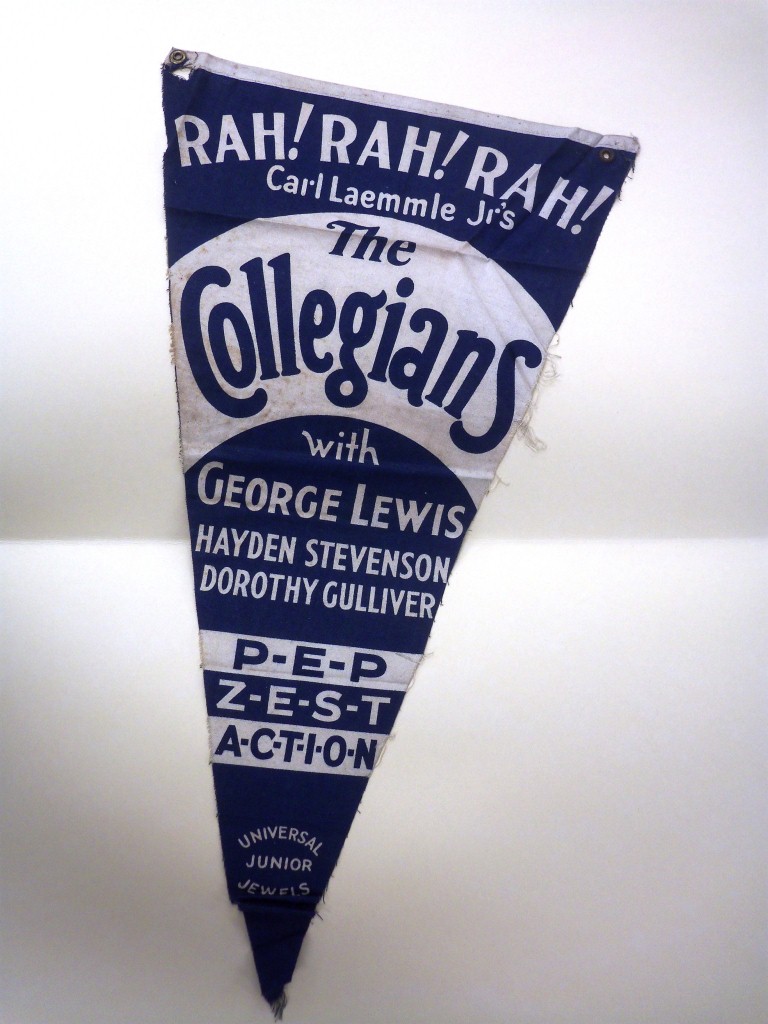
Advertising for “The Collegians,” by Carl Laemmle, Jr.

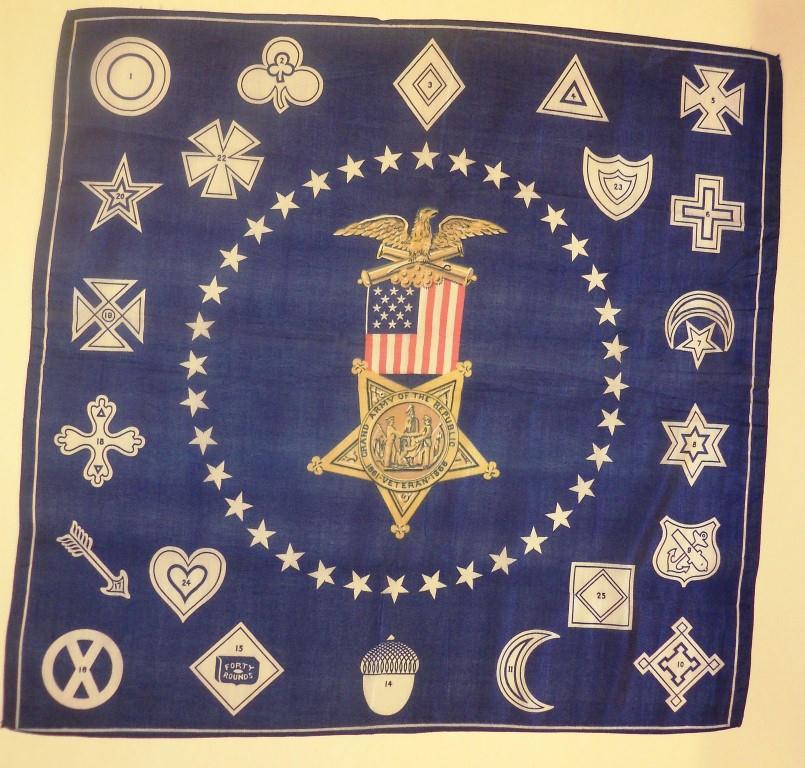
Fabric Banner for "The Collegians"

by Denise Anderson. 

Fall classes are now in session and the football Homecoming Centennial is upon us, so what better time to examine a felt pennant which advertises “The Collegians,” by Carl Laemmle, Jr. “The Collegians” was a series of 44 two-reel films, in which the same players reprised their characters through four years of a college life full of romance and football from 1926-1929. 

This pennant is from the Ted Rehder Papers.  Ted was a University of Iowa student in 1926 when “The Collegians” series was released and likely screened in Iowa City.  He went on to work serving U of I collegians for 47 years in dormitories and in dining service until his retirement in 1976.  We are grateful to Ted for preserving this piece of ephemera.

“The Collegians” was part of Carl Laemmle Junior’s first series, his silent comedy “Junior Jewels,”  produced between 1926 and 1929 for Universal, the film studio founded by his father in 1912.  In April 1929, Carl junior was placed in charge of all film production at Universal.  Among other genres, he produced horror movies such as “Frankenstein” (1931), “Dracula” (1931), “The Mummy” (1932), “The Invisible Man” (1933) and “The Bride of Frankenstein” (1935).  Production of these films broke Universal after seven years under his direction, due to the Great Depression and the amount of money he insisted on spending in order to deliver the entertainment audiences desired. 

 Check out this and other pieces of ephemeral history from campus life in Special Collections and the University Archives.

Frankenstein’s Cousin, The Vampyre – 1 of 3 from Peter Balestrieri

First of a series of three blog posts by Peter Balestrieri highlighting our collections relating to Mary Shelley’s Frankenstein.

John Polidori by F.G. Gainsford

 “It was a dark and stormy night” in June, 1816 that brought together some of Romantic literature’s shining lights to read ghost stories in the Villa Diodati near Geneva, Switzerland.  Diodati had once hosted Milton and was now occupied by Lord Byron and his personal physician, John William Polidori. In attendance with them, were Percy Bysshe Shelley, his wife Mary, and her half-sister, Claire Clairmont. They shared a roaring fire and read to each other from a collection of chilling German folk tales. Byron suggested they each compose a ghost story and in the days and weeks that followed, they all began writing. Mary Shelley’s Frankenstein came from this night of inspiration, as did small pieces by Byron and Percy Shelley. Claire Clairmont may have written a story but there is no record of it other than a mention in one of Mary’s letters. The only other story of real note to be produced came from John Polidori. His Vampyre was the first vampire story in English and preceded Bram Stoker’s Dracula by three quarters of a century. It laid the foundation for nearly every work of vampire fiction since, including those by Anne Rice (The Vampire Chronicles) and Stephenie Meyer (Twilight). But who was Polidori and how did he come to be in Switzerland that cold, dark summer of 1816?

John William Polidori was born on December 7, 1795 in London, the son of an Italian scholar and an English governess. His sister Francesca married Gabriele Rossetti and Polidori became uncle to their illustrious children, Dante Gabriele Rossetti and Christina Rossetti. Educated at the University of Edinburgh, Polidori graduated a doctor of medicine in 1815, only nineteen years old. He wrote his thesis on sleepwalking and had aspirations to literature and fame. In 1816, he heard that Byron was planning a trip to the Continent and arranged to accompany him as his personal physician. The relationship between Byron and Polidori was uneasy at times and there are accounts of Polidori being mocked by Byron and later, his guests. They gave him the nickname, “Poor Polidori,” and let him know that he was not held in high esteem. On his part, Polidori was sometimes contentious or arrogant, trying hard to stand on equal footing with his talented and famous companions. After the night of ghost stories, he began work on one of his own but bogged down. He took up the suggestion of a plot by Byron and produced The Vampyre, an innovation in vampire fiction that substituted a handsome, aristocratic vampire for the ugly, misshapen monster that populated earlier fiction and folktales, the Nosferatu. Polidori’s vampire, modeled on Byron, is a handsome, dapper aristocrat who is powerfully attractive to women, his primary victims. He moves easily in the highest society and gives no indication of his true identity. Critics believe that Polidori and Byron’s relationship had deteriorated badly and there is much in The Vampyre that can be read as the doctor’s resentment toward his employer. Shortly after the novella was finished, Byron dismissed Polidori from his service.

Polidori travelled through Italy, returned to England, and resumed medical practice. Under mysterious circumstances and without his permission, The Vampyre was published in April of 1819 by the New Monthly Magazine and attributed to Byron. Byron and Polidori both sought to clear up the question of authorship but the work continued for a time to be attributed to Byron, a fact appreciated by the publisher who was profiting by the false connection. Polidori went on to write a long poem, The Fall of the Angels, but never became the author he hoped to be. In 1821, after years of increasing depression and gambling debts, he took his own life with prussic acid. He was twenty-five years old.

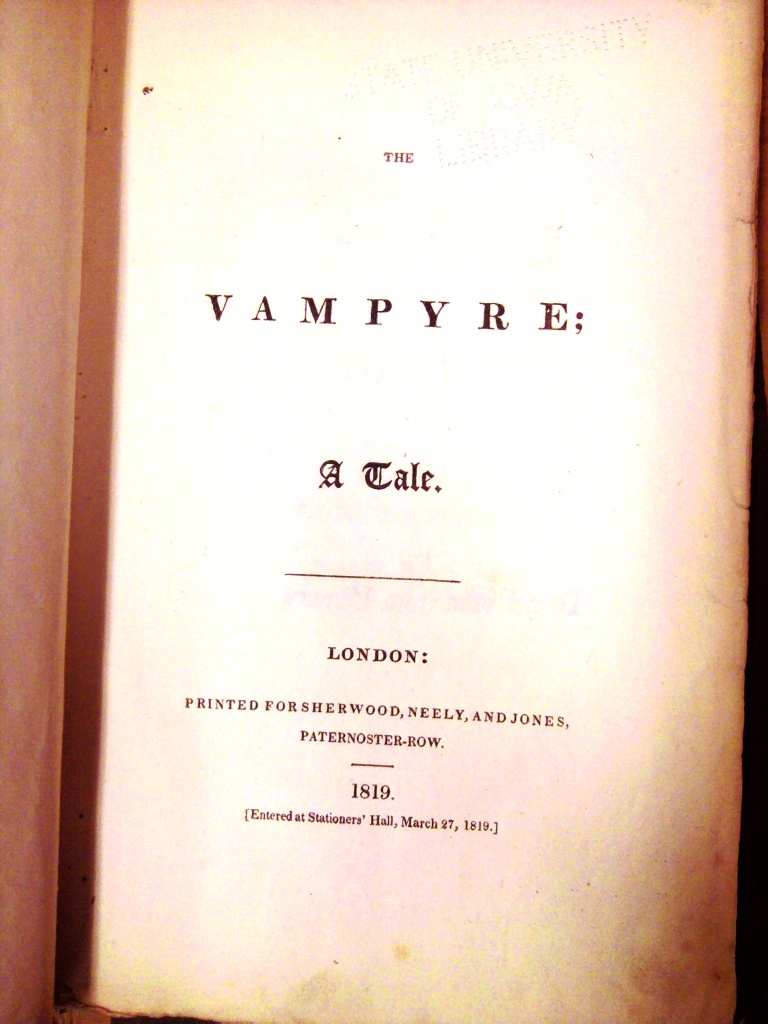
Special Collections has a first edition of The Vampyre, published in London, 1819, by Sherwood, Neely, and Jones. It is one of several works likely inspired by that evening at Villa Diodati available for viewing in the Reading Room.


Reading List:

The Vampyre, John Polidori, 1819.  x-Collection 828 .P766v

A Fragment of a Ghost Story,” Percy Bysshe Shelley, from LinkRelics of Shelley. Ed. by Richard Garnett, 1862.  Leigh Hunt Collection 828 .S545Xg

“Journal at Geneva: Ghost Stories,” Percy Bysshe Shelley, from Essays, Letters from Abroad, Translations and Fragments,  Ed. by Mrs. Shelley, 1840. Leigh Hunt Collection 828 .S545X3

Fragment of a Novel,” in LinkMazeppa : A Poem, Lord Byron, 1819. x-Collection PR4372 .M3 1819.


Paperbacks in the Stacks

Students from Professor Loren Glass’ English/UI Center for the Book course Literature and the Book: The Paperback Revolution are using materials from Special Collections this semester to uncover the impact of paperback books on twentieth century American literature and culture.  As they do, we are uncovering some hidden treasures of the paperback revolution in the stacks.

Despite the ubiquity of the paperback book throughout much of the twentieth century, paperbacks are typically an understudied book format, mostly getting attention for sensational cover art. However, many intriguing aspects of the paperback revolution beyond cover art  are illustrated throughout our collections.

Here are some highlights:

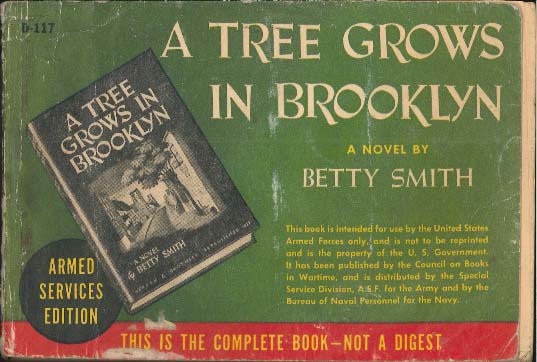
A Tree Grows in Brooklyn, Betty Smith. New York: Council on Books in Wartime, 1943.

(Armed Services edition ; D-117) x-Collection PS3537.M325 T7 1943b

Armed Services Editions, printed from 1943-1946 for American soldiers during World War II, are notable for their unusual horizontal format. They were printed two at a time on magazine presses and then cut in half horizontally, resulting in an oblong book. The text is also printed in two columns per page.This copy of Smith’s novel was published as a hardcover first edition by Harper & Brothers in 1943, the same year the Armed Services Edition was published. Our copy is worn, and the glue holding the cover on has detached so you can see the large staple that is the only things holding the pages together. Did this book travel to Europe or the Pacific tucked in a soldier’s cargo pocket? 


Chinese Cooking Made Easy, Isabelle C. Chang. New York: Paperback Library, Inc. 1961. Szathmary TX725.C514 1961

There are many paperback cookbooks in the Szathmary Culinary Collection, including this Chinese cookbook, the first paperback edition of What’s Cooking at Chang’s? (renamed in paperback). The low cost and accessibility of paperback cookbooks made a broader range of recipes and techniques available to a large audience – in this case, “tantalizing, exotic dishes you can prepare with ingredients easily available at your grocer or supermarket.”  Paperbacks from the 1950s-70s in the Szathmary collection range from microwave cooking to wine to recipes from all over the world.


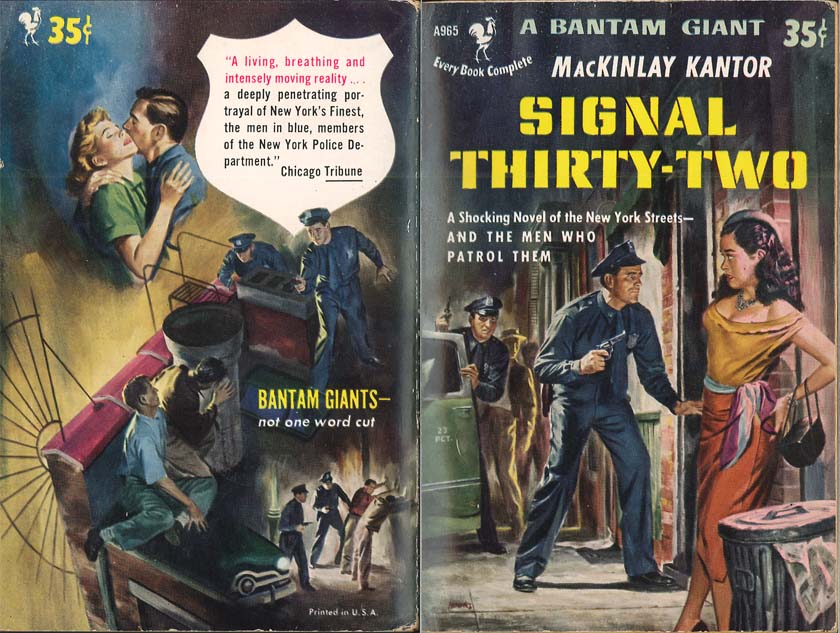
Signal Thirty-Two, MacKinlay Kantor. New York: Bantam Books, 1952. Iowa Authors Collection

One of the benefits of our Iowa Authors Collection for book historians is the opportunity to look at multiple editions of a single title, including paperbacks. Webster City native MacKinlay Kantor was a prolific journalist and novelist. This “Bantam Giant” paperback edition of his novel Signal Thirty-Two fits the stereotype of a mid-twentieth century paperback with its dramatic cover art, but other characteristics of the book indicate a desire to represent a “quality” not always associated with paperbacks, especially in the 1950s when they were still a relatively new format. The slogans “Bantam Giants – not one word cut” and “Every Book Complete” emphasize that the paperback, while physically smaller, is not an abridged version of the hardcover original. Signal Thirty-Two’s title page stretches across a spread, showing attention to innovative graphic design, and the text ends with a solicitation from the Bantam paperbacks editor for reader input and recommendations.


Sirens of Titan, Kurt Vonnegut. New York: Dell, 1959. x-Collection PS3572.O66 S47 1959

Our ever-growing science fiction collections include many paperbacks, as much of that genre was first or only published in the ephemeral and cheap paperback format. One particular gem is the first edition of Kurt Vonnegut’s second novel, Sirens of Titan. Though Vonnegut is now recognized as an important an influential American author, in 1959 this first edition was pocket-sized, printed on cheap paper, and sold for 35 cents.

This book, as well as some other exciting paperbacks from our collection, will be on display in our pop-up case. Come check them out!

Who Am I?

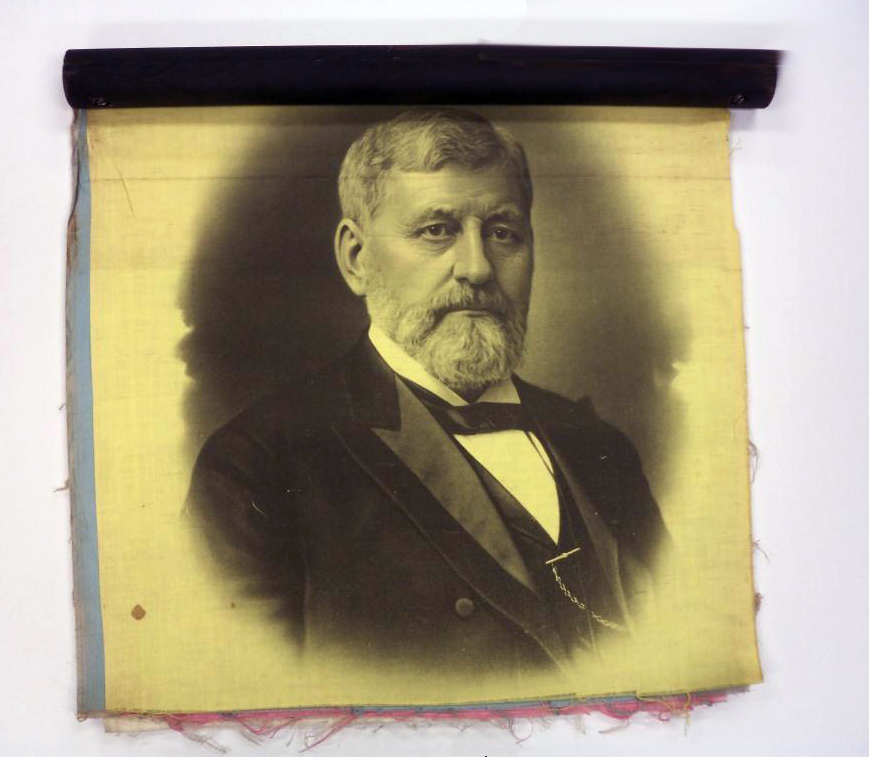
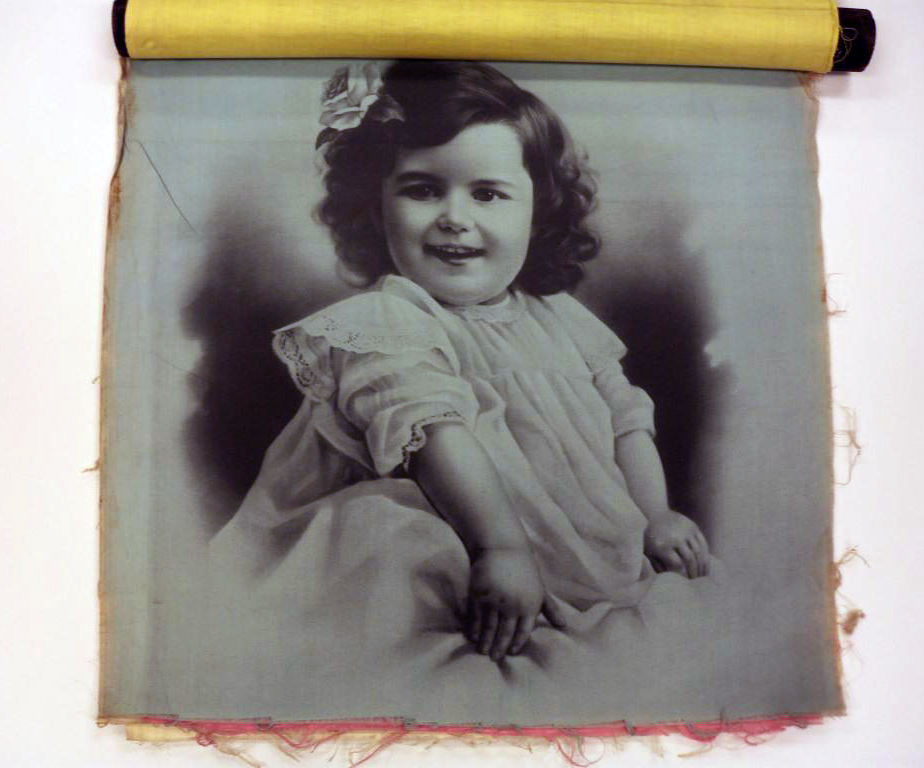
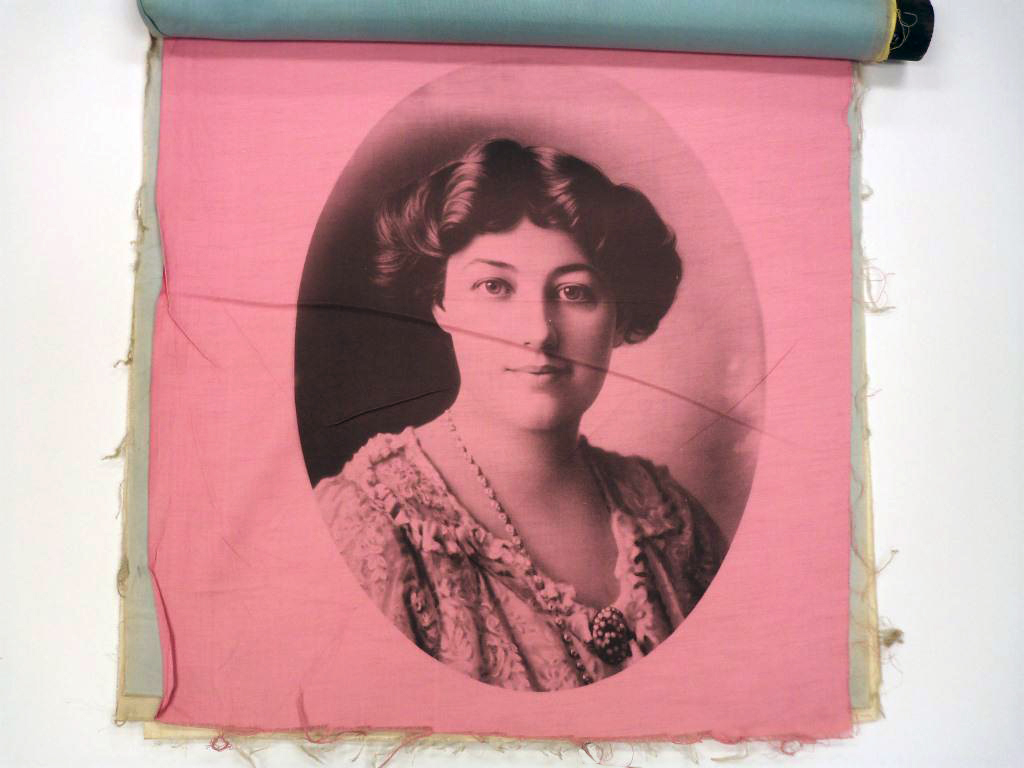
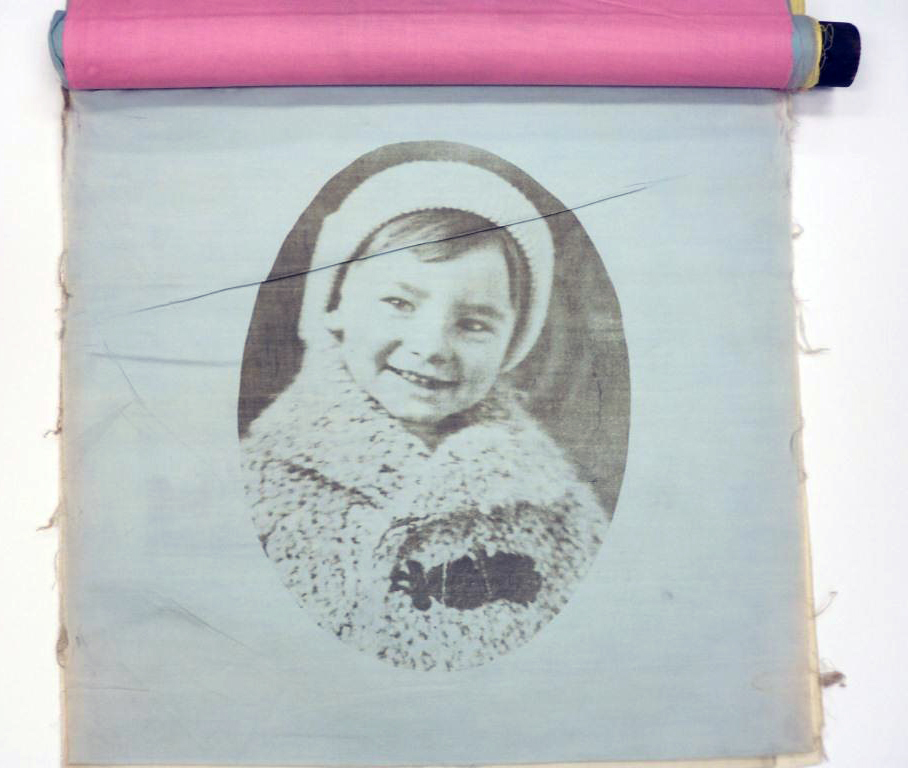
Do you know this man? Or perhaps you know this lovely girl with her bicycle?

This mysterious item has a series of six photographs printed on fabric and bound together on a wooden holder. Based on clothing and hairstyle the photos seem to be from different time periods. Are they all different people?  Did one of those children grow into that lovely young lady?  Are they all family?  Why was this made?  When?

This came to us from a woman named Rose Hogan as part of an archive from families named Hogan and Roskopf but nothing is known about this item or the people featured. 

The family included teachers and attourneys and has connections to Iowa City, Galva Clearfield, Diagonal, Denison, Teril, Dunlap and Estherville in Iowa, as well as Chambers County in Texas, and Foxhome, Minnesota.

If these faces look familiar, please help us identify them and solve the mystery.