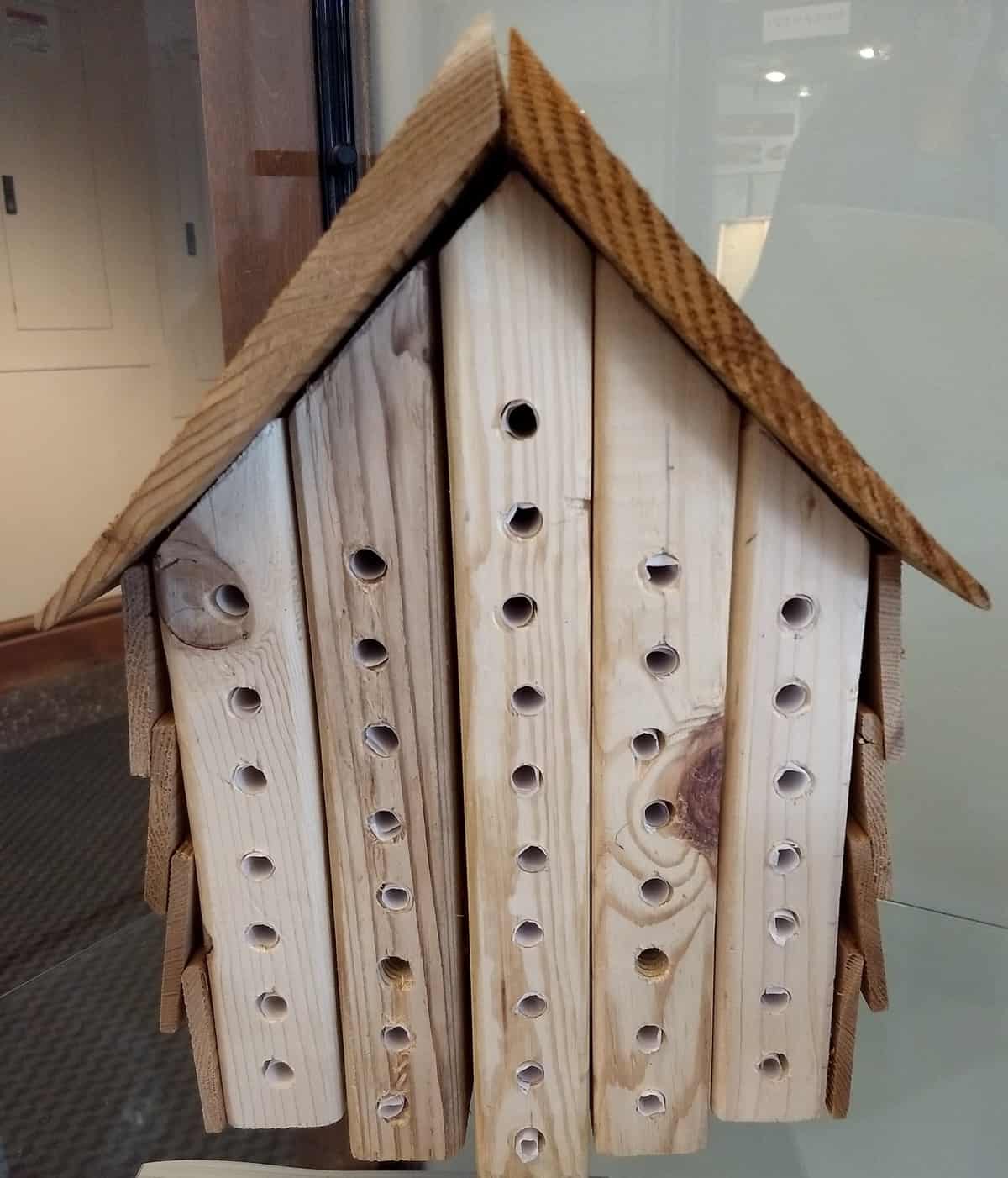
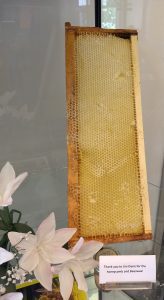
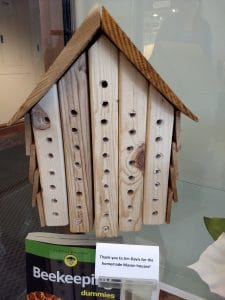
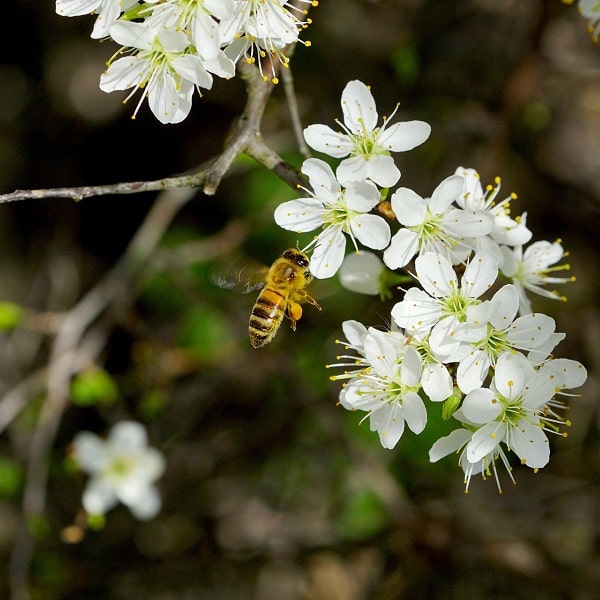
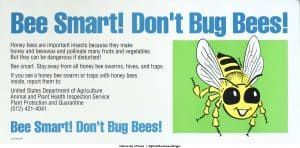
Swing by the Sciences Library to see our new exhibit, Beekeeping 101! It features a real honeycomb, wooden bee houses, smoker can, and protective suit. The exhibit includes resources for learning more about beekeeping as well as bee conservation. Thank you to Jim Davis and Jeremy Richardson for sharing their beekeeping supplies with us!
Hedy Lamarr publicity photo for the film The Heavenly Body, 1944
On Memorial Day, we honor the individuals in the U.S. Armed Forces who have given their all serving our country. Memorial Day began in the 1800s when women began putting flowers on the gravestones of soldiers, leading the day to be known at the time as Decoration Day. In addition to the decoration of graves that led to Memorial Day, women have had an important presence during wartime. Even as far back as the Revolutionary War, women were nurses, cooks, seamstresses, fighting while disguised as men, and acting as spies. As time went on, women became involved with scientific developments that have impacted wartime efforts. Their intellects contributed to nuclear fission, cryptography, compilers for programming, wireless communication security, and Kevlar vests.
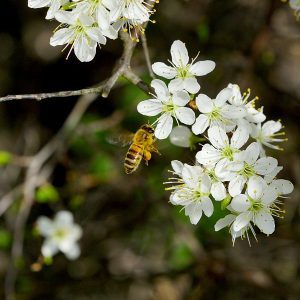
Summertime is watermelon season, and while you bite into that juicy watermelon, do you stop and think about the bees that made the existence of the melon possible for you? Whether bees are part of a managed colony or wild bees, whether they are honey bees, bumble bees, or mason bees, they spend their days pollinating the fruits, vegetables, and flowers that you enjoy!
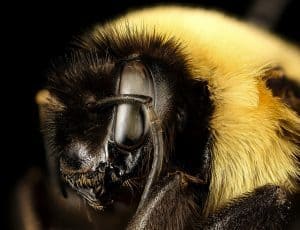
A rusty patched bumble bee from the USGS Bee Inventory and Monitoring Lab’s Photostream.
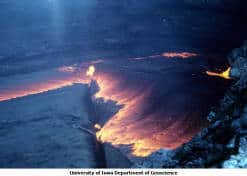
The recent eruptions of the Kilauea volcano have reminded us of the humbling power of nature, have drawn our attention to the hazards associated with active volcanoes such as ash plumes, earthquakes, and vog (volcanic smog), and have disrupted the lives of thousands of Hawaiians. We wish for safety and a smooth recovery for all of those affected, and here are some resources to stay up-to-date about what is happening:
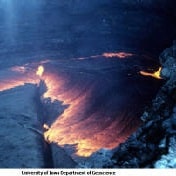
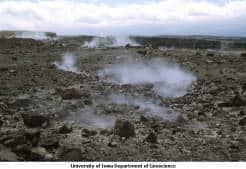
Fumaroles near Halema u’mau Crater in Kilauea Caldera. Image credit: Richard G. Baker, Geoscience Dept., UI.
Kilauea is a highly active volcano—lava has been flowing almost continuously since 1983. Kilauea means “spewing,” and it is a type of shield volcano. Researchers study the changes in Kilauea’s magma composition and temperature over time. Scientists also track the amount of seismic activity and sulfur dioxide emissions of Kilauea. Tracking Kilauea’s behavior allows scientists to predict when Kilauea will erupt, giving people living near the volcano time to evacuate and demonstrating how science saves lives.
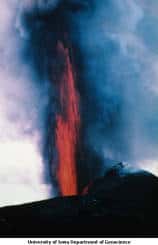
Lava fountain at Pu’u O’o in 1984. Image credit: Geological Survey (U.S.), Geoscience Dept., UI.
What do we have on volcanoes at the UI Libraries?
See Kilauea and other volcanic images online in our collection of Geoscience Slides. This magnificent collection includes more than volcanoes. There are thousands of images of U.S. National Parks depicting caverns, rivers, mountains, lakes, and other natural environments.
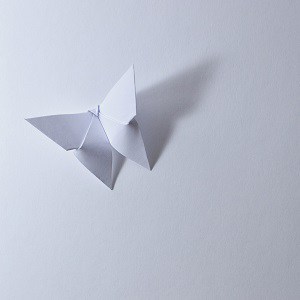
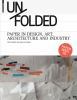
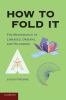
What does the ancient paper folding art of origami have to do with science? While origami can be simple and fun for children, the applications of origami in the sciences have been sophisticated and complex. From mathematics and engineering to medical devices, origami has been the inspiration for responsive, elegant, and flexible innovations in science.
If you need a study break to clear your mind, try out origami at the Sciences Library. We have origami paper on hand for you. You can use our instructions for simple models, search online for diagrams, or create your own designs!
Combining origami with computer programming, Robert J. Lang has designed over 700 exquisite origami models displayed on his website, and he has applied his expertise in origami to problem solving in engineering and physics. Notably, he helped to design a prototype for a large folded telescope lens that was meant to fly compactly into space within a rocket and then unfold smoothly upon reaching its destination.
Researchers at Harvard and MIT have developed self-folding robots based on origami. In their research, it took less than five minutes for their robot to assemble itself from a flat template and then walk on its own. The idea is that self-assembling robots could be sent as flattened objects into tight spaces and then assemble themselves upon reaching their destination. The hope is that these robots could potentially be used in rescue work in unsafe areas due to wreckage or fallen debris.
The development of medical devices inspired by the folds in origami is underway. Examples of products being designed are stents, catheters, and drug delivery mechanisms that travel through the body in a collapsed, folded form and then expand to carry out their function. While more research is required before these devices are approved for medical use, it is thought that these origami-inspired designs will be safe devices that are minimally invasive to the body.
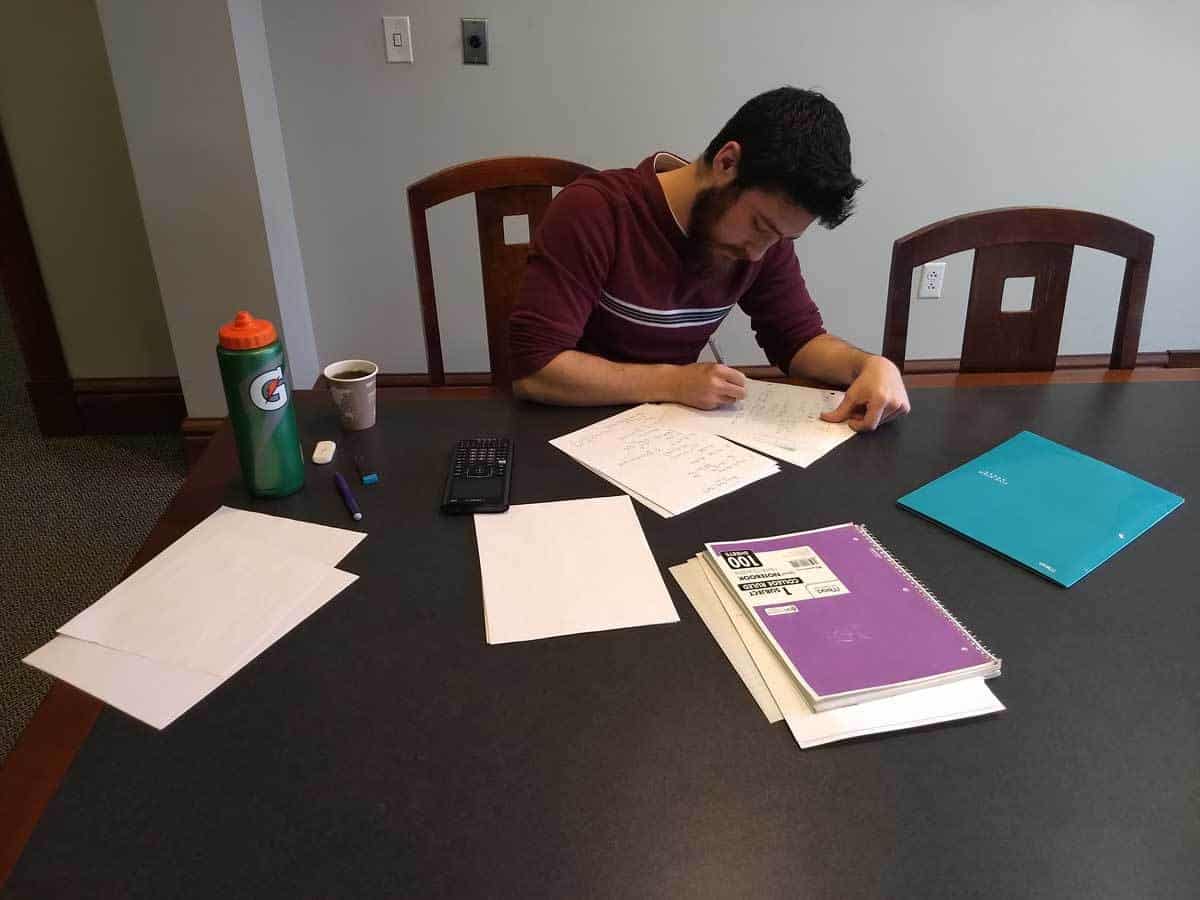
You need comfortable seating. You need short, engaging study breaks. You need homemade brownie bites. All of this is available to you if you study for final exams at the Sciences Library!
A variety of seating—tables, study carrels, bean bag chairs, and quiet study space for individuals as well as group study spaces
Legos, K’Nex, origami, and games to give your brain a treat for working so hard
Free coffee, tea, cookies, and homemade brownie bites to give your brain fuel
Don’t wait! Study at the Sciences Library today! And tomorrow, the day-after-tomorrow, and the day after that … you get the picture, whenever you are ready to study, we are here for you.
Hi, there! I am Laurie Neuerburg, the new Sciences Reference & Outreach Librarian at the UI Sciences Library, and I look forward to meeting you!
I hold an M.S. in Library Science from UNC-Chapel Hill and an M.S. in Biomedical Sciences from the University of Houston-Victoria. Previously, I worked as Instruction & Media Librarian at a small academic library in Victoria, Texas, a joint library for Victoria College and the University of Houston-Victoria.
I am the liaison librarian for physics, astronomy, and biology. I am available for reference assistance, research consultations, and classroom instruction. I can work with you on a specific assignment, or cover topics such as database search techniques, citation management, and information literacy. I can also create research guides and tutorials for you.
Additionally, if you have an interest in collaborating with the Sciences Library on an event, please contact me! Although I am frequently at the Sciences Library, my office is located in 453 Van Allen, or you can call (319-467-0216) or email me (laurie-neuerburg@uiowa.edu).
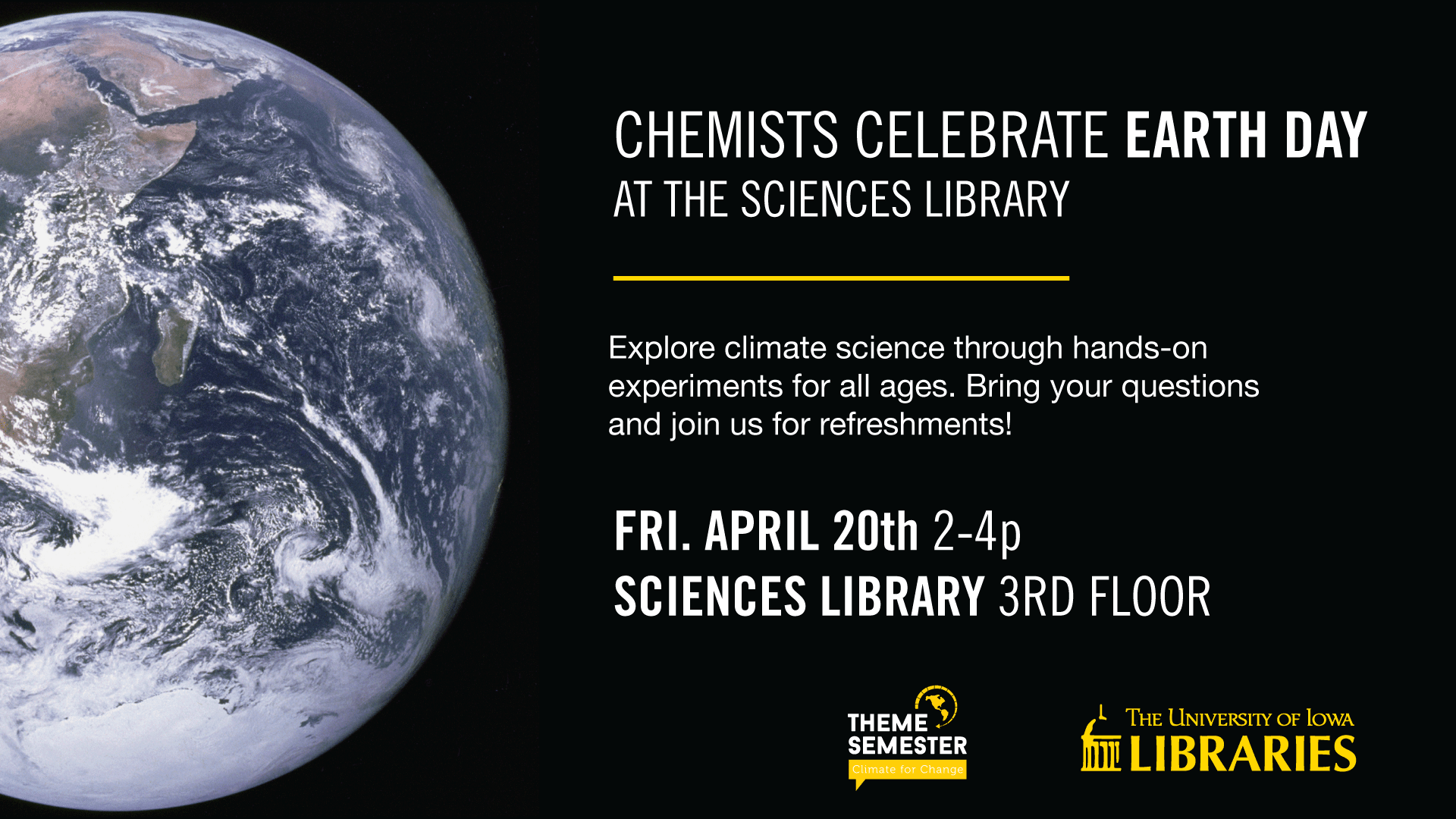
Activities for all ages. Bring your questions and join us for refreshments!
Individuals with disabilities are encouraged to attend all University of Iowa-sponsored events. If you are a person with a disability who requires a reasonable accommodation in order to participate in this program, please contact Laurie Neuerburg in advance at 319-467-0216.
Description: Do you record and work with data in spreadsheets or tabular files? You can save yourself a lot of time by using OpenRefine to review and clean up spreadsheet or tabular data. OpenRefine is free software that makes it easy to identify and fix problems in data. Automated functions easily and quickly handle common problems, such as splitting cells that contain multiple data values, detecting duplicates and typos, standardizing date formats, and trimming extra spaces from cells. OpenRefine also keeps track of all your steps, so you can easily reuse them or undo them if necessary.
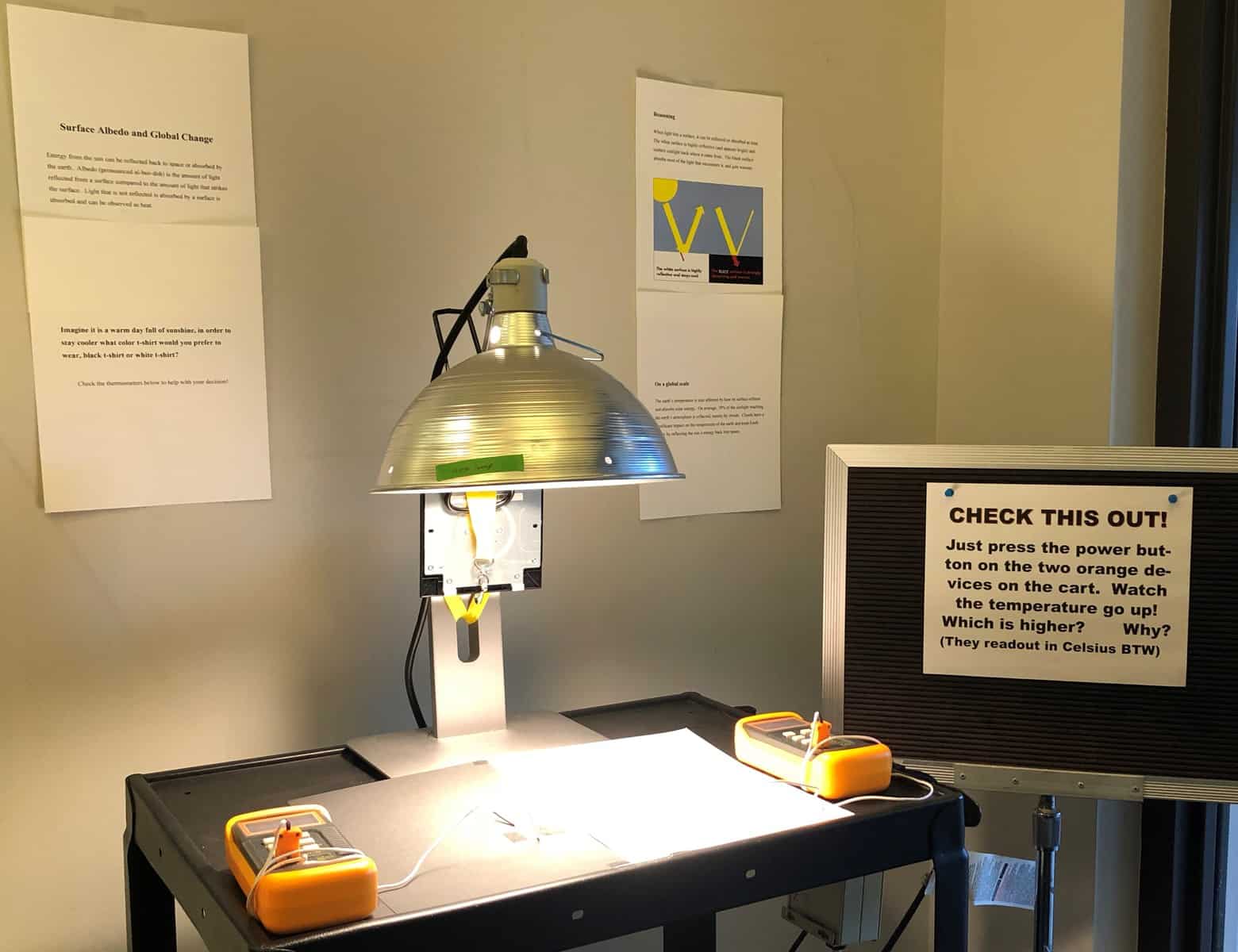
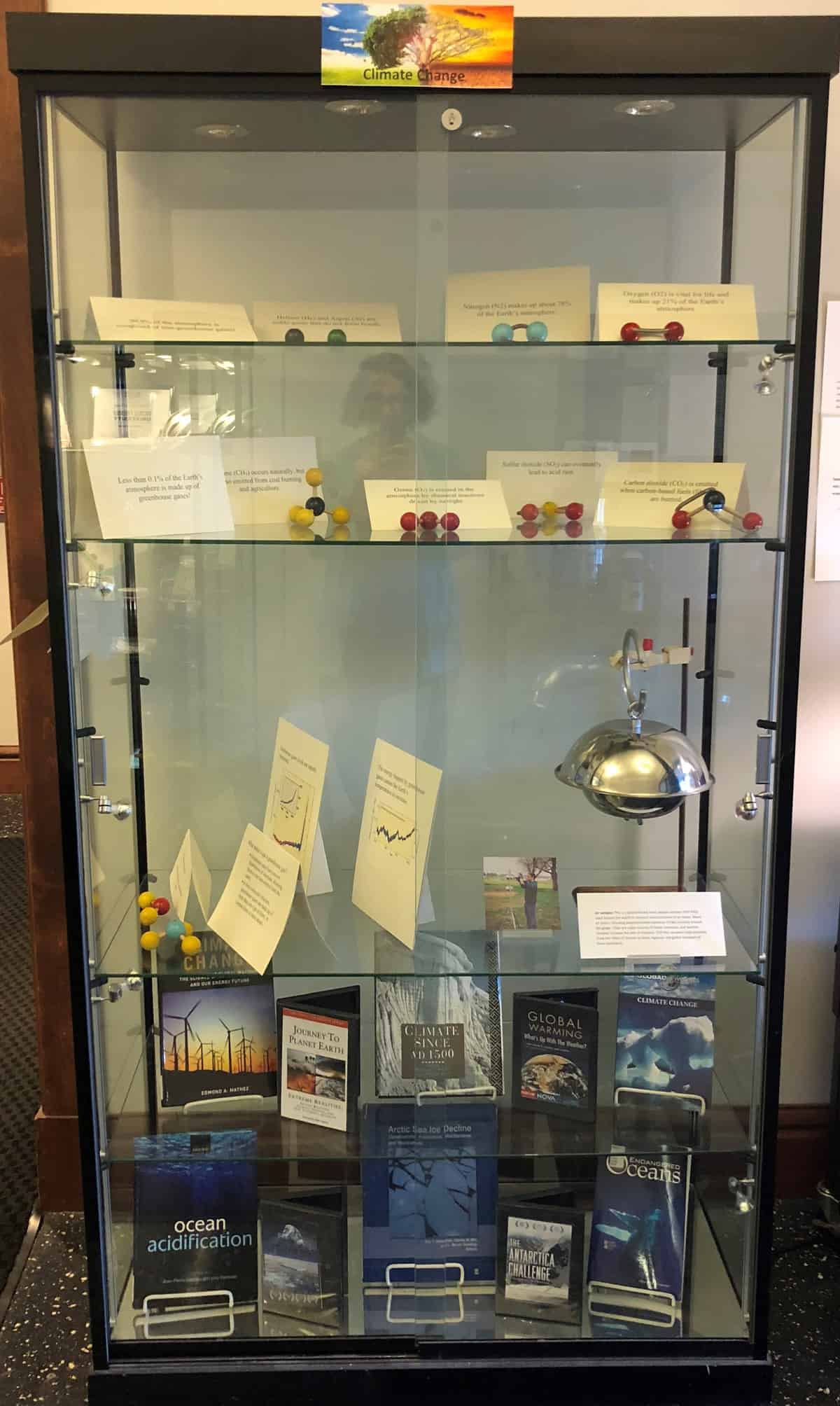
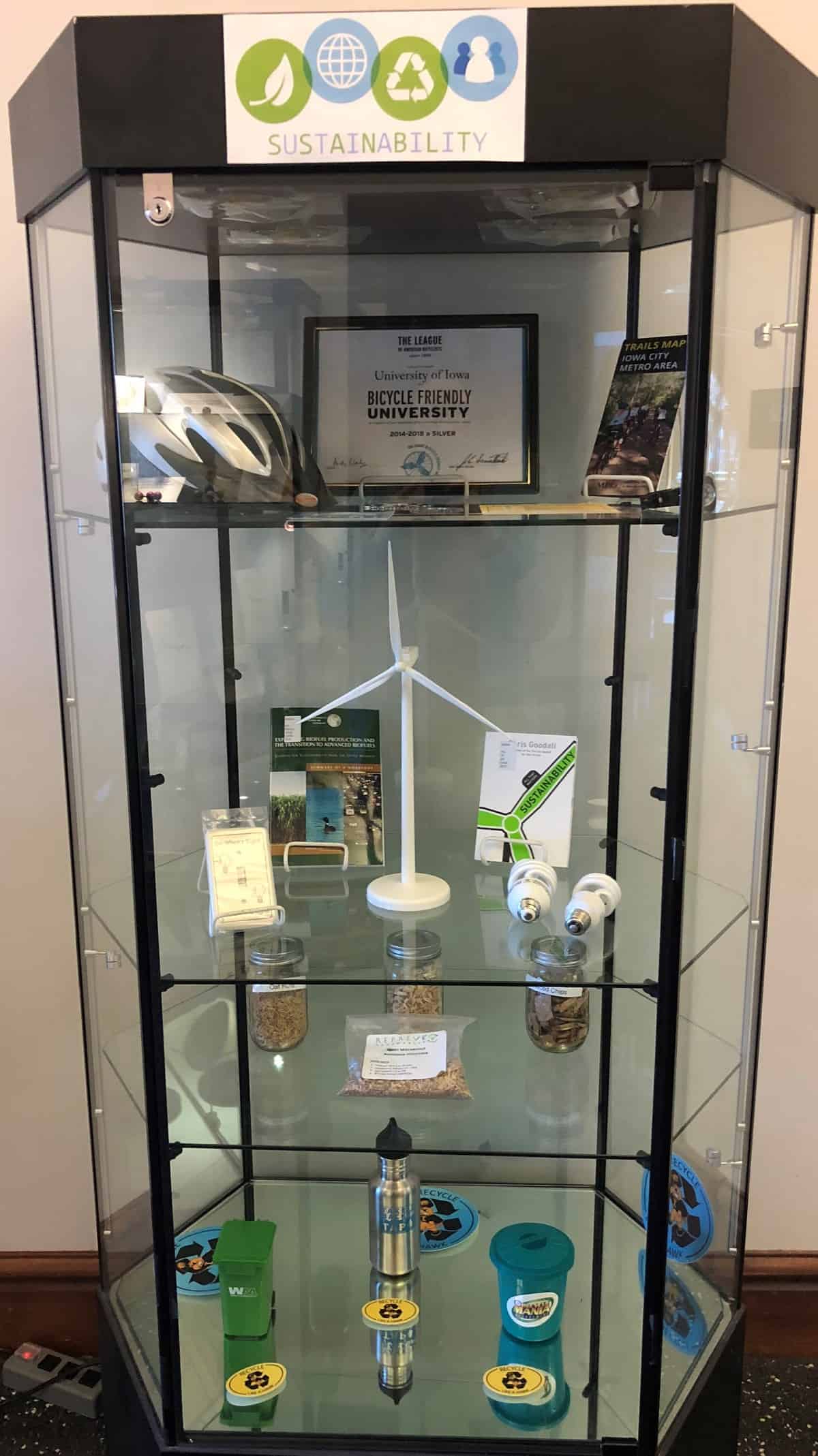
To celebrate this semester’s theme: Climate for Change, check out the Sciences Library’s new exhibit on climate change and sustainability!
In an interactive experiment, learn about the albedo effect: How light and dark colored surfaces, and their ability to reflect or absorb light and heat from the sun, can change the temperature.
In our climate change display, learn what is (and is not) a greenhouse gas, how researchers use air samplers to collect information about air pollution, and about some of the effects of climate change.
In our sustainability display, you can learn about some of the steps you can take as an individual, and the steps we’re taking as a campus, to become more sustainable.
Many thanks to the Office of Sustainability and the Stone and Hornbuckle Research Groups for their assistance and for loaning materials and equipment to us for this exhibit.