Skip to content
Skip to main content

Let’s Go Fly A Kite! A New Exhibit!

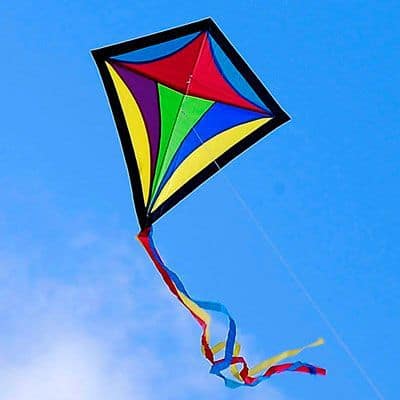
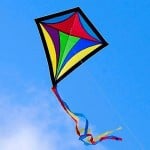
diamond

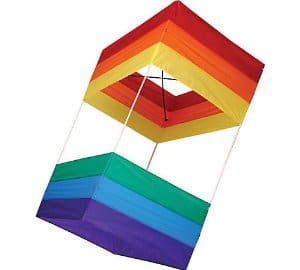
Box_kiteLet’s go fly a kitediamond
Up to the highest height!
Let’s go fly a kite and send it soaring
Up through the atmosphere
Up where the air is clear
Oh, let’s go fly a kite!

(from Disney’s Mary Poppins, composed by Richard M. Sherman and Robert B. Sherman)

April is National Kite Month!!

Our new exhibit, Kites! Engineering and Design from Around the World! celebrates kites and all they have contributed to engineering and aeronautics.

The history of kite-flying goes way back – there are differing accounts of when the first written record appeared – varying from about 200 B.C.  to 1000 B.C.  Kites were not toys, but used for delivering messages, carrying lights, noise makers and pyrotechnics to frighten enemy troops. In the 200 B.C. account, Chinese General Han Hsin flew a kite over the walls of a city to determine how far his army would have to tunnel to reach beyond the city’s defenses. Kites were also used for various religious and ceremonial rites. The first known illustration of of the familiar diamond-shaped kite dates from 1618.

Pioneers of aviation used kites to research and test aircraft structures, aerodynamics, and wing designs.  Wilbur and Orville Wright used a specially designed kite to test their control systems. The company Syndicate d’Aviation was founded in 1905. It was first company founded specifically to manufacture airplanes. Their initial product was a two-bay biplane which was inspired by Lawrence Hargrave’s box kite. It is also believed that Leonardo da Vinci’s familiarity with kites led to his invention of the parachute.
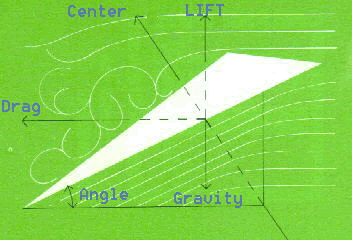
kite graph

Graph taken from “:Why Kites Fly,” NattionalKiteMonth.com

So, why are kites, which are heavier than air, able to fly? They rely on lift, drag, thrust, and gravity. Lift results when wind moves across the sail of a kite – the wind pushes up on the kite. At the same time, the wind passing over the top of the kite creates an area of low pressure, which creates pull from behind. Drag is created by wind resistance on the kite’s surface and tail. Gravity and the weight of the kite pull it downwards and the thrust is the power of the wind which creates the lift. A kite needs enough lift to overcome the gravity and drag.

The dihedral angle of a kite is also important. A dihedral angle is the angle formed when two wings come together. If the wings of a kite lean back at the same angle, the wind will push evenly on both wings and it will be perfectly balanced in the sky.
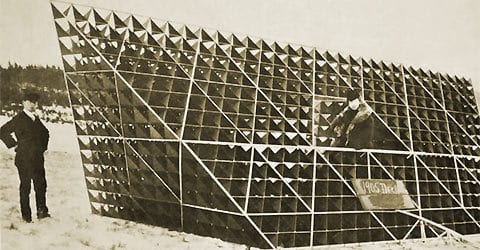
Alexander Graham Bell's Frost King.

Alexander Graham Bell’s Frost King.

There are many possible kite shapes and how each of them use their aerodynamic features determine if, or how, that kite will fly. In 1905 Alexander Graham Bell developed tetrahedral kites. The giant Frost King had 1,300 individual pyramid-shaped cells arranged in 12 layers and could lift a man 30 feet in the air. We have a smaller (much smaller!!) model of a tetrahedral kite in our exhibit.


Remember spending spring and summer afternoons trying to get those kites off the ground or out of ‘kite-eating-trees?’ What is more fun than a wide-open space, a light breeze and a colorful kite? Stop in and see our Kite Flying exhibit, let it get you into the mood and then head out for some spring kite-flying!
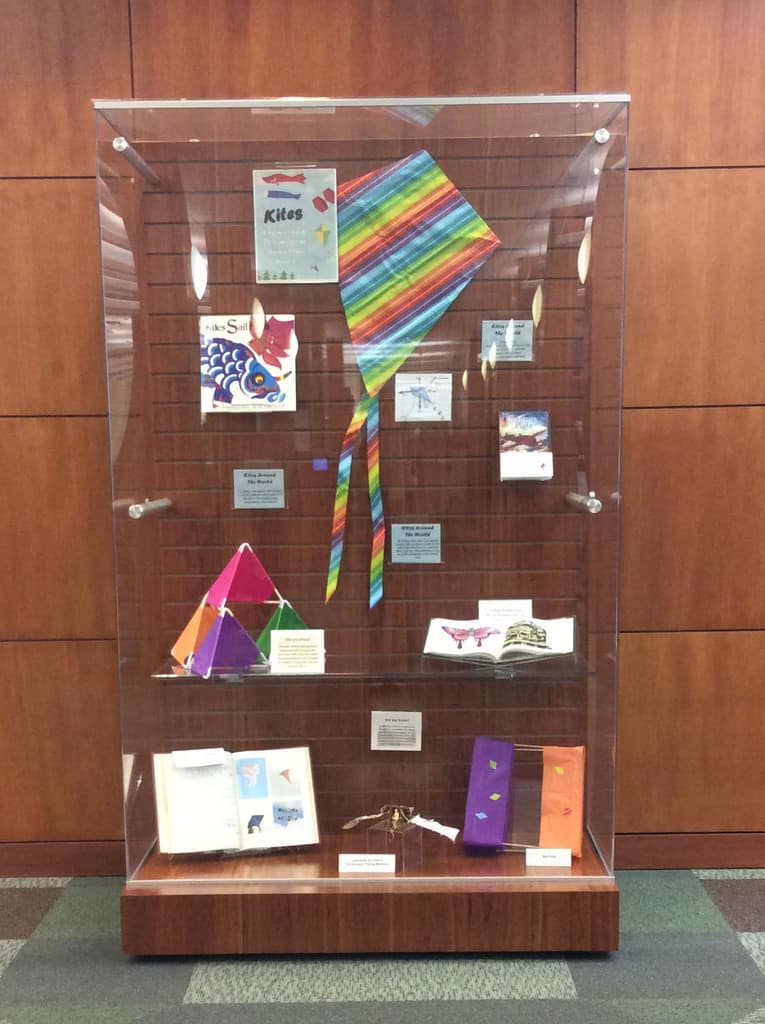
Kites! Engineering and Design from Around the World!

Kites! Engineering and Design from Around the World!

Fun Facts!

*The largest number of kites flown on a single line is 11,284.
*The smallest kite in the world is .19685 inches and the largest is 6781.26 square feet
*Some Japanese kites weigh over 2 tons
*More than 50 million kites are sold in North America each year
*Bird kites from Indonesia are made from hand-painted silk
*Traditional kites of Thailand represent male and female characters. Kites are flown in “battles” designed to capture a mate
*A young boy, Homan J. Walsh, flew his kite over Niagara Falls helping to build the suspension bridge.
*Kite names from around the world:
  • Japan: Tako, which means ‘octopus’. These have long bridles and tails
  • France: Ceerf volant, which means ‘antlers on a deer.’ Their kites are made with spars and sticks
  • Mexico: Papalote, which means ‘butterfly”
  • China: Fen Zheng, which means ‘wind harp’

Resources.

Crouch, Tom D. 2003. Wings: a history of aviation from kites to the space age. Washington, D.C. : Smithsonian national Air and Space Museum : New York : W.W. Norton. Engineering Library TL515 .C76 2003.

Gray, Charlotte. 2006. Reluctant genius : Alexander Graham Bell and the passion for invention. New York : Arcade Pub. Engineering Library TK6143.B4 G73 2006

Anderson, John David. 1997. A history of aerodynamics and its impact on flying machines. Cambridge : New York : Cambridge University Press. Engineering Library TL570 .A679 1997

National Kite Month: April 1st – 30th, 2016. 2016. NationalKiteMonth.com

How to Fly a Kite.  Gomberg Kite Productions, International. Date accessed March 7, 2016.

Kite Geography: Kites from Around the World.  Gomberg Kite Productions, International. Date accessed March 24, 2016

Other Resources:

Wildwood Kite Festival 2014. May 26, 2014. youtube.

For the calculation of the lift and drag on a glider being flown as a kite:
Anderson, John David. 1997. A history of aerodynamics and its impact on flying machines. Cambridge : New York : Cambridge University Press. Engineering Library TL570 .A679 1997  Appendix F, page 458.

7 Wind Swept Projects to Celebrate National Kite Flying Day. Feb.8, 2016. Make: We are all Makers

Chicago Kite Festival: http://www.chicagokite.com/festivals.html

Death from Kite Battles http://www.odditycentral.com/events/death-from-above-the-kite-battles-of-pakistan.html

Alexander Graham Bell: 1891-1909, His years for kites. Carnet de vol. Date accessed 3/2/16.
 

Voxgov – Trial ends 16 April 2016

Voxgov, first launched for subscription access in January 2014, is a unique “discovery platform” which aggregates a broad range of official and ephemeral information resources issued by individual representatives and organizations from all branches of the U.S. Federal Government, and links that content to publicly accessible government documentation.

Please send additional comments to Brett Cloyd.

Trial Subscription: Sage Business Cases

The Pomerantz Business Library has arranged a trial to Sage Business Cases. The trial ends May 1, 2016.

SAGE Business Cases brings business to life – inspiring researchers to develop their own best practices and prepare for professional success. Teaching notes are included with the trial access.  In order to set up teaching notes, please follow these instructions.

If you think that
Sage Business Cases would be a good addition (or not a good addition)  to the collection, please send comments to Business Library Head Librarian Kimberly-bloedel@uiowa.edu.


Belated Pi Day Celebration!

image24_square

image24

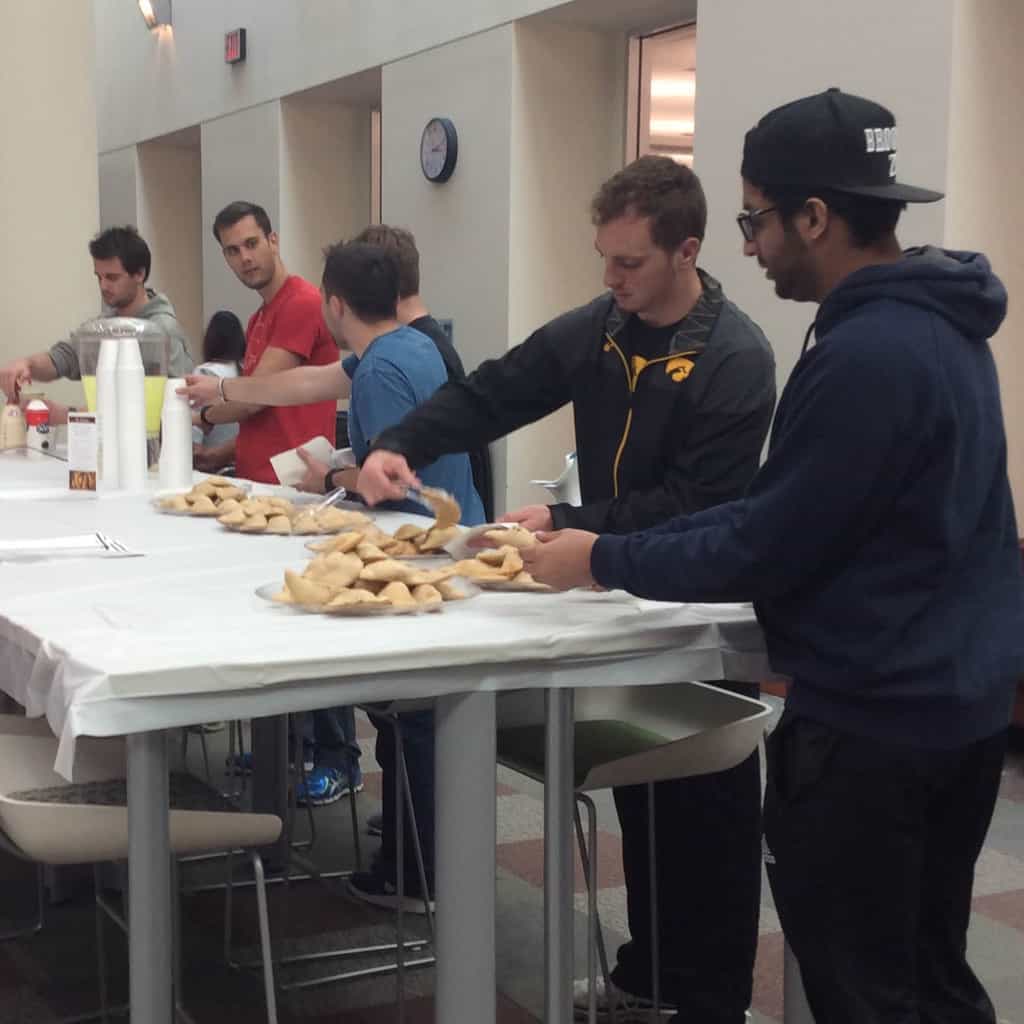
Pi Day is celebrated on March 14th (3/14), but since that was during spring break, we decided to celebrate it on March 21st. That also happened to be the first day of classes after spring break. So our Pi Day Celebration served double duty – Pi Day and welcome back to classes after break!

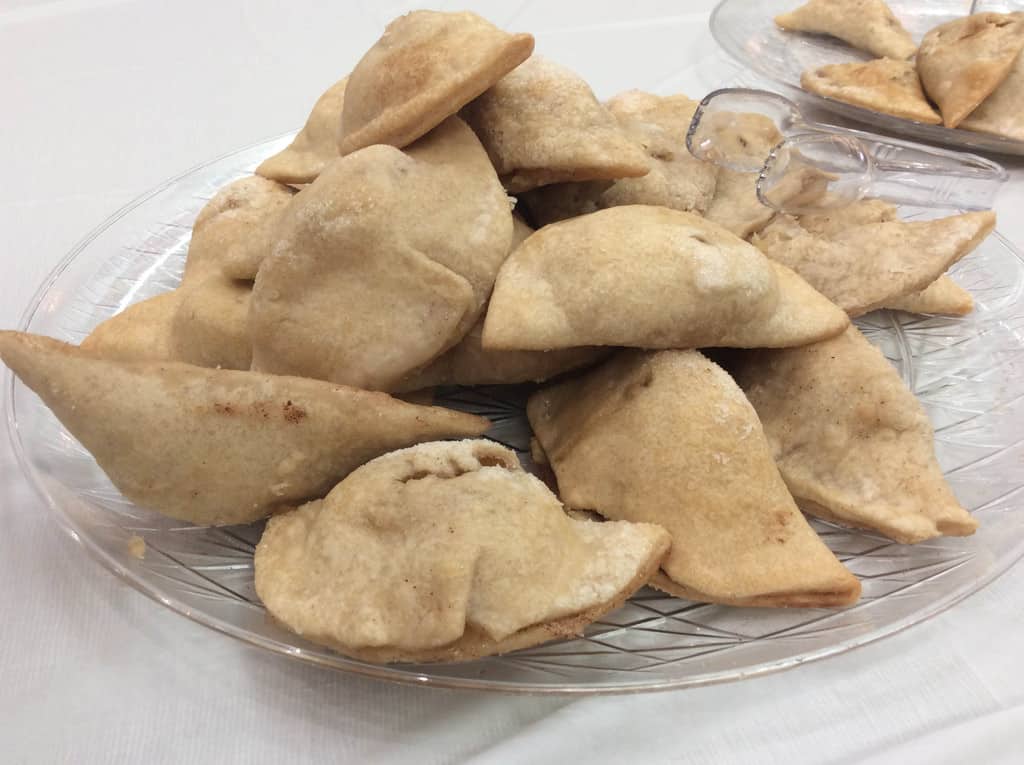
We celebrated with 314 pie bites (what else would we do?), free coffee and free lemonade!

image11_crop


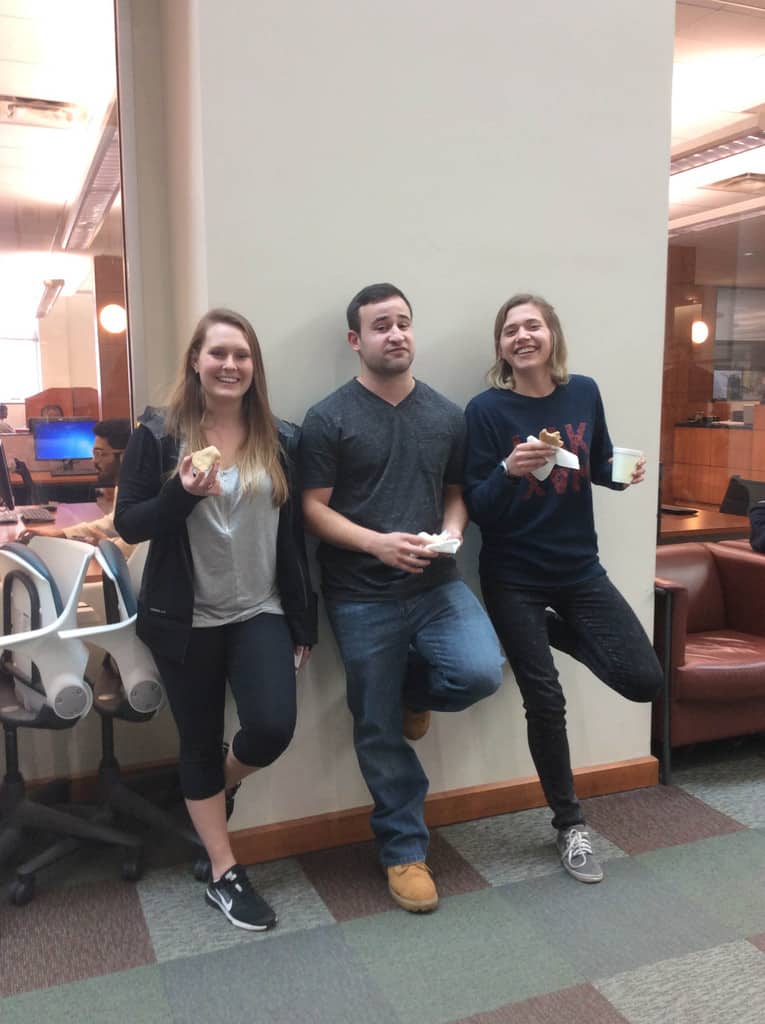
Start time? 3:14 p.m , of course!

image32


Don’t let him fool you –
he really was having fun!


image33

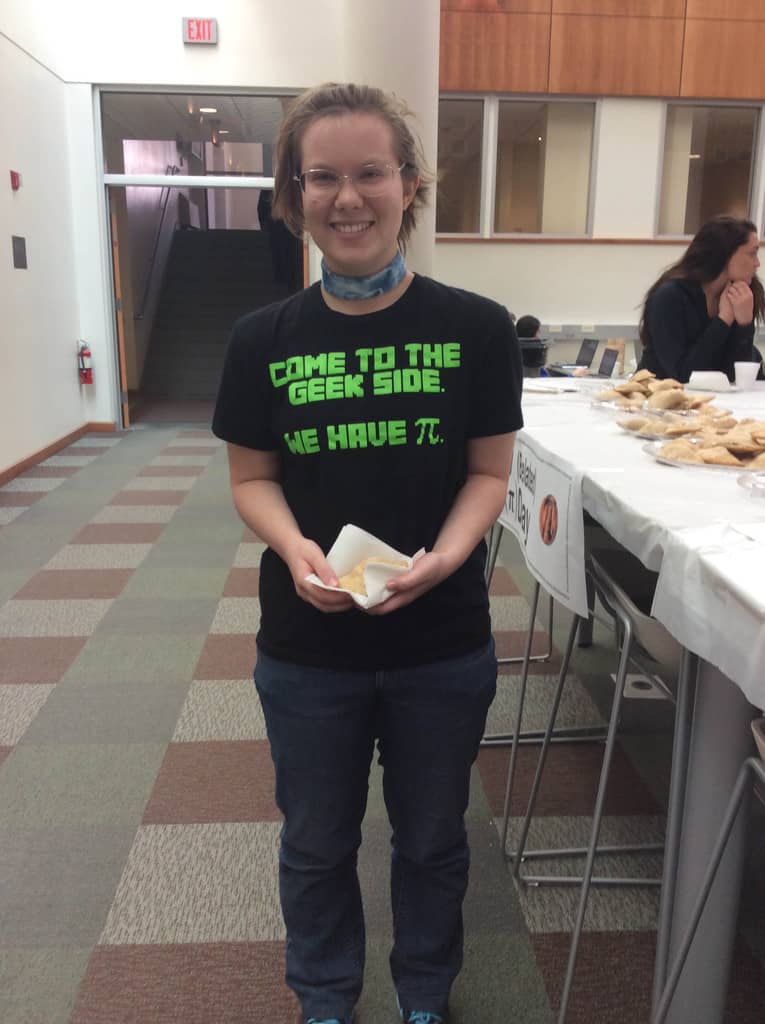
We have pie!!


Don’t want to miss any of our upcoming events? Be sure to like us on Facebook: UI Lichtenberger Engineering Library and follow us on Twitter: @UIEngLib. Not only do we have posts about exciting and fun events like Pi Day, but we share information on #WhatWillTheyThinkofNext – new and exciting tech advances, and we #Spotlight our own resources. So, make sure you follow us on social media – you don’t want to miss out! And while you are ‘liking’ us on Facebook, check out more pictures from Pi Day!

Dr. Dorothy Wirtz, PhD: A Woman “In the Profession”

Wirtz4Wirtz4

“Gentlemen,

As you had hoped, I have found your questionnaire interesting to answer. However, I cannot refrain from expressing my resentment at the phrasing of certain statements, which seem to me to reflect discrimination on the basis of sex.”

So begins Dr. Dorothy Wirtz’s 1969 letter to The Carnegie Commission on Higher Education. She followed her opening statement by citing precisely when the Commission assumed that the professors they surveyed would be men. She told them, quite directly, that “Women are people, too, and even manage to exist in the profession.” By 1969, Wirtz knew about existing in “the profession” as a woman, and had been a professor of French at Arizona State University for 10 years.

                Dorothy Wirtz had been an outstanding student with a talent for writing and linguistics. While still an undergraduate at Culver-Stockton College, she won the Vachel Lindsay prize in poetry. After transferring to the University of Iowa, her letters home displayed focus and diligence concerning her studies in French and German. She packed her bags for the University of Wisconsin almost immediately upon graduation. There, after writing a dissertation on Flaubert, she received both a Master’s and a PhD in French by 1944.

                The path from school girl in Keokuk, Iowa to doctoral candidate in Madison, Wisconsin was exceedingly unusual for a woman in the 1940s. According to a National Science Foundation report from 2006, women received only 27% of doctorate degrees from 1920 – 1999, and 43% of those were issued in the 1990s. As an aspiring professor of French in a field dominated by men, Wirtz must have known she did not exactly meet prospective employer’s expectations.

Wirtz4

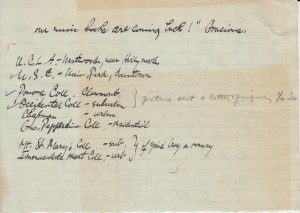
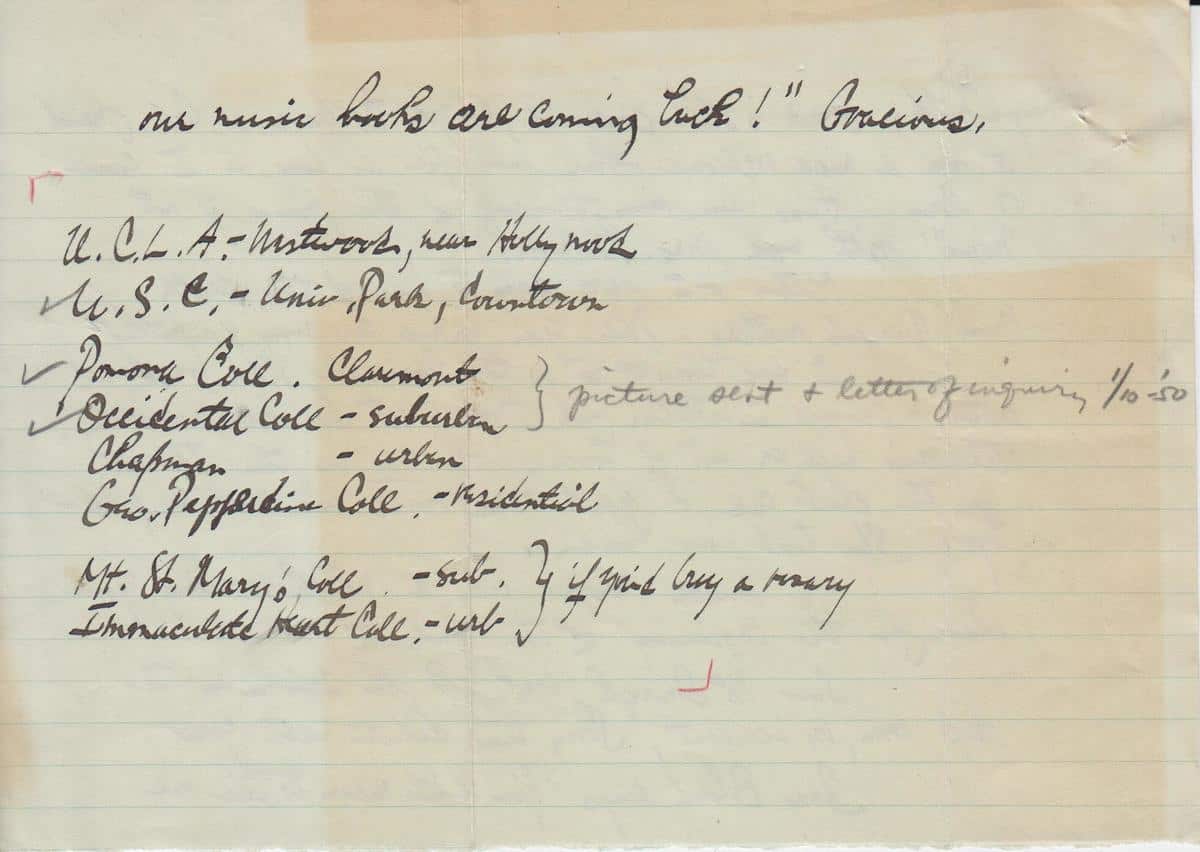
Part of a letter from Warren “Jack” Wirtz to his sister, suggesting colleges where she could look for work, 1950.


This fact was made clear when, after a few years at the University of Minnesota, she tried to join her parents and brother in Arizona. In 1950, Wirtz’s brother, Warren, sent her a list of colleges where she could apply including two Catholic institutions, jokingly adding “if you’d buy a rosary.” Dorothy noted her progress on the job search in pencil with check marks, but had no luck.  A friend of Warren’s made inquiries on Dorothy’s behalf but confessed in a letter “The trouble was simply (with some question about ‘research’) that there was not a position open in the upper brackets to a woman. I doubt very much that they would appoint a woman assistant professor in our department. She probably knows this.” He went on to suggest that she try “various junior colleges” in Los Angeles. The job market wasn’t just tight. It was practically impassable.

Without a job offer and only vague plans to teach, Dorothy Wirtz moved to Arizona. For several years she worked outside of academia, eventually serving at the Deputy State Treasurer of Arizona. But the tenacious Wirtz never gave up and in 1959, she secured a position at Arizona State University. She was four years from retirement when the Carnegie Commission sent her their biased survey. Although she did not shy away from making a political point in her letter, true to her field of study, she ended her letter by suggesting that the impersonal pronoun would have been the best choice linguistically.

“Best wishes in your survey,

Sincerely,

Dorothy Wirtz”


Thurgood, Lori, Golladay, Mary J., and Hill, Susan T. “U.S. Doctorates in the 20th Century.” National Science Foundation Special Report (2006). http://www.nsf.gov/statistics/nsf06319/pdf/nsf06319.pdf.

R. Palmer Howard Dinner | History of Medicine Society | Ink & Silver Medicine, Photography, & the Printed Book 1845-1890 | Friday April 22

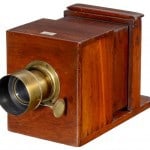
daguerreotype

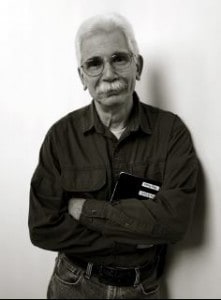
Stephen Greenberg, MSLS, Ph.D National Library of Medicine

Stephen Greenberg, MSLS, Ph.D
National Library of Medicine

The University of Iowa History of Medicine Society invites you to attend the 2016 R. Palmer Howard Dinner on Friday, April 22, 2016 at the Sheraton Hotel, Iowa City.  Reception begins at 6pm, followed by a buffet dinner and presentation.

Stephen Greenberg will talk on the use of photography in 19th Century printed medical books.  Researchers and photographers pushed the existing art to their limits.  Why were these pictures taken?  Who saw them?  Were they meant for private study or professional publication?  How did they reflect the techniques and aesthetics of the rest of contemporary Victorian photography?

Please register and prepay by April 15.  Cost is $10 for students, $40 for everyone else.   Printable HOM 2016 Banquet Registration Form

Please consider donating online to the University of Iowa History of Medicine Society to sponsor events or student participation in the R. Palmer Howard Dinner.

Individuals with disabilities are encouraged to attend all University of Iowa-sponsored events. If you are a person with a disability who requires a reasonable accommodation in order to participate in this program, please contact Janna Lawrence in advance at 319-335-9871.


Keith/Albee Collection Update!

Some new changes have come to the Keith/Albee Vaudeville Collection project since we have last updated.  Read more about the project here and here.

  • IMG_2290Candida Pagan joined the Preservation/Conservation department in December last year as Keith/Albee Project Conservator.  Candida holds an MFA in Book Arts from the University of Iowa Center for the Book and a BFA in Studio Art from the University of Iowa. She is a member of the the Iowa Museums Archives and Libraries Emergency Response Team (IMALERT) and serves on the board of directors of the Iowa Conservation and Preservation Consortium (ICPC). She has worked in book and paper conservation for four years at the University of Iowa Libraries and at the New Orleans Conservation Guild. As a graduate student at the University of Iowa, Candida was involved with initial Keith-Albee collection surveys and with the Fluxus West digitization project. She is experienced in cultural collections disaster response and is enthusiastic about preservation outreach.
  • In July 2015, Justin Baumgartner, Keith/Albee Digital Project Librarian, visited the Annual Conference of the Alliance of Digital Humanities Organizations in Sydney, Australia.  He presented an original poster, “In the Spotlight: Digitization and the Keith/Albee Vaudeville Collection”.
  • 40 Keith/Albee scrapbooks and counting have been digitized and are fully available online as part of the Keith/Albee Vaudeville Collection in the Iowa Digital Library.  Browse the collection online here.
  • The Iowa Digital Library isn’t the only place you can go to find archival vaudeville materials.  Here are some links to great digital collections at other institutions: