EndNote is a reference management tool that helps you to easily gather together your references in one place, organize them, and then insert them into papers and format them in a style of your choosing. This session will walk you through the basics of using EndNote to collect and format your citations. The class will be hands-on and there will be time for questions at the end.
EndNote Desktop is available at no cost to graduate students, faculty and staff.
Our sessions this summer:
Tuesday, June 28, 10:00 – 11:00 am (Information Commons East, 2nd Floor, Hardin Library for the Health Sciences)
Thursday, August 11, 10:00 – 11:00 am
Accelerating clinical research studies benefits researchers, research participants, and all who stand to gain from research results. Today, the time it takes to go from a sound research idea to the launch of a new, multi-site clinical research study is too long. A major contributor to the delay is that too many institutional review boards (IRBs) are reviewing the protocol and consent documents for the same study, often with no added benefit in terms of the protections for research participants. To address this bottleneck, NIH has issued a new policy to streamline the review process for NIH-funded, multi-site clinical research studies in the United States. The NIH Policy on the Use of a Single Institutional Review Board (IRB) for Multi-Site Research sets the expectation that multi-site studies conducting the same protocol use a single IRB to carry out the ethical review of the proposed research.
This policy applies to all competing grant applications (new, renewal, revision, or resubmission) with receipt dates on or after May 25, 2017. Ongoing, non-competing awards will not be expected to comply with this policy until the grantee submits a competing renewal application. For contracts, the policy applies to all solicitations issued on or after May 25, 2017. For the intramural program, the policy applies to intramural multi-site studies submitted for initial review after May 25, 2017.
image courtesy of skeeze @pixabay.com
IRBs play a critical role in reviewing and approving studies involving human research participants. IRBs evaluate the potential benefits of research and risks to participants. In the past, most clinical research studies were carried out at single institutions. Now studies are increasingly conducted at multiple sites to help increase the number and diversity of the participants, improve operational efficiencies, and accelerate the generation of research results. However, for the majority of multi-site studies, the IRB at each participating site continues to conduct an independent review. This review adds time, but generally does not meaningfully enhance protections for the participants. This new NIH policy seeks to end duplicative reviews that slow down the start of the research.
NIH will support applicant and awardee institutions as they implement the new policy with guidance and resources, such as a model authorization agreement that lays out the roles and responsibilities of each signatory, and a model communication plan that identifies which documents are to be completed, and when.
Francis S. Collins, M.D., Ph.D.
Director, National Institutes of Health
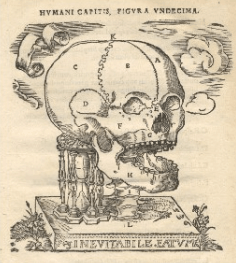
JOHANNES DRYANDER (ca. 1500-1560). Anatomiae. Marburg: Apud Eucharium Ceruicornum, 1537.
Dryander (also known as Eichmann), professor of surgery at Marburg, was a friend of Vesalius and among the first anatomists who made illustrations after their own dissections.
This Anatomiae appeared six years before Vesalius’ great work. This was the first significant book on the anatomy of the head and contains 20 full-page woodcuts made from Dryander’s own dissections.
Sixteen of the plates are of the head and brain and were done to show successive stages of dissection. The first eleven plates appeared earlier in his Anatomia capitis humani (1536) and the remaining four plates of the chest and lungs were added as an appendix.
This article is based on a poster presented at the Medical Library Association annual meeting, Toronto, May 2016.
Introduction
Searching for nuts as food is difficult. As with most plant-based foods, MeSH terms for specific types of nuts are in the Plants explosion instead of in the food explosion. Nuts are especially tricky because the MeSH term Nuts is not an explosion, and most articles on specific types of nuts are not indexed to the term Nuts. So it’s necessary to search for specific nuts to retrieve articles on them.
A caveat—As with nutrition topics in general, and plant-based foods in particular, searching in PubMed is complicated, largely because many plant-based substances are used as foods and also as medicines or experimental organisms. A list of articles on specific nut types is likely to contain some articles that are not food-related.
Searching for Nut Types
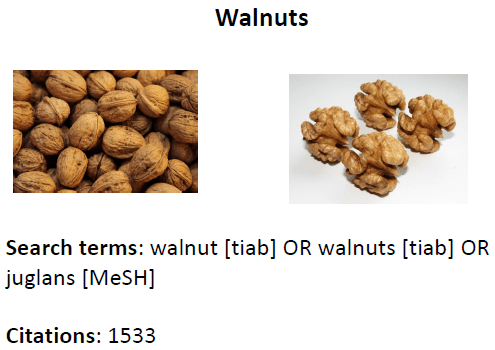
The general idea of searching for specific types of nuts is simple: Do an OR search that includes the common name and botanical name. In most cases, articles on a specific nut type will be indexed under the botanical name, but using the common name is always a good idea. See the example below for searching walnuts.
walnut [tiab] OR walnuts [tiab] OR juglans [MeSH]
It is necessary to restrict the search for the common names to the title and abstract [tiab] fields because there are many streets in the Address field that are named after nuts (e.g., 975 Walnut St.).
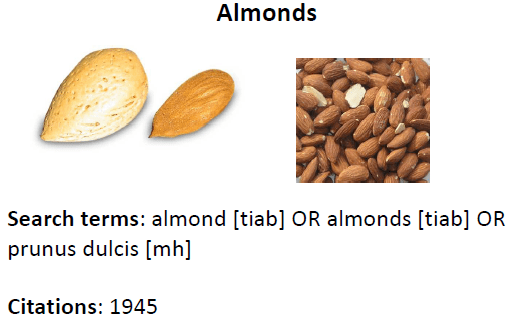
Image 1. Almonds
Image 2. Walnuts
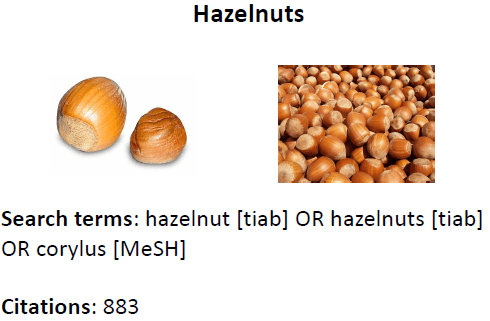
Image 3. Hazelnuts
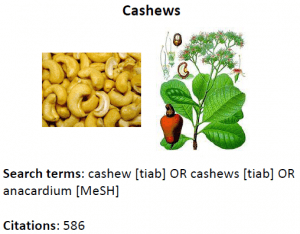
Image 4. Cashews
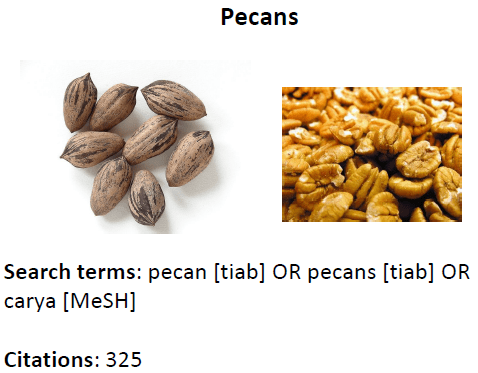
Image 5. Pecans
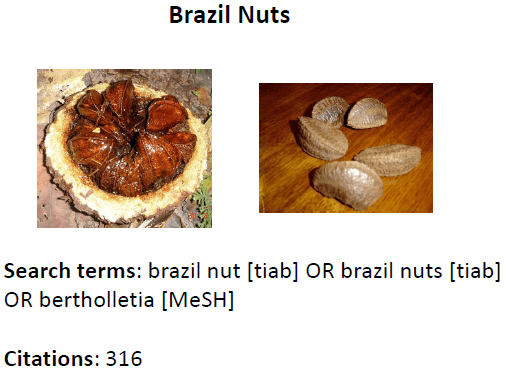
Image 6. Brazil Nuts
Peanuts Are Different!
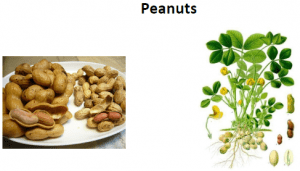
Image 7. Peanuts
Peanuts are a special case. Unlike the other nuts here, they grow on herbaceous plants instead of on trees and, as members of the bean family, they are nutritionally more closely related to beans than to other nuts. There is also a separate MeSH term, Peanut Hypersensitivity, dealing with peanut allergies.
Because peanuts are commonly used as experimental plants, many of the articles about them are not related to nutrition. To focus on nutritional aspects, we suggest incorporating the Diet, Food, and Nutrition explosion into the search:
Newsfeed: Library Field Responds to Orlando http://lj.libraryjournal.com/2016/06/public-services/library-field-responds-to-orlando-tragedy/#_ Statement on the Orlando Shooting from SAA President Dennis Meissner https://offtherecord.archivists.org/2016/06/15/statement-on-the-orlando-shooting/ University of Iowa moving forward with $60M art museum http://www.press-citizen.com/story/news/education/university-of-iowa/2016/06/06/university-iowa-moving-forward-60m-art-museum/85498698/ Engineering the Bike – New […]
African American Newspapers, Series 2, 1835-1956 complements and expands on African American Newspapers, Series 1, 1827-1998. The more than 60 newly available newspapers in Series 2, all written for or by African Americans, enable students and scholars to make new discoveries regarding the lives of African Americans as individuals, an ethnic group and Americans.
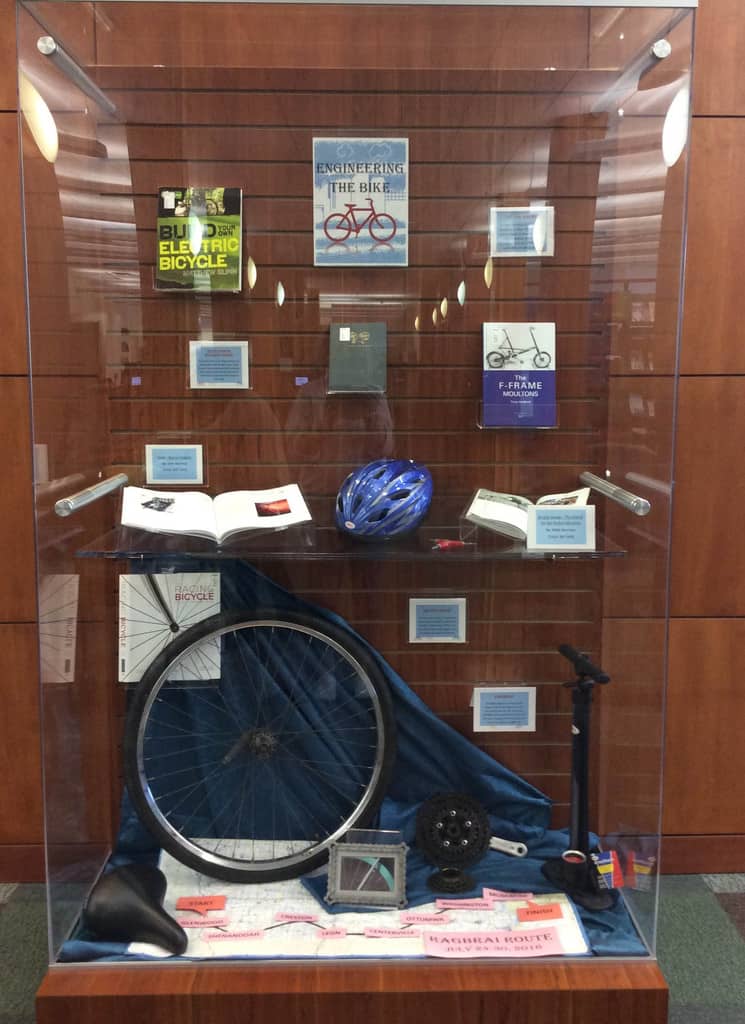
It’s summer! The perfect time to learn about the engineering of the bicycle and we have a new exhibit highlighting bicycles and their engineering!
Do you remember your first bike? And telling your folks “don’t let go” the first time the training wheels came off? Most of us loved the exhilaration and freedom riding a bike brought and didn’t really think about the history and engineering of the bicycle…
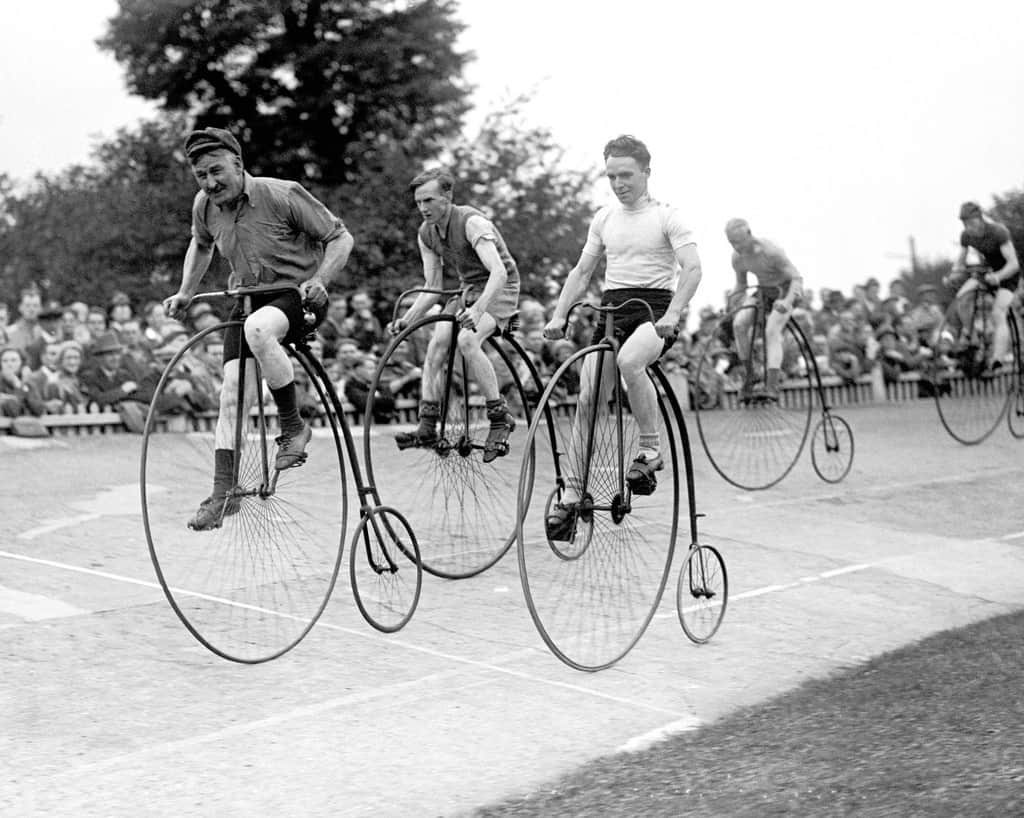
Cycling – Herne Hill – Penny Farthing Race – London – 1932.
The history of the bike begins with the velocipede which was designed after the Napoleonic Wars (1803-1815). From there it developed into the ‘penny farthing,’ to the safety bikes, and then to the bikes we have today. And there are a myriad of types of bicycles today. Not just for pleasure or riding to work, there are many bikes designed for racing and extreme sports. There are road events (i.e. Road Criterium), off-road events (i.e. Cyclo-cross), and track racing (i.e. Olympics).
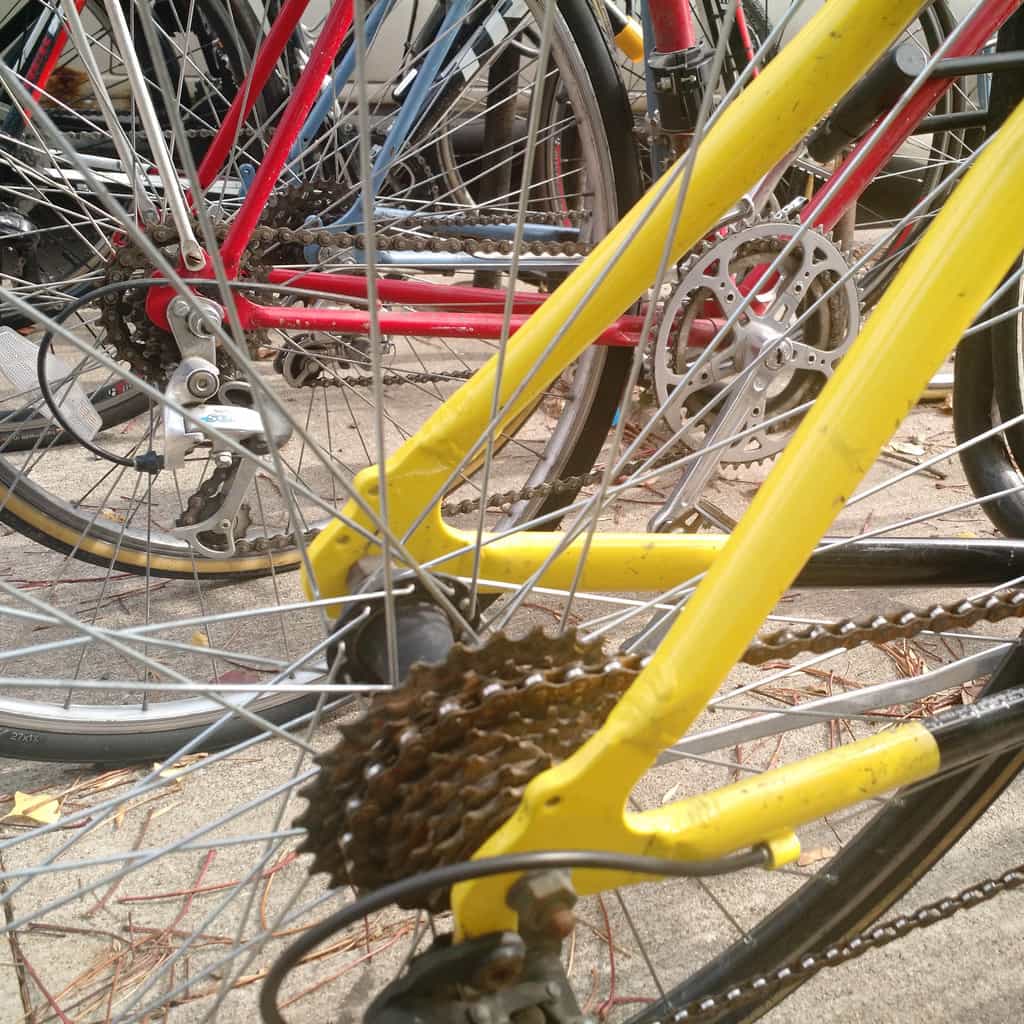
A lot of engineering is involved in designing and creating a bike. Designers look at multiple factors – aerodynamics, the wheel & spokes, tires, balance, ergonomics, and the different material with which to make the body and the tires. Looking at aerodynamics means exploring the shape of the bike and how that affects the air flow and drag. The design of the wheel looks at the width and diameter of the wheel, and the type of spokes. The wheel design and the tires also vary depending on how the bicycle will be used – city streets? Off-road? Tour de France? There are also ergonomic factors – pedal to saddle distance, crank length, saddle to handlebar dimensions…. And the frames – what materials are used – steel, low carbon, chrome moly. Performance bikes often use low alloy steel and chrome moly which meet aviation industry specifications.
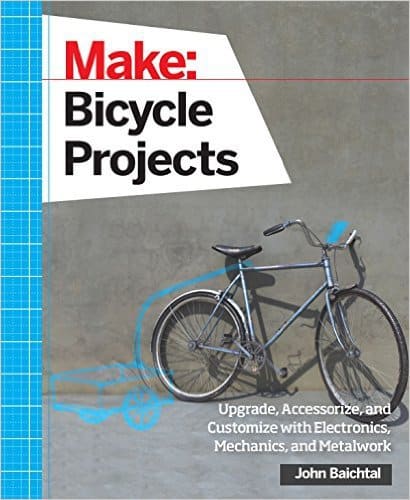
Make: Bicycle Projects. Engin Lib TL410 .B35 2015
Want to try your hand at hacking your bike? Make: Bicycle Projects will help you do just that! It includes everything from a list of what should be included on a bike hacker’s workbench to commercial add-ons, to SpokePOV (Spoke Persistence of Vision). Want a bike that glows in the dark? Or a ‘parade bike’ which has built in speakers? Make : Bicycle Projects will walk you through and help you create your own unique hacks.
Here at the University of Iowa, Steve McGuire, Professor of Metals Arts & 3D Design and Studio Division Coordinator in the School of Art & Art History, has created a handmade bicycle curriculum. The UI is the first academic institution to be selected to exhibit the work of students at the North American Hand Built Bicycle Show. It is the most prestigious venue of its kind internationally. The program was started in 2010, and since then over 70 students have built bicycles and some have gone on to become engineers and craftspeople in the bike industry.
What else is going on locally in the biking environment?
In an article from the May 18, 2016 The Gazette,B.A. Morelli explains how Iowa City and Cedar Rapids are working to make both cities more bike friendly. Iowa City is testing a low-volume and low-speed street that gives priority to cyclists – a bike boulevard. Cedar Rapids has painted green dedicated bike lanes. It has also expanded the use of “supersharrows,” (paint markings are the silhouette bordered by dashed lines that you see painted in the center of the travel lane). Road diets may also be in the future. A road diet squeezed four lanes of traffic into three with the center lane for turning and with bike lanes on each side.
It is hard to live in Iowa and not know about RAGBRAI (the Register’s Annual Great Bicycle Ride Across Iowa) which is now an international event and has 8500 registered riders. Many riders hop in for a leg or two of the ride, so there are more than 8500 riders biking through Iowa during the week-long trek. This year the ride begins in Glenwood and ends in Muscatine. The longest leg of the ride is 75.2 miles and has a total of 3,994 feet of climb!
Iowa City will host the Cyclo-Cross World Cup on September 24, 2016 at the Johnson County Fairgrounds. The event is expected to attract 15,000 spectators and be televised internationally. Iowa City is the second date on the 2016-2017 Cyclo-Cross World Cup circuit.
Iowa City also has a Bike Library. Bikes are donated and then repaired and offered to the public. Bikes are priced with a deposit and checked out for 6-month periods. If the bike is returned in good condition, the deposit is returned. The patron may also choose to keep the bike and forfeit the deposit. They also have “Rent-a-Bench” where you can work on your bike for $5/hour during specified hours. A big thank you to them for donating several of the items in our display!
Graham, Brad; McGowan, Kathy. 2008. Bike, scooter and chopper projects for the evil genius. New York : McGraw-Hill. Engineering Library TL400 .G689 2008
It was all hands on deck yesterday, as staff made boxes for the many items awaiting protective enclosures in the conservation lab. The boxes ranged from the simple 20-point card 4-flap wraps to the more complex, double-walled, fabric covered hinged box.
BrowZine is a library-subscribed resource that makes it easier to read your favorite scholarly journal articles. Almost all the scholarly journals subscribed by the Libraries are available in BrowZine. Think of it as your virtual newsstand for scholarly journals. You can watch a 3-minute video to know more: https://vimeo.com/52663192
BrowZine started as a mobile app, but now its web version has just become available. You can use both of versions or just one.
If you already have BrowZine on your mobile devices and have used the My Bookshelf feature, you will be prompted to create an account to log in. If you have not used the My Bookshelf feature, you will not notice anything different. See below if you also want to start using the desktop version.
For those who are new to BrowZine, below are the steps to get started on your mobile devices and your desktops. Questions? Comments? Email us at lib-hardin@uiowa.edu or call (319) 335-9151.
On Mobile Devices—
Search BrowZine in the app store on iPhone, iPad, Android, or Kindle. Download and install the app.
When prompted, search and select “University of Iowa”.
Log in with your HawkID and password. You only have to do this once.
Now you can search for the journal of your interest or just browse.
When you try to add a journal to My Bookshelf for the first time, you’ll be prompted to create a BrowZine account to log in. Having a BrowZine account will allow seamless synchronization of My Bookshelf across all devices and the web version. BrowZine provides a brief guide to the new syncing function: http://support.thirdiron.com/knowledgebase/articles/855504-my-bookshelf-and-browzine-account-faq
If you are off-campus, you will be prompted for your Hawk ID and password.
Now you can search for the journal of your interest or just browse.
When you try to add a journal to My Bookshelf for the first time, you’ll be prompted to create a BrowZine account to log in. Having a BrowZine account will allow seamless synchronization of My Bookshelf across all devices and the web version. BrowZine provides a brief guide to the new syncing function: http://support.thirdiron.com/knowledgebase/articles/855504-my-bookshelf-and-browzine-account-faq




 Newsfeed: Library Field Responds to Orlando http://lj.libraryjournal.com/2016/06/public-services/library-field-responds-to-orlando-tragedy/#_ Statement on the Orlando Shooting from SAA President Dennis Meissner https://offtherecord.archivists.org/2016/06/15/statement-on-the-orlando-shooting/ University of Iowa moving forward with $60M art museum http://www.press-citizen.com/story/news/education/university-of-iowa/2016/06/06/university-iowa-moving-forward-60m-art-museum/85498698/ Engineering the Bike – New […]