Skip to content
Skip to main content

Earth Day Presentation

Join the Sciences Library to celebrate Earth Day!

Sustainability at the UI: What’s Happening and How You Can Help

3:30 – 4:30 pm on Monday, April 22
102 SL (Sciences Library classroom)

At this presentation, Liz Christiansen, director of the UI Office of Sustainability, will bring us up to date on the many sustainability efforts here at the UI and identify some ways you can help.  Liz will describe some simple changes you can make as an individual to have a positive impact on our environment and identify some campus and community organizations you can join to help save the planet! Sara Scheib, Sciences Research & Instruction Librarian, will identify some sources you can use to find more information about environmental issues.

After the presentation, enjoy some refreshments and browse through the Sciences Library’s new Earth Day exhibit, featuring endangered species specimens from the UI Museum of Natural History.

This event is free and open to the public. If you have questions, please contact Sara Scheib at (319) 335-3024 or sara-scheib@uiowa.edu.

National Rubber Eraser Day

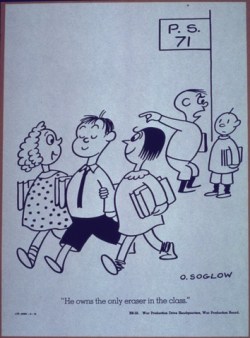
eraserApril 15th Tax Day is when you celebrate this weird and wacky holiday called national Eraser Day.  Office supply geeks, eraser collectors, artists, writers, librarians school children and rubber eraser lovers band together every April 15th to praise this simple product that has done so much for so many.

Since the day Nicolas Conte made the first pencil back in 1795, many have owed a d3ebt to the inventor of the rubber eraser.  Edward Naime, an English Engineer, mistook a cube of rubber for the commonly used piece of bread to get rid of unwanted pencil markings and discovered a new property of rubber.  Since that day erasers have been the bookkeeper’s best friend and the writer’s handmaiden.  To learn more please check out http://www.squidoo.com/eraser-rubber-eraser-day.  http://en.wikipedia.org/wiki/Eraser

eraser 2

Look at this relevant books:  http://ow.ly/k5rpmThe pencil : a history of design and circumstance / 


Happy birthday Leonardo da Vinci

born on April 15, 1452 Leonardo da Vinci was an Italian Renaissance painter, sculptor, architect, musician, mathematician, anatomist, geologist, cartographer, botanist and writer.  He epitomized the Italian Renaissance, a period of great cultural change and achievement that began in Italy during the 14th century and lasted until the 16th century, marking the transition between Medieval and Early Modern Europe.  Leonardo was described as the epitome of a Renaissance man.

Leonardo was born in the Tuscan hill town of Vinci.  He was born out-of-wedlock the son of the wealthy Messer Peiro Fruosino di Antonio da Vince and Caterina, a peasant.  His full name Lionardo di ser Piero da Vinci.  The inclusion of the “ser” meant his father was a gentleman.  The first five years of his life Leonardo spent in the home of his mother, then from 1457 he lived in the household of his father, grandparents and uncle, Francesco, in the small town of Vinci.

At the age of fourteen, Leonardo was apprenticed to the artist Andrea di Cione, known as Verrocchio, whose workshop was supposedly one of the finest in Florence.  Bontticelli along with others is one of the famous painters who studied under Verrocchio.  For more information on Leonardo please read http://en.wikipedia.org/wiki/Leonardo_da_Vinci.

For more in depth study of Leonardo da Vinci  check out these books on the many accomplishments of Leonardo in the Engineering Library: LinkLeonardo Da Vinci’s water theory : on the origin and fate of water ;  The science of Leonardo : inside the mind of the great genius of the Renaissance. The machines of Leonardo da Vinci and Franz Reuleaux : kinematics of machines from the Renaissance to the 20th century .

Keep current with a free workshop at Hardin on April 18th

Want to know as soon as an exciting new article is published?  Tired of skimming the websites or paper copies of multiple journals to see what is in the new issue?  This hands-on session will show you how to create a single destination for information from your favorite journals, databases, websites and blogs using RSS feeds and auto-alerts.

Our next session is:

Thursday, April 18th, 11:00am-12:00pm (Location: East Information Commons).

Register online for this or any of our other classes: http://www.lib.uiowa.edu/hardin/regform.html .

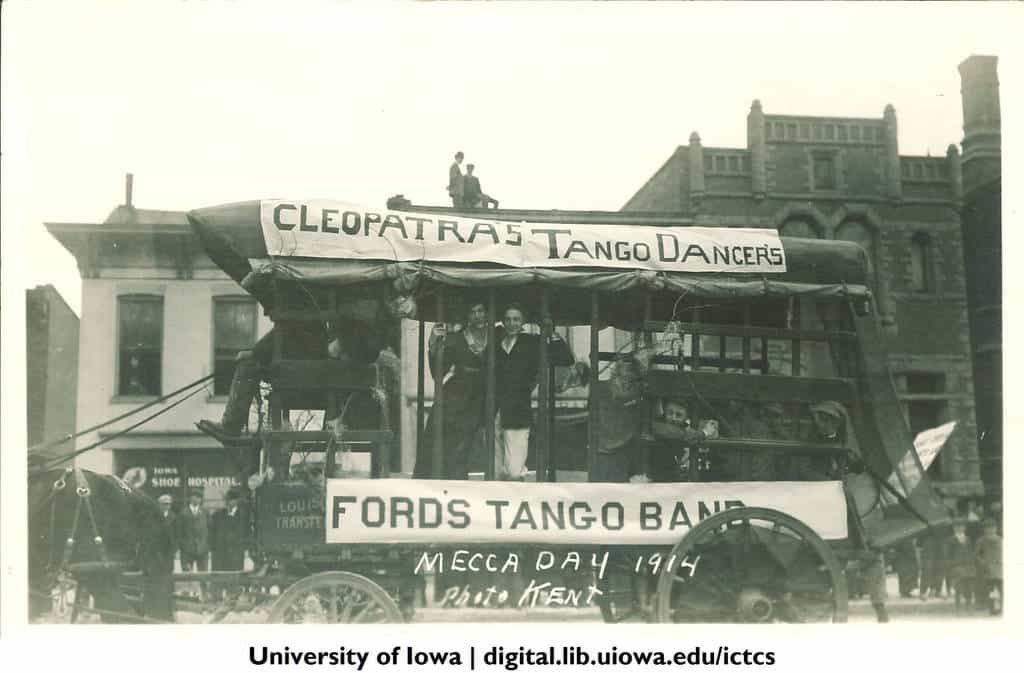
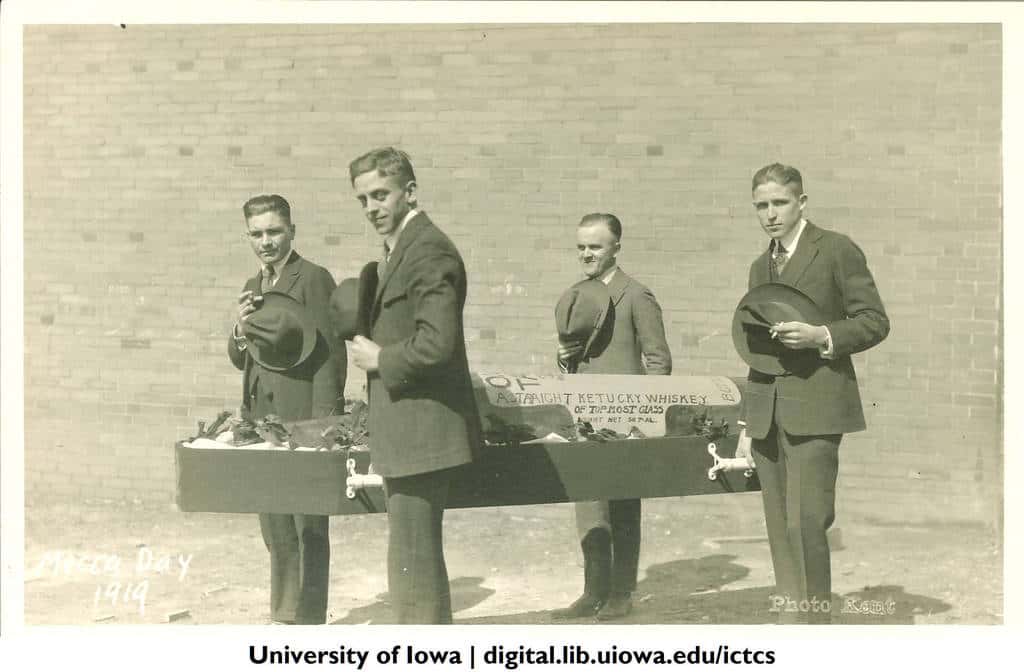
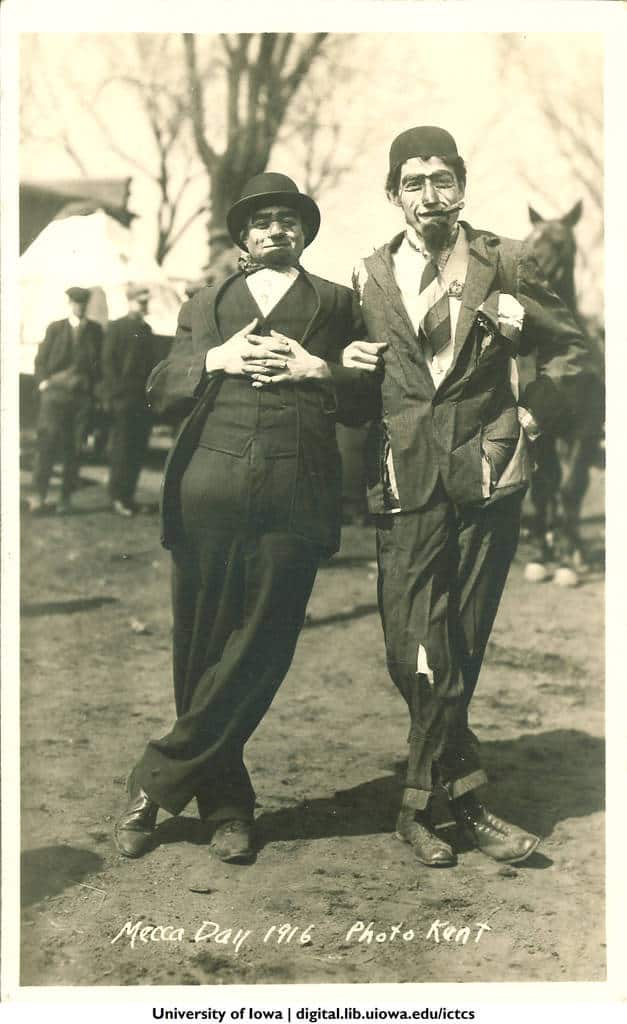
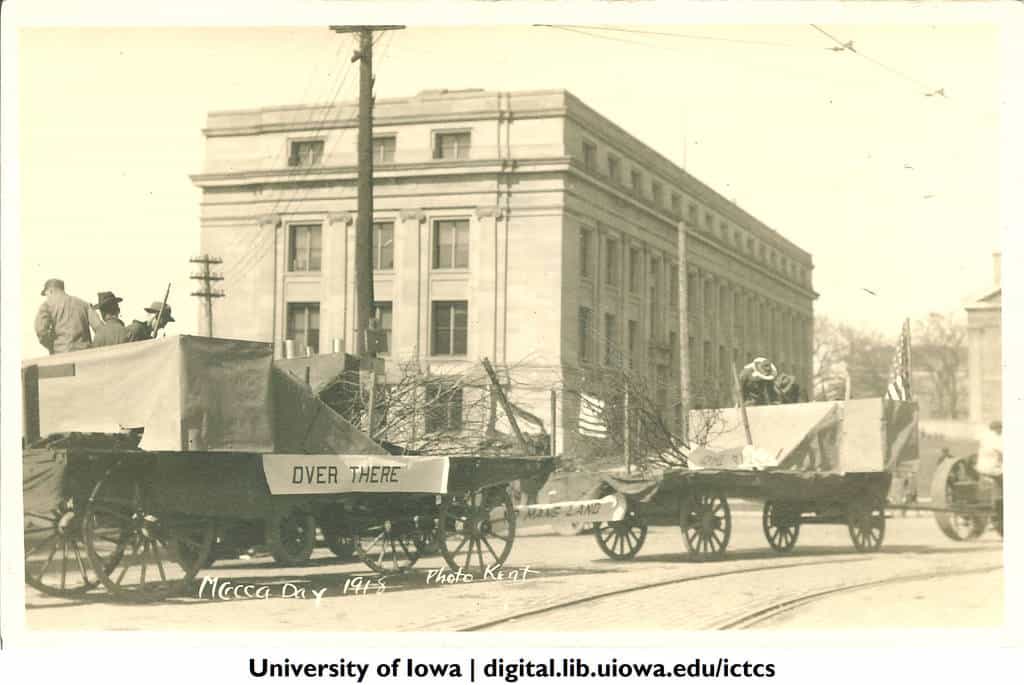
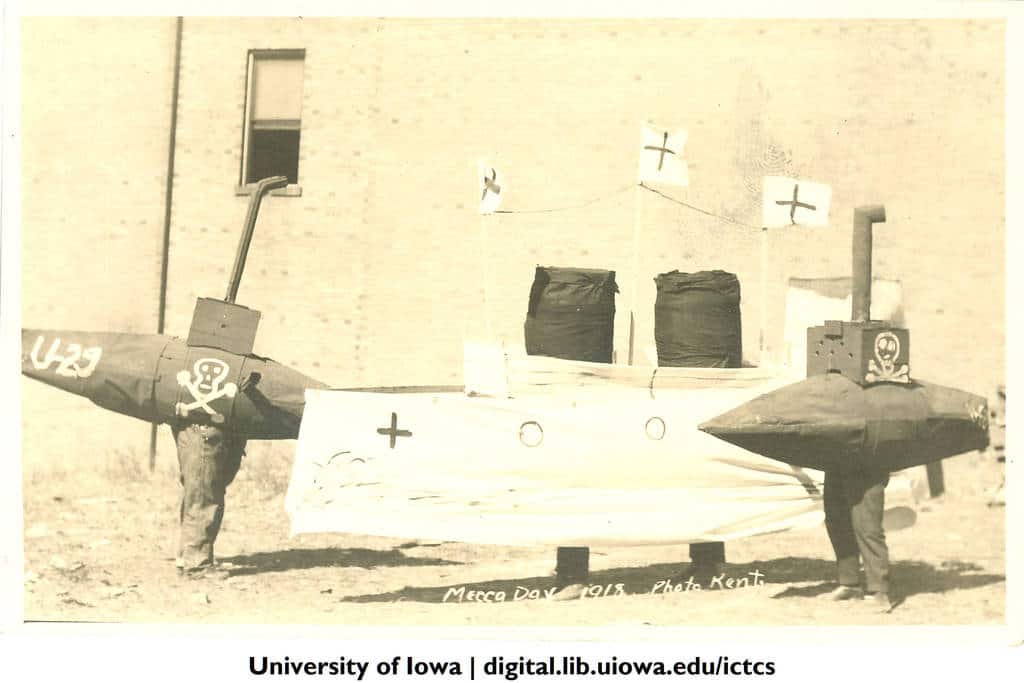
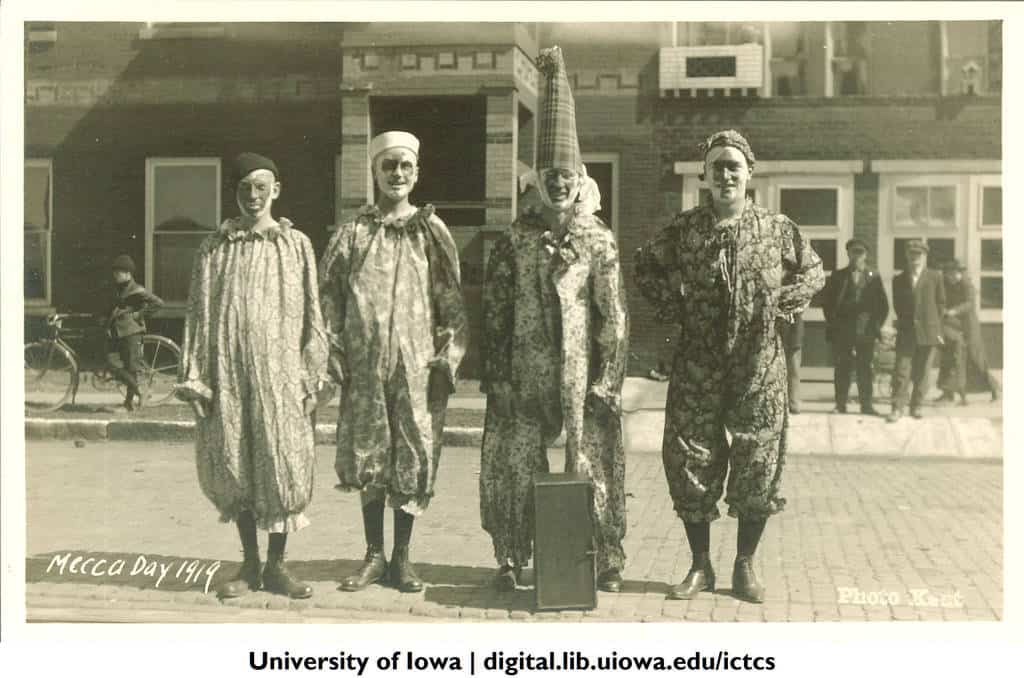
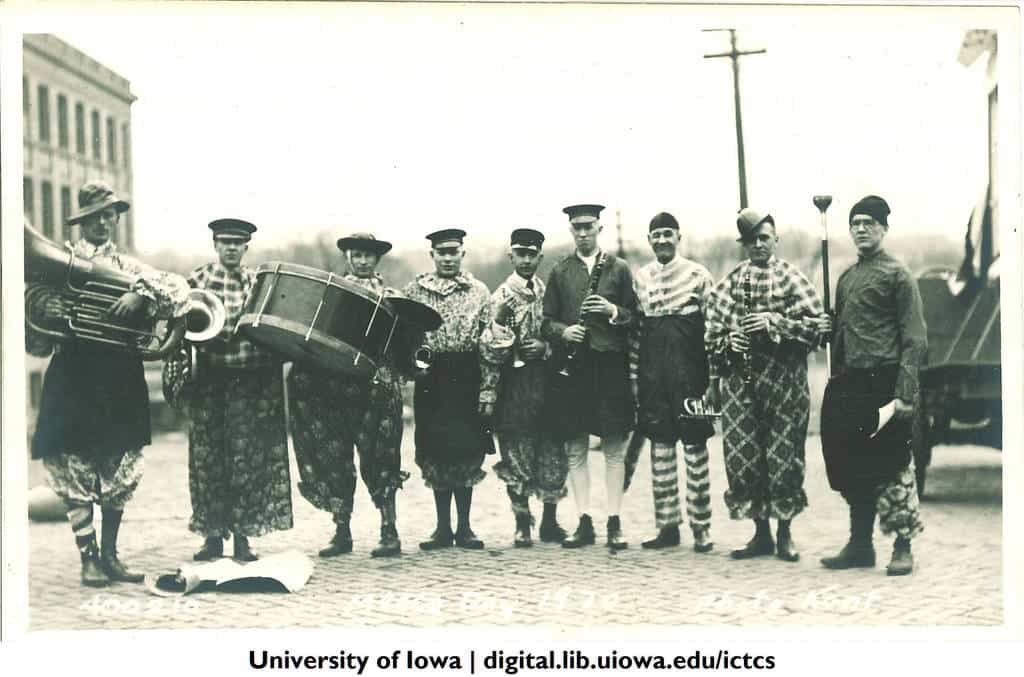
The MECCA Exhibit

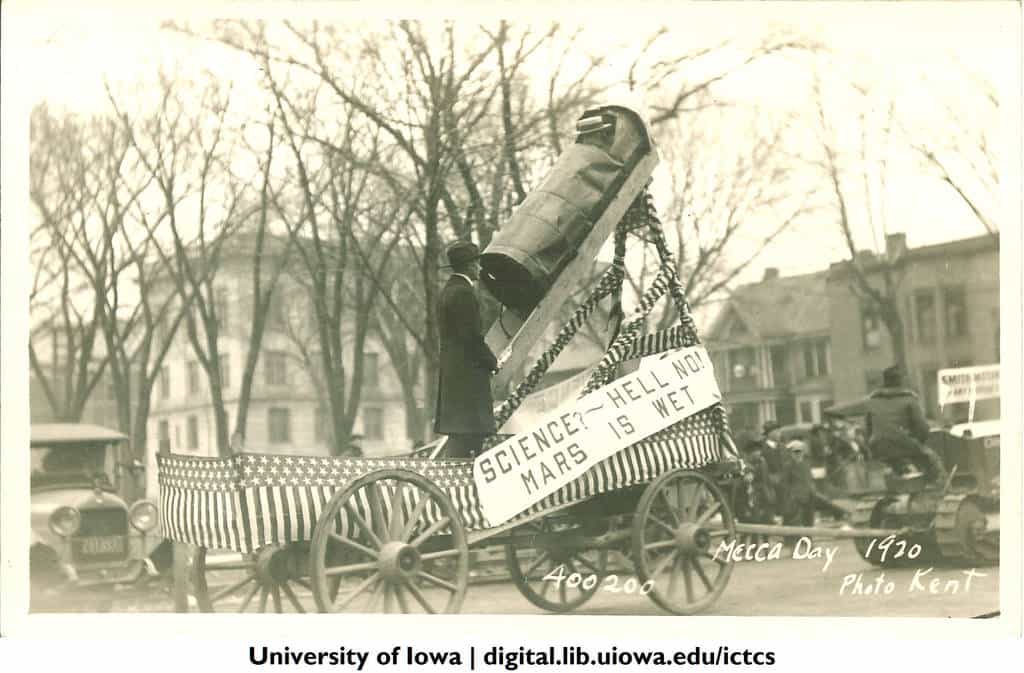
check out the Engineering Library’s MECCA exhibit an Engineering celebration very popular from the 1920-1970 celebrated with parades, long beard contests, finding and kissing the Blarney stone by upper classman.  The Blarney stone imported from Ireland was lost for 27 years.

Some pictures from parades and events from political statements having to do with the war and thoughts about science with captions like “Science?–HELL NO! Mars is wet.”  To floates that were meant to be fun.

ea0973a_Frontjpg ea0982a_Frontjpg ea0995a_Frontjpg ea0997a_Frontjpg ea1030a_Frontjpg ea1049a_Frontjpg ea1056a_Frontjpg ea1064a_Frontjpg ea1065a_Frontjpg ea1088a_Frontjpg ea1097a_Frontjpg  years and had to be replaced by a facsimile.

A fly and a ship

Whenever a fly alights on an ocean liner of about 35000 tons, the ship tends to sink lower in the water by one tenth of the thickness of an atom (0.1 A) – this can be measured at present by means of an electrostatic capacity meter.  If the fly lands on the handrail, say 15 meters (17 yards) from the center line of the ship, the resulting downward deflection of the ship on the same side will be about 20 times greater (unless the vessel is efficiently stabilized).  In fact, it is not even necessary for the fly to touch the ship at all.  If it merely hovers just above the deck, the vertical pressure of the airstream generated by its wings will have practically the same effect on the ship.  So I ask you could a fly sink a ship?  Check out these books at the Engineering Library:  LinkJ.P. Morgan and the Transportation Kings : the Titanic and other disasters;  American canopy : trees, forests, and the making of a nation; LinkHandbook of marine craft hydrodynamics and motion control; LinkThe wave : in pursuit of the rogues, freaks, and giants of the ocean


Workshop: Staying Current

How do you keep up with the news and research in your field? Would you like to learn how to use technology to find new information for you? Join us for a Staying Current workshop and learn how to use RSS feeds and other alert options to keep up with blog posts, news and scholarly articles.

Lunch @ the Sciences Library
Staying Current
11:30 am – 12:20 pm, Wednesday, April 17th
102 SL (Sciences Library Classroom)

In this workshop, you will learn how to:

  • Use an RSS Reader to keep up with blog posts and news articles;
  • Use Google Alerts to monitor the web for relevant information;
  • Use Saved Searches in various research databases to keep up with scholarly communications;
  • Use Citation Alerts in Web of Science or Scopus to monitor your citations;
  • Use Journal Table of Contents Alerts to keep up with your favorite journals.

This workshop is free and open to all UI students, faculty and staff. There is no need to register. You may bring your lunch if desired. Free coffee will be provided. If you have any questions, please contact Sara Scheib at sara-scheib@uiowa.edu or (319) 335-3024.

Madison Street entrance construction to begin next week

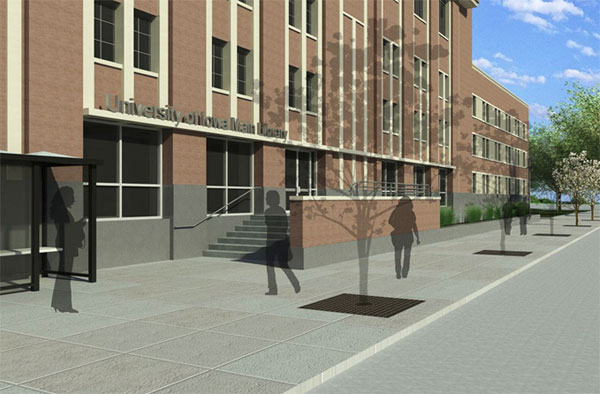
ML_MadisonStreetWithin the next week work will begin constructing the new entrance to the library and learning commons on Madison Street.

Because of this, Madison Street will be reduced to two lanes. At this time we are not sure how long Madison St. will be affected by this project.

When the Learning Commons opens there will be three entrances to the building: North and South as well as the new entrance on Madison St.

Iskusstvo Kino – Trial ended 28 May 2013

Iskusstvo Kino, established in 1931, is the leading journal of Russian, and formerly Soviet, cinema. Iskusstvo kino includes critical reviews of both domestic and foreign film, as well as scholarly articles on cinematic theory and history as well as the Russian culture and arts scene. It was first published under title Proletarskoe kino(1931-1932), then Sovetskoe kino(1933-1935), and finally under the present name (since 1936).

Production of the Iskusstvo Kino Digital Archive is currently underway, and content will be continuously added to this resource for several weeks during the pre-publication period. Thank you for your understanding.
Publication of Iskusstvo kino was suspended in 1942-1943, and no issues were produced. The lack of database content for this period is not a gap, but reflects the publication schedule during these challenging years.

Please send additional comments to Ericka Raber.