Skip to content
Skip to main content

Notes from the John Martin Rare Book Room, 2014

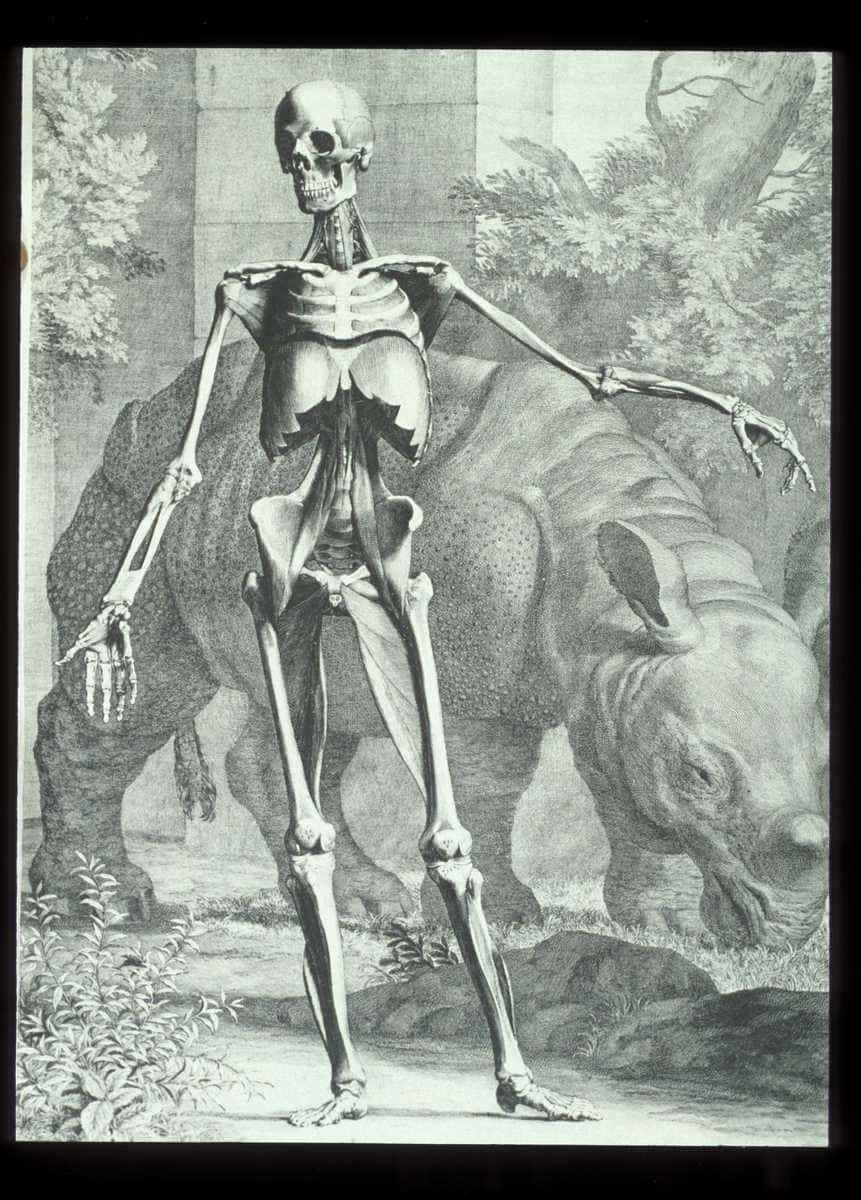
BERNHARD SIEGFRIED ALBINUS (1697-1770). Tabulae sceleti et musculorum corporis humani. Leiden:  1747

This work is perhaps the most monumental and finest anatomical atlas ever published. The plates, although probably derived from Vesalius, were drawn with painstaking accuracy by Wandelaer and are dated between 1739 and 1747. Albinus described in his preface the methods used in the drawing of the skeletons and “muscle men” to achieve symmetry and beauty in each figure. All of the skeletons and “muscle men” have lush background scenes taken from nature which were chosen to animate the figures and emphasize the harmonious and natural beauty of the human body. The first three plates of the skeleton are each accompanied by outline plates. The following nine plates of the “muscle men” also have an additional outline plate. The final sixteen plates represent individual muscles and parts of muscles and each of the many figures is supplied with an outline drawing unless the letters are engraved directly on the finished figures.
Albinus-832-tab. IV-001

Need help managing your citations? Want to assess your scholarly impact? We can help you.

All of Hardin’s regular workshops are also available as personalized sessions by appointment.

See our complete list and request a personal session here:  http://www.lib.uiowa.edu/hardin/classesform/

Here are two featured workshops:

Learn how to use tools such as Ulrich’s, Journal Citation Reports, Web of Sciences, and Scopus to determine the impact that journals, articles, and authors have had on a particular field. Impact factors, Eigenfactors, and H-indices can also be covered.

Learn about the basic features of common citation management tools and discover which one is most appropriate for your needs. Compare 4 tools: RefWorks, Endnote, Mendeley, and Zotero and figure out which one will work best for you.

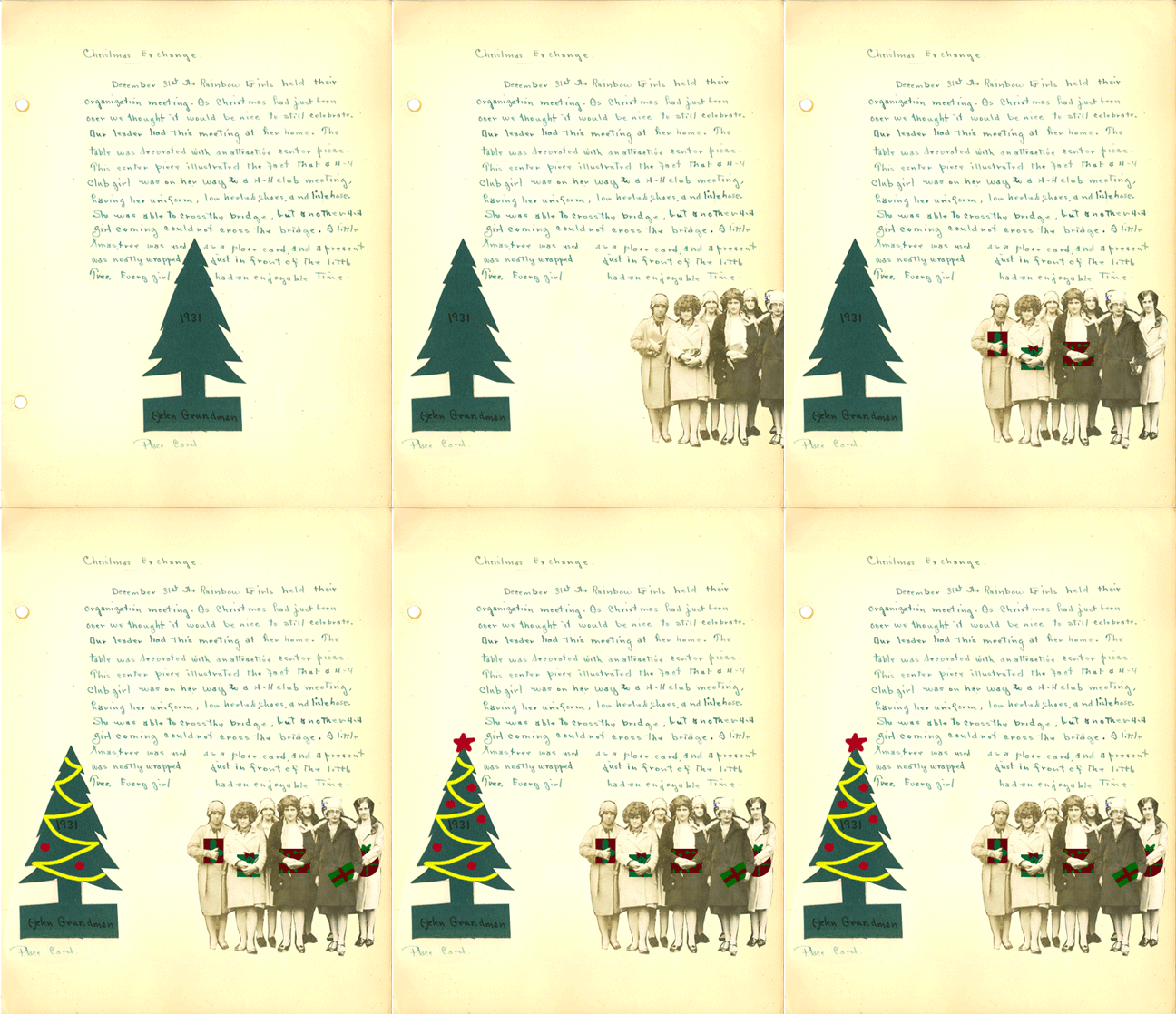
Wishing you an animated holiday

Featuring images from Helen Grundman 4-H scrapbook, 1928-1932

Animated gif featuring Helen Grundman 4-H scrapbook, 1928-1932 | Iowa Women’s Archives

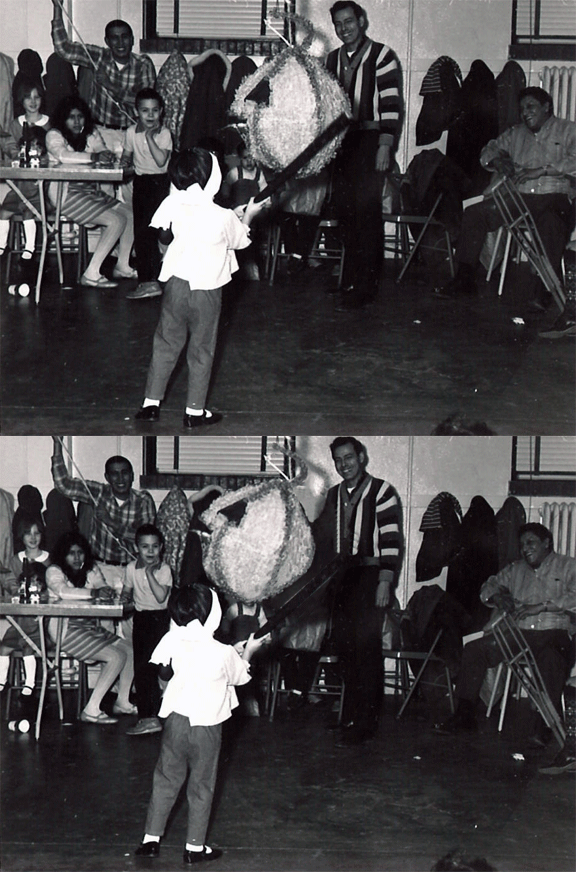
LULAC Christmas party, Davenport, Iowa, early 1960s

Animated gif featuring LULAC Christmas party photo, Davenport, Iowa, early 1960s | Iowa Women’s Archives

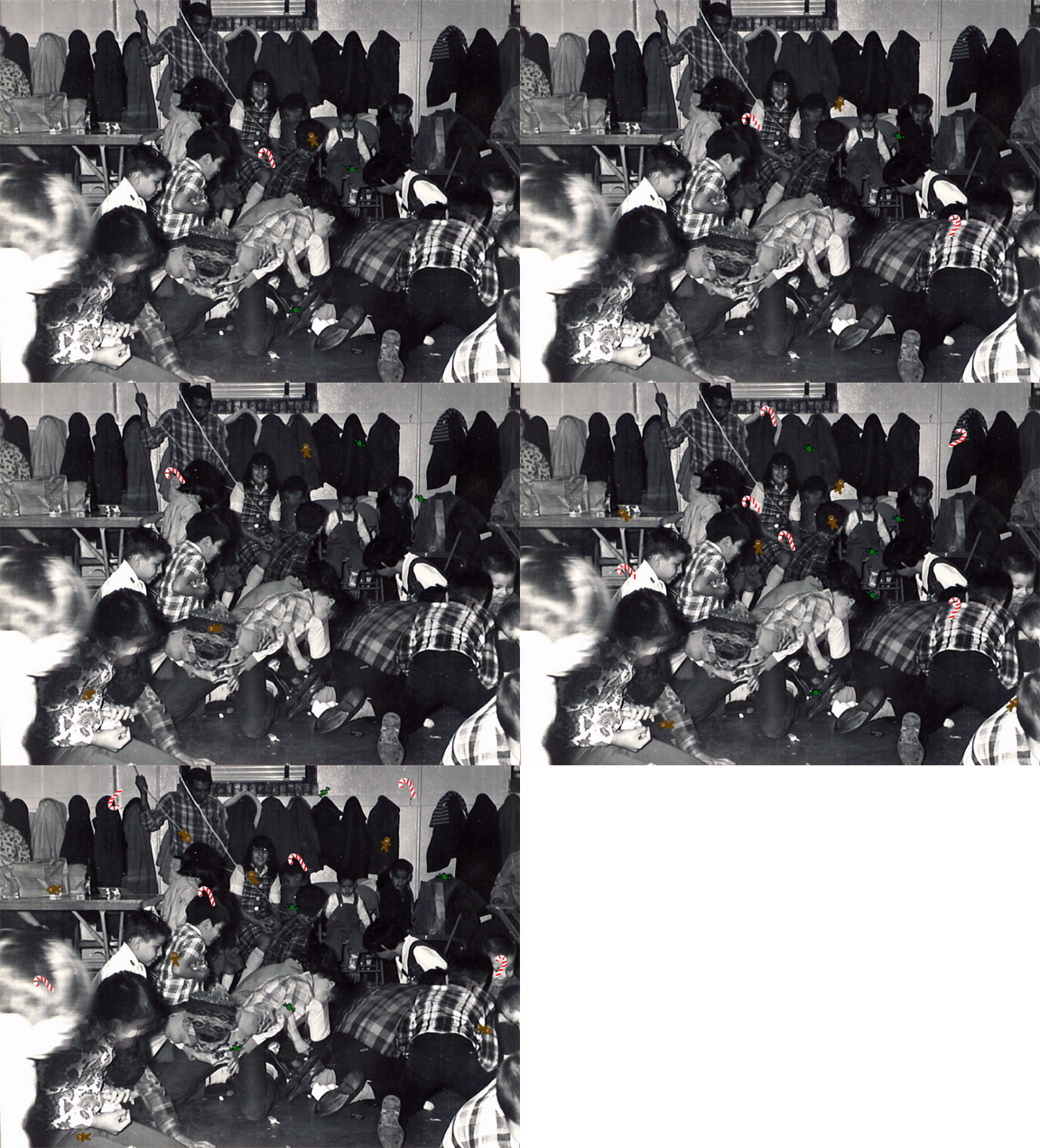
LULAC Christmas party, Davenport, Iowa, early 1960s

Animated gif featuring LULAC Christmas party photo, Davenport, Iowa, early 1960s | Iowa Women’s Archives

The big story at the Libraries this year has been our Special Collections department’s ascendancy to social media superstardom. Here in Digital Research & Publishing, we’re happy to hook our wagon to that stardom for promoting the Libraries’ digital initiatives to the 18,000 (and counting!) followers at the UISpecColl Tumblr, and to loan our multimedia expertise to film and edit their YouTube video series. Here’s to even more public engagement success in 2014!

Digital projects featured on Tumblr:

Hardin’s Winter Hours

Saturday, December 21 10:00 am – 2:00 pm
Sunday, December 22 12:00 – 4:00 pm
Monday, December 23 7:30 am – 6:00 pm
Tuesday, December 24 CLOSED
Wednesday, December 25 CLOSED
Thursday – Friday, December 26 – 27 7:30 am – 6:00 pm
Saturday, December 28 CLOSED
Sunday, December 29 CLOSED
Monday – Tuesday, December 30 – 31 7:30 am – 6:00 pm
Wednesday, January 1 CLOSED
Thursday – Friday, January 2 – 3 7:30 am – 6:00 pm
Saturday, January 4 10:00 am – 2:00 pm
Sunday, January 5 10:00 am – 4:00 pm
Monday – Thursday, January 6-9 Winter 1 hours begin

Well Finals Are Almost Over And The Holidays Are About To Begin!

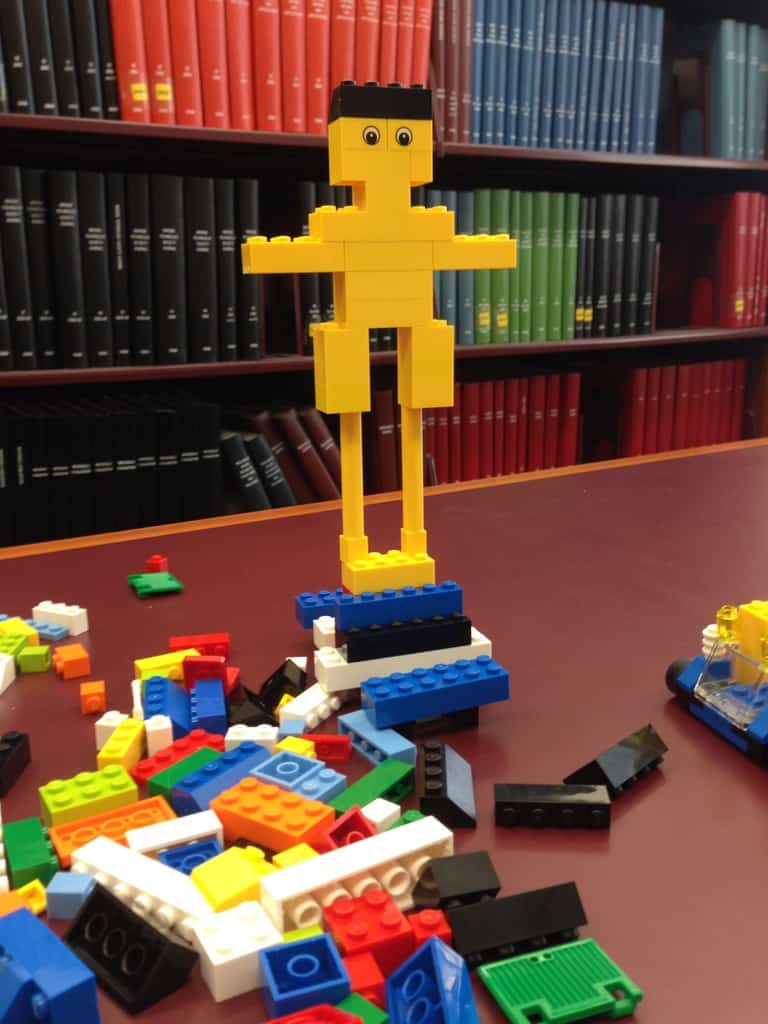
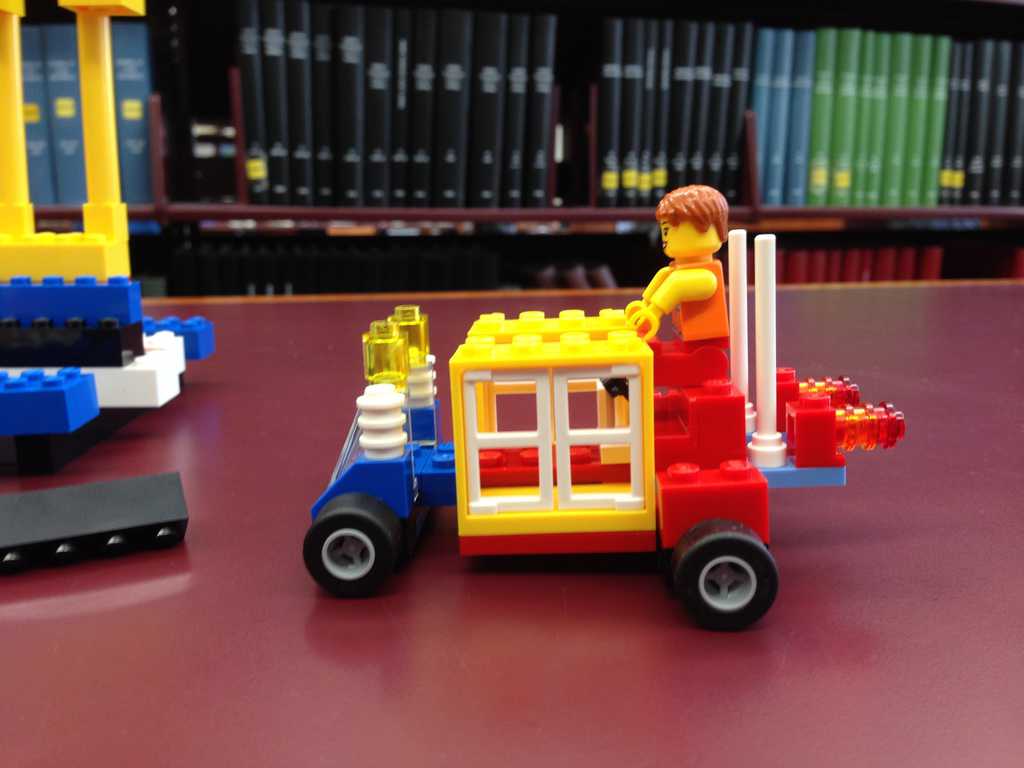
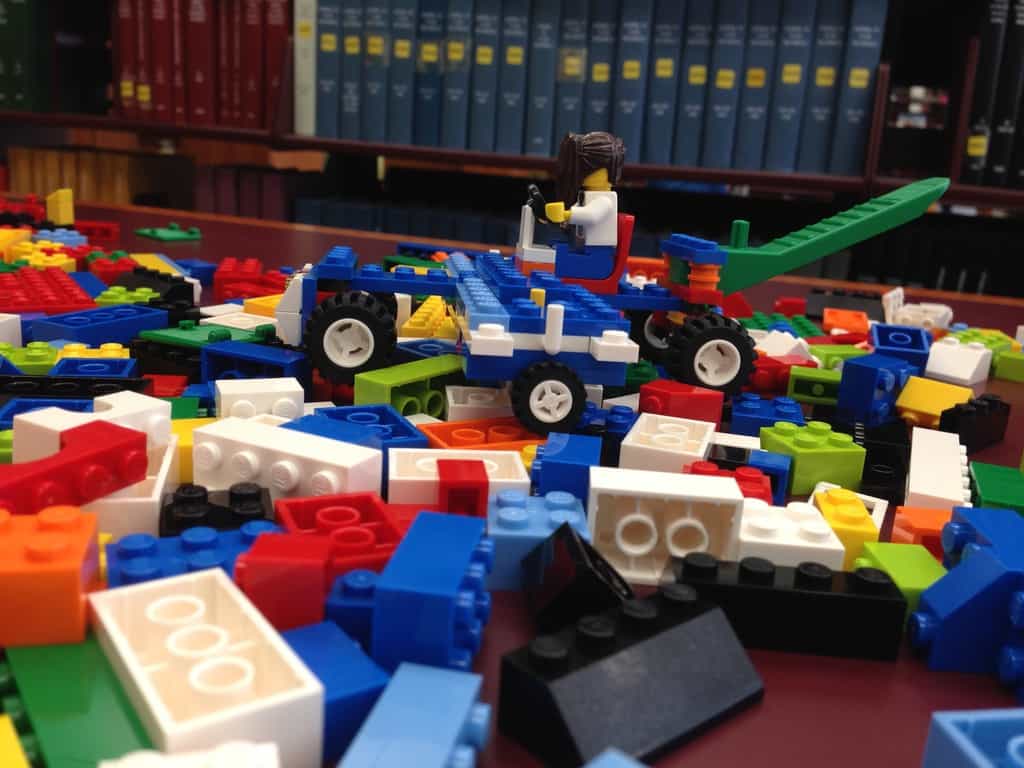
I hope you did and are doing well with finals and enjoyed the hot coffee, cocoa and cider served at the Engineering Library to help you keep awake during these grueling sessions.  In between exams I saw some of you putting together the LEGO blocks and it looked like you were having fun!  The LEGO blocks were for you from Kari Kozak head of the Library, Lego image from engineering 1 lego picture from engin 3 Lego picture from engin.2

here are some of your LEGO creations.

Did you enjoy the LEGO exhibit in our exhibit case while taking a break from exams?

Now for some facts about holidays which I took from Wikipedia;

For constitutional reasons, the United States does not have national holidays in the sense that most other nations do, i.e. days on which all businesses are closed by law and employees have a day off.[1] Pursuant to the Tenth Amendment, theU.S. federal government only has constitutional jurisdiction to establish holidays for itself, for certain federally chartered and regulated businesses (such as federal banks), and for the District of Columbia; and pursuant to the First Amendment, neither federal, state nor local government can require any business (other than those mentioned) or individual to observe any holiday. Otherwise, constitutional authority to create public holidays is a power reserved to the states. Most states also allow local jurisdictions (cities, villages, etc.) to establish their own local holidays.

As of 2012, there are eleven federal holidays in the United States, ten annual holidays and one quadrennial holiday (Inauguration Day).[2] Pursuant to the Uniform Monday Holiday Act of 1968 (effective 1971), official holidays are observed on a Monday, except for New Year’s DayIndependence DayVeterans DayThanksgiving, and Christmas.[ 

If you’re interested in more information about holidays? you will find it at this site http://en.wikipedia.org/wiki/Holidays_of_the_United_States.  But if you’d rather not be too serious about anything being on the verge of finishing exams here something more fun to read:  http://www.baltimoresun.com/features/bal-artslife-holiday-trivia,0,5910159.triviaquiz#ixzz2nw86F4Nh


Notes from the John Martin Rare Book Room, December 2013

Notes from the John Martin Rare Book Room, December, 2013

JOHANN CASPAR LAVATER (1741-1801). Essai sur la physiogno-monie : destiné à faire connoître l’homme… 4 vol. 1781[-1786].

Lavater was born in Zürich; he was a poet and a physiognomist. His name would be forgotten but for his work in the field of physiognomy. The fame of his book, which found admirers in France, England as well as Germany, rests largely upon the handsome style of publication and the accompanying illustrations.

The two principal sources from which Lavater de-veloped his physiognomical studies were the writings of the Italian polymath Giambattista della Porta, and the observations of Sir Thomas Browne in his Religio Medici. This pseudo-scientific analysis of the human face, and all the feelings it is capable of expression, was partially written by Goethe, a leading expert in craniology. To defend the science of physiognomy, Lavater drew upon the work of Haller, Herber, Leibnitz and Sulzer.

Although this work remains controversial, it is highly valued for its superb engraved illustrations. There are numerous portraits of famous writers, artists, musicians, scientists, and contemporary personages including Goethe, Samuel Johnson, Locke, George Washington, Voltaire, Heidegger, Wren, Diderot, Isaac Newton, and Johann Sebastian Bach.

JOHANN CASPAR LAVATER (1741-1801). Essai sur la physiognomonie

Dictionary of American Regional English (DARE) – Trial ended 14 February 2014

The Dictionary of American Regional English (DARE)—representing the full panoply of American regional vocabulary, from Adam’s housecat to Zydeco—has long been consulted by a wide range of scholars and lovers of language and regional nuance. This digital version transforms the dictionary into an interactive, multimedia tool that will greatly benefit both scholarly inquiry and general intellectual curiosity.

Please send additional comments to Stephen Sturgeon.

Nobel Laureate Participates in a Reddit Ask Me Anything

Randy Schekman, a co-recipient of the 2013 Nobel Prize in Physiology or Medicine, participated in an “Ask Me Anything” (AMA) session on Reddit this weekend. Schekman, a Cell Biologist at the University of California, Berkeley, was jointly awarded a Nobel Prize for his work in understanding the transport mechanisms involved in the export of proteins from cells. Last week, he authored an editorial in the Guardian that accused the practices of journals like Cell, Nature, and Science of distorting science and has been the subject of both criticism and praise in the scholarly publishing world.

In his editorial, Schekman specifically calls out Cell, Nature, and Science (C/N/S) who are among the most prestigious journals in the biological and medical sciences.

“These journals aggressively curate their brands, in ways more conducive to selling subscriptions than to stimulating the most important research. Like fashion designers who create limited-edition handbags or suits, they know scarcity stokes demand, so they artificially restrict the number of papers they accept.” [Source]

From the Reddit AMA, the focus of Schekman’s criticism of C/N/S is the artificial restriction of publishing only the papers that fit in the print run of these journals. “Why should we have such a limitation in the 21st century?” he asks. Schekman marks this practice as a distinguishing characteristic of a “luxury” journal as well as the use of a professional editorial staff rather than working scientists in the field. This combination of management priorities, Schekman argues, distorts scientific discourse by emphasizing fashionable topics at the expense of good science.

Schekman is a supporter of the open access movement and is the Editor-in-Chief of eLife, an open access journal of life sciences papers. His boycott of C/N/S has drawn criticism for his eLife affiliation and his previous 46 publications in these journals.  [Read the AMA here]

UI Libraries Join Knowledge Unlatched to Support Open Access Books in the Humanities and Social Sciences

The University of Iowa Libraries has signed up to support Knowledge Unlatched, a collaborative initiative to make scholarly books in the humanities and social sciences available open access. Knowledge Unlatched uses a model that brings library funds together to a set of books that academic publishers have agreed to make open access with a Creative Commons license.

Open-access (OA) literature is digital, online, free of charge, and free of most copyright and licensing restrictions. -Peter Suber [source]

The first collection of books in this pilot collection cover History, Political Science, Literary Studies, Anthropology and Communications  [The full title list is here]. This project is the first of its kind and is expected to pave the way for more scholarly books to be freely available online without the usual licensing restrictions of eBooks. If 200 libraries sign up by January 31st, these books will be “unlatched” and future collections will be expected to emerge in 2014.