 Newsfeed: Tom Brokaw’s ‘stuff’ in Iowa is a window into his life. Kyle Munson, Des Moines Register. http://www.desmoinesregister.com/story/news/local/columnists/kyle-munson/2017/04/10/tom-brokaws-stuff-iowa-window-into-his-life/99805406/ Upcoming Events: Final Mellon Sawyer Lecture Friday, April 28. 8:30AM-2:30PM Marina Rustow “Fatimid State […]
Historically Yours Podcast Episode 2: Heroic Deeds with Liz Riordan
 Historically Yours is brought to you by the wacky folks who wander in and out of the University of Iowa Special Collections. Your host is Colleen Theisen, today’s guest is […]
April Showers Bring Umbrellas – New Exhibit!
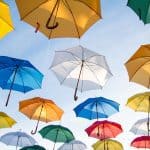
April Showers Bring May Flowers!
And Umbrellas!
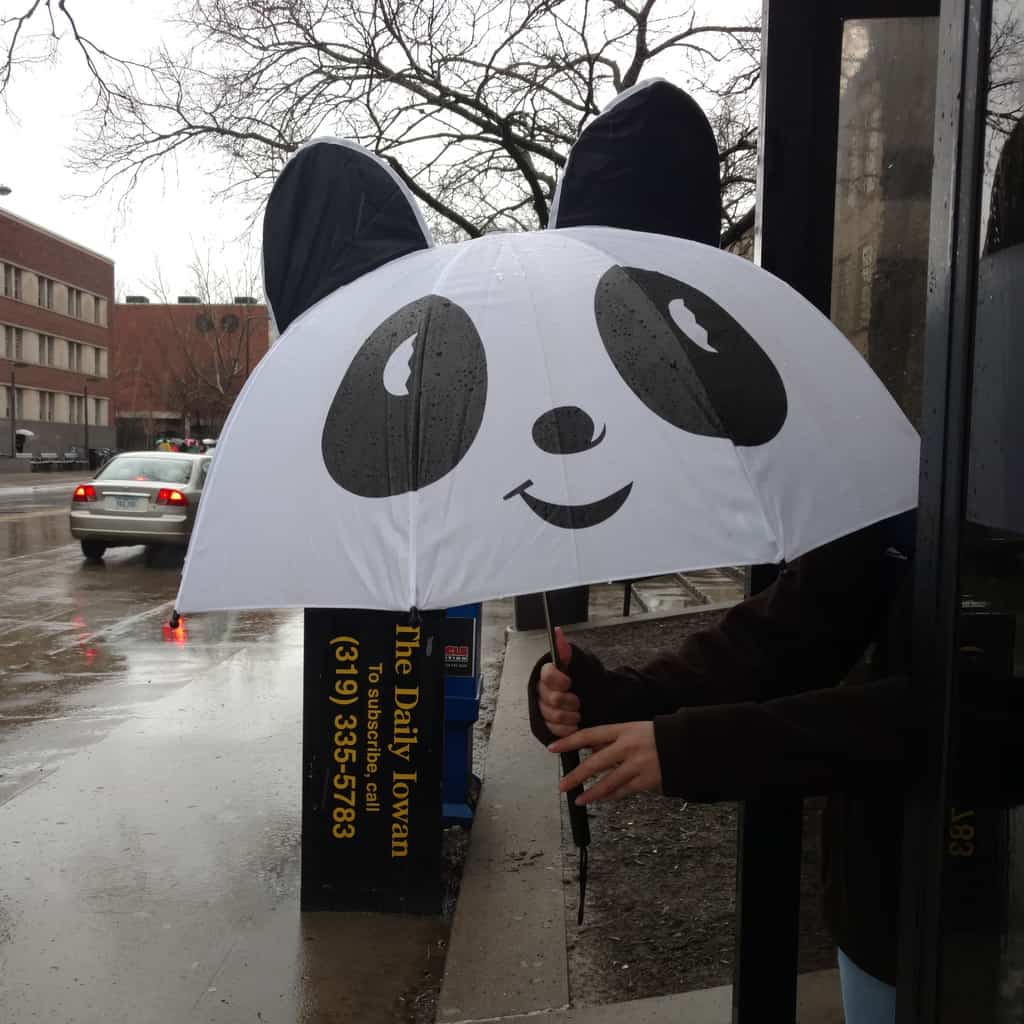
Panda umbrella, Iowa City, April 5, 2017
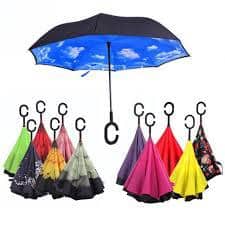
Do you know how many types of umbrellas there are now? Not just the ‘normal’ umbrella with the hooked handle, the umbrella that opens and closes at the touch of a button, or the umbrella that is small enough to fit in a pocket or bag…. Now there are umbrellas that forecast the rain and have a geolocator so you don’t ever lose it, umbrellas that will play videos on the underside of the dome, umbrellas that change color with the rain, umbrellas with wind vents, umbrellas that open “upside down,” even a mister-equipped umbrella designed to protect from precipitation, from the sun and harmful UV rays and also allows the user to activate a mist head to help cool off on hot, sunny days. And, the list goes on…. Curious about how many patents there are for umbrellas? Go to our Patents Guide and use any of the “Where to Search” links to explore and see what is out there – and when the patents were filed!
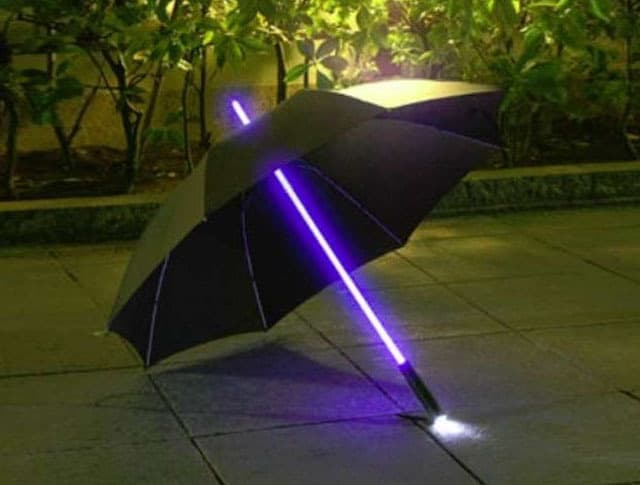
Light Saber Umbrella
Suprella Umbrella
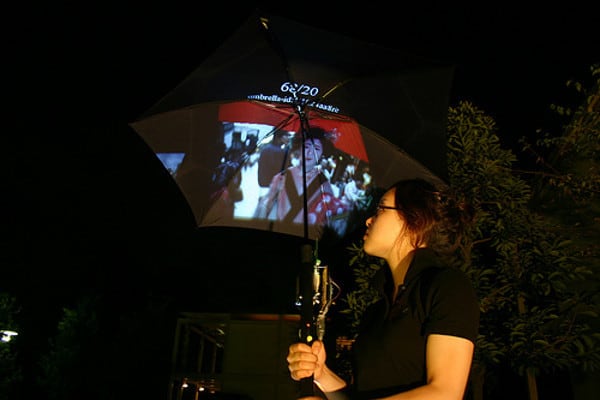
Pileus, the Internet Umbrella
Umbrellas, parasols, bumbershoots, brollys, parapluie – you may hear any of those in reference to the “umbrella.” We often think of Britain when we hear “bumbershoot,” but in a Slate article, author Ben Yagoda notes that the Oxford English Dictionary identifies the term as “originally and chiefly U.S. slang.” Brolly, however, is a British term for umbrella and parapluie is French. You may also hear the term “gamp” used for umbrella – it comes from the Charles Dickens character Mrs. Gamp who always carried an umbrella.
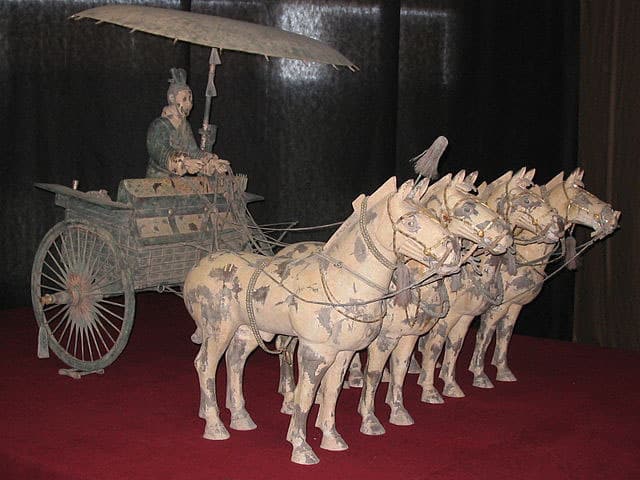
A Terracotta Army carriage with an umbrella securely fixed to the side, from Qin Shihuang’s tomb, c. 210 BC
Umbrellas have been around a long time. There are written records referencing a collapsible umbrella in the year 21 AD and a Terracotta Army carriage from c. 210 BC had an umbrella fixed to the side.
Evidence of the existence of the umbrella has also been found in the Middle East, ancient Egypt, ancient Greece, ancient Rome and ancient India. Some believe that umbrellas – probably made of palm leaves – date back to the earliest human civilization.

A parasol is generally used to provide shade from the sun and the umbrella is coated – often with Teflon – to protect from rain. In Japan, however, there are waterproof paper umbrellas, referred to as “Wagasa.” These umbrellas are made by steeping strong Japanese paper in oil, making it waterproof! The word ‘umbrella’ comes from the Latin word ‘umbros,’ which means shade or shadow. Umbrellas and parasols are not only associated with protection from the elements. They have been adopted and used in religious ceremonies and rites, as light reflectors in photography, and then there are the little drink umbrellas….
Umbrellas aren’t just used for protection from the elements, they may also be used as security protection! French President Nicolas Sarkozy was the first to use a Kevlar-coated umbrella for security purposes. Offensively, the shaft may be used to hide a blade and in 1978, Bulagrian President Georgi Markov was assassinated by a KGB agent who carried a deadly poison in his modified umbrella!
There are many superstitions surrounding umbrellas – the most well-known, perhaps – never open an umbrella indoors. It is believed that superstition came from ancient times when umbrellas were used only by royalty and “…designed to mimic the goddess who formed the sky, [so] their shade was sacred…” (How Stuff Works : Culture). That superstition also is sound advice – opening an umbrella indoors can be hazardous to people and/or fragile items that are in the vicinity… Studies have been done about the ways in which people ‘reverse’ the bad luck. It is believed that rituals which involve the person performing an avoidance action – i.e. knocking on wood, throwing salt – are ‘pushing away bad luck.’
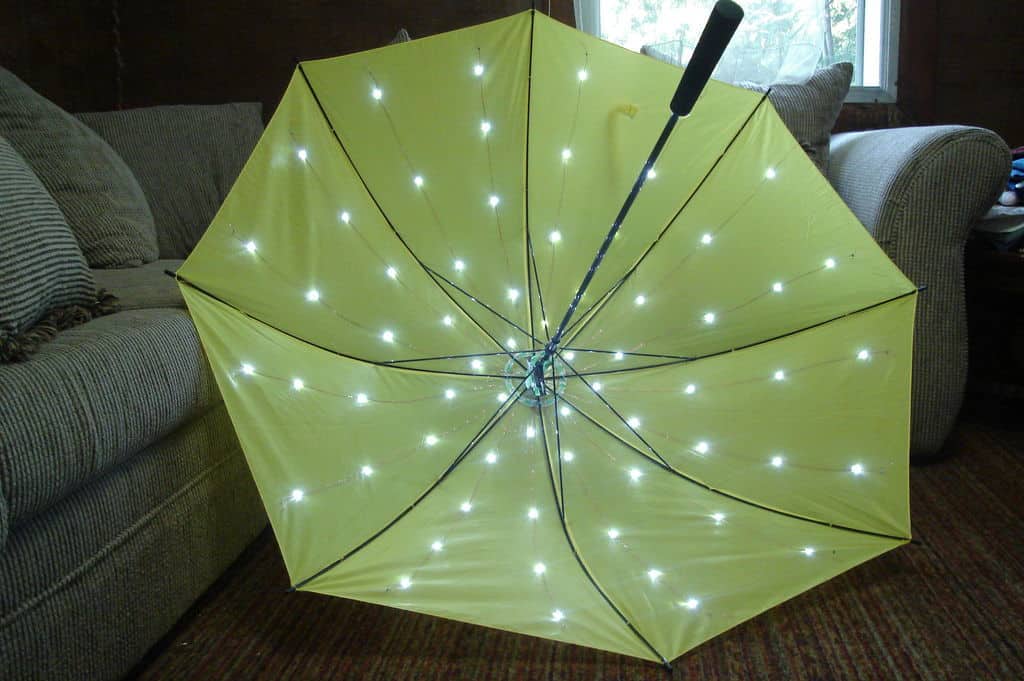
Interested in a DIY project? How about creating your own Electric Umbrella? Full instructions can be found here. To help you out, we have wire cutters and soldering guns in our Tool Library. Want to practice using LEDs and wearable tech before you tackle an umbrella? Check out the Lilypad – also available in our Tool Library! It has everything you need – battery, conductive thread, copper wire, switches, LEDs… You’ll find the information on our Tool Library page under Creative Boxes!
Thank you to the University of Iowa Art Library for allowing us to display Hong Kong Umbrella in our exhibit. This beautiful book has full-color photographs of umbrellas in the streets and back alleys of Hong Kong. It also shows how, in 2014, a yellow umbrella became a symbol of protest when one was used as protection from pepper spray during a student protest.
This video is a fascinating look at how waterproof paper umbrellas are created!
Resources:

Cover photo credit:
Photo via GoodFreePhotos
Terracotta Army carriage with umbrella securely fixed to the side, from Qin Shihuang’s tomb. c 210 BC
Some interesting Patents:
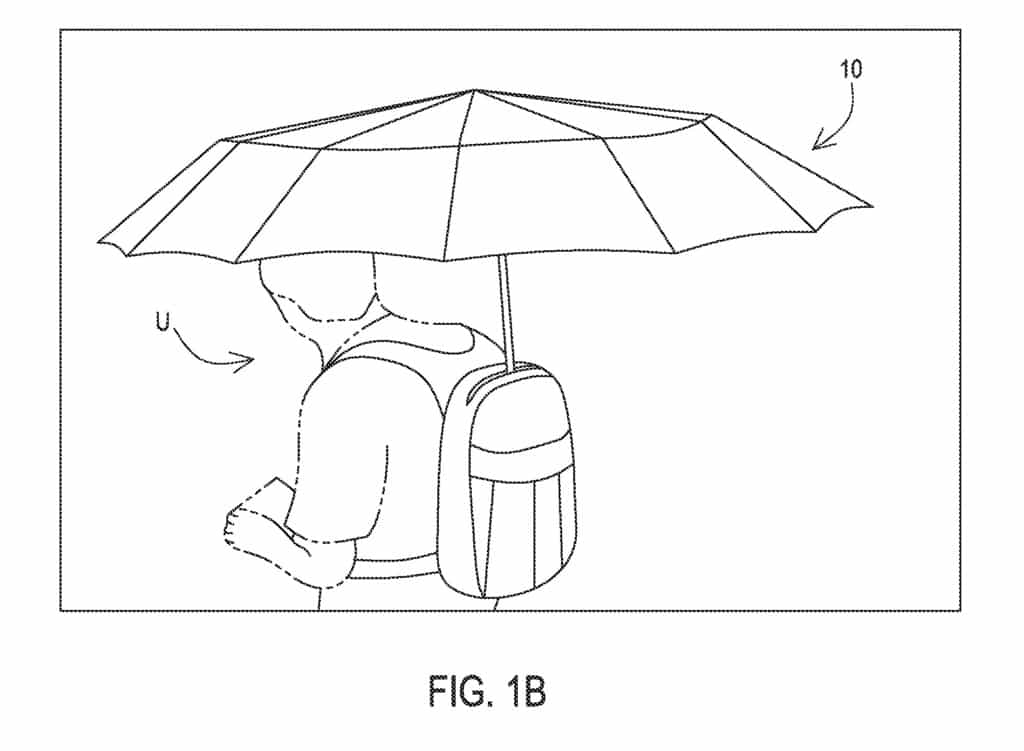
Backpack with an integrated umbrella device. Michael C. Weaver, inventor. Publication Date: June 23, 2011. US 20110147427 A1.
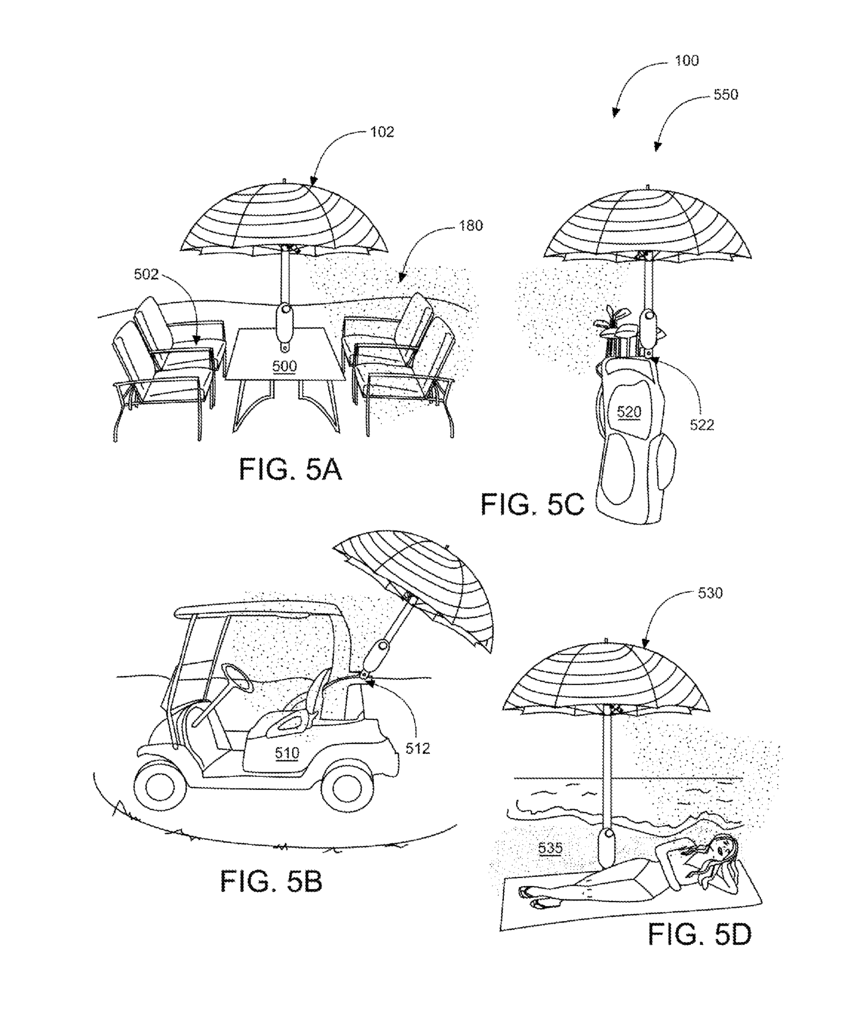
Mister-equipped umbrella system. Raj Rao, Inventor. Publication Date: Aug. 22, 2013. US 20130213446
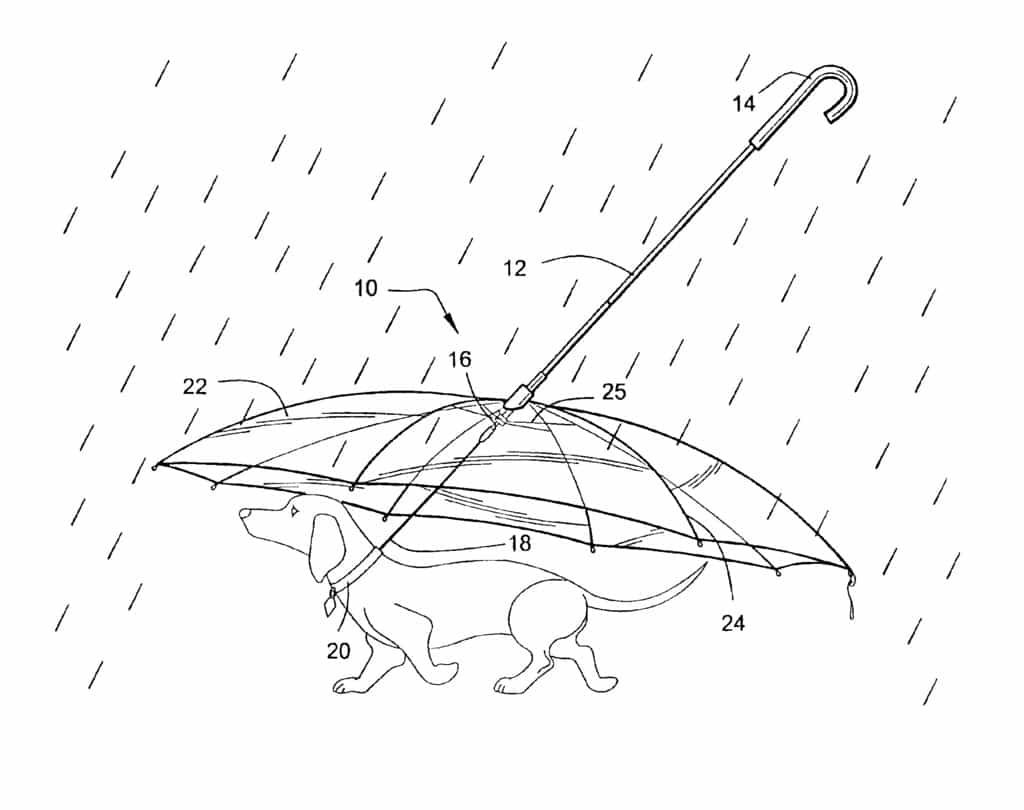
Pet umbrella and combined pet leash and umbrella. Irina Zhadan-Milligan, Yuri Zhadan, Inventors. Publication Date: March 29, 2005. US 20040200437
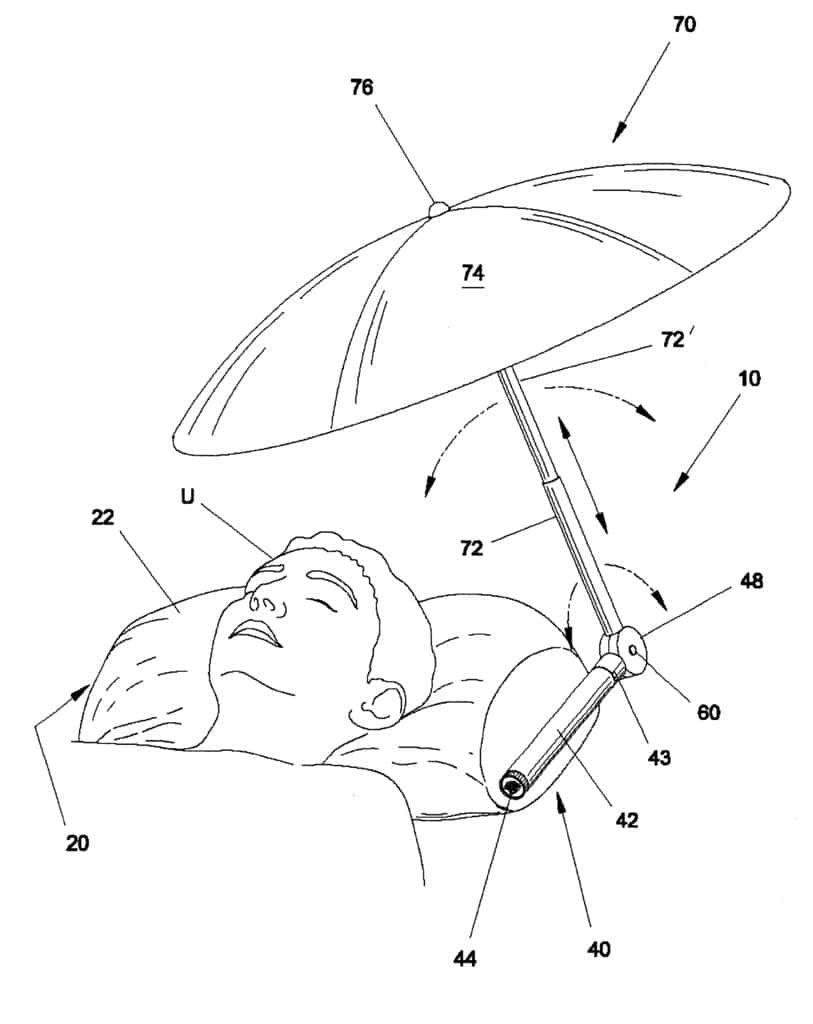
Pillow with retractable umbrella. Marielena Jane-Prats, Inventor. Publication Date: March 30, 2004. US 6711769
Zhang, Y., Risen, J. L., & Hosey, C. (2014). Reversing one’s fortune by pushing away bad luck. Journal of Experimental Psychology. General, 143(3), 1171-1184. PDF file of paper.
Tomlin, C M. 2010. The Truth About 8 Creepy Superstitions. National Geographic Kids, 15423042, Oct. 2010, Issue 404. Text available through University of Iowa Libraries InfoHawk+
Payne, Seamus. 2017. Dry-Tech: The 20 Coolest Umbrellas You’ll Ever See. TheCoolList
Vitto, Laura. Jan. 7, 2017. Smart umbrella warns you when it’s going to rain. Mashable Watercooler .
Yagoda, Ben. Cheerio, Bumbershoot! The word is not actually British for Umbrella. Nov. 4, 2011. Slate: The Good Word
Grigsby, Jean. June 15, 2015. Don’t Forget Your Brolly! Umbrella History and Facts. Farmers’ Almanac.
Umbrella Facts. Dollys Brollys. Date Accessed: April 6, 2017
16 fun facts about the humble umbrella. JollyBrolly July 31, 2015.
Dove, Laurie L. Why are people afraid to open an umbrella indoors? How Stuff Works : Culture Date Accessed: April 10, 2017
Enjoy rainy days with a Japanese umbrella. March 2013. Japan Monthly Web Magazine.
sockmaster. Electric Umbrella. Instructables. Date Accessed April 14, 2017
Other Resources:
These Japanese Umbrellas Reveal Hidden Patterns When Wet. boredpanda Date Accessed: April 6, 2017.
Vyse, Stuart A. 1997. Believing in magic : the psychology of superstition. New York : Oxford University Press. Hardin Library for the Health Sciences BF1775 .V97 1997
Get better using APA Style with our workshop | Wed. April 19, 12pm-1pm @Hardin Library
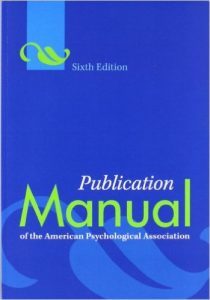 The Publication Manual of the American Psychological Association (6th edition) provides guidelines for formatting papers/manuscripts followed by nursing and most allied health sciences disciplines. In this hands on session, attendees will have the opportunity to learn basic rules of APA formatting as well as gain experience applying APA formatting to journal, book, and web references. Resources for future referral will also be provided.
Wednesday, April 19th, 12:00pm-1:00pm (East Information Commons, 2nd Floor, Hardin Library for the Health Sciences)
Register online or by calling 319-335-9151.
Individuals with disabilities are encouraged to attend all University of Iowa-sponsored events. If you are a person with a disability who requires a reasonable accommodation in order to participate in this program please call Janna Lawrence at 319-335-9871.
Happy Dolphin Day!!

Happy Earth Month!!
It’s National Dolphin Day!!

Do you think of Flipper when you think of a dolphin? Do you think of the social, fun-loving, intelligent, inquisitive mammals of the sea? Who doesn’t love dolphins?
Dolphins and whales are cetaceans, which is the collective name for all whales, dolphins, and porpoises. There are 43 species of dolphins – including 5 river dolphins! Sadly, many of the cetaceans – both whale and dolphin species – are endangered.
Dolphin and whale populations have been affected by humans for centuries – beginning with whaling. According to Sarah Lazarus, author of Troubled Waters: The Changing Fortunes of Whales and Dolphins, “Images etched into rock faces in Norway and Korea testify that cetaceans were hunted as long ago as 6000 BC.”
Hunting and fishing not only affects the cetacean populations, but it also affects the ocean ecosystem as a whole. Trawling the bottom of the seabed – or ploughing – destroys the fragile organisms and when it is done frequently, there is less time for those organisms to become reestablished. Fishing nets don’t only catch the intended fish – other fish and plant life are also affected. Larger fish that are caught (the bycatch) are discarded and thrown back into the ocean. Which, although it sounds like a good thing, it too, has unintended side effects. Fish that are caught and discarded are often wounded from being caught in the nets or are already dead when they are thrown back. Birds do benefit from the bycatch, and the numbers of birds have dramatically increased in certain areas. (From Our Threatened Oceans).
Broken fishing lines and nets can also pose a hazard when aquatic life become tangled and wrapped up in them. Plastic is also a problem in the ocean. Much of the plastic that humans use – water bottles, six-pack rings – end up in the oceans. That plastic poses 2 problems – entanglement and ingestion.
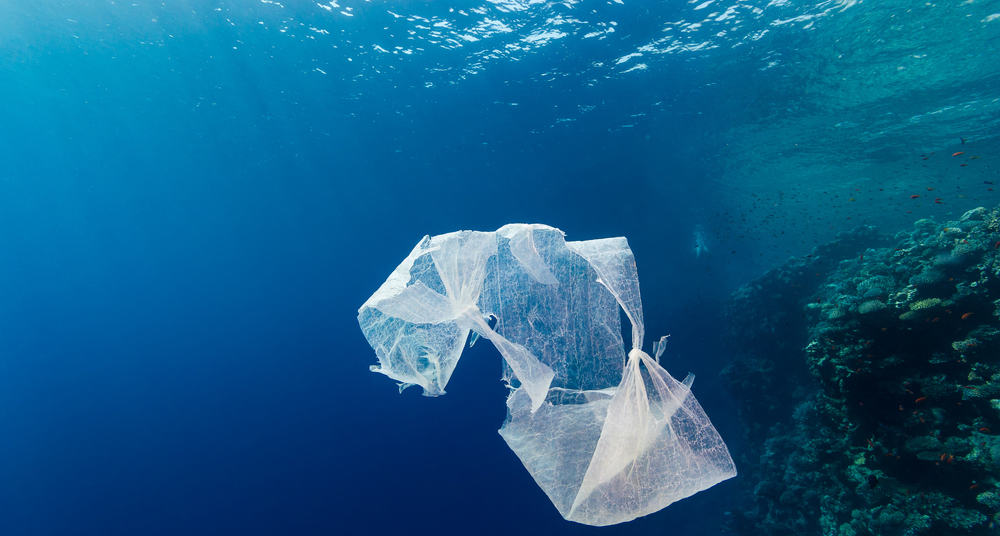
Photo from Gizmodo.
About 800 miles north of Hawaii in the Pacific Ocean is an area – more than twice the size of Texas – called the Garbage Patch. The Garbage Patch is the eastern corner of a 10-million-square-mile oval known as the North Pacific sutbropical gyre. Boats generally steer clear of this area because it is calm. Sailors call it “the doldrums,” and generally avoid it – as do the ocean predators. It is like a desert – a deep, slow, clockwise-twirling vortex of air and water which is caused by a mountain of high-pressure that that lingers above it. Captain Charles Moore discovered the Garbage Patch by accident in August, 1997. He found plastic bags, nets, ropes, bottles, motor-oil jugs, cracked bath toys, a mangled tarp, a traffic cone, and so much more garbage floating, stagnant in the ocean. This “land fill” not only pollutes the surface but also is leaking into the food chain. By using a manta trawl (a fine-meshed net) he and his researchers discovered minuscule pieces of plastic, some barely visible to the naked eye, swirling in the water. They measured and sorted samples and came up with the conclusion that this portion of the ocean contains 6x more plastic than plankton.
There has also been a rapid growth in the number of “dead zones.” These are areas of the oceans that are so lacking in oxygen (hypoxic) that most marine creatures suffocate. The combined areas of dead zones are now larger than New Zealand. In the 1950s there were fewer than 20, now there are more than 400. What causes dead zones? Phosphorus from farm run-off, sewage, and burning fossil fuels…
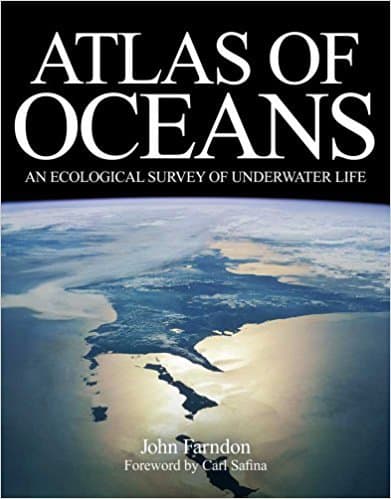
Atlas of Oceans : An Ecological Survey of Underwater Life is a beautiful book full of colored photographs and is full of information covering everything from the ocean deeps, polar waters, tropical waters, the Pacific, Atlantic and oceans and seas across the world.
Is it possible to halt – and reverse – the effect we, as humans, are having on Earth’s oceans?
It actually is possible for the dead zones to recover by using less fertilizer and cutting emissions from sewage plants and industry. In the late 1980s the Danish government implemented an action plan to restore wetlands. Reducing the use of fertilizers has helped increase the oxygen levels of the Kattegat Strait. They have also found that decreasing fertilizer use has not reduced the crop yields.
New, creative ways to change common items into ecological friendly items can also make a difference. For example, Saltwater Brewery, Delray Beach, FL, has created edible six-pack rings that can feed, rather than kill, marine life! They are made of barley and wheat which are beer by-products! They are safe for both humans and fish to eat and are also biodegradable and compostable.
For a more in-depth (no pun intended!) look at what you can do to help preserve Earth’s oceans, Oceans: The Threats to Our Seas and What You Can Do to Turn the Tide has a section, “What You Can Do,” aimed specifically at highlighting what individuals can do.
Video from New Scientist, 3/7/2017
Resources:
Lazarus, Sarah. 2008. Troubled Waters : the changing fortunes of whales and dolphins.Chicago : KWS Pub. Engineering Library SH383 .L39 2008
Rahmstorf, Stefan. Our threatened oceans. 2009. London : Haus Pub. Engineering Library GC1018 .R34 2009x
Bowermaster, Jon. 2010. Oceans : the treats to our seas and what you can do to turn the tide : a participant media guide. New York : PublicAffairs. Engineering Library GC1018 .O26 2010
Horn, Greg. 2006. Living green : a practical guide for simple sustainability.Topanga, CA : Freedom Press. Engineering Library RA776.5 .H67 200
Farndon, John. 2011. Atlas of oceans : an ecological survey of underwater life. New Haven, Conn. : Yale University Press Engineering Library FOLIO G2800 .F37 2011
National Dolphin Day – April 14. National Day Calendar. Date accessed March 8, 2017
Flipper. IMDb.com
Dolphins-World. Date Accessed March 8, 2017
Dolphin Sounds. 2016. Everything Dolphins
Endangered Species. WDC: About Whales and Dolphins . Date accessed March 8, 2017
Stone, Maddie. Jan. 21, 2016. We’re Emptying the Oceans of Fish and Filling Them With Plastic. Gizmodo Allure Media.
First-ever underwater video of the elusive True’s beaked whale. March 7, 2017. New Scientist.
Welcome to the World of Whales and Dolphins. WDC About Whales and Dolphins. Date accessed March 22, 2017
Whyte, Chelsea. First Underwater Footage of Rare Beaked Whale. New Scientist March 7, 2017.
Wanshel, Elyse. May 31, 2016. Edible Rings On Six-Packs Feed marine Life If they End Up In The Ocean. The Huffington Post
Other Resources:
For opposing viewpoints about the endangered oceans check:
Gerdes, Louise I. 2009. Endangered oceans.Detroit : Greenhaven Press. Engineering Library GC1018 .E528 2009
Mancini, Candice, editor. 2011. Garbage and recycling. Farmington Hill, MI : Greenhaven Press Engineering Library TD792 .G365 2011
For a more complete look at marine pollution and and the effect on human life check:
Hester, R.E. & Harrison, R.M., editors. 2011. Marine pollution and human health. Cambridge : Royal Society of Chemistry. Engineering Library GC1085 .M37 2011
Most British Beaches Found to Be Polluted With Deadly Plastic. Futurism. Earth & Energy Date accessed April 5, 2017
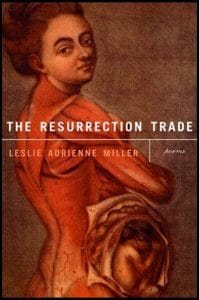
Leslie Miller | The Resurrection Trade: Finding Poetry in Medical Archives | R. Palmer Howard Dinner, Friday, April 28, 2017

Leslie Miller, Department of English, University of St. Thomas
The University of Iowa History of Medicine Society invites you to the R. Palmer Howard Dinner for 2017.
Leslie Miller will speak on the resurrection trade. The resurrection trade is the business of trafficking in corpses, one that makes anatomical art possible. Miller delves into the mysteries of early anatomical studies and medical illustrations and finds stories of women’s lives–sometimes tragic, sometimes comic–as ex-posed as the drawings themselves.
The poems become powerful testimonies to women’s bodies objectified and misunderstood throughout history and bring a new truth to what she calls “the strange collusion of imaginary science and real art.”
Location: Kinnick Center, Radisson Hotel, 1220 1st Avenue, Coralville, Iowa
Friday, April 28, 2017
Reception at 6pm, cash bar with hors d’oeuvres provided
Dinner at 7pm
Presentation at 8pm
Please register and prepay by April 21. Cost is $10 for students, $40 for everyone else. Printable HOM 2017 Banquet Registration Form
Please consider donating online to the University of Iowa History of Medicine Society to sponsor events or student participation in the R. Palmer Howard Dinner.
Individuals with disabilities are encouraged to attend all University of Iowa-sponsored events. If you are a person with a disability who requires a reasonable accommodation in order to participate in this program, please contact Janna Lawrence in advance at 319-335-9871.
Need to publish? Learn how to identify and evaluate open access journals & identify predatory publishers | Workshop Thurs. April 13 @Hardin Library

You need to publish your research, but there seem to be many choices. We can help you find the right fit.

Janna Lawrence, Deputy Director Hardin Library for the Health Sciences
This workshop will provide information about open access publishing, detail the reasons for the open access publishing movement, and describe key elements of predatory publishers.
A process often used by UI Librarians to critically evaluate the quality of open access journals will be shared to allow participants to improve their skills/efficiency with appraisal. Information about open access mandates will be included, as well as an overview of how the UI Libraries Open Access Fund works.
Thursday, April 13
11am-12pm
Hardin Library, Information Commons East, 2nd Floor
Register online or by calling 319-335-9151. Directions to Hardin Library.
No time for the workshop? Contact your subject specialist for individual instruction.
Individuals with disabilities are encouraged to attend all University of Iowa-sponsored events. If you are a person with a disability who requires a reasonable accommodation in order to participate in this program please call Janna Lawrence at 319-335-9871.
You Light Up My Life… For Earth Month!

You know you want to “go green,” but there are SO many ways and so many choices – where do you start?
One good place to start is with your lighting! We all need lights and light bulbs in our homes – so why not start there!
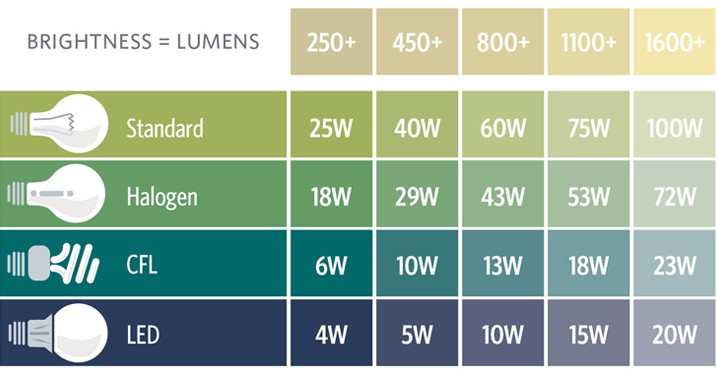
Light bulbs on the market now are more environmentally friendly and can save you money. But, with all the different types of bulbs available, how do you know which bulbs are right for your situation? There are the incandescent, fluorescent, halogen, light-emitting diodes (LED), and compact fluorescent light bulbs (CFL)… So, what’s a person to do?
Let me “enlighten” you….
Before you start making decisions on what lighting is right for you, here is a quick lesson in lighting terminology:
- Wattage: The amount of electricity consumed by a light source
- Lumens: The amount of light that a light source produces
- Efficacy: Lumens per watt
- Footcandles: the amount of light reaching a subject
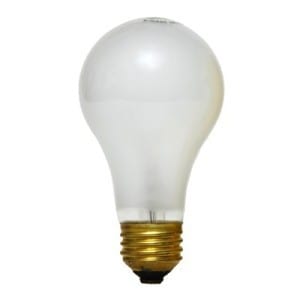
A frosted incandescent light bulb.
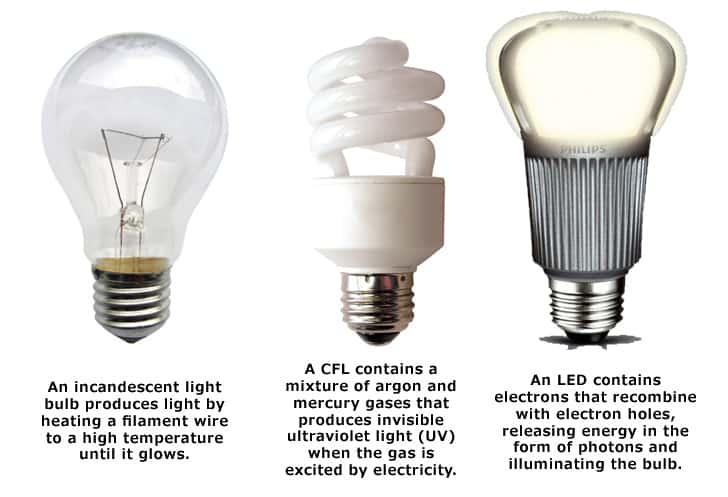
You know how when you go to change an incandescent light bulb and it is hot to the touch? In Green Goes with Everything: Simple Steps to a Healthier Life and a Cleaner Planet author Sloan Barnett explains that happens because an incandescent bulb is “…basically a little electric space heater that just happens to also give off light.” Do you know if you have a 60 watt incandescent bulb, the wattage refers to how much energy the bulb uses (60 watts) – not how much light is given off…
A CFL bulb produces a warm, soft, diffused light and can last up to 10,000 hours! They emit as much light as an incandescent bulb, but use one-fourth the energy.
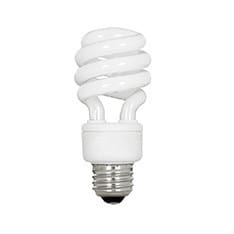
CFL Compact Fluorescent Light
A downside of CFL bulbs is that they take longer to reach full illumination. They are also more expensive than incandescent bulbs. However, they last so much longer they will more than pay for themselves over the long run. Another downside is that CFL bulbs contain a small amount of mercury which can be released if it breaks or is disposed of improperly. Even with the mercury each bulb contains, the EPA says CFL bulbs still help reduce mercury emissions in the United States because of significant energy savings. They reduce the demand for electricity, which reduces the amount of coal burned by power plants, which reduces emissions of mercury when the coal is burned.
There are specific cleanup instructions if a bulb containing mercury should happen to break. These include airing the room out, specific materials to clean up and dispose of the broken bulb. Visit the EPA website in order to find out the complete instructions for cleaning up a broken CFL bulb. It is important to recycle used CFLs, also. Recycling prevents the release of mercury into the environment. Most of the materials in fluorescent bulbs are recyclable and can be reused. Many states and local jurisdictions have regulations about disposal of CFL bulbs, so be sure to check your local regulations. Visit the EPA recycling webpage for more information.
Think a CFL bulb is too harsh, too white and way too bright? Many new CFL bulbs are designed to mimic the yellowy light of an incandescent bulb. There are now silicone covered CFL bulbs which give off a softer, more pleasant glow.
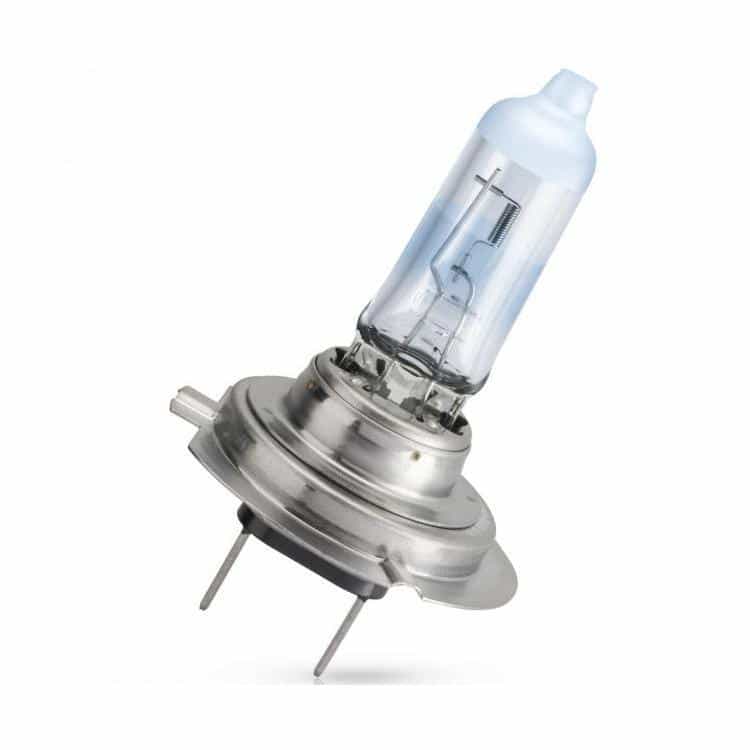
Philips WhiteVision Halogen Headlight Bulb
A Halogen bulb – or a “tungsten-halogen filament incandescent bulb” – contains a small capsule of halogen gas, which provides a bright white light. They produce more light, use less energy and last longer than the standard incandescent bulb. They do cost more, but last from 2-3 years. Halogen bulbs are often used in vehicle headlights.
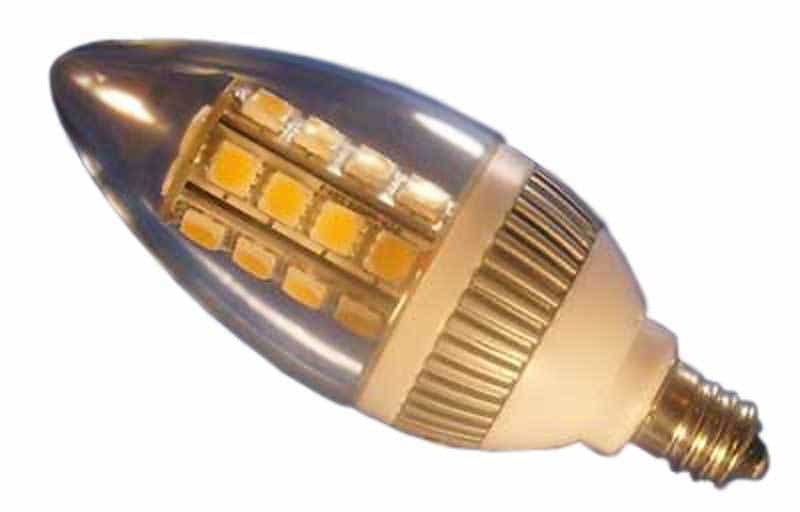 An LED uses semiconductor technology to emit narrow-spectrum diodes when an electrical current passes through it. In 2014, 19% of global electricity and 6% of greenhouse gas emissions were attributable to lighting. In the beginning, only red LEDs were available and used primarily as the indicator lights in electronic appliances and equipment. Green, yellow and blue LEDs are now available – most of the new holiday lights are the primary colored LED lights. White, super-bright, LEDs are now widely used in entertainment, retail, residential, safety and security lighting, and outdoor area lighting, not to mention backlit TVs and video screens.
Want a little guidance when selecting your light bulbs? Energy Star has a guide on their webpage to help you choose just the right bulb. An Energy Star light bulb has:
- Been independently certified to deliver efficiency & performance
- Has the same brightness (lumens), 90% less energy (watts)
- Will last 15 times longer – which equals money savings
- They help protect the environment & prevent climate change
Want to try your hand at making your own LED lightbulb?
Resources:
Horn, Greg. 2006. Living green : a practical guide for simple sustainability. Topanga, CA : Free Press. Engineering Library RA776.5 .H65 2006
Ryan, Eric. 2008. Squeaky green : the Method guide to detoxing your home. San Francisco : Chronicle Books. Engineering Library RA770.5 .R993 2008
Barnett, Sloan. 2008. Green goes with everything : simple steps to a healthier life and a cleaner planet. New York : Atria Books. Engineering Library RA770 .B37 2008
Lo, Teddy. 2014. Planet LED. Novato, California : ORO Editions. Engineering Library TK7871 .89 .L53 L6 2014
Choose a Light Guide. Energy Star : The simple choice for energy efficiency. EPA and DOE. Date accessed: Dec. 6, 2016
Types of Light Sources and Light Bulbs. 2016. American Lighting Association.
Compact Fluorescent Light Bulbs (CFLs). Aug. 10, 2016. US Environmental Protection Agency.
Make Your Own LED Libghtbulb! May 22, 2015. youtube
Other Resources:
United States. Federal Trade Commission. Office of Consumer and Business Education, : United States. Department of Energy. 2006. Energy efficient light bulbs a bright idea. Washington, D.D. : Federal Trade Commission, Bureau of Consumer Protection, Office of Consumer and Business Education. Digital PDF [electronic resource].
Get to know your light bulbs with our comprehensive type guides. Bulbs.com : The LED Authority. Date accessed Feb. 6, 2017.
Christmas Lights Power Consumption. Feb. 6, 2017. Christmas Lights, Etc.
News and Updates 3/30/2017
 Newsfeed: Travel Grant Applications due April 15, 2017 http://iowawomensarchives.tumblr.com/post/158778861035/every-girl-has-a-voice-every-woman-has-a-story Instruction: Play testing began on Amy Chen’s second game, Mark! Check out the development on Twitter through #markthegame. Exhibitions: […]
New Podcast Historically Yours Launches
 The University of Iowa Special Collections has a new podcast, Historically Yours. We’re snooping in the acid-free boxes to find out what we can learn when just one letter from […]